Most homes do not need complicated systems to stay in good shape. This guide explains how to care for items properly using simple routines you can repeat daily. You will focus on the habits that prevent stains, wear, and early replacements.
Small actions prevent expensive problems when you do them consistently. The goal is practical care that fits busy schedules. You will also see a few product picks that support the routine.

Kitchen Care Basics That Prevent Buildup And Wear
Kitchen items fail faster when grease, moisture, and crumbs sit too long. Start by protecting the surfaces you touch most, since they spread grime quickly.

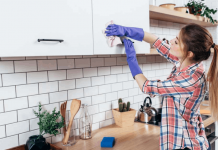
Your kitchen stays easier to manage when you remove residue before it hardens. A product like Mr. Clean Clean Freak Mist can help with fast wipe downs. Use it only on sealed surfaces you normally clean. The habit matters more than the brand.
Handle, Counter, And Sink Habits That Stop Sticky Film
Handles and counters collect oils that turn into a sticky layer. Wipe the main touch points after cooking, not hours later. A quick wipe beats heavy scrubbing because it avoids grinding grit.
Rinse the sink edge so food bits do not dry on it. Dry the faucet base to prevent spots and dullness. Keep one cloth in the kitchen so the habit stays easy.
Safe Cleaning Steps For Cookware, Cutting Boards, And Containers
Cookware lasts longer when you clean it gently and dry it fully. Let pans cool, then rinse away loose residue first. Avoid harsh scraping unless food is fully stuck and dry.
Use warm water and a soft sponge on most finishes. Dry cutting boards upright so both sides air out. Store containers only when they are fully dry inside.
Fridge And Pantry Basics That Prevent Waste And Odor
Food waste often comes from storage that hides what you already have. Do a quick fridge scan before shopping, then move older items forward. Visibility protects your budget because you use food before it expires.
Wipe spills right away so they do not become stains. Keep dry goods sealed to prevent pests and stale smells. Label leftovers with a simple date if you tend to forget.
Bathroom Care Basics That Reduce Moisture Damage
Bathrooms create damage when moisture stays trapped in corners and fabrics. The basic goal is drying, ventilation, and light touch point cleaning.
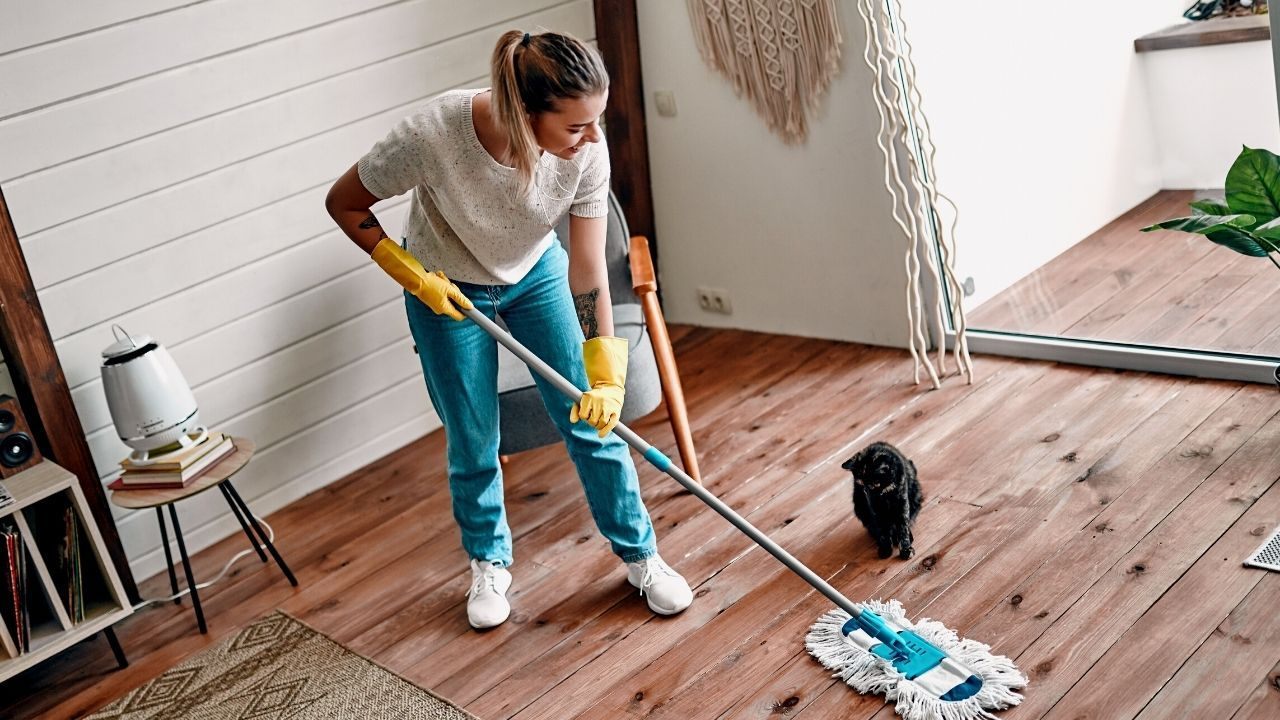
Moisture control is the shortcut because it prevents odor and buildup. Wet & Forget Shower Cleaner is useful if you want low effort upkeep. Pair any cleaner with airflow, since product alone will not solve dampness. Keep the routine short so you repeat it.
Drying And Venting Habits That Prevent Film And Odor
After showers, water sits on tile edges and fixtures. Run the exhaust fan longer than the shower itself. A dry surface stays cleaner longer because residue does not cling as easily.
Hang towels open so air reaches thick folds. Keep bath mats from staying damp on the floor. If the room stays humid, open the door briefly to vent.
Quick Touch Point Cleaning For Fixtures And High Use Areas
Touch points spread grime fast because they are handled daily. Wipe the faucet, flush handle, and door knob with a damp cloth. Targeted cleaning saves time because you avoid full room scrubbing.
Focus on the sink rim where toothpaste and soap collect. Rinse and dry the area to prevent haze. Replace worn cloths so you are not smearing residue.
Toilet Base And Floor Edge Care That Prevents Lingering Smell
Odor often comes from areas people do not clean directly. Check the toilet base and the floor edge behind it. Hidden edges cause most smells even when the bowl looks fine.
Wipe the base line lightly, then dry it. Do not soak the floor, since excess water can seep under seams. Keep the area clear so you can clean it quickly each week.
Laundry And Fabric Care That Extends Item Life
Fabrics wear out from heat, friction, and staying damp too long. Your goal is clean enough, dry enough, and stored correctly.
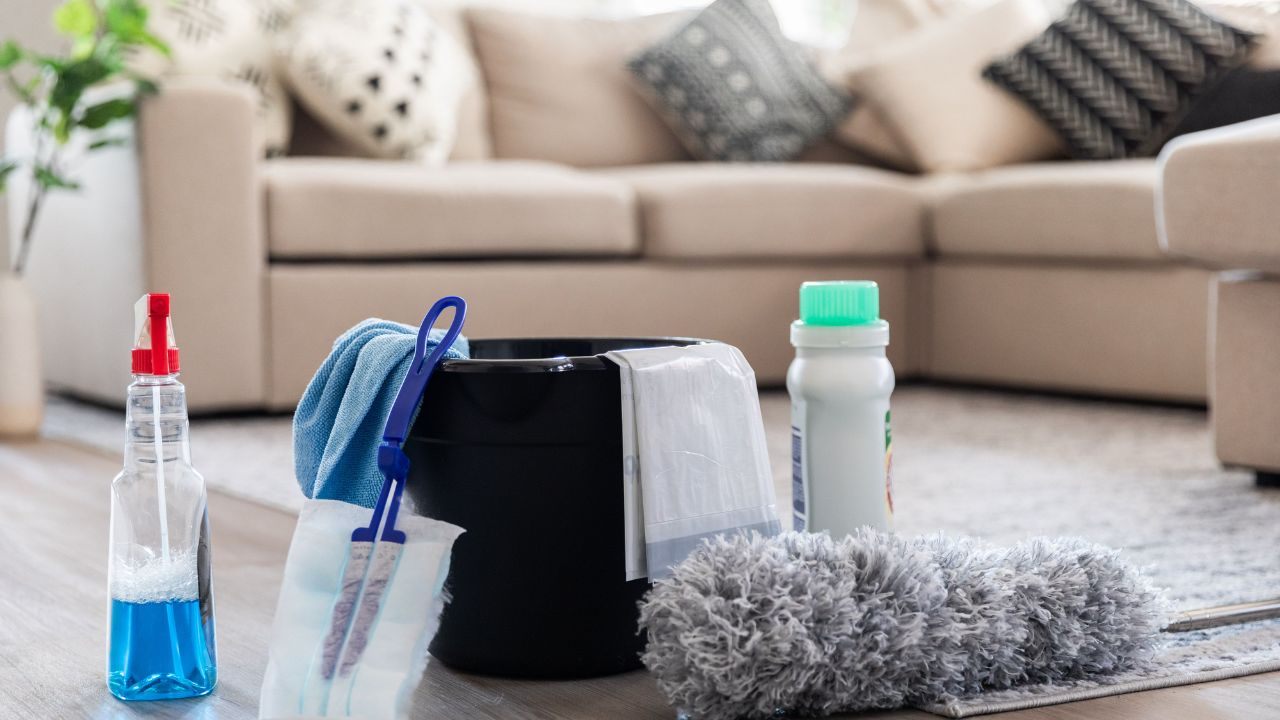
Laundry becomes cheaper when you reduce rewashing and fabric damage. Persil ProClean Original Liquid Detergent is a solid option for everyday loads.
Use the right amount, since more soap can trap odors. Build habits that protect towels, bedding, and clothing.
Dry Fast Rules For Towels, Activewear, And Bedding
Drying speed is the fastest way to prevent musty smells. Hang towels open, not folded, so air can move. Drying prevents rewashing because odor does not get time to form.
Do not leave wet clothes in the washer overnight. Shake items before drying so they do not clump. If bedding stays damp, it will smell even after washing.
Sorting And Storage Habits That Reduce Wear
You do not need complex sorting to protect fabrics. Separate heavy items like jeans and towels from lighter shirts. Less friction means longer life because fibers do not rub as hard.
Turn delicate items inside out to reduce pilling. Store clean linens in a dry place with airflow. Avoid packing fabrics too tightly, since compression can trap moisture.
Simple Stain Response That Prevents Permanent Marks
Stains become permanent when they sit and bond to fibers. Blot fast, then rinse from the back when possible. Fast action protects fabrics because you avoid harsh scrubbing later.
Use cool water on many common stains to prevent setting. Check the care label before using heat to dry. If the stain remains, treat again before running another full cycle.
Living Areas And Furniture Care Without Overcleaning
Living spaces stay presentable when you manage dust, spills, and contact wear. Most damage comes from grit, sun exposure, and delayed cleanup.
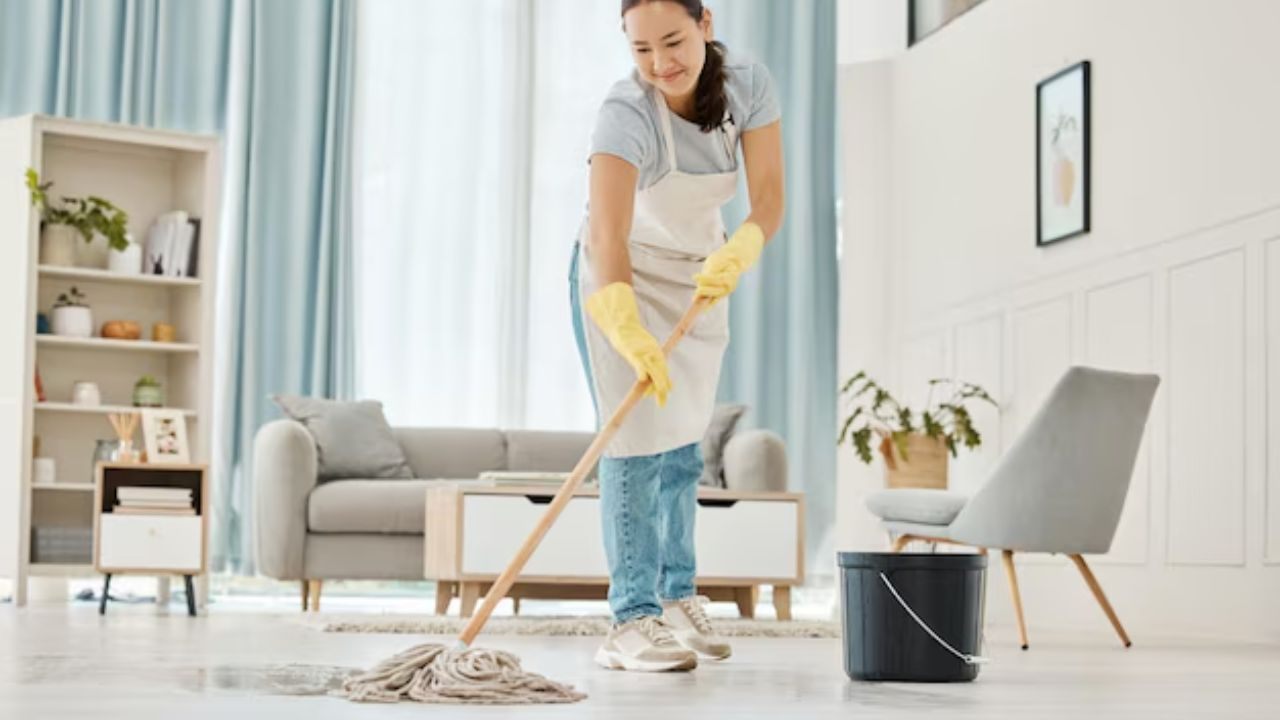
Low effort care keeps rooms looking newer without daily deep cleaning. Swiffer Dusters Heavy Duty can help you remove dust quickly. Use gentle tools so you do not scratch screens and finishes. The best routine is the one you actually repeat.
Dust Control Habits That Reduce Allergens And Surface Wear
Dust looks harmless, but it acts like grit when you wipe dry. Dust lightly first, then wipe with a barely damp cloth. Dust control reduces scratches because you avoid dragging particles across surfaces.
Focus on shelves, vents, and table tops you touch often. Keep the routine short and consistent. If you skip weeks, dust becomes harder to remove cleanly.
Protect Wood, Upholstery, And Screens With Safer Touch
Different materials need different pressure, not different drama. Use light pressure on wood finishes and avoid soaking seams. Gentle wiping preserves coatings and prevents swelling near edges.
For upholstery, spot clean instead of soaking the cushion. For screens, use a soft cloth and avoid spraying directly. Sunlight fades fabrics, so rotate cushions if one side faces a window.
Small Spill Rules That Keep Floors And Rugs From Staining
Spills cause lasting damage when they soak into fibers and seams. Blot first, then lift residue with small repeated passes. Blotting beats rubbing because it prevents spreading and matting.
Do not pour cleaner straight onto rugs, since it can leave a ring. Test any product on a hidden spot first. Dry the area with airflow so moisture does not linger underneath.
Storage And Entry Habits That Prevent Breakage And Loss
Storage is a form of maintenance because it protects what you own. Overcrowding and stacking pressure cause cracks, bends, and missing parts.

Smart storage saves money by preventing duplicate buys. Command Hooks can help keep everyday items off the floor. Use them for bags, keys, and light tools near the entry. A simple system works better than a perfect one.
Store By Frequency So Items Do Not Get Crushed
Daily items should be easy to grab without digging. Place them at waist height and keep heavy items lower. Easy access prevents drops because you are not pulling from awkward angles.
Store less used items in labeled bins so they stay grouped. Avoid forcing lids closed, since pressure cracks corners. Leave a little space so items slide in and out cleanly.
Keep Sets Together So Working Items Stay Working
Items fail when a small part disappears, not when the main item breaks. Store cords with devices and lids with containers as a set. Complete sets reduce repurchasing because you stop replacing “missing” pieces.
Use one bin per category so everything returns to one home. Label the bin so anyone can put items back. Review the bin monthly and remove duplicates you do not use.
Entry Control That Stops Dirt From Spreading Indoors
Entry habits protect floors and reduce cleaning across the whole home. Shake the mat, then clear visible grit on the first few steps inside. The door is the filter that keeps debris out of the main rooms.
Place shoes in one zone so dirt stays contained. Wipe wet footprints immediately to prevent dull marks. Keep the entry clear so the routine stays quick.
Conclusion
The best home care plan is repeatable, not complicated. When you learn how to care for items properly, you focus on moisture, residue, friction, and storage pressure. Daily basics prevent major repairs because problems stay small and visible.
Use gentle cleaning, dry items fully, and store them with less crowding. Add a few supportive products only when they remove friction. Consistency is what keeps your home running smoothly.