In daily living, objects touched most often spread the most germs, allergens, and grime. Caring for Common Home Objects centers on a simple sequence that actually works: clean first to remove soil, then sanitize or disinfect when risk warrants it.
Consistent routines protect people with allergies or weakened immunity, trim pest pressure, and keep surfaces looking new longer. Practical setups beat heroic weekend scrubs every time.
Cleaning with soap or detergent removes most microbes and dirt. Sanitizing reduces remaining bacteria on already-clean surfaces to public-health thresholds. Disinfecting kills bacteria and viruses on properly precleaned surfaces when illness risk is higher.
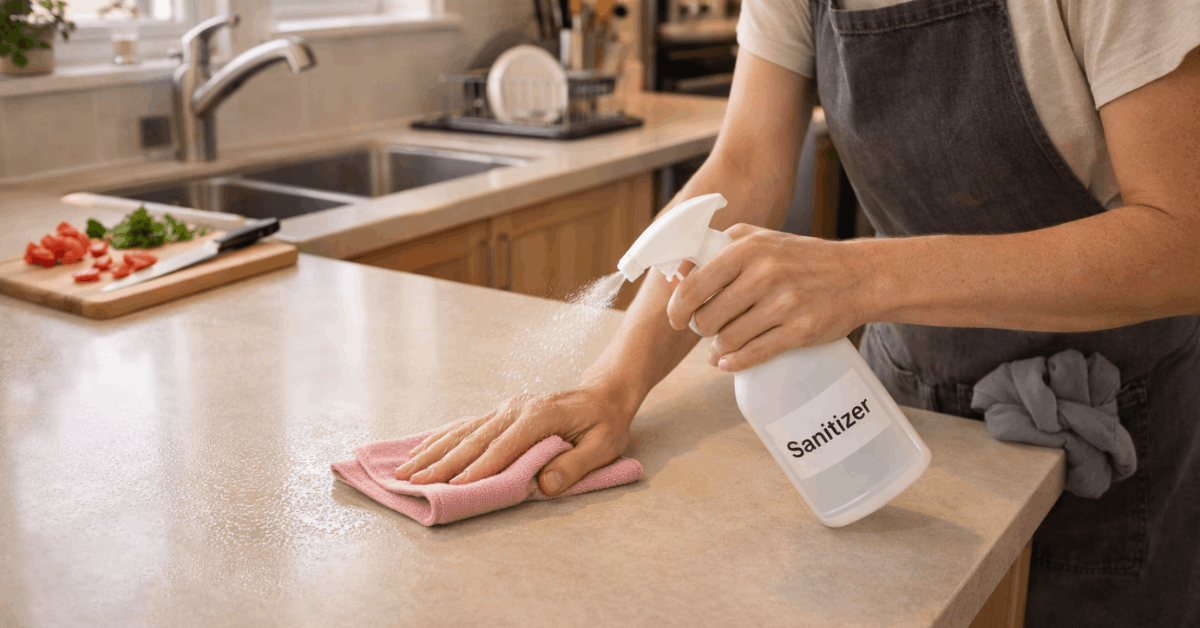
Why Cleaning Matters For Health
Regular cleaning cuts exposure to bacteria, viruses, dust, mites, and common pests. Consistent removal of soil prevents films that protect microbes and encourages fewer chemical interventions overall.
During illness in the household, diligent surface care shortens the persistence of pathogens that can survive for days on plastics, steel, and glass. Hand hygiene remains the quiet multiplier, since clean hands transfer fewer organisms to high-touch items.
Key Terms: Cleaning, Sanitizing, Disinfecting
Standard cleaning uses warm water plus soap or detergent to lift and remove soil, along with most germs. Sanitizing lowers remaining bacterial counts on already-clean, food-contact or child-contact surfaces.
Disinfecting inactivates viruses and bacteria after cleaning, appropriate for sick-room care or households managing higher clinical risk. Product labels specify contact time, dilution, and compatible materials; following those instructions ensures the claims on the label match the results in your home.
Safe Dilution and Use Of Bleach
Effective bleach use depends on correct dilution, contact time, and ventilation. Mixing bleach with acids such as vinegar generates hazardous gases, so keep products separate and use room-temperature water for dilutions unless a label states otherwise.
Clearly label any decanted solution, store away from children and pets, and prepare fresh solutions regularly to maintain strength.
Bleach Reference Table:
| Use Case | Ratio | Example Household Measure | Notes |
| General sanitizing on clean, nonporous surfaces | 1:100 | 4 teaspoons bleach per quart water | Rinse food-contact items after contact time. |
| Disinfecting hard, precleaned surfaces | ~1:32 | 5 tablespoons bleach per gallon water | Keep surface visibly wet for full contact time. |
| Toys and infant feeding items (if compatible) | Follow manufacturer or sanitize cycle | Dishwasher sanitize setting or approved soak | Air-dry on clean towel; avoid cloth rub-drying. |
Essential Tools and Products
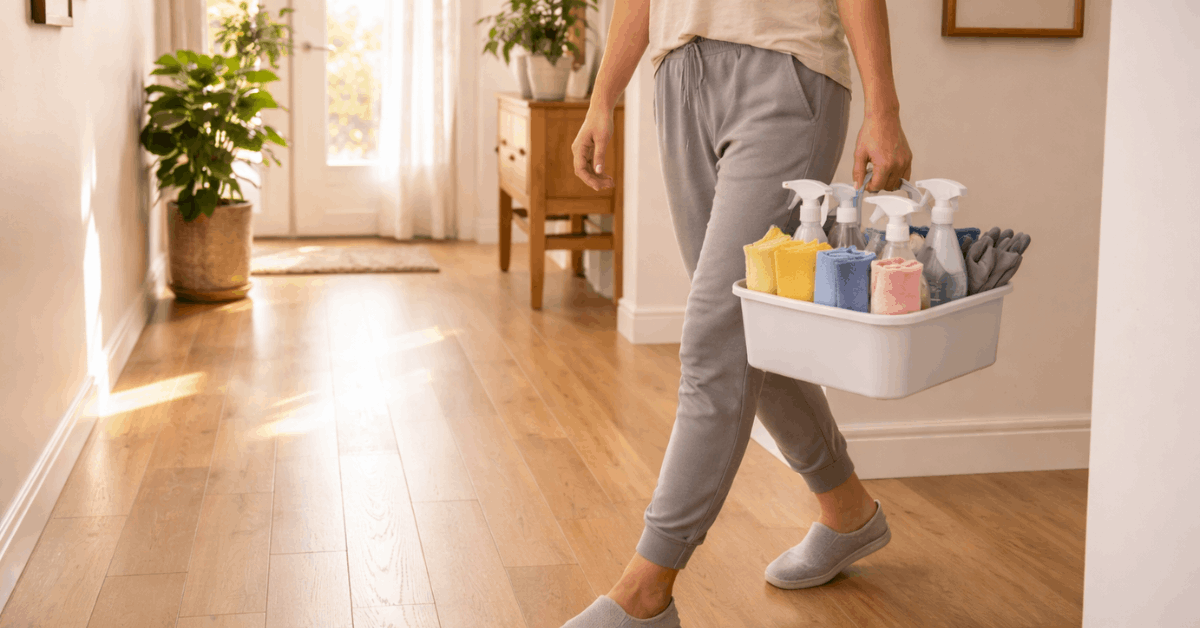
A small, durable kit accelerates setup, prevents cross-contamination, and reduces waste. Separate cloth colors or labels for kitchens, bathrooms, and general dusting so dirty wipes never meet food-contact areas.
Microfiber removes fine dust and fingerprints without scratches, while scrubbing pads handle textured grout and tubs. Gloves protect skin from detergents and disinfectants, and a caddy keeps everything moving from room to room.
Essential Cleaning Equipment
Stock rubber gloves, washable rags, and microfiber cloths for glass, steel, and general wiping.
Add a feather or microfiber duster, garbage bags, mop and bucket, broom and dustpan, scrubbing brushes or sponges, a toilet brush with holder, and a vacuum with upholstery and crevice tools. Wash cloths, mop heads, and vacuum filters routinely to keep performance high and odors low.
Essential Cleaning Products
Keep an all-purpose cleaner in a spray bottle, plus a glass cleaner or warm soapy water for mirrors and windows. Store disinfecting and sanitizing sprays or wipes for quick high-touch wipe-downs, and plain unscented bleach for accurate dilution.
Round out the kit with toilet bowl cleaner, white vinegar for degreasing compatible surfaces, wood cleaner for furniture and floors, stainless steel cleaner for appliances, and oven cleaner for baked-on residue.
A Practical Room-By-Room Plan
Small, repeatable steps deliver faster wins than marathon cleans. Start by picking up clutter into a laundry bag and a trash bag to reveal surfaces and floors. Work high to low: dust and wipe, then vacuum or mop. Run a laundry load during cleaning to cycle bedding, towels, and cloths back into service.
Kitchen
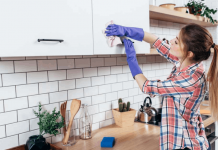
Wipe counters, tables, cabinet pulls, and appliance handles using an appropriate cleaner, then sanitize food-prep zones after raw meat contact, including the inner sink.
Clean the microwave interior after steam-softening splatters by heating a cup of water until it steams, then wiping ceilings and walls.
Degrease the range backsplash and knobs, clean the refrigerator interior three or four times yearly, and schedule the oven every three to six months, depending on cooking frequency.
Bathroom
Scrub sinks, counters, mirrors, tubs, and showers, then apply a disinfectant on precleaned high-touch zones like faucet handles and toilet surfaces.
Avoid cross-contamination by using separate cloths for the toilet and for counters. After bathing, squeegee walls and doors to reduce moisture, then run the fan or open a window to limit mold growth.
Bedroom
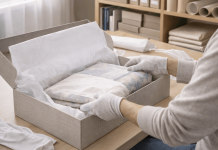
Wash bedding weekly in hot water at or above 54.4 degrees Celsius when fiber care labels allow, and encase pillows and mattresses in zippered covers to reduce dust-mite reservoirs.
Vacuum mattresses and soft furnishings periodically, then launder pillowcases and sheets promptly after illness or eye infections.
Living Areas and Floors
Dust windowsills, bookshelves, baseboards, frames, and the tops of mirrors or artwork, then follow with a damp microfiber wipe.
Vacuum carpets, rugs, and soft furniture, and shake small rugs outdoors. Mop kitchen, bathrooms, and high-traffic hard floors with products matched to your surface type.
Laundry and Linens
Wash dishcloths, bath towels, bath mats, pet bed covers, and post-cleaning rags on hot cycles when fabric guidance allows, and dry items completely.
Clean hampers and baskets periodically as hard surfaces, and wash hands after handling dirty laundry, particularly after caring for a sick person.
Cleaning Hacks Worth Trying
A few targeted tricks remove stubborn grime and save supplies without sacrificing results.
- Soften microwave residue by steaming water until the cavity fogs, then wipe thoroughly with a cloth.
- Keep baby wipes accessible for rapid cleanups of spills on couches, quick pet accidents, and coffee drips on counters.
- Use a hand-held squeegee after washing windows with warm, soapy water, then finish with a dry cloth to prevent streaks.
- Lift wall scuffs using a moistened melamine sponge, applying light pressure to protect paint finishes.
- Wash cleaning supplies regularly, including mop tops, microfiber cloths, and vacuum filters and canisters, to keep tools sanitary.
How To Sanitize Safely
Sanitizing follows thorough cleaning and targets lower-risk reduction on food contact or child-contact items. For hard counters and prep boards, wash with hot, soapy water, then apply a weaker bleach solution or a labeled sanitizing product, allowing full contact time.
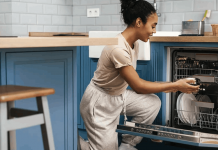
Rinse food-contact items after sanitizing and air-dry on a clean, unused towel rather than rubbing with a dish towel that might re-seed germs. Many dishwashers offer a sanitize cycle for compatible plastics, bottles, and utensils when manufacturers permit.
How To Disinfect Safely
Disinfection fits scenarios involving illness in the home or higher vulnerability, and it always follows visible soil removal. Use an EPA-registered disinfectant or a stronger bleach solution on compatible hard surfaces, keep the surface wet for the entire labeled contact time, and ventilate rooms during use.
Protective gloves and, when indicated, eye protection reduce exposure, while labeled bottles and room-temperature dilution support correct chemistry. Never mix products, never apply disinfectants to skin or pets, and always wash hands for at least twenty seconds after finishing.
High-Touch Objects To Prioritize
Household hotspots concentrate contact and should be cleaned frequently, then disinfected during illness or after visitors. Rotating attention across these items limits spread between hands, faces, and shared objects without demanding full-home disinfection every day. Short, frequent touch-point sessions work well alongside weekly deeper cleans.
Smartphones
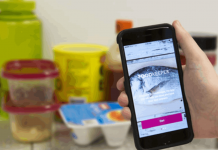
Phones meet hands, faces, and pockets constantly. Use device-safe disinfecting wipes regularly, or place compatible models in a UV sanitizer designed for electronics when liquids are restricted.
Doorknobs and Light Switches
Handles, knobs, and switches carry frequent hand traffic. Disinfect using a correctly diluted household bleach solution or a labeled product, observing the full contact time and ensuring good ventilation.
Cutting Boards
Acrylic, plastic, glass, and wood boards should be washed in the dishwasher if allowed, and replaced when worn or cracked because bacteria hide in grooves. Keep raw meat preparation on a separate board, then sanitize that area before returning to produce.
Toys
Hard plastic toys retain microbes on smooth surfaces. Wipe or soak compatible toys in a weak bleach solution for several minutes, then rinse with clean water and allow to air-dry.
Dishrags and Sponges
Kitchen rags often show heavy bacterial growth in studies. Machine-wash rags on hot cycles, replace sponges frequently, and sanitize sponges using a dishwasher sanitize cycle or a short, careful microwave treatment when wet.
Sinks and Faucets
Kitchen taps and basins harbor organisms from food and hands. Wash with hot, soapy water frequently, and disinfect handles during illness or heavy kitchen use periods.
Pillowcases and Sheets
Bedding accumulates sweat, skin cells, and occasional pathogens such as those linked to conjunctivitis. Wash pillowcases and sheets in hot water weekly, then dry fully to prevent residual moisture.
Computer Mice and Keyboards
Hand hygiene reduces transfer to peripherals, then wipe mice and keyboards using electronics-safe wipes. Consider wipeable covers to simplify regular cleaning.
Safe Care For Different Surfaces
Surface type dictates chemistry and technique, so tailor care to material and manufacturer guidance.
Hard, nonporous surfaces tolerate soap and water for routine cleaning and compatible disinfectants when risk rises. Soft surfaces such as rugs and drapes benefit from vacuuming and laundering on the warmest safe settings, then thorough drying.
Electronics require manufacturer-approved wipes and, where possible, wipeable covers that simplify day-to-day cleaning and disinfection.
Sponge and Dishrag Hygiene
Sponges trap moisture and food residues, creating favorable conditions for microbial growth.
Run sponges through a dishwasher sanitize cycle, or microwave a fully wet sponge for one to two minutes to reduce load, taking care to avoid burns when removing. Rinse and squeeze after every use, allow full air-drying, and store away from food prep zones.
Wash dish towels frequently on hot cycles, since even air-drying does not guarantee microbiological safety for the cloth itself.
Final Routine and Frequency Tips
High-touch surfaces such as light switches, remotes, doorknobs, appliance handles, and countertops benefit from regular cleaning and stepped-up attention after guests.
Other surfaces can follow a visible-soil schedule, increasing frequency during seasonal illness or allergy peaks. Keep the order predictable: declutter, dust, clean, then sanitize or disinfect if needed, finishing floors last.
Consistency, correct products, and safe dilution do the heavy lifting, while small daily habits minimize effort across the week.