
Maintenance neglect rarely looks dramatic on day one. Budgets feel tight, calendars fill up, and minor issues wait in the corner until they turn into expensive, time-consuming problems.
The goal here is simple and practical: Avoid Neglecting Maintenance through a predictable rhythm, clear program choices, and basic guardrails that keep safety, uptime, and property value intact.
Why Maintenance Programs Matter
Regular care stretches asset life, improves safety, and steadies operating costs. Skipping routine checks only shifts the bill to future repairs and unplanned downtime.
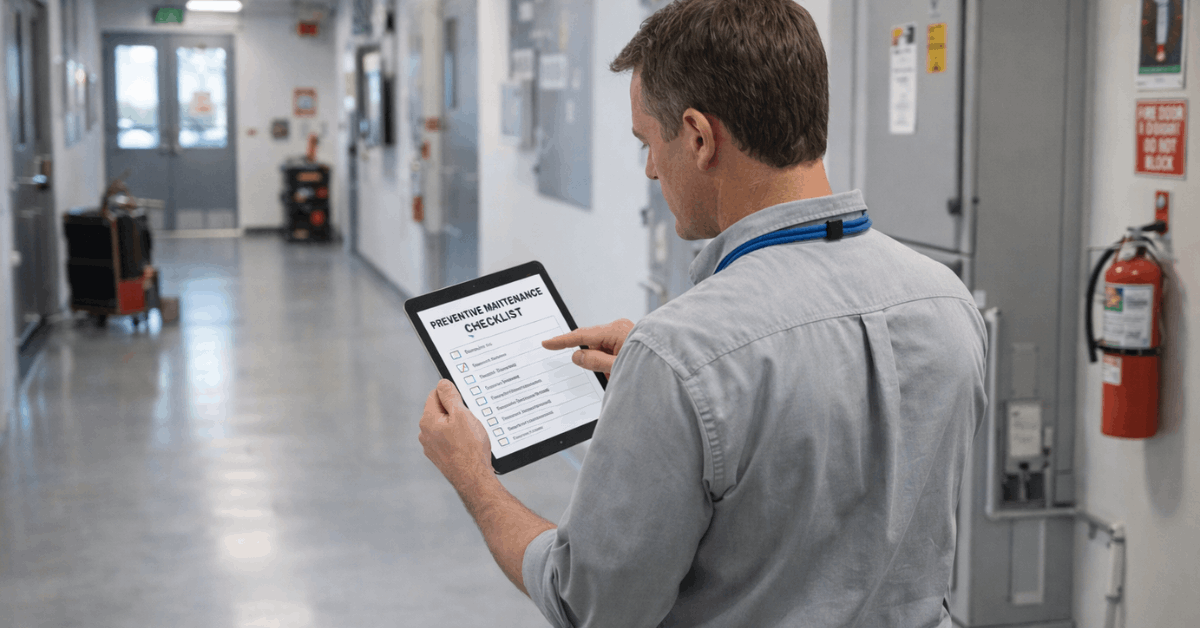
Industry bodies have reported that unplanned outages and workplace injuries cost organizations staggering sums each year, so prevention beats crisis management. Treat maintenance like an operating system for buildings, vehicles, and equipment rather than a reaction to alarms.
Key Benefits Of Proactive Maintenance
Consistent upkeep trims emergency calls, keeps performance stable, and reduces risk. Service intervals catch wear before it becomes failure, and small fixes prevent parts damage that cascades through a system.
Productivity also rises when equipment starts on time and runs at spec. According to the National Safety Council, the annual economic toll of workplace injuries reaches into the hundreds of billions, which underscores the value of safe, well-maintained assets.
Risks Of Neglect: Costs, Safety, Uptime, and Value
A short delay on a cheap fix can multiply into a costly outage. Repair premiums, parts rush fees, and overtime labor stack quickly during breakdowns. Safety risk rises when sensors, guards, or fire-rated components drift out of spec.
Downtime disrupts schedules and burns cash while teams wait for parts or contractor slots. Property value and curb appeal slide when visible components age, paint and sealants fail, and water finds easy paths indoors.
How Programs Extend Asset Lifespan
A structured program keeps small degradations from compounding into irreversible wear. Service intervals anchor inspections, lubrication, calibration, and firmware updates so equipment stays within design tolerances.
Tracking run hours, error codes, and temperature or vibration trends makes planning far easier. Replacement decisions land on data, not gut feel, which protects budgets and avoids mid-season failures.
Common Consequences Of Neglecting Maintenance
Increased Repair Costs
Short-term savings often evaporate once a failure hits. Emergency callouts carry premium pricing, and secondary damage inflates parts lists. Teams also lose productive hours to firefighting instead of planned work.
Safety Hazards
Out-of-tolerance machines, blocked sensors, and compromised fire doors create avoidable risk. Regulators and insurers expect documented care for safety-critical components, and lapses can escalate liability.
Operational Inefficiencies and Downtime
Worn bearings, clogged filters, and poor calibration steal throughput and raise energy use. Schedule chaos spreads when lines stall, elevators fail, or HVAC units quit during peak demand.
Decreased Property Value and Aesthetics
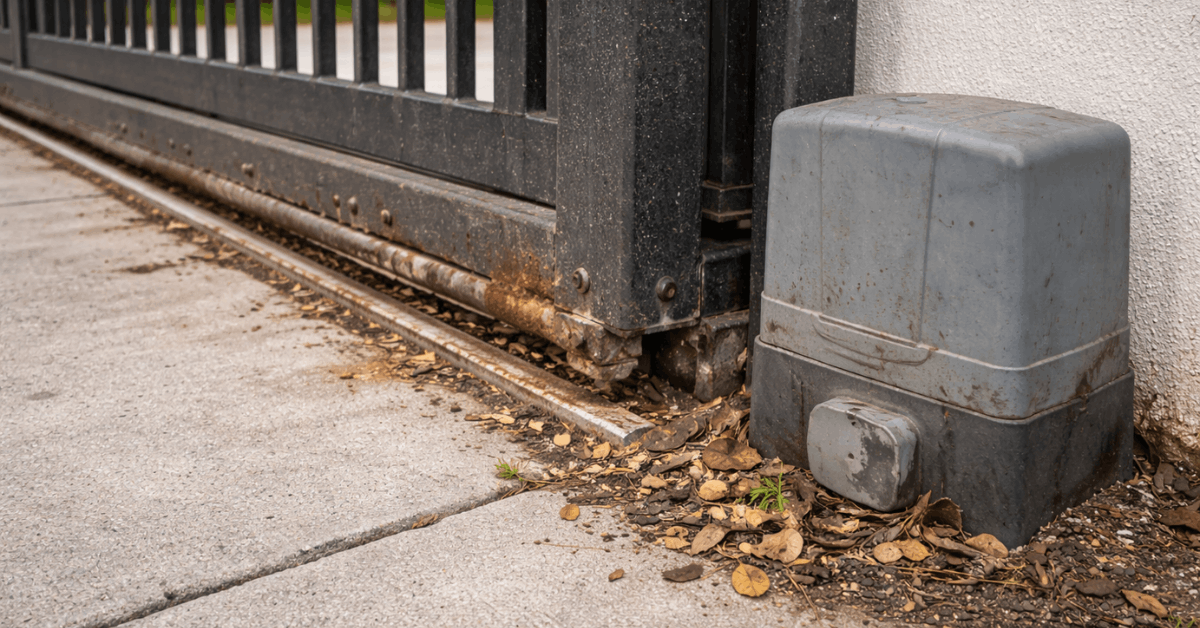
Peeling coatings, rust lines, and malfunctioning gates signal underinvestment. Prospective tenants, customers, and buyers read the signals and mark down value accordingly.
Real-World Snapshots: What Neglect Looks Like
Commercial Property Snapshot
A multi-tenant office delayed building maintenance services across elevators and fire doors. One car failed during peak hours and trapped riders.
A later emergency drill revealed fire-rated doors that did not close properly. Tenants cited safety and reliability concerns, then relocated. Vacancy rose while management rushed to retrofit and re-inspect overdue systems.
Residential Gates and Doors
Households that defer gate service see security issues first. Motors strain, rollers bind, and panels misalign after storms or dust seasons. Emergency repair services then cost far more than a scheduled adjustment and lubrication cycle. Street-facing wear also drags down perceived value during viewings.
Manufacturing Line Lesson
A plant skipped a quarterly check on critical drives and ignored heat alarms. Unplanned stoppages followed, scrap rates climbed, and an injury claim compounded losses. The remediation plan added scheduled inspections, a lifecycle management program, and spare-parts staging to stabilize uptime.
What Strong Service Programs Include
A solid plan combines cadence, documentation, and response. The elements below appear across reliable providers, regardless of sector.
- Routine Service Checkups: Scheduled inspections verify safety functions, wear limits, lubrication points, and control updates.
- Emergency Repair Services: Rapid response restores operations, backed by stocked spares and clear escalation paths.
- Lifecycle Management Program: Asset registers, service history, and age-condition matrices guide replacement timing and budget smoothing.
- Technical Support And Training: Remote troubleshooting, practical operator tips, and simple job aids reduce avoidable calls.
- Energy And Performance Improvements: Upgrades to drives, seals, filters, or controls reduce consumption and extend maintenance intervals.
Vendor Example: City Gates USA
Organizations that run gates and doors at scale often need focused expertise. City Gates USA offers routine service checkups, emergency repair services, custom maintenance agreements, technical support programs, and energy efficiency programs for entry systems.
Thorough inspections, preventive care strategies, and a lifecycle management program help predict failures and cut downtime. Clear guidance and troubleshooting assistance keep user actions simple between visits, and defined service levels align expectations on response and deliverables.
How To Choose The Right Service and Maintenance Program
A good fit reflects environment, risk, and budget. Matching scope to need avoids both overspending and gaps.
Match Commercial and Residential Needs
Commercial sites typically require bundled building maintenance services that cover HVAC, elevators, fire-rated doors, gates, lighting, and backup power. Homes benefit from a lighter approach focused on HVAC filters, roof and gutter checks, gate servicing, and moisture control.
Set Service Frequency Intentionally
Harsh climates, dusty sites, long duty cycles, and critical operations justify tighter intervals. Lower-stress environments can extend the cycle. Seasonal peaks also matter, so plan inspections before heavy-load periods.
Budget For Predictability
Fixed-fee service blocks and capped response windows stabilize cash flow. Spare-parts kits, standardized materials, and multi-site agreements reduce surprises. A clear property maintenance schedule keeps owners and vendors aligned.
Practical Signals That Maintenance Is Falling Behind
A few patterns give early warning long before a major failure. Address these quickly to prevent spirals.
- Backlogs grow for routine work orders, and small issues reappear after quick fixes.
- Energy bills trend up despite stable usage and weather conditions.
- Operators work around quirks, alarms get silenced, or safety interlocks see frequent overrides.
- Minor leaks, vibration, or unusual heat show up after runs and during shutdowns.
- Inventory lacks common spares, and lead-time parts trigger extended outages.
Home and Small-Site Rhythm: Five Simple Loops
Short, repeatable loops prevent most expensive surprises. Keep the scope tight and the cadence visible.
- Monthly Visuals: Walk exterior and mechanical areas, note leaks, rust, loose hardware, and abnormal noise.
- Quarterly Servicing: Replace HVAC filters, test detectors, clear gutters and drains, and lubricate hinges and rollers.
- Seasonal Weather Checks: Inspect roofs, sealants, and stormwater paths before heavy rain, heat waves, or freeze cycles.
- Semiannual Safety Tests: Exercise gates, test auto-reversing features, verify fire-door closures, and confirm emergency lighting.
- Annual Deep Review: Update the preventive maintenance checklist, analyze failures, and refresh the property maintenance schedule.
Data and Documentation: Quiet Work That Pays Off
Good records turn maintenance into a manageable system. Asset IDs, install dates, part numbers, and service history make troubleshooting fast.
Predictive maintenance data from temperature, vibration, or current draw adds early insight into bearing wear, motor health, and alignment drift. Simple dashboards or logs keep everyone honest about cadence and completion.
Cost Control Without Cutting Corners
Smart savings come from consolidation and timing, not skipped care. Multi-site maintenance agreements reduce mobilization fees and raise service consistency.
Off-peak scheduling secures better contractor availability and less disruption. Proactive parts ordering avoids rush premiums, while standardizing components cuts inventory bloat.
Compliance, Insurance, and Claims
Regulated components such as fire-rated doors, emergency lighting, and lifts require documented tests.
Insurers often ask for service records after incidents or claims. Clean files demonstrate diligence, speed up approvals, and reduce disputes. Gaps invite legal exposure and slow recoveries.
Action Plan To Avoid Neglecting Maintenance
Start with a clear inventory, then anchor the program to cadence and data. Assign ownership for each asset group and keep the schedule where teams can see it daily.
Close the loop by reviewing failures quarterly and removing root causes rather than repeating band-aid fixes. Small, steady steps create reliability without drama.
Conclusion: Make Maintenance A System, Not A Sprint
Maintenance turns unpredictable costs into planned work when handled through cadence, scope, and simple documentation.
Teams protect safety, uptime, and asset value by catching small issues early, tracking patterns, and choosing providers that deliver routine checks, fast response, and sensible lifecycle guidance.
Treat Avoid Neglecting Maintenance as a standing rule baked into operations, and the payoffs show up across repairs, energy, and peace of mind.