Small homes become cluttered quickly because every surface has to work harder. A chair turns into storage, the entryway fills with shoes, and cabinets reach capacity faster than expected.
To organize small spaces well, use height, furniture, containers, and daily routines so each room stays functional without adding visual noise.
A compact home needs systems that are easy to repeat. Storage should sit near where items are used, surfaces should stay mostly open, and categories should have firm limits. When every item has a practical place, small rooms feel easier to clean and move through.
Use Vertical Space Before Adding Furniture
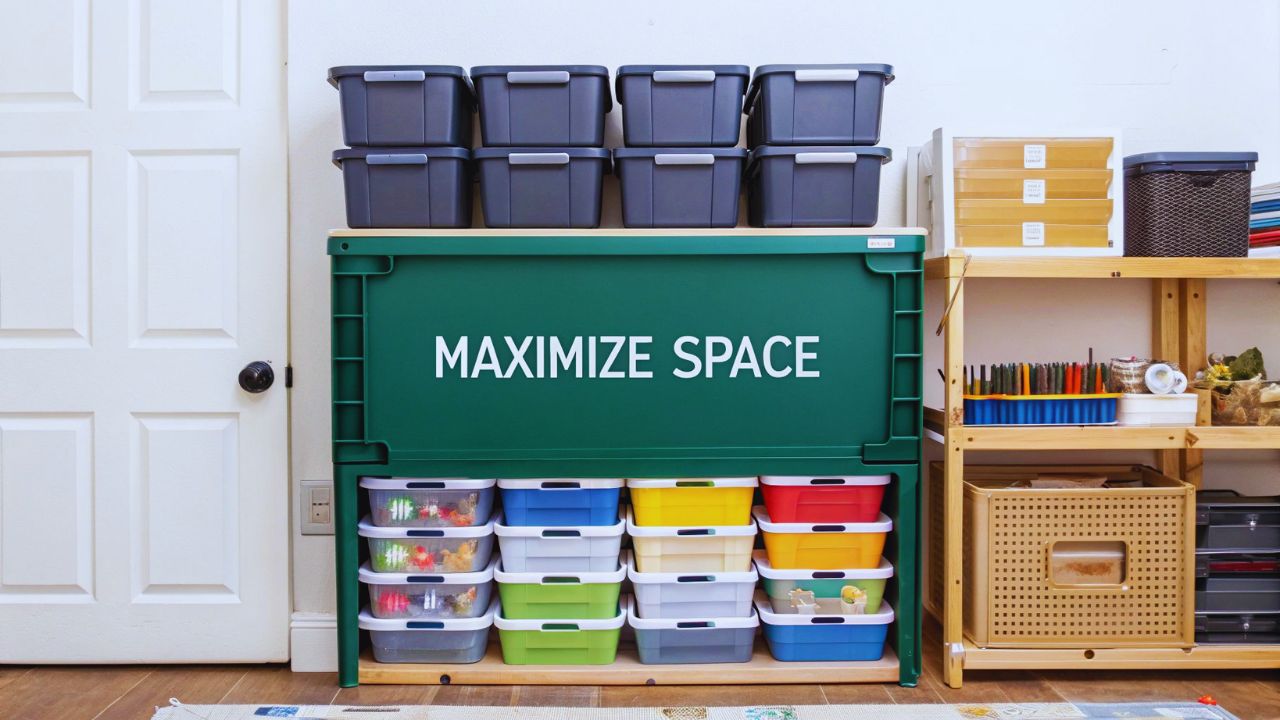
Small rooms often feel crowded because storage stays at floor level. Bags, shoes, cleaning tools, laundry, and daily items spread across walkways when walls and doors are not being used. Good vertical storage creates more room without adding bulky furniture.
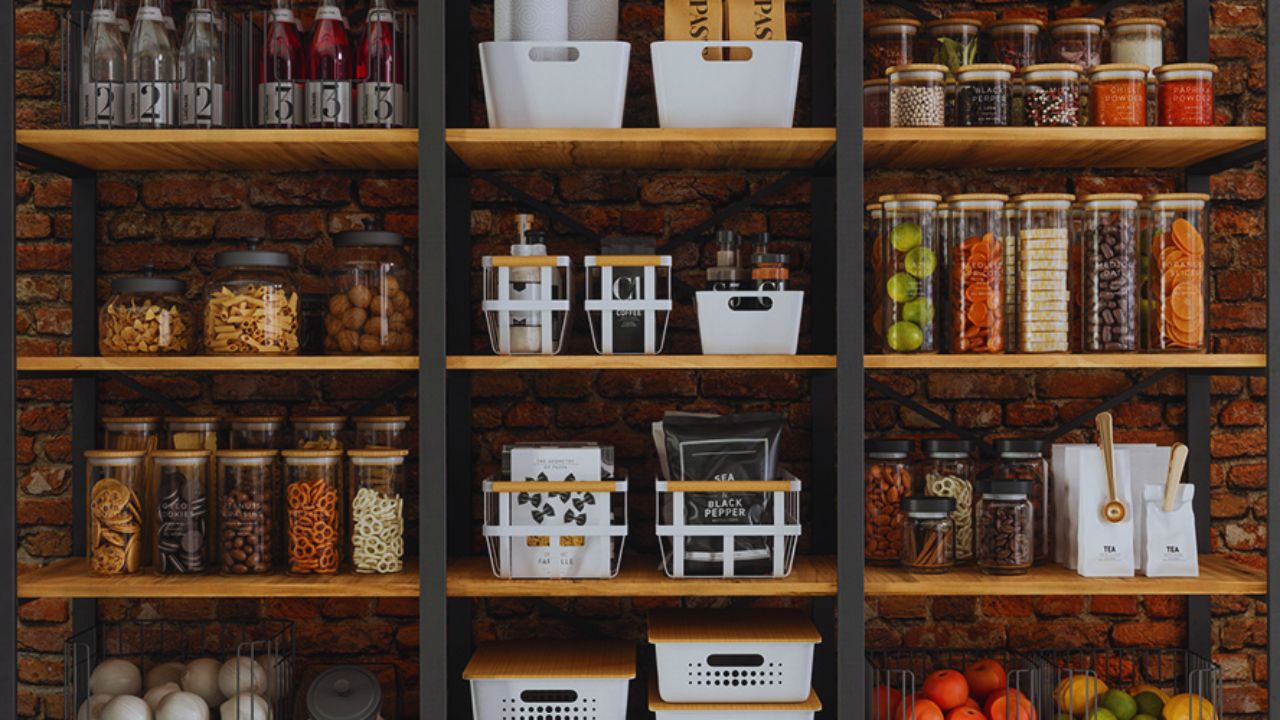
Check blank walls, closet interiors, door backs, and the space above eye level. These areas can hold items that currently land on chairs, counters, or floors. Keep storage reachable enough for daily use, not so high or hidden that returning items feels inconvenient.
Add Hooks and Rails for Daily Items
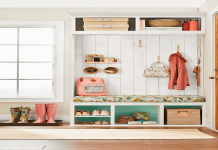
Hooks and rails make returns fast. A hook strip near the entry can hold bags, jackets, leashes, or reusable totes. A rail in a laundry corner can hold a dustpan, brush, or small cleaning tool. This hook storage works best when each hook has one clear purpose.
Avoid crowding too many items onto one strip. If objects overlap, they become harder to grab and easier to ignore. Review the hooks weekly and remove anything that is not used often.
Use Doors and Cabinets Better
Over-the-door storage can add capacity in bathrooms, closets, pantries, and laundry areas. Slim pockets can hold hair tools, chargers, wraps, snack packets, cleaning cloths, or small accessories. This door storage works only if the door still closes smoothly.
Cabinets also need structure. Shelf risers and inserts create a second level for mugs, dishes, folded clothes, or pantry items. Measure first, keep labels visible, and avoid stacking mixed categories that require reshuffling every day.
Also Read: Home Organization Basics for Beginners
Choose Furniture That Adds Storage
In small living spaces, furniture should do more than fill the room. A table, bench, bed, or ottoman takes up valuable floor space, so it should help reduce clutter. Smart storage furniture keeps items close without leaving them in view.
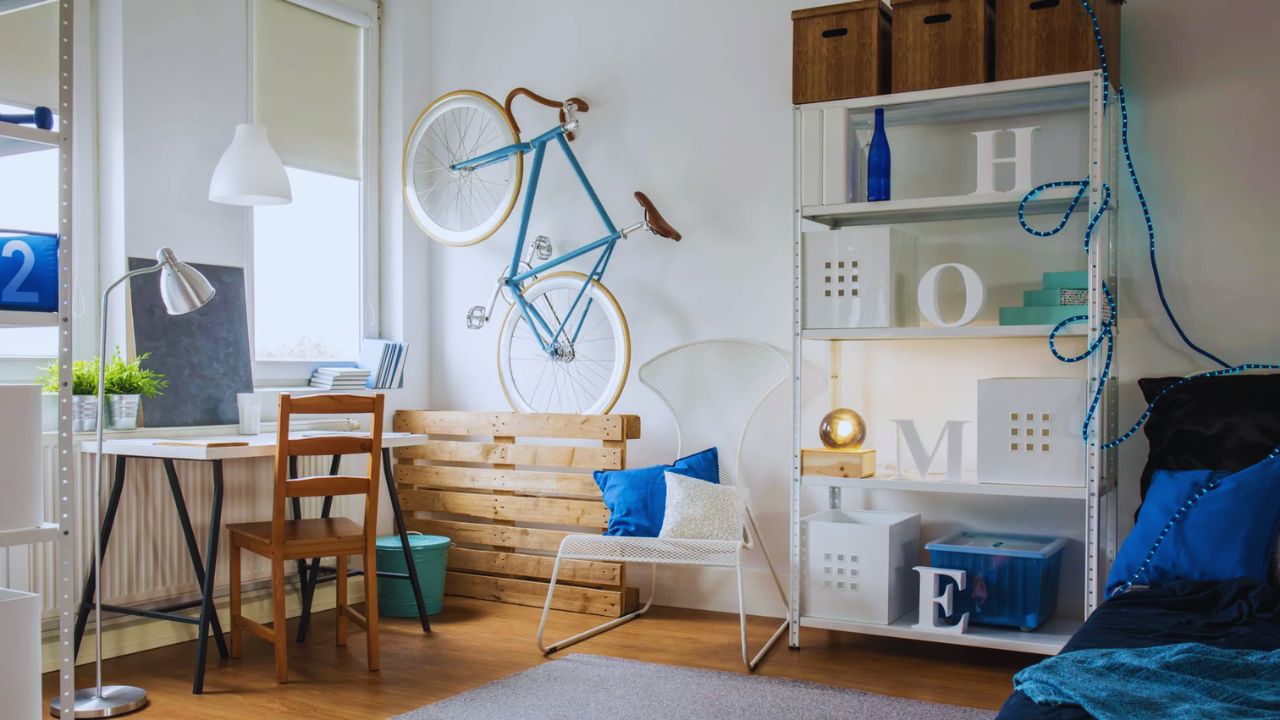
Look at what piles up most often before choosing furniture. Blankets, mail, hobby supplies, shoes, cables, or seasonal items may need hidden storage. The best piece is the one that solves a real daily problem.
Use Hidden Storage for Soft Items
Storage ottomans, lift-top coffee tables, and beds with drawers work well for soft categories. Throws, pillow covers, workout bands, linens, or seasonal clothing can stay nearby without filling open surfaces. This hidden storage keeps rooms calmer while keeping useful items accessible.
Do not overstuff these pieces. If the lid is hard to close or the drawer is difficult to open, the system will not last. Use smaller bins inside larger compartments to prevent a messy pile.
Build Micro Stations for Daily Routines
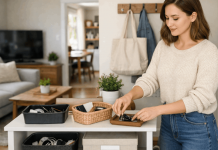
Small homes feel messy when everyday items travel without a clear stop. A micro station gives one routine a compact home. This micro station can be a tray, pouch, caddy, drawer section, or small shelf that keeps related items together.
Focus on routines that happen every day, such as charging devices, packing a bag, doing laundry, grooming, cleaning, or preparing coffee. Each routine should have a small setup near where it happens. This reduces searching and makes cleanup feel automatic.
Create One Charging Hub
Chargers, cords, adapters, and headphones can spread quickly in small homes. A charging hub keeps tech items in one controlled place. Use a small box, drawer, or tray for the power strip and cables. This charging hub prevents cords from taking over tables and sofas.
Keep only chargers used weekly in the main station. Label similar cords if needed, and store backups in one pouch. Fewer loose cables means fewer searches and less visual clutter.
Keep Laundry Supplies Together
Laundry creates clutter when clothes, detergent, stain tools, and clean items are scattered. A small laundry kit can keep the routine easier to manage. This laundry kit may include detergent, stain remover, dryer sheets, a lint roller, or a folding basket.
Place the kit near the washer, hamper, or exit if you use a shared laundry area. The fewer steps the routine requires, the less likely clothes are to pile up on chairs or floors.
Set Limits So Categories Do Not Expand
Small homes need clear limits because categories grow quietly. Snacks, toiletries, cleaning products, cables, clothing, and hobby items often take over when there is no visible boundary. A container limit keeps each category under control.
Choose a drawer section, bin, basket, shelf, or tote for each category. When that space fills, remove something before adding more. This keeps storage honest and prevents small rooms from becoming packed with extras.
Use One Footprint per Category
A category should have one main footprint. Snacks might get one basket, toiletries one drawer section, and cords one pouch. This category footprint makes it clear when the home has enough.
Do not expand into extra spaces without a reason. If a category no longer fits, reduce duplicates, expired items, or things you no longer use. The goal is not more storage; it is better control.
Rotate Seasonal Items
Small spaces should not hold every season’s items in active storage. Seasonal clothing, extra blankets, holiday items, and occasional supplies can move to labeled totes under the bed, high in a closet, or in another low-use area. This seasonal rotation keeps daily storage focused.
Keep the number of totes fixed. If seasonal items outgrow the container, review what still fits your current life before adding another box.
Keep Surfaces Visually Calm
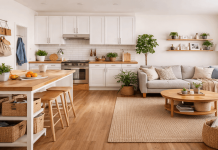
In small rooms, visual clutter can feel heavier than the actual amount of clutter. Open shelves, counters, tables, and visible bins need simple rules. A calm surface helps the room feel larger and easier to use.
Use matching or similar containers on open shelves, and keep labels short. Leave part of each counter or table open so the surface remains useful. If a flat area starts collecting random items, reset it before beginning the next task.
Conclusion: Make Small-Space Organization Easy to Maintain
Small living spaces do not need strict minimalism to feel organized. They need storage that matches daily routines, furniture that works harder, and limits that stop categories from expanding. Start with height, then improve furniture, stations, containers, and surfaces.
The goal is lasting order that feels realistic in a compact home. When items are easy to reach, easy to return, and limited by clear storage boundaries, small rooms stay more open, calmer, and easier to manage every day.