Getting organized does not require a full weekend, expensive bins, or a perfect plan. Most homes become easier to manage when you start with one small area and make a few clear decisions.
Home organization basics are about giving items a place, removing what gets in the way, and building routines you can repeat without stress.
Start With One Small Area
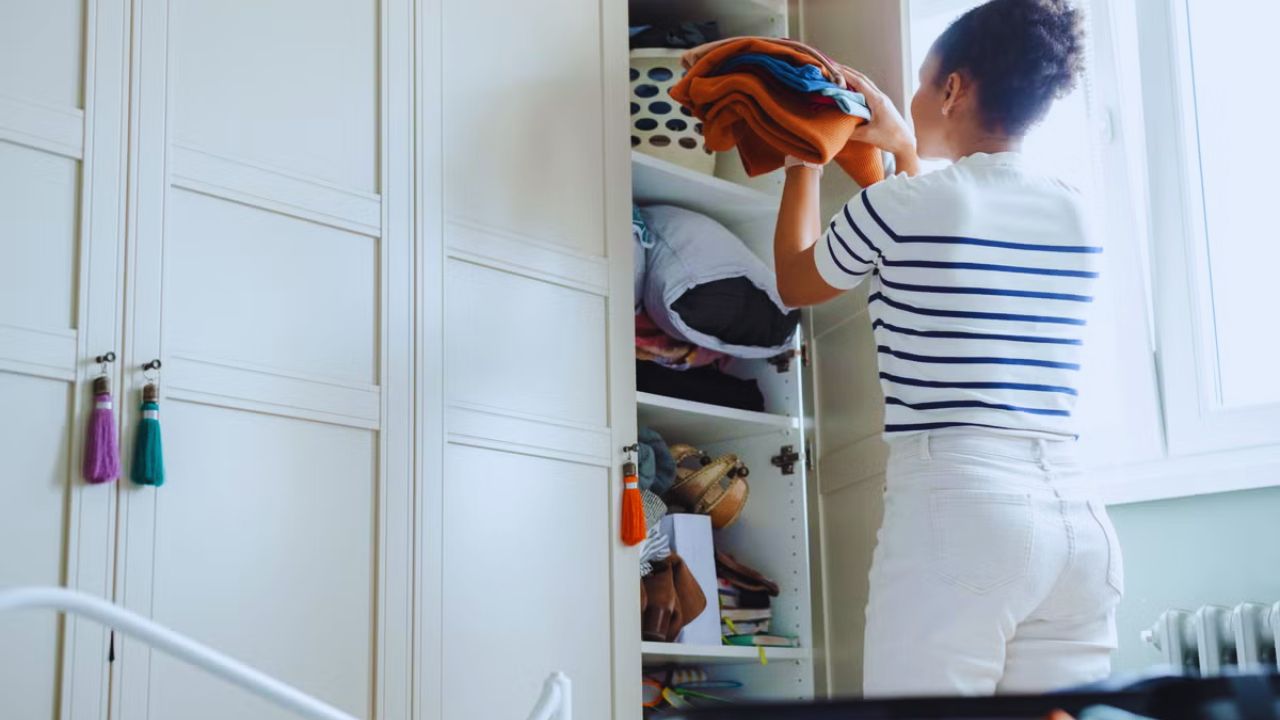
Many organizing projects fail because they begin too big. A whole room can feel overwhelming when papers, clothes, tools, and random items are mixed together. A small area gives you a clear finish line and faster progress.
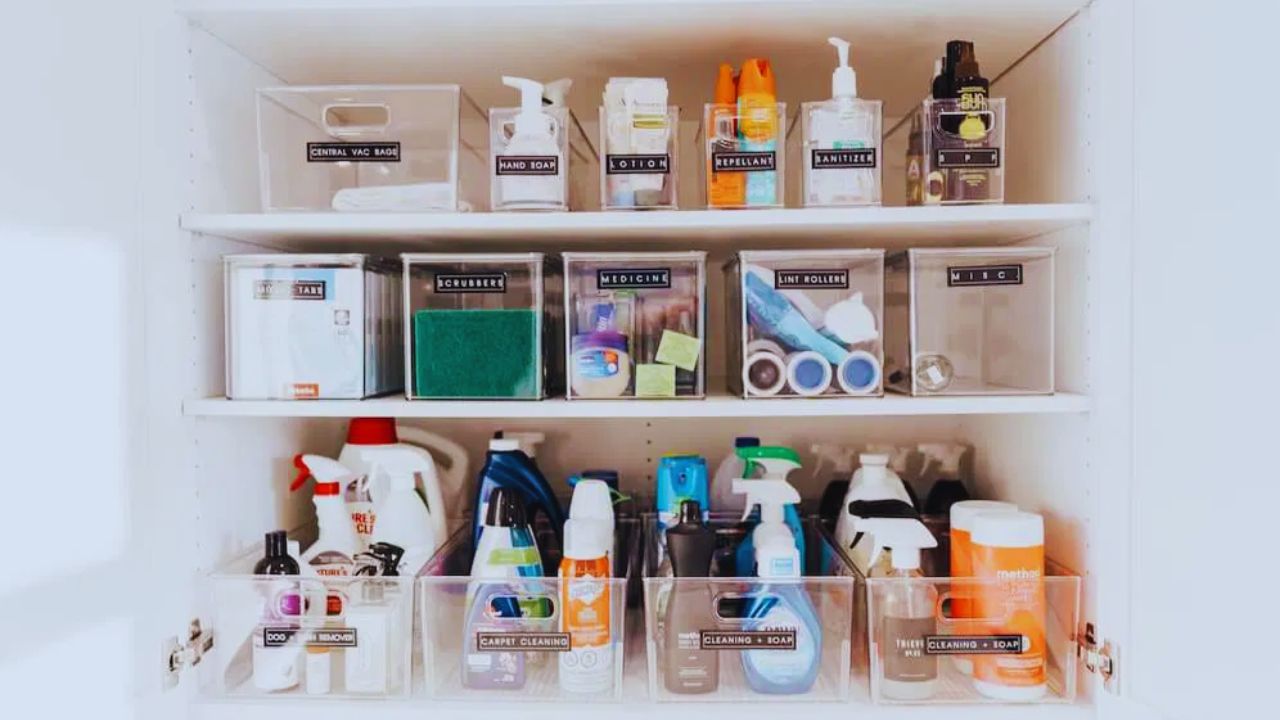
Choose one drawer, shelf, cabinet, counter corner, or entry table. Pick a space that affects your day, such as where you drop keys, prepare coffee, store cleaning supplies, or handle mail. When one area works better, repeat the same process elsewhere.
Choose a Micro Zone
A micro zone is a small section you can finish in one short session. It should be easy to empty, wipe, sort, and refill without disturbing the rest of the home. This micro zone helps you focus on one problem instead of trying to fix everything.
Pull everything out, wipe the surface, and return only items that belong in that spot. If the area has a clear purpose, it will be easier to maintain.
Define What Finished Means
Beginners often keep rearranging because they do not know when to stop. Before sorting, decide what “done” should look like. A clear finish might mean the drawer closes easily, the counter has open space, or the most-used item can be reached with one hand.
Keep the goal practical. A drawer needs to open smoothly, hold the right items, and stay easy to reset.
Use a Three-Group Sorting Method
Sorting becomes easier when you limit your choices. Instead of debating every item for too long, use three groups: keep, relocate, and remove. This sorting method gives every item a clear direction.
Keep means the item belongs in the space you are organizing. Relocate means you still use it, but it belongs somewhere else. Remove means it is broken, expired, duplicated, unused, or no longer needed.
Keep Only What Belongs There
The keep group should be smaller than the original pile. Only return items that match the purpose of the space. This keep pile should include things you use, need, and expect to find in that exact area.
For example, a kitchen drawer may hold measuring spoons, peelers, and food clips, but not batteries, receipts, or old keys. If unrelated items return, the space will become messy again quickly.
Move or Remove the Rest
Relocated items should not sit in a new pile for days. Carry them to the correct room before the session ends. This relocate step turns sorting into real progress.
Trash, expired products, broken pieces, and unusable items should leave immediately. Useful but unwanted items can go into a donation bag. Avoid a large maybe pile because it often becomes hidden clutter.
Also Read: How to Build Organization Habits at Home
Create Categories Before Buying Storage
Storage products can help, but they should come after sorting. Buying containers too early often hides clutter instead of solving it. Strong storage categories make it easier to know what type of container, shelf, or drawer section you actually need.
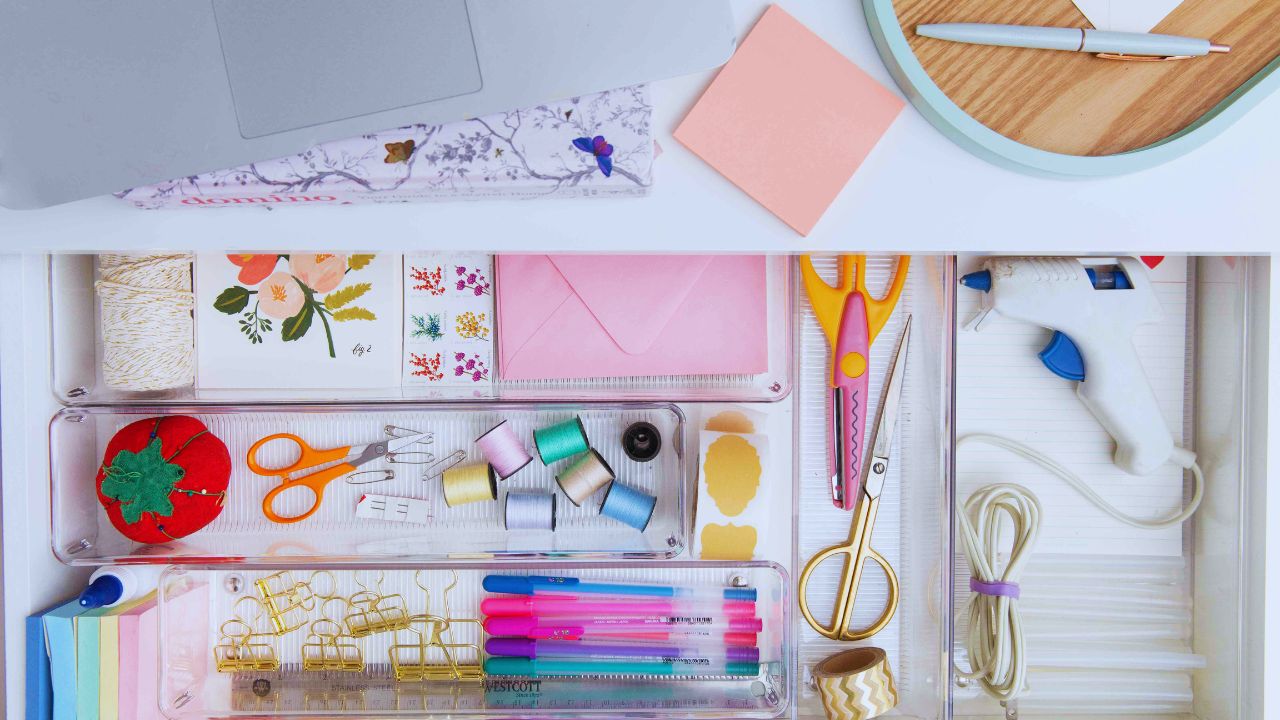
Group items by how you use them. Coffee supplies, cleaning tools, and repair items can each stay together. Broad categories are usually better for beginners because they are easier to maintain.
Group Items by Use
Organizing by use works better than organizing by appearance. In the kitchen, group items by routines such as cooking, baking, coffee, lunch prep, or food storage. This use-based grouping makes items easier to find and return.
When categories match real habits, you spend less time searching. You also notice duplicates faster because similar items are no longer scattered across different rooms.
Set a Limit for Each Category
Every category needs a boundary. That boundary can be one drawer section, basket, shelf, or small bin. A category limit keeps items from expanding quietly over time.
If the category overflows, reduce before adding more storage. Too many cables, bottles, snacks, or cleaning products can make even a large space feel crowded.
Place Items Where You Use Them
Good organization depends on placement. The most-used items should be easiest to reach, while rarely used items can go higher, deeper, or farther back. Smart placement reduces daily friction because items live near the actions they support.
If you open packages near the entry, keep scissors there. If you charge your phone by the sofa, keep the charger nearby. If towels are used daily, place them within easy reach.
Use the One-Step Put-Away Test
A system is more likely to last when putting items away takes one simple motion. If you have to move several things to return one item, the setup is too difficult. This one-step test shows whether your storage is realistic.
Use open bins, trays, or shallow baskets for items used often. Save lids, stacked boxes, and higher shelves for seasonal or backup items.
Label Only Where It Helps
Labels are useful when they remove confusion. Use simple words such as “batteries,” “snacks,” “mail,” “cleaning cloths,” or “chargers.” Clear simple labels help everyone return items without asking where they belong.
Do not label every tiny thing if it makes the system feel stiff. Label categories that commonly get mixed up or are shared.
Protect the System With a Daily Reset
Organization lasts when it has a small maintenance habit. A five-minute reset can protect the work you already did and stop clutter from spreading. This daily reset should focus on high-use areas, not the whole home.
Choose one time that already fits your day, such as after dinner or before bed. Clear two hotspot surfaces, return obvious items, toss trash, and place donation items near the exit.
Clear Hotspots Before They Grow
Most clutter starts on a few surfaces. The kitchen counter, entry table, dining table, bathroom counter, or bedroom chair may collect items quickly. A hotspot sweep keeps these areas from becoming bigger projects.
Spend a few minutes returning items to their homes. If something keeps landing in the same place, that may be a sign it needs a better storage spot nearby.
Conclusion: Start Small and Keep Going
Home organization works best when it starts small and stays realistic. Choose one micro zone, sort items into keep, relocate, and remove, then create categories before buying storage. Place items where you use them and keep labels simple.
The goal is not a perfect home. It is repeatable order that makes daily life easier. When each small system is easy to use and reset, your home becomes calmer without requiring a major organizing project.