A clean home does not need dozens of supplies or a routine that takes over your weekend. The most useful approach is to focus on small habits you can repeat in the rooms you use most.
This guide explains how to clean and maintain household items by preventing buildup, odors, moisture damage, and early wear. It is written for busy days, when a short reset is more realistic than a full deep clean.
Start With the Areas That Create the Most Daily Mess
The best place to start is not always the dirtiest room. It is the area that causes the most daily friction, such as a sticky kitchen counter, a damp bathroom mat, a crowded closet, or an entryway full of shoes.
These spots affect how the home feels because you see and use them often. Cleaning becomes easier when you focus on the problems that repeat.
A simple routine should move in a predictable order. Handle food-contact items first, then storage areas, then wet zones, and finally the surfaces people touch most.
This keeps the work practical and prevents you from bouncing around the house. The goal is not a showroom finish; it is a home that stays cleaner with less effort.
Keep Kitchen Mess From Becoming Sticky or Smelly
Kitchen care works best when residue is handled while it is still fresh. Grease, crumbs, water, and food splatter become harder to remove when they sit too long.
Instead of waiting for a full kitchen cleanup, focus on the areas that affect cooking and odor first. Cookware, cutting boards, the fridge, pantry, sink, and trash zone all need short but steady care.
Clean Cookware Before Residue Hardens
Cookware lasts longer when you avoid harsh scraping and clean food residue before it dries fully. Rinse pans after they cool, wash with warm water, and use a gentle tool that will not damage the finish.
Metal scraping can create tiny marks where grime sticks more easily later. Soaking is often better than forcing a scrubbing battle.
Drying is also part of cookware maintenance. Pans, utensils, and lids can develop dullness, water spots, or rust when they are stored wet.
A quick dry after washing keeps them ready for the next use. This small step protects items used every day.
Let Cutting Boards and Prep Tools Dry Properly
Cutting boards hold moisture in tiny grooves, especially after chopping fruit, vegetables, meat, or strongly scented ingredients.
Washing them quickly helps, but drying them correctly matters just as much. Stand boards upright so both sides get airflow instead of leaving them flat on a wet counter. This helps prevent odor, staining, and warping.
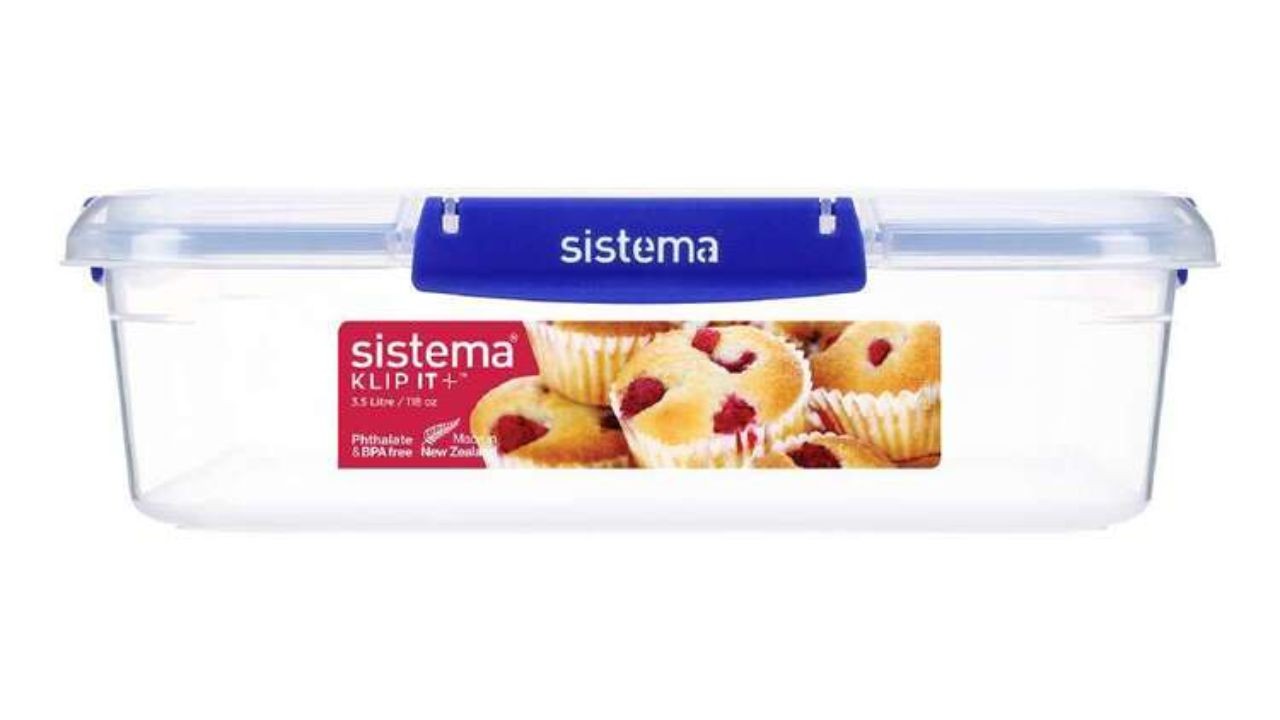
Prep tools should also dry before being stored. If containers, lids, or utensils go into a drawer while damp, they can develop stale smells or water marks.
Store boards and tools with a little breathing room so air can move around them. Good drying habits make kitchen maintenance simpler and more reliable.
Make Food Storage Easier to See and Use
Most fridge and pantry problems come from hidden spills, forgotten leftovers, and duplicate items. A weekly shelf check can prevent food waste and make cooking easier.
Clear one small area, wipe sticky spots, and move older items forward so they are used first. Visibility is often better than buying more containers or organizers.
Leftovers should be easy to identify. Clear containers help, but the real habit is placing food where you will actually see it.
If you often forget dates, add a simple label or keep leftovers in one part of the fridge. This prevents waste and reduces the chance of sour smells from forgotten food.
The pantry works best when similar items stay together. Snacks, grains, canned goods, baking items, and staples should each have a loose zone.
Labels are optional, but consistency matters. When food is easy to see and return, restocking becomes faster and overbuying happens less often.
Control Kitchen Odors at the Sink and Trash Zone
The sink and trash area can make the whole kitchen smell off, even when the rest of the room looks clean.
Food bits, damp cloths, grease, and trash residue collect around the faucet base, sink rim, drain, lid, and cabinet edge. A quick wipe after cooking can stop grime from spreading. These are small areas with big impact.
Empty trash before it overfills, and wipe the rim or lid if food residue touches it. Rinse the sink after dishes, clear visible debris, and dry the faucet base when possible.
Avoid leaving sponges or cloths bunched in the basin because they dry slowly and hold odor. Keeping this zone dry helps the kitchen feel cleaner between deeper resets.
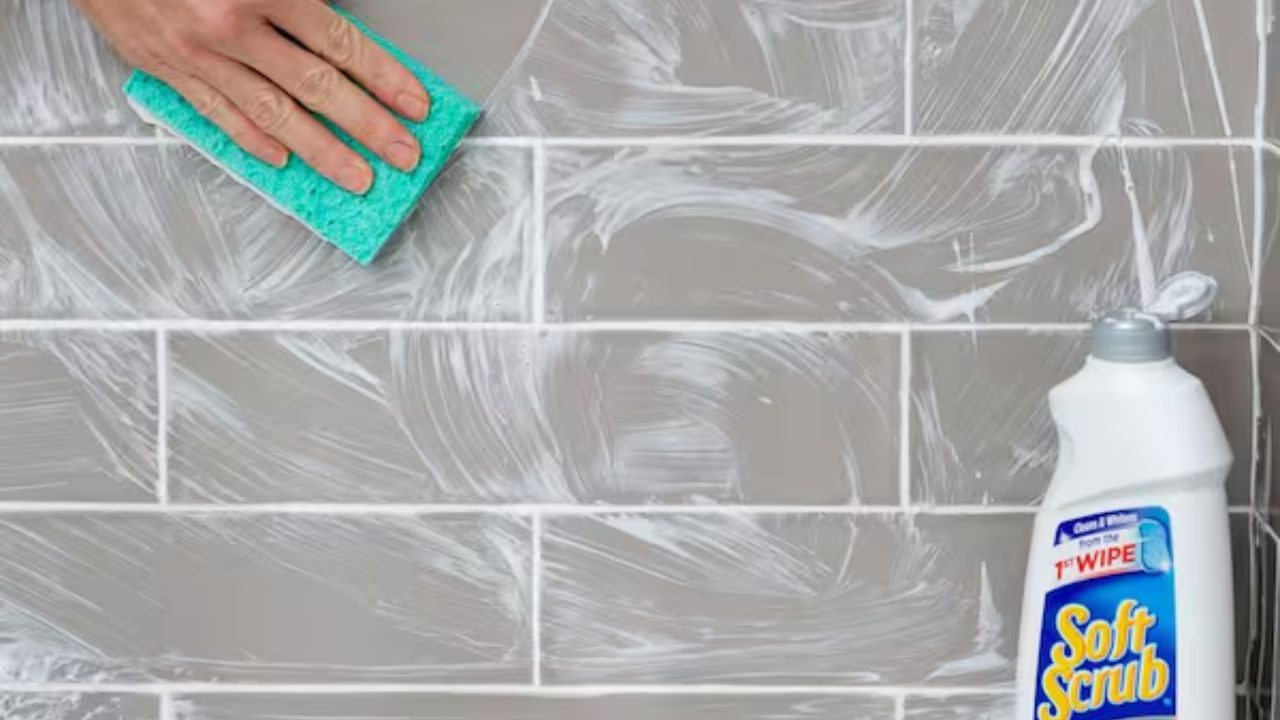
Prevent Bathroom Buildup With Water Control
Bathrooms become harder to clean when water, soap, toothpaste, and product residue dry repeatedly on the same surfaces.
You do not need to scrub the whole room every day, but you do need to control moisture where it collects.
The shower glass, tile line, sink rim, faucet base, toilet exterior, floor edge, towels, and mats all affect how fresh the room feels. Small resets prevent film, spots, and odor.
Use a One-Minute Shower Finish
Soap film builds when water dries on glass, tile, and fixtures. After a shower, rinse the main splash areas and remove water from the places where it sits longest.
You do not need to wipe every inch. Focus on the glass, tile line, shower edge, and tub rim for the fastest visible improvement.
This one-minute finish reduces the need for hard scrubbing later. It also helps prevent cloudy buildup that makes the shower look older than it is.
If the bathroom has weak ventilation, leaving the door or curtain open can help surfaces dry faster. Airflow is one of the simplest bathroom fixes.
Keep the Sink and Counter From Collecting Rings
The bathroom sink collects toothpaste, soap, water marks, and product residue throughout the day. Wiping the sink rim and counter after busy morning or evening use keeps those marks from drying into haze.
A damp cloth is usually enough for light residue. Rinsing and drying the faucet base helps prevent rings, smears, and dullness.
The key is not to turn this into a full bathroom clean. Treat the sink as a daily touch zone that needs small, regular attention.
When it stays clear, the whole room feels more maintained. It also makes weekly cleaning faster and less frustrating.
Clean Hidden Bathroom Areas That Cause Odor
Many bathroom smells come from places people do not check first. The toilet exterior, seat hinges, handle, base edge, and floor line behind the toilet can hold dust, moisture, and small splashes.
If the bowl is clean but the room still smells off, these areas may be the reason. Hidden edges often create lingering odor problems.
Wipe these zones lightly and dry the floor instead of soaking it. Too much water near seams can create more problems, especially around flooring edges.
Keep items off the floor near the toilet so cleaning stays quick. A clearer space helps prevent odor from building quietly.
Towels and mats also need attention because damp fabric changes how the bathroom smells. Hang towels flat so air reaches more surface area, and rotate bath mats so one can dry fully.
Wash them on a steady schedule before the odor becomes obvious. Dry time is more effective than fragrance.
Protect Clothes, Bedding, and Closet Space
Bedroom and closet care becomes easier when you protect fabrics from dampness, friction, and overcrowding. Clothing damage often starts with rough washing, overstuffed storage, or leaving items damp too long.
Bedding can also hold sweat and moisture even when it looks clean. Small habits help prevent fabric wear and stale odors.
Sort and Dry Laundry With Less Damage
Laundry does not need a complicated system, but some separation helps. Heavy items like jeans and towels should not always wash with lighter shirts or delicate fabrics because the friction can cause pilling, stretching, and roughness.
Turning dark clothing inside out can also reduce fading. These small choices protect clothes you wear often.
Overloading the washer creates problems too. Clothes may rinse poorly, hold detergent residue, or dry unevenly.
Use the right amount of detergent rather than adding extra, because too much soap can leave buildup. Dry items fully and remove them promptly to reduce wrinkles and musty smells.
Give Closets Enough Breathing Room
Closets stop working when clothes are packed so tightly that hangers cannot move. Give hanging items enough space so fabric does not bunch, crease, or stretch.
Fold knits and heavier sweaters instead of hanging them if they lose shape easily. Space makes clothing care easier and more practical.
Off-season items should not compete with everyday clothes. Move them to a higher shelf, bin, or separate area so daily outfits stay easy to reach.
When you can see what you own, you are less likely to overbuy duplicates. A less crowded closet also makes daily dressing less stressful.
Keep Beds Fresh Without Special Gear
Mattresses and pillows need simple protection, not a complicated care routine. Bedding should be washed regularly, and the room should get airflow so moisture does not stay trapped.
Pillows benefit from being fluffed and rotated so they do not flatten in the same place. These habits help maintain comfort and freshness.
A washable mattress protector can reduce the risk of permanent stains from sweat, spills, or daily use. It also makes routine cleaning easier because the washable layer takes most of the wear.
Keep the bed dry and avoid covering damp bedding too quickly. Moisture control matters as much as regular washing and rotation.
Small repairs also help clothes and linens last longer. Treat stains quickly with cold water and blotting instead of rubbing aggressively.
Loose buttons, small tears, and stray threads should be handled early before they spread. Fast attention can save items from early replacement.
Also read: How to Keep Items Working Well
Stop Dirt and Clutter at the Entryway
Entryways and living areas stay easier to maintain when dirt is stopped near the door. Most floor grime starts with shoes, bags, wet footprints, and outdoor grit.
A durable mat helps, but it only works if it is shaken, cleaned, and used consistently. The first few steps inside the home are the highest-impact cleaning zone.
Vacuum or sweep the entry path before grit travels farther into the house. Wipe wet footprints quickly, especially on hard floors where dull marks can dry in place.
Keep shoes in one area and avoid letting bags pile across walkways. Controlling this zone reduces cleaning work in other rooms.
Keep Living Room Surfaces and Soft Items Manageable
Living rooms collect dust because they are used constantly. Shelves, tables, screens, remotes, decor, and electronics gather small particles that become harder to wipe when clutter sits too long.
A weekly light wipe is usually enough if surfaces are not overloaded. Less clutter means faster, smoother cleaning.
Soft items need light maintenance before crumbs and dust settle deep into seams. Vacuum cushions, rug edges, and high-use seating areas regularly.
Blot spills quickly instead of scrubbing because rubbing can push liquid deeper and damage fibers. This protects upholstery, rugs, and throws.
Small item control also matters in shared spaces. Keys, chargers, mail, earbuds, and remotes create stress when they do not have a reliable place to land.
Use one tray, bin, or folder near the door or main living area, then reset it at night or once a week. A simple home for small items prevents daily clutter from spreading.
Conclusion: Keep the Routine Practical Enough to Repeat
The best care plan is the one you can repeat without thinking too much. When you know how to clean and maintain household items in a realistic way, you focus less on deep cleaning and more on preventing damage early.
Start with the kitchen sink, bathroom moisture, laundry habits, entryway grit, or one clutter zone that keeps returning. A small reset is often enough to get the home back on track.
You do not need many supplies or a perfect schedule. What matters is a consistent order, gentle cleaning, proper drying, and storage that supports daily life.
If you fall behind, restart with one room and one quick action instead of trying to fix everything at once. Keeping the routine practical makes progress easier to maintain long term.