Most homes do not need complicated systems to stay in good shape. Items usually last longer when you handle moisture, residue, friction, and storage before they turn into bigger problems.
This guide is for people who want to care for household items properly without adding long cleaning sessions to an already busy routine.
The focus is practical upkeep that protects your home, reduces waste, and keeps everyday spaces easier to use.

Start With the Items You Touch Every Day
The easiest place to begin is with the items and surfaces you use constantly. Kitchen handles, bathroom fixtures, towels, counters, floors, furniture edges, and storage bins show wear faster because they are part of your daily routine.
When these areas are maintained regularly, the whole home feels easier to manage. Small habits work because they protect the areas under constant use.
A good routine does not need to cover every room at once. It should focus on the places where damage starts quietly: damp fabric, sticky handles, wet sink edges, dusty surfaces, and overcrowded storage.
These details may look minor, but they often lead to odors, stains, scratches, and early replacement. Paying attention to them helps prevent small issues from spreading.
Keep Kitchen Surfaces From Turning Sticky
Kitchen items wear down faster when grease, crumbs, water, and food residue sit too long. The goal is not to deep clean after every meal, but to remove fresh residue before it hardens.
Counters, handles, sink edges, and the stove area deserve the most attention because they collect oils and crumbs quickly. A short wipe after cooking can prevent sticky buildup and dull surfaces.

Focus on Handles, Counters, and the Sink
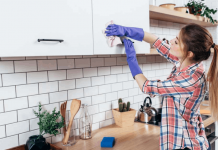
Handles and counters collect fingerprints, cooking oils, and small food particles during normal use. Wiping them soon after cooking is easier than scrubbing later, especially near the fridge, stove, and cabinet doors.
A damp cloth is often enough for fresh residue, while a mild cleaner can help if the surface feels greasy. The main habit is cleaning before grime hardens.
The sink also needs quick attention because food bits and water collect around the rim. Rinse the basin after dishes, clear visible residue, and dry the faucet base when you can.
This prevents dull spots, water marks, and odor around the drain. Keeping one cloth nearby makes the habit easier to repeat without turning it into a bigger task.
Handle Cookware and Containers Gently
Cookware lasts longer when it is cleaned gently and dried fully before storage. Let hot pans cool first, rinse away loose residue, and avoid scraping unless the food is truly stuck.
Harsh pressure can damage coatings, while trapped moisture can create rust or stains. Gentle handling protects pans, boards, and containers that you use often.
Cutting boards should dry upright so both sides get airflow. Containers should be stored only when the inside is fully dry, especially if they have lids that trap moisture.
If you stack them while damp, odors can develop even when they look clean. This is a small detail, but it helps prevent stale smells and storage mess.
Use the Fridge and Pantry With Better Visibility
Food waste often starts when items disappear behind newer groceries. A quick fridge scan before shopping helps you use what you already have and avoid buying duplicates.
Move older food forward, keep leftovers where you can see them, and wipe spills before they dry into sticky marks. Visibility protects your budget and storage space.
The pantry works better when dry goods are sealed and grouped in a simple way. Snacks, staples, baking items, and canned goods should be easy to identify without digging.
If you often forget leftovers, adding a simple date label can help you use them sooner. The goal is not a perfect pantry, but a setup that prevents waste, pests, and odor.
Control Bathroom Moisture Before It Causes Damage
Bathrooms create wear because water and steam collect in corners, fabrics, fixtures, and floor edges. A bathroom can look clean and still smell damp if towels, mats, or hidden edges hold moisture.
The most useful habit is drying the areas that stay wet longest. Moisture control prevents odor, film, and surface damage.
After showers, run the exhaust fan longer than the shower itself if possible. Leave the door open briefly when ventilation is weak, and hang towels open so air reaches the thick parts.
Bath mats should not stay damp on the floor all day. These small steps help the room dry faster and reduce musty smells between cleanings.
Clean Touch Points Without Scrubbing the Whole Room
Bathroom touch points collect grime because they are handled every day. The faucet, flush handle, door knob, sink rim, and light switch can make the room feel dirty even when the rest looks fine.
A quick wipe on these areas saves time because you avoid unnecessary full-room scrubbing. Targeted care keeps high-use areas fresher.
The sink rim deserves regular attention because toothpaste, soap, and water marks dry there quickly. Rinse the residue, wipe the faucet base, and dry the area to prevent haze.
If your cleaning cloth is already worn or dirty, replace it instead of smearing residue around. Clean tools make quick maintenance more effective.
Check the Toilet Base and Floor Edge
Lingering bathroom odor often comes from areas that are easy to miss. The toilet base, floor edge, and the space behind the toilet can hold dust, moisture, and small splashes.
Wipe the base line lightly and dry it instead of soaking the floor. This prevents hidden odor and floor damage.
Do not let clutter collect around the toilet or sink area. When the space is crowded, quick cleaning becomes harder and moisture stays trapped.
Keeping the area clear makes weekly maintenance faster. The cleaner the edges stay, the less often you need heavy bathroom scrubbing.