Clutter builds quickly in busy homes when routines are not clear. You save time and reduce stress when everyday items have fixed, easy-to-reach places.
Simple home organization tips work because small, repeatable actions keep each room functional and prevent clutter from spreading. Start with one area, finish it, and build habits that make the system easy to maintain.
In this article, you’ll learn how to organize your home by using the tips that actually work. You can go through the different sections of your home and ensure that you and your family can live comfortably.
Why You Should Start Organizing Your Home
Organizing your home helps you save time, reduce stress, and make daily routines easier to manage. When items have clear places, you spend less time searching and more time focusing on what matters.
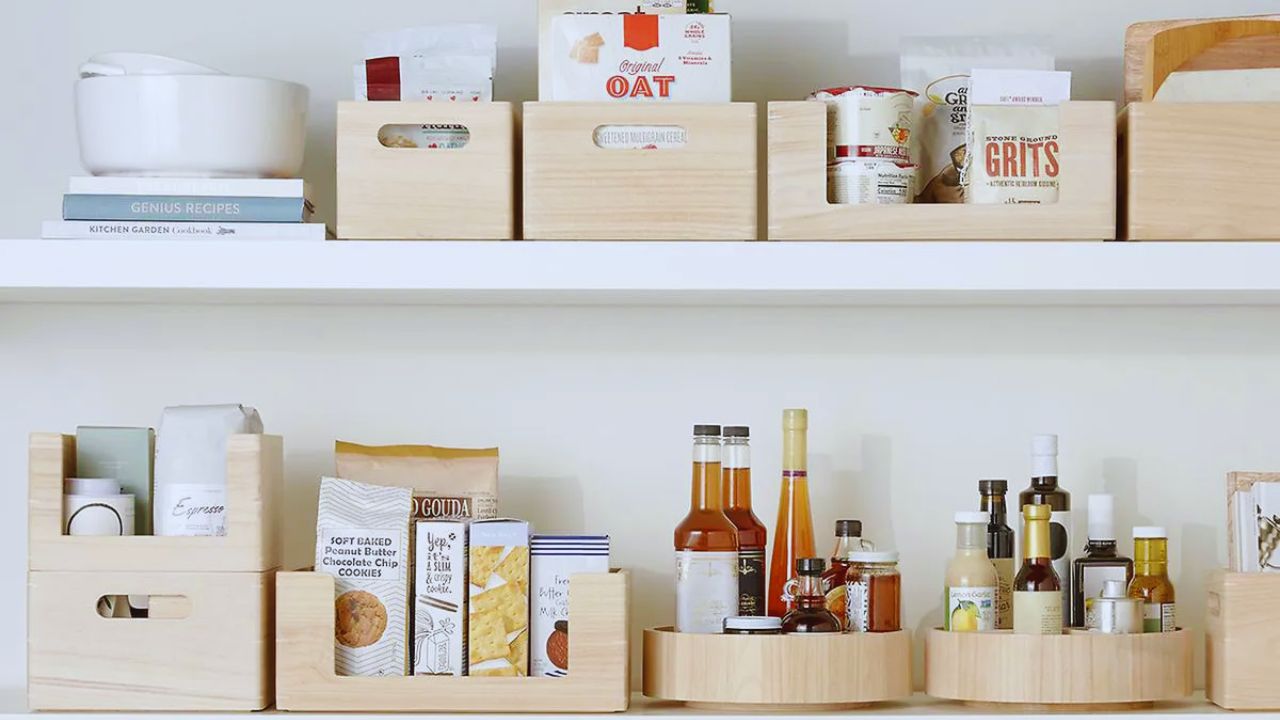
A tidy space also makes cleaning faster because surfaces, drawers, and storage areas are easier to access.
Organization can prevent unnecessary spending by letting you see what you already own before buying more. It also improves safety by keeping walkways clear and reducing piles that can cause accidents.
Home Organization for a Better Family Life
For families, an organized home creates a better structure because everyone knows where things belong. It supports productivity by reducing distractions and making work, study, cooking, and planning easier.
A well-organized home also feels calmer and more comfortable, which can improve your overall mood. More than appearance, home organization creates a practical system that helps your space work better every day.
Why Organizing Your Home in Sections is Much Better
Organizing your home in sections is better because it keeps the process manageable, focused, and easier to complete.
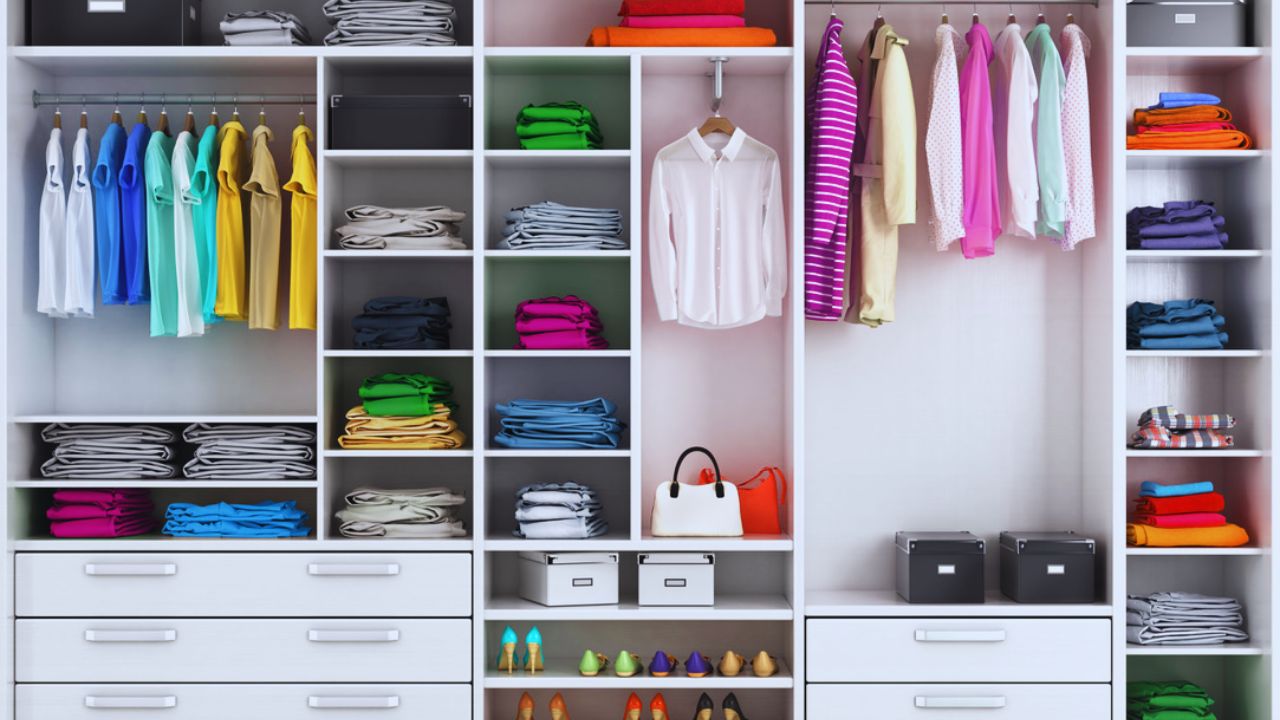
When you work on one area at a time, you avoid turning the entire house into a bigger mess.
This approach also helps you make clearer decisions because you deal with only a limited number of items at a time. It reduces stress and gives you visible progress faster, which makes it easier to stay motivated.
Sectioning Your Work Can Also Segregate Your Tasks
Section-by-section organizing also helps you understand the purpose of each space, whether it is a drawer, closet, cabinet, room, or storage area. You can sort, remove, clean, and arrange items with more control.
This method also makes maintenance easier because each section has its own system. Instead of trying to fix everything at once, you build order gradually.
Over time, small completed sections create a home that is easier to use, clean, and maintain. You can even distribute different tasks to each family member who wants to help you with organizing your home.
Also Read: How to Declutter Your Home Without Stress
Simple Home Organization Tips That Work
Home organization should be approached with careful planning to make the entire experience stress-free.
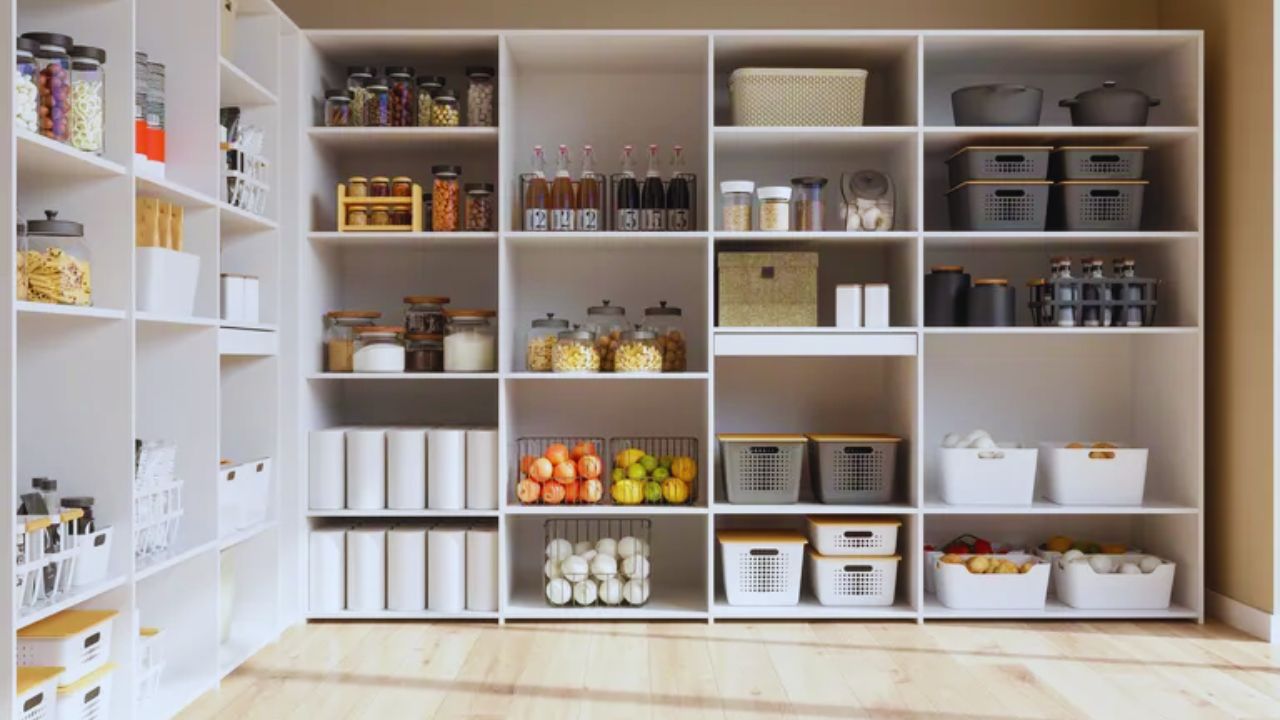
This is why you need to work in small sections at a time. Working through small sections of your home allows you to focus your energy and creativity. It can also help you save a lot of effort from going back and forth with your work.
While it can be painstakingly long, the results will always be worth it, especially when you apply these simple tips below.
Managing the Chaos That is Your Kitchen
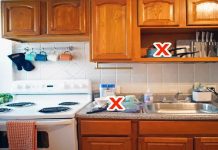
Start by clearing countertops and keeping only daily-use items visible, such as the coffee maker or cutting board. Group kitchen items by purpose: cookware near the stove, utensils near prep areas, and plates near the dishwasher or dining space. Store dry goods in clear containers so you can see what needs restocking.
Keep spices, oils, and seasonings in one reachable area to make cooking faster. Use drawer dividers for utensils, measuring tools, and small gadgets. Check the fridge weekly and remove expired food. Place rarely used appliances in higher cabinets. Maintain the system with a five-minute reset after meals.
Declutter Your Pantry
Start by removing everything from the pantry and checking expiration dates. Group items by category, such as grains, canned goods, snacks, baking supplies, spices, and breakfast foods. Place frequently used items at eye level and store backup products on higher or lower shelves.
Use clear bins or labeled containers to keep small packets, pasta, rice, and dry goods together. Keep older items in front so they get used first. Avoid overbuying by checking your pantry before shopping. Wipe shelves regularly to prevent crumbs and spills. Do a quick weekly review to keep the pantry clean, visible, and easy to manage.
Make Your Living Room a Room for the Living
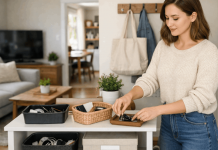
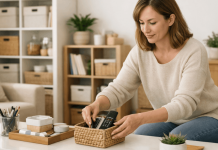
Start by removing items that do not belong in the living room, such as dishes, laundry, mail, or personal clutter. Assign fixed places for remotes, chargers, magazines, blankets, and toys. Use baskets, trays, or small bins to group loose items without making the room look crowded.
Keep surfaces clear by limiting coffee table décor to a few useful pieces. Store extra blankets and pillows in a basket or storage ottoman. Arrange books, games, and media by category. Do a quick reset every evening so the living room stays clean, comfortable, and ready to use.
Instill Peace in Your Bedroom
Start by clearing nightstands, dressers, and chairs of items that do not belong in the bedroom. Keep only daily essentials near the bed, such as a lamp, book, charger, or water glass.
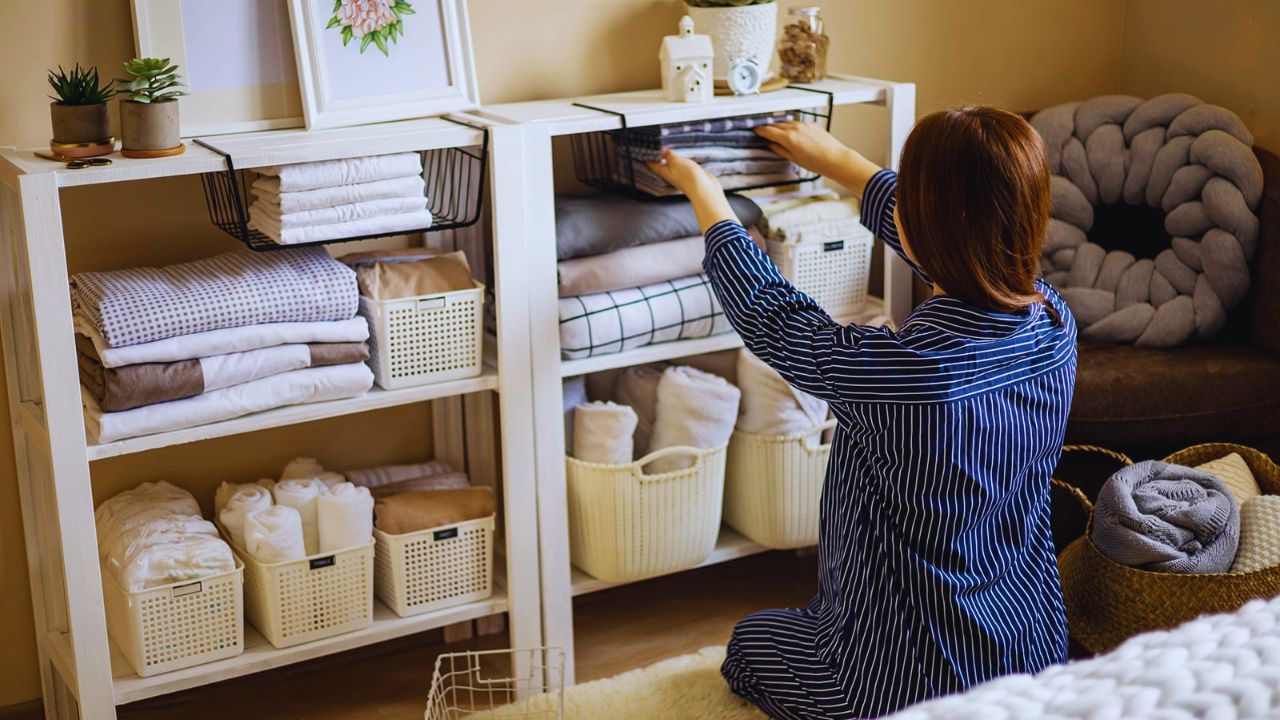
Sort clothes by category and store them in drawers, closets, or baskets immediately after laundry. Use drawer dividers for socks, underwear, accessories, and small items.
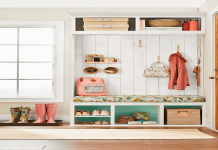
Keep shoes in one assigned area instead of spreading across the floor. Store seasonal clothing under the bed or on higher shelves. Make the bed each morning and do a quick five-minute reset before sleeping.
Dealing with the Messy Bathroom
Start by removing expired products, empty bottles, and items you no longer use. Group bathroom items by purpose, such as skincare, haircare, dental care, medicine, cleaning supplies, and towels.
Keep daily essentials on a tray or in one easy-to-reach drawer. Use small bins or dividers to organize cabinets and prevent products from mixing.
Store extra toiletries in labeled containers under the sink or on a shelf. Keep counters as clear as possible to make cleaning faster. Hang towels properly after use and replace them regularly. Do a quick weekly check to control clutter and restock essentials.
Conclusion
Many of the tips mentioned above are very simple and do not even require a ton of preparation work. Organizing, cleaning, and managing your home can take some time and tremendous effort, but through these simple yet effective tips, you might lessen the extra hard work and be stress-free.