Home Blog

How to Organize Your Home Step by Step

0

In busy households, clutter steals time and attention, then multiplies stress when items vanish. Under a simple, repeatable framework, it becomes practical to Organize Your Home Step by Step while cutting decision fatigue. 

Small wins compound when tasks shrink to manageable chunks and rules stay consistent. Research also links clutter to higher stress and weaker focus, which makes a clear plan worth the effort.

What “Step By Step” Means For Home Organization

A stepwise system reduces guesswork because each action has a defined purpose. Categories come first, containers second, labels third, and habits last. 

Organizing Your Home

Momentum grows when progress is visible, so start small, finish one contained area, then move forward. Perfection is not the goal; reliable retrieval is.

The Eight-Step Home Organization Method

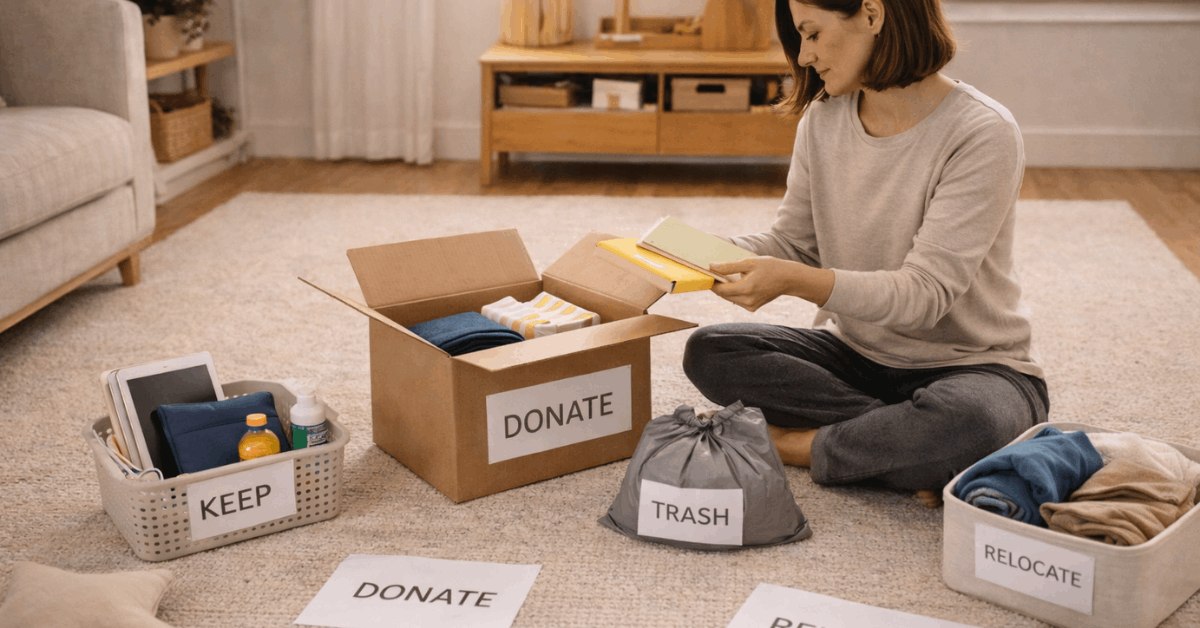
Clear expectations shorten the process and reduce backtracking. Start in a contained zone, avoid spreading piles across rooms, and finish decisions before moving to the next area. Keep a donate box and a trash bag within reach, and schedule drop-off dates so items leave the home on time.

1. Empty The Target Zone Completely

Taking everything out creates a true inventory and exposes unused or broken items. Work in segments if a full room is unrealistic, such as one cabinet, one drawer, or one shelf run. Photograph the empty space if helpful for planning shelf heights and bin sizes.

2. Declutter Aggressively

Set fast rules to protect time: used in the last year, needed for a defined task, or deeply valued. Items that fail those rules exit quickly. Reduce duplicates to reasonable quantities tied to lifestyle, then decide on donate, sell, or toss without second-guessing.

3. Group Like Items Together

Place items in clear categories that match how the space will be used. Pantry examples include baking, snacks, grains, and spices. Closet examples include workwear, casual, and seasonal. Grouping reveals excess, sets container sizes, and eliminates hunting.

4. Contain Categories Neatly

Choose containers that fit shelves and protect the contents. Repurpose boxes first, then invest where durability matters. Stackable bins work for light items, drawers work for things accessed often, and open baskets work for daily grab-and-go.

5. Label For Retrieval

Labels make systems visible to everyone and reduce re-sorting. Print simple tags or use a label maker, then place labels on the front and top where possible. When several small categories live inside a larger bin, add an index card listing contents to speed searches.

6. Return Items By Frequency

High-use items sit at eye level and within arm’s reach, while seasonal or bulky items sit higher or lower. Keep heavy items between knee and shoulder height to reduce strain. Leave buffer space so the system tolerates incoming items without overflow.

7. Build Micro-Habits To Maintain Order

Place a “reset” reminder where clutter reappears. Set a two-minute pickup rule after meals or after work sessions. Tie resets to existing anchors, such as brewing coffee, starting the dishwasher, or powering down devices.

8. Review and Adjust Without Guilt

Systems evolve as routines change. Replace stacks that block access with drawers, rotate categories that drift, and upgrade containers only where failure repeats. The goal is a friction-light space that you can run on autopilot most days.

Room-By-Room Starting Points

Different rooms fail for different reasons, so target the fastest visible wins first. Quick transformations reinforce the process and make it easier to continue. Treat this as room by room organization rather than a whole-house sprint.

Kitchen

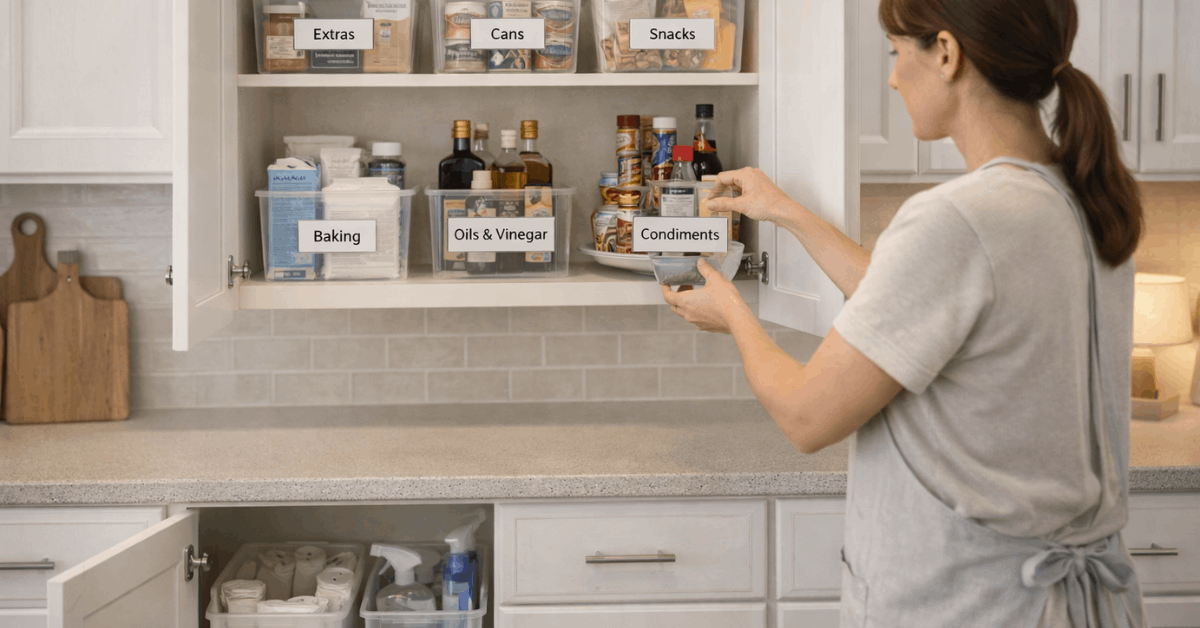
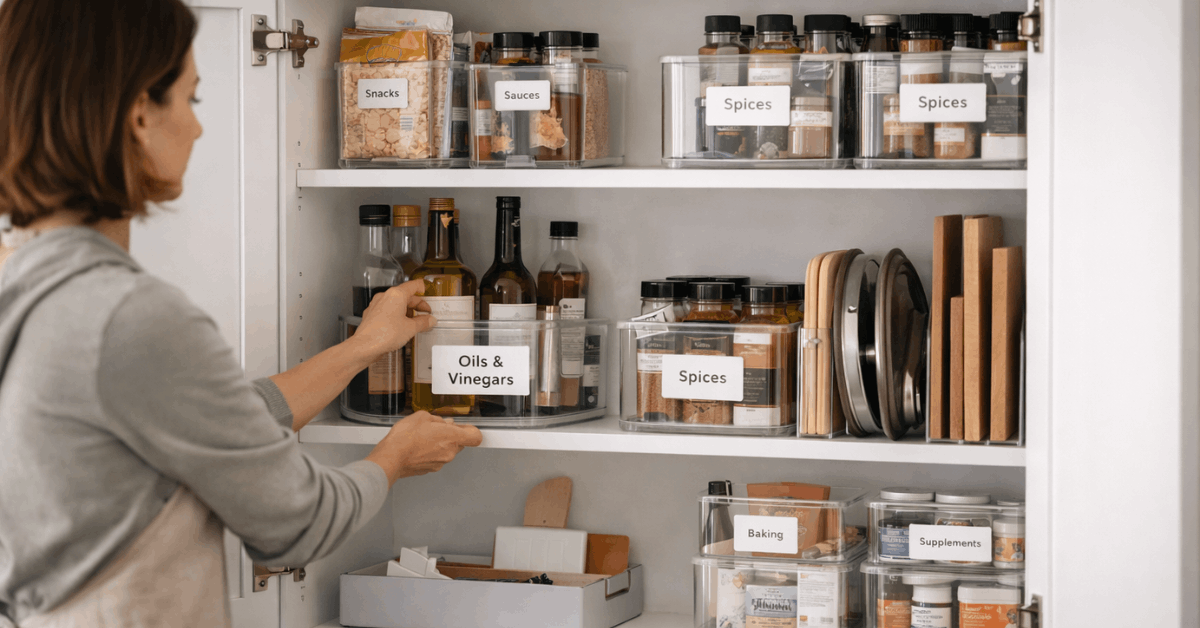
Start with the refrigerator and pantry because expired items leave quickly and free space for better category flow. Use shallow bins for packets, lazy susans for oils, and clear canisters for common grains when the budget allows. Place daily mugs and dishes near the dishwasher for shorter cycles.

Bedroom and Closet

Empty the closet in sections and run a short try-on session for fit and damage checks. Separate career wear, casual wear, workout gear, and sleepwear. Use slim hangers for density and shelf dividers for sweaters that slump into piles.

Bathroom

Limit backups to one open and one spare for each consumable, then store extras together. Use drawer inserts for daily kits, such as morning skincare and evening skincare, so routines stay fast. Keep travel sizes in a labeled pouch near luggage.

Entry And Living Areas

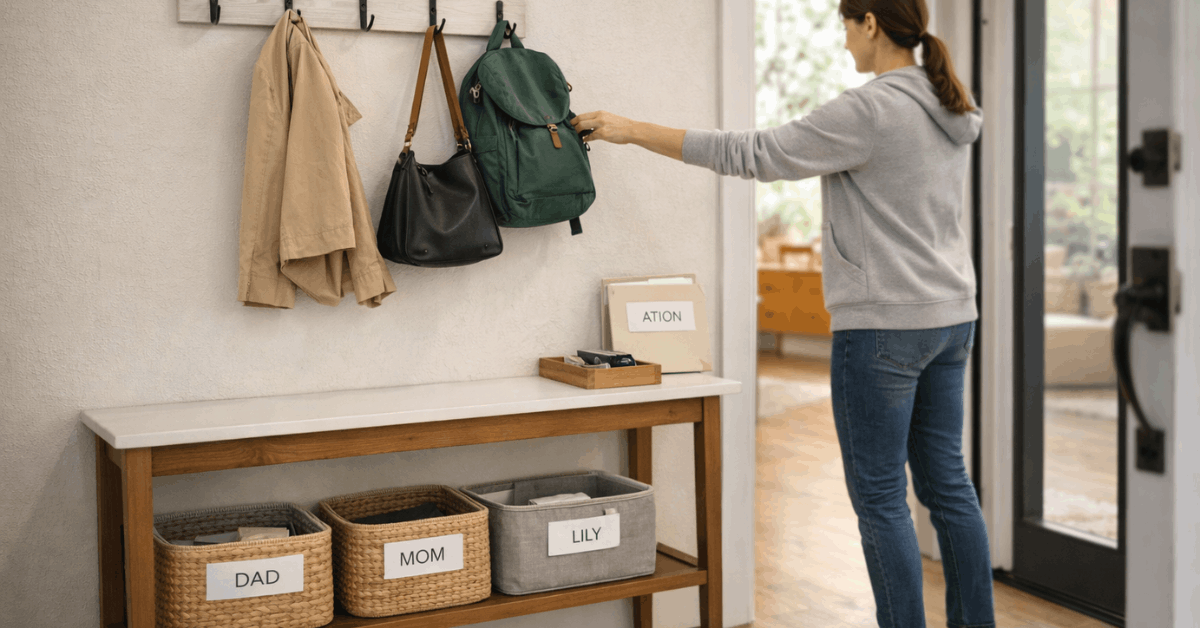
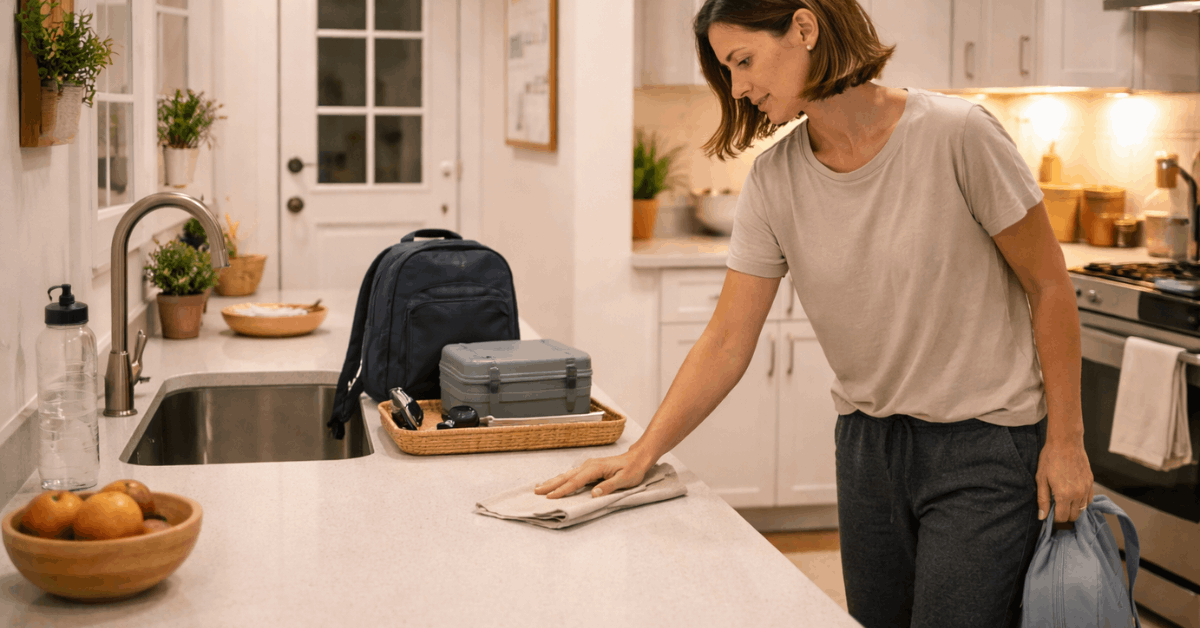
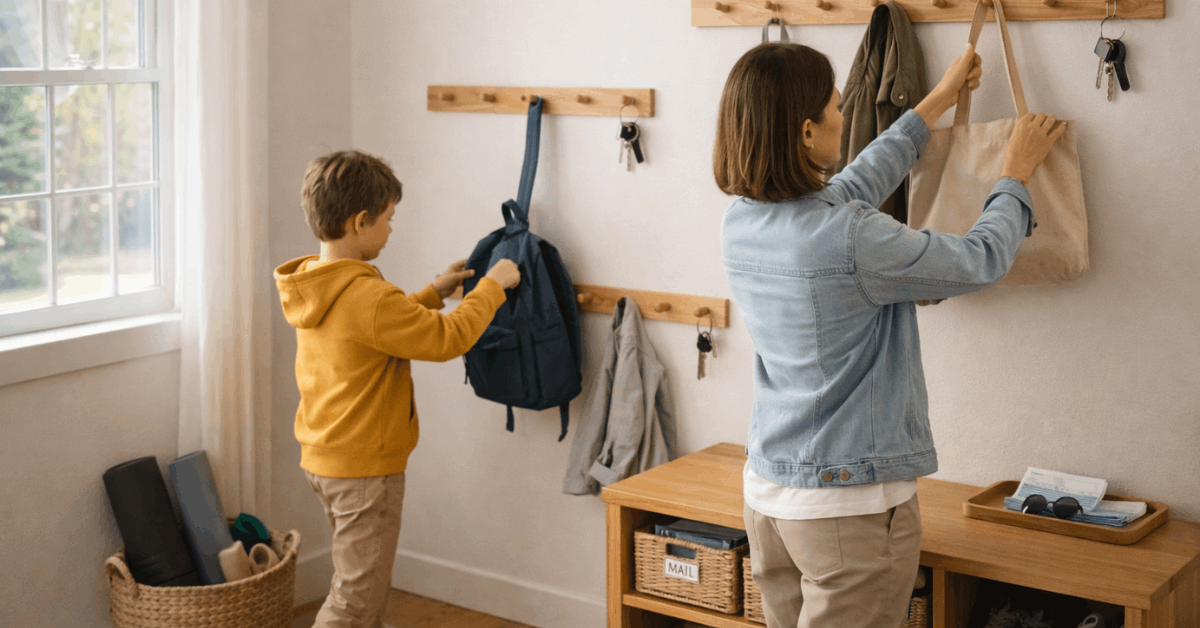
Create a landing zone that actually matches daily traffic. One tray for keys, one bin for mail, and one hook per person ends most pileups. Use closed storage for toys and remotes so surfaces reset quickly after use.

Five-Minute Habit Loops That Keep Spaces Tidy

Short loops prevent backlog and protect weekends. Pair each loop with a trigger so it happens without debate. Consistency matters more than duration, and five minutes beats a skipped hour.

  • Run a two-minute counter sweep after cooking, returning tools to designated homes.
  • Stage a nightly laundry prep, loading the machine so mornings start the wash immediately.
  • Do a quick paper triage at the mail drop: recycle, action this week, file, or shred.
  • Reset living areas after the last screen is off, returning blankets, remotes, and chargers.
  • Set an end-of-week pantry scan to add staples to a shared list and clear expired items.

Labeling and Storage On A Budget

Beautiful containers can help; however, systems succeed without expensive hardware. Reuse shipping boxes inside deeper cabinets, then graduate to sturdier bins only for zones under strain. 

Painter’s tape and a marker label faster than any craft project, and invite updates when categories shift. When budgets allow, invest in storage bins and labels that match shelf depth and typical load so replacements are rare.

Decluttering Decision Guide

Clarity speeds decisions and lowers fatigue. Use this quick guide while sorting, then act immediately so items leave the home on schedule.

What To Do With Each Item

Decision When It Applies Action To Take Storage Notes Follow-Up
Keep Needed, used, or truly loved Return to space Place at frequency-appropriate height Add to inventory list if critical
Donate Useful, safe, and clean Box and schedule drop-off Keep all donations in one staging bin Calendar a date within 7 days
Sell/Repurpose Higher value or easy resale List quickly or assign a deadline Store in a single lidded tote If not sold in 30 days, donate
Recycle Materials accepted locally Sort according to local rules Rinse containers to prevent odors Confirm accepted items seasonally
Trash Broken, unsafe, or expired Bag and remove the same day Use sturdy bags for weighty items Place for pickup immediately
Organizing Your Home

Small-Space Optimization Tips

Limited footage magnifies clutter, so emphasize vertical surfaces and multi-use furniture. Over-door racks fit pan lids, cleaning tools, or accessories. Under-bed drawers store off-season clothing, guest linens, or travel gear. 

Floating shelves above desks free up drawer space for essentials. A short list of small space storage ideas taped inside a cabinet keeps improvements rolling without a remodel.

Common Mistakes and Easy Fixes

Fast course corrections protect progress and morale. Treat these patterns as maintenance cues rather than failures.

  • Over-categorizing tiny groups that no one can remember, then abandoning the system. Merge micro-categories into broader families.
  • Buying containers first, then forcing items to fit. Measure the shelf, group items, then choose containers.
  • Stacking lidded bins that block daily access. Convert to drawers or front-opening bins in active zones.
  • Keeping backups scattered across rooms. Centralize extras in one labeled bin per category.
  • Skipping labels because the system feels obvious. Label anyway to align everyone and speed resets.

Maintenance Schedule and Review Cadence

A light cadence keeps order without marathon weekends. Daily loops cover surfaces and paper. Weekly reviews cover food, laundry, and shared spaces. Monthly checks handle one closet, one cabinet run, or one sliding category. 

Quarterly sessions review seasonal gear and rotate clothing. For many households, a daily cleaning routine paired with a monthly audit delivers stable results.

Case Snapshot: Applying The Method In A Closet

In a single afternoon, a standard wardrobe can move from scattered to searchable. Empty two sections, decide on keep, donate, recycle, or trash, then group by function and season. 

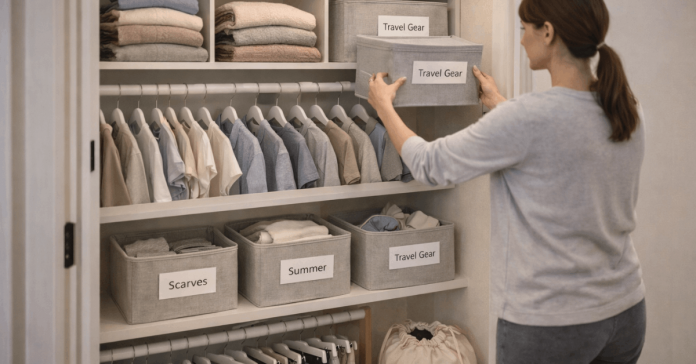
Install a second hanging bar for shirts and pants, add shelf dividers for knits, and label bins for accessories. A short index card inside the door lists categories so items return to their homes without debate.

Clutter Out, Calm In: A Practical Finish

After several focused sessions, the house starts cooperating again. Items appear when needed, flat surfaces invite work and rest, and chores stop ballooning into weekend projects. 

Treat these clutter-free living tips as maintenance, not an event: finish one zone, label clearly, review lightly, and adjust as routines change. Organized spaces reward consistency, not intensity.
Simple Home Organization Tips That Work

0

In busy homes, clutter creeps faster than routines can catch it. Stress drops and time returns when daily items live in clear, reachable places. 

Simple Home Organization Tips matter because small, repeatable actions stabilize every room and keep surfaces open for living. Start small, work room by room, and build habits that protect your effort.

Progress accelerates when each project uses the same straightforward workflow. One area, one pass, one set of containers, then a short maintenance loop. Momentum beats perfection every single time.

Simple Home Organization Tips That Work
Simple Home Organization

A Proven Organizing Workflow

Short projects succeed when the scope stays tight, and the steps stay consistent. Pick a drawer, a shelf, or a single cabinet and block thirty to sixty minutes. Keep a donation box and a trash bag nearby so decisions stick. Return to the same workflow whenever a new space needs order.

Step 1: Empty The Space Completely

Everything comes out, so the real volume becomes visible. A clean slate exposes duplicates, broken items, and misplaced categories. Large rooms can be split into zones, such as refrigerator, pantry, and base cabinets in a kitchen, or clothing, nightstands, and surfaces in a bedroom.

Step 2: Declutter Aggressively

Items that are broken, stained, expired, or unused get removed first. A clear rule helps: if an item has not been used in a reasonable season, let it go or relocate it to a more appropriate area. A simple home decluttering checklist kept on the counter keeps decisions consistent and fast.

Step 3: Group Like Items

Place items into logical categories, such as baking supplies, canned goods, spices, first aid, or stationery. Categories reveal duplicates and missing basics, plus they guide the size and number of bins needed later.

Step 4: Contain Each Category

Use containers to corral groups so they stay put in daily use. Shoe boxes, clear bins, drawer inserts, or pantry turntables all work. Containers inside larger containers help prevent drift, especially for craft supplies and small hardware. Label maker ideas help families return items to the correct bin without asking.

Step 5: Label Clearly

Labels speed retrieval and reduce guesswork. Printed tags, label-maker strips, chalk tags, or vinyl decals all qualify. Contents lists taped to interior lids help for deep storage, seasonal decor, and multi-item craft bins.

Step 6: Refill For Access

Frequently used items should sit at eye level or the front of drawers. Infrequent items move high or low. Keep heavy pieces safe and reachable, and park refill stock behind or beneath current inventory.

Step 7: Build A Return Habit

Order holds when items go back to their homes immediately after use. Short reminders on cabinet doors or mirrors reinforce the habit for the first few weeks. A thirty-second reset at meal breaks and bedtime keeps surfaces clear.

Step 8: Tweak Systems That Fail

Pretty solutions that block access get replaced. Stacked lidded boxes under a sink look neat, yet they slow down retrieval. Shallow drawers or pull-out caddies restore speed and end daily friction. Systems that match real behavior stay alive.

Room-By-Room Ideas That Save Time

Ideas below translate the workflow into practical, repeatable actions. Start where friction feels highest, such as the kitchen or entry. Keep categories tight, use containers that fit the space, and lean on labels that make sense to everyone using the area.

Kitchen

Fast access prevents countertop piles. Mount adhesive hooks or purpose-built hangers inside a sink cabinet for three everyday spray bottles. Rolling caddies transform the dark back of the under-sink space into visible, reachable storage. 

Tiered risers make canned goods visible, and a turntable keeps oils and condiments in rotation. Place garbage bags beside the trash can, not across the room. Practical kitchen storage ideas create shorter motions and fewer excuses.

Pantry

Vertical space above high shelves can be captured with tension rods that store paper towels upright. Clear bins divide snacks, baking items, and breakfast supplies. 

Categories printed on shelf-edge labels help everyone return items correctly. Simple pantry organization tips include a first-in, first-out rule for duplicates and a small basket for open packages that need finishing first.

Living Room

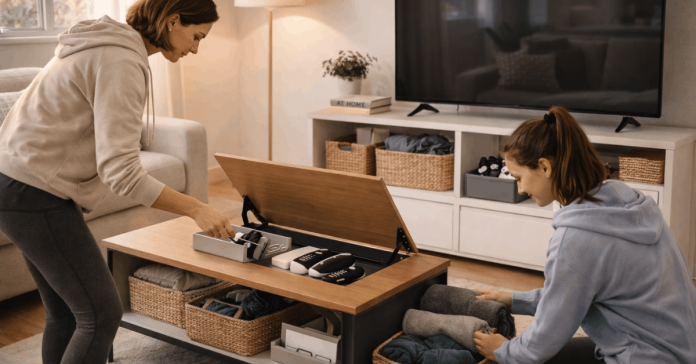
Flat surfaces become clutter magnets without boundaries. A large tray on the coffee table contains remotes, coasters, and a small box for cords. 

Closed media boxes hide game controllers and charging bricks. Magazine files corral manuals and thin books on a single shelf. These small moves turn living room organization into a quick daily reset instead of a weekend project.

Bedroom

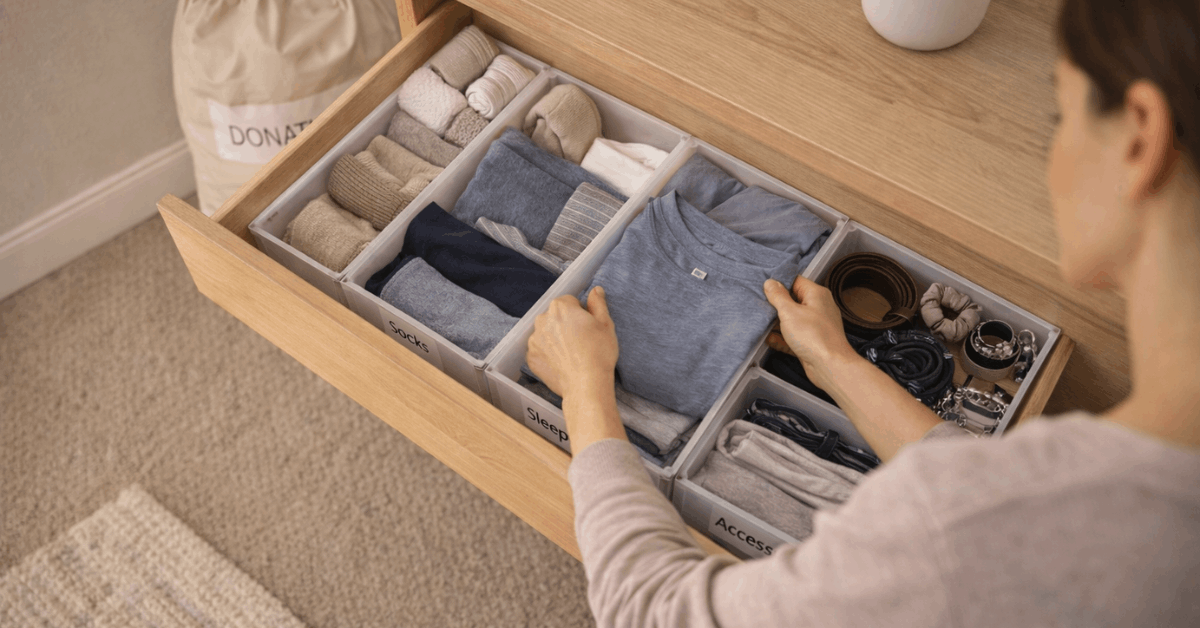
Drawers benefit from adjustable dividers that separate socks, sleepwear, and accessories. Off-season clothing moves to under-bed rolling bins to free up rod space. 

Keep a small donation bag on the closet floor and move one item into it each week that no longer fits or matches current use. Efficient bedroom closet organization reduces morning decision time and keeps surfaces visible.

Bathroom

Daily routines speed up when duplicates disappear, and backups live together. Use a shallow turntable under the sink for skincare and a clear bin for hair tools. 

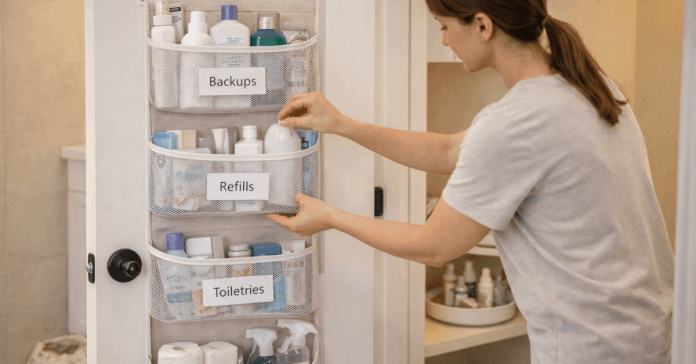
Over-the-door racks and slim behind-the-door cabinets capture vertical inches. Simple bathroom storage solutions keep counters clear and make wipe-downs fast.

Photos and Memorabilia

Bulky albums can be scanned, then stored in archival cases labeled by year or theme. Keep one small box for original irreplaceable prints. Digital backups preserve memories, and the shelf space returns to active household needs.

Tools and Storage That Stretch Space

Match container size to category size, choose clear when visibility matters, and use labels that a tired teenager can read at a glance. Durable pieces outlast spontaneous purchases and support the same system across rooms.

  • Clear Bins In Two Sizes: Large for categories, small for subcategories such as snack bars or travel bottles.
  • Drawer Dividers: Tall versions for deep drawers, low versions for utensils and gadget pockets.
  • Tiered Risers And Turntables: Risers expose labels on cans, turntables prevent bottle piles.
  • Over-Door And Behind-Door Racks: Hidden capacity for bathrooms, pantries, and utility rooms.
  • Rolling Caddies And Pull-Outs: Under-sink and base cabinets become fully accessible in seconds.

Maintenance Habits That Keep Order

Light, frequent maintenance protects every hour invested in setup. Micro-resets beat marathon cleanups and teach the household the new map of where things live. Tie habits to anchors that already happen daily, such as meals and bedtime.

Daily Reset

Ten minutes after dinner closes the kitchen: 

  • dishes in,
  • counters wiped,
  • hot spots cleared, and
  • trash checked.

Living areas get a tray check, pillows set, and stray cords returned to the tech box.

Weekly Sweep

Fifteen minutes per high-use room clears donations, recycles empties, and returns wanderers. A quick vacuum after the sweep locks in visual calm.

Monthly Review

A short shelf-by-shelf pass removes expired pantry items, duplicate toiletries, and outgrown clothing. Storage that feels tight signals a category to thin.

Visual Cues

Small sticky notes on interior doors for the first two weeks prompt returns. Shelf-edge labels, lid labels, and bin fronts do the rest.

Simple Home Organization Tips That Work
Simple Home Organization

Troubleshooting: When A System Fails

Frustration usually points to one of three issues: access, category, or capacity. Access means items sit too high, too low, or behind obstacles, which calls for pull-outs or a location change. 

The category means the group is too broad, so subdivide it, such as separating baking items into flours, sugars, and leaveners. Capacity means the container is too small for the actual volume, which requires a larger bin or a declutter pass.

Households evolve, so solutions must adapt. A growing hobby may need a dedicated cart near the workspace rather than a hallway closet. A child’s school routine may need a labeled basket by the door that holds a water bottle, ID, and small supplies. Systems that fit current life feel easy to use and therefore survive.

Quick Start Checklist

Clear next steps, remove decision fatigue, and get the first win on the board. Set a timer, choose a space, and keep only what serves the household today. Repeat the same moves next week in the next zone.

  • Choose one drawer, shelf, or single cabinet and set a thirty-minute timer.
  • Empty, declutter, and group like items into three to five clear categories.
  • Place categories into containers, then label fronts or lids for instant recognition.
  • Refill the space for access, keeping daily items at eye level or the front.
  • Schedule a ten-minute daily reset and a fifteen-minute weekly sweep in the calendar.

Last Thoughts

Small, repeatable steps turn cluttered rooms into predictable, easy spaces. Start where daily friction is highest, work one zone at a time, and let labels and containers carry the routine. When a system resists daily life, change the container or the location until the setup feels natural.

How to Declutter Your Home Without Stress

0

In busy seasons, clutter creeps from every corner and steals focus fast. Searches for ways to Declutter Your Home Without Stress point to dramatic resets, yet most households need calm, repeatable steps. 

A sustainable path favors small wins, smart categories, and simple rules that reduce decisions. Set a realistic pace, protect energy, and let the environment get lighter without shock tactics.

What Stress-Free Decluttering Really Means

Stress-free decluttering prioritizes low-friction choices, short work blocks, and clear finish lines. Emotional attachments and decision fatigue slow progress more than the number of items. 

Declutter Your Home

Practical systems reduce decisions, while kind rules protect favorite objects and daily comfort. Aim for progress that fits the week, not a marathon that invites burnout.

Core Principles For Calm Progress

Short context helps anchor the method and prevent overreach in early sessions. Use these principles as constraints that lower stress and guide consistent action. The goal is steady improvement without guilt, panic, or whiplash changes.

  • Set a small scope and a timer to prevent fatigue and second-guessing later.
  • Stage items outside their usual spots to evaluate them in neutral conditions.
  • Decide once using simple rules that match your space and routines.
  • Protect favorites intentionally so momentum never threatens identity or comfort.
  • Close sessions with a reset so surfaces return to clear baselines every time.

Why Categories Beat Rooms

Category work groups like items together, reduce context switching, and expose duplication instantly. Professional organizers often favor category passes because decisions stay consistent, which shortens each keep-or-let-go moment. 

APDO organizers and the KonMari framework both emphasize progressive categories, generally moving from easier groups to more emotional items. Start with clothing, then address books, papers, general household items, and finally sentimental pieces.

Twelve Tiny Tasks That Actually Work

Small, repeatable tasks lower the threshold to start and finish. A brief warm-up each day builds momentum while teaching what fits your life and home.

Create One Little Clutter-Free Space

Identify a single surface or corner to remain perfectly clear at all times. Treat this clutter-free starter zone as a daily reset anchor that reduces background stress.

Make A Junk Box, Then Hide It

Gather unidentifiable cables, old accessories, and odd objects into one sealed box. Store for thirty days and remove permanently if nothing is missed.

Expire Expired Items

Audit pantry goods, medication, sunscreen, and cosmetics using printed dates and safe disposal rules. Remove lapsed items to reclaim space and reduce decision noise.

Flip Hangers To Track Reality

Turn all hangers backward and flip each after wearing the item. Review after a set window and rehome the never-flipped garments.

Send Five Care Packages

Select five books for five people and add a short note. Clear shelf space while sharing value forward.

Clean Digital Surfaces

Archive the desktop, batch-delete duplicate photos, and empty downloads. Digital clarity eases mental load and mirrors physical progress.

Invite Kids Into A Challenge

Offer a reward for each set number of donation items collected together. Frame participation around teamwork and visible room wins.

Color-Label Decisions

Apply green labels to keep items and red to exit items, then package the reds immediately. Clear visual codes reduce hesitation and debate.

Move Extra Furniture Out

Remove surplus chairs or side tables to disrupt clutter landings. Observe flow changes for two weeks and decide on permanent removals.

Release Items That Create Sadness

Identify clothing, gifts, or objects that trigger regret or pressure. Removing these items supports emotional relief and steady motivation.

Question “Supposed To Own” Objects

Audit items are kept for appearances rather than use. Keep only what serves current routines and rooms.

Make Letting Go Easier

Choose the simplest release channel available and schedule it now. Donation pickup options or a curbside “Free” moment accelerate exit velocity.

Handling Sentimental Items Without Guilt

Sentimental items deserve patient, respectful decisions instead of rapid-fire judgment. Store them separately during earlier passes so momentum never collides with emotion. 

Create a small, visible memory space where a few meaningful pieces can shine without crowding daily areas. Use photos of bulky keepsakes to preserve stories while shrinking footprint, honoring sentimental items without guilt.

Declutter Your Home

Smarter Ways To Donate, Sell, Or Recycle

Clear exit paths prevent the “maybe later” pile that restarts clutter cycles. A short menu of reliable channels removes friction and helps items move quickly. Program these options now so late-session energy can still finish strong. 

As of January 2026, many libraries, community groups, and recyclers offer seasonal intakes that vary by region.

  • Local charities and thrift organizations often schedule neighborhood routes for larger pickups.
  • Community buy-nothing groups move common household goods rapidly without pricing overhead.
  • Resale apps help with niche items, while local shops accept books, media, or instruments selectively.
  • E-waste centers handle cables, dead devices, and batteries using safe recycling standards.
  • Textile recycling bins accept damaged clothing and linens that are not donation-ready.

Organizing After The Edit

Organizing starts after the volume drops, never during the heavy sorting work. Drawer dividers transform deep spaces into reliable lanes that prevent re-accumulation. 

File folding, popularized by Marie Kondo, stores garments upright so each item remains visible and retrievable. Reserve deep cupboards for large objects, while small items live in shallow drawers where categories remain constrained.

Get Family Buy-In That Sticks

Shared rules work best when they are short, visible, and tied to daily friction. Agree on a five-minute evening reset, a hamper for every bedroom, and a mail-in, mail-out rule for paper. 

Involve kids through choice and agency rather than shaming, then celebrate visible wins together. Keep containers honest; when a bin fills, decide rather than acquiring more containers.

Maintenance Decluttering Checklist For Busy Weeks

Maintenance protects progress during heavy work weeks or travel sprints. Short, rhythmic tasks keep surfaces clear and stop backsliding without demanding large blocks of time. Run this loop on autopilot and adjust the cadence to match real life.

  • Reset the clutter-free starter zone every evening after the dishes finish.
  • Empty the inbox tray twice weekly and pay, file, or recycle immediately.
  • Run a five-item exit on Saturdays to remove easy wins fast.
  • Review hangers at the end of each month and move non-rotating pieces out.
  • Schedule quarterly category passes for books, kids’ items, and linens.

Five-Day Clutter Reduction Plan

A simple, time-boxed plan demonstrates speed without strain. Each day sets one clear target, one exit path, and one reset. Treat the week as a proof of concept and scale as confidence grows.

Day Target Area Or Category Time Box Exit Path End-Of-Day Reset
1 Entry surfaces and mail pile 25 minutes Recycle and one bill paid Clear key tray and hooks
2 Clothing tops using hanger flip 30 minutes Bag donations Line up hangers uniformly
3 Bathroom and expired items 20 minutes Safe disposal and recycle Wipe counters and drawer dividers
4 Kitchen junk drawer and cables 25 minutes Junk box for 30 days Label drawers by function
5 Bookshelf first shelf only 30 minutes Gift or donate selected titles Dust and face remaining spines

Final Takeaway

Calm progress comes from tight scopes, kind rules, and dependable exits. A clear clutter reduction plan, anchored in categories and quick resets, turns organizing into maintenance rather than a never-ending project. 

Keep the focus on fit-for-life choices, and let the home reflect current routines, not past expectations.

Gentle Ways to Build Lasting Routines – Practical Steps Without Pressure

0

Establishing daily routines can make life feel more manageable, but let’s be honest: not everyone thrives with rigid schedules. If you’ve ever tried and failed to stick to a set plan, you’re not alone. This article is for anyone looking for practical routines that don’t create extra stress. Whether you work from home, run a busy household, or just want your mornings to feel less frantic, these gentle, step-by-step ideas can help.

Why Gentle Routines Work Better for Most People

“Just do it!” sounds motivating, but routines built on willpower alone often crumble. Pressure—whether external or internal—actually makes habits tougher to stick with. Let’s see why a softer approach is more effective in daily life.

Less Pressure Means Less Resistance

Piling on obligations can spark anxiety. In my own experience, overly strict schedules felt more like punishments than help. But easing into new habits—perhaps by starting with just one or two changes—gave me room to adjust. That little bit of flexibility matters.

Image 2

Routines Grow When They Fit Your Real Life

Some days are unpredictable. Kids get sick, meetings run long, or maybe you just don’t feel like it. A routine that bends, instead of breaks, can carry you through unexpected moments. Consistency builds slowly, and that’s still progress.

Simple Steps to Build Stress-Free Routines

Ready to get started? The aim is to create routines that suit your situation, not someone else’s. Here are practical steps you can try—no perfectionism required.

Image 1

1. Identify One Area You’d Like to Change

  • Is your morning hectic? Could your evenings use more calm?
  • Pick one piece at a time—like keeping the kitchen tidy, or making your bed regularly.
  • Focusing on a single habit (at first) prevents overwhelm.

2. Start With the Smallest Possible Step

  • Instead of “clean the house daily,” try “put shoes away after use.”
  • Smaller steps feel achievable and give that satisfying sense of momentum.
  • Remember, progress—even if slow—counts. It’s okay if you skip sometimes.

3. Stack Habits Onto Existing Routines

If you always brew morning coffee, perhaps add “wipe counter” right after. Relating new actions to established routines anchors them in your day. It’s a little mental trick that works.

4. Track Progress—But Gently

  • A simple calendar or a sticky note works; check off days you do your routine.
  • No judgment for missed days. Think of it as information, not failure.
  • Progress is rarely a straight line; that’s just reality.

5. Allow for Fluctuations

Sometimes, routines will stall or falter. Don’t reset everything or give up. Pick up where you left off, and treat every ‘restart’ as just another day on your journey. If it helps, change one detail (like the time of day) and see if that suits you better.

Examples of Gentle Everyday Routines

Need inspiration? Here are some routine ideas that work well with a soft, non-pressured approach. Use them as-is or modify to fit your life.

  • After you use your keys or wallet, always return them to the same spot.
  • Choose a “reset item” (like fluffing couch pillows every evening).
  • Do dishes as part of winding down, not as a sprint to finish everything.
  • Make a habit of ending work or study time by closing and putting away your laptop.
  • Keep spare shopping bags by the door for easier grab-and-go organization.

Table: Examples of Gentle Routines & Their Benefits

Routine Example  Benefit 
Hang coat after coming home  Tidy entryway, less clutter 
10-minute evening cleanup  Fresh start next morning 
Midday ‘stretch and sip’ break  Reduces work fatigue 
Sort mail when you receive it  Prevents pile-ups 

Add photos or small visuals here, like a motivational quote or an illustrated routine checklist. These keep the post engaging—especially for readers who scan more than read closely.

Common Missteps and How to Avoid Them

No plan is perfect, and that’s alright. Let’s discuss typical pitfalls people hit while forming routines, and how to sidestep them without guilt.

Trying to Do Too Much at Once

I once created a strict minute-by-minute morning schedule. Not only did it fail, but it also made me dread waking up. If you relate: pare things back. Less is more—honestly.

Comparing Your Progress to Others

  • Some routines online look picture-perfect. Real life isn’t always so neat.
  • Adapt for your needs. What works for one household may not fit yours.
  • If you’re looking for more organizational ideas, check our article on kitchen organization tips .

Being Too Harsh on Yourself

Missed a few days? So what. Habits are about the long-term trend. Self-kindness keeps motivation alive much longer than criticism.

Tools and Aids That Make Gentle Routines Easier

There are lots of tools —some digital, some just clever household tricks—that can help reinforce habits without extra pressure.

Physical Reminders

  • Jars by the door for spare change
  • Hooks in convenient places for daily-use items
  • Sticky notes on mirrors with gentle prompts

Useful Apps

  • Habitica : Gamify habits lightly for extra motivation
  • TickTick : Simple, visual task lists (not overwhelming)

Placing motivation where you see it, rather than overplanning, makes routines easier to remember. For app or tool reviews, visit our productivity tools section.

Why Routines Should Evolve With You

I sometimes wish routines stayed the same forever, but life changes—and so do our priorities. A flexible mindset means you can adapt, shift, or even pause routines without guilt. Over time, tiny habits can transform your home and days, often more than you expect.

Should You Share Your Routines With Others?

This depends. Sharing with a friend or family member can help with accountability—or, sometimes, it just adds unneeded pressure. You can keep routines private or public. There’s no right way. Maybe just share occasional wins for encouragement.

Conclusion: Build Routines That Feel Good—And Actually Last

Creating routines doesn’t have to mean more pressure. Start gently, adapt boldly, and stay kind to yourself along the way. Even simple shifts—like a nightly 3-minute tidy—add up over time. For more ideas, check our posts on practical home habits and decluttering . Ready to get started? Try choosing one gentle change today—and enjoy watching momentum grow over time.

Take Action: Reflect on one small change that would make your days smoother. Set a gentle reminder, try it for a week, and let flexibility guide you. You just might surprise yourself with what sticks!

Simple Storage Solutions for Everyday Items

0

In homes that feel crowded, Simple Storage Solutions save money and time without sacrificing style. 

Everyday objects double as organizers when used deliberately and labeled clearly. Under $15 organizers handle most clutter categories, while a few quick DIYs unlock hidden inches in closets, bathrooms, and pantries. Start small, repeat wins, and keep restocking containers as part of regular tidying.

How To Use Everyday Items As Organizers

Repurposed objects handle daily clutter better than mismatched packaging and ripped cardboard. Start by emptying bulk boxes, then group loose items into containers that match your decor. 

Simple Storage Solutions

Small labels finish the job and make resets painless after busy days. Aim for clear categories and consistent container sizes to stop overflow.

Baskets and Bins

Thrifted baskets and simple bins corral toys, remotes, pet gear, and scarves while adding texture. Mix sizes on shelves, then label fronts so items go back to the same home every time. Affordable picks in natural fibers ride out trend cycles and hide visual noise in open rooms.

Repurpose Kitchen Tools

A paper towel holder becomes a twine dispenser in a craft zone and prevents tangles. Loaf pans line up makeup or nail care items on a vanity and wipe them clean fast. Over-the-door shoe organizers turn into kitchen storage hacks by holding gadgets, foil, and spice packets.

Mason Jars For Small Parts

A 12-pack of mason jars often costs about eleven dollars and solves hardware and craft chaos. Use wide mouths for clothespins and baking ingredients, then apply front labels for quick reads. A sturdy metal caddy keeps jars portable for parties or outdoor projects.

Group Items In A Tray

A tray with small cups or bowls handles office bits like clips, labels, and rubber bands. Remove bulky retail packaging, store refills elsewhere, and top off cups during weekly resets. Trays slide into cabinets fast and keep loose items contained during deep cleans.

Cabinet Storage Upgrade

Low-cost bins tame cooking zones when grouped by task, such as oils and vinegars or baking essentials. Add simple labels to each container, then pull out the entire bin while cooking. Consistent sizes maximize shelves and turn deep cabinets into predictable, reachable storage.

Room-By-Room Quick Wins

Several habits deliver outsized results across kitchens, bathrooms, closets, and entryways. 

Label containers, assign a home to each category, and keep vertical surfaces productive. Repetition matters more than novelty, so upgrade the same way in every room. Simple tools beat complicated systems during busy weeks.

Entry and Sports Gear

Sturdy laundry baskets absorb elbows, helmets, and balls without cracking under weekend traffic. Punch two holes through laminated labels and attach using zip ties for durability. Personalized buckets on a bookcase shelf keep keys, hats, and notes separate for each person.

Closets and Weekly Outfits

Create hanging tags marked Monday through Friday and stage full outfits to speed mornings. Add a double-decker closet rod when the top rod sits at least sixty-six inches high. This basic change doubles shirt and slack capacity and costs less than a dinner out.

Small Closet Shelving

Combine baskets and open bins to turn tight closets into efficient stations. Line up clear labels on shelf fronts so categories stay obvious. An over-the-door organizer expands capacity without stealing floor space.

Kitchen Catch-All

Transparent shoe-organizer pockets become quick-access storage for ladles, peelers, and thermometers. Label each pocket and return tools to the same spot after dishwashing. This approach clears drawers and shortens cooking prep on busy nights.

Bathroom Basics

Mounted towel racks and slim rolling carts prevent counter piles and soggy stacks. Use the space above the toilet for baskets or cabinets to hold paper and backups. Tempered glass shelves on cable brackets keep bottles accessible while freeing the tub rim.

Small Space Storage That Punches Above Its Weight

Apartments and compact homes need vertical thinking, hidden cavities, and multiuse furniture. 

Plan walls like floors by using pegboards, rail systems, and tall bookcases. Hide categories behind doors and cabinet fronts, then add hooks wherever a bag or towel lands. Furniture that stores items reduces visual clutter and speeds cleanups.

Use Vertical Space

Pegboards fit kitchens, craft corners, and garages where tools benefit from visibility. Floating shelves stack frequently used items at shoulder height and display decor above. Cube towers add compartments that stay stable under baskets and labeled bins.

Behind Doors

The back side of the room and cabinet doors supports racks, adhesive hooks, and pocket organizers. Cutting board files, foil boxes, and lids mount on cabinet doors and clear drawers. Add a thin rubber bumper if the shelf frame risks hitting the door.

Furniture That Doubles As Storage

Choose an ottoman with interior space for throws and controllers in living areas. Beds with cubbies store shoes and seasonal linens without separate totes. Coffee tables with drawers hide remotes, chargers, and coasters between uses.

Storage Ladders

Leaning ladders hold blankets, towels, or clipped baskets without hard installs. Position one near the entry for scarves or mail trays that swap seasonally. Stability pads protect walls and stop shifting on smooth floors.

Hang Hooks

Adhesive hooks inside closets wrangle belts, bags, and seasonal accessories. Wall-mounted hooks near doors catch daily jackets and backpacks within seconds. Command strips move without holes when rearranging rooms or packing for a move.

DIY Storage Projects Under A Weekend

Simple projects add square footage without renovations. Measure twice, choose appropriate anchors, and keep weight limits in mind.

When mounting shelves into drywall, aim for studs or use specified toggles from the hardware packaging. Eye protection, gloves, and a vacuum at hand keep installs clean and safe.

Project Where It Works Core Materials Estimated Cost Time
Heavy-Duty Utility Shelves Garage or basement 2x4s, 2x2s, MDF or plywood, wood screws Low to moderate 2–3 hours
Stud Space Cabinet Hall or bath wall 1x4s, 1/4-in. back, shelf pins, trim Low 2 hours
Behind-The-Door Shallow Shelves Utility or pantry door 1x4s, 1x2s, shelf standards, screws Low 1–2 hours
Joist Underside Wire Shelving Garage ceiling joists 16-in. wire shelf, plastic clips, screws Low 1 hour
Two-Story Closet Shelves Bedroom closet Shelf boards, end and middle supports Low 1–2 hours

Smart Labeling and Maintenance

Clear labeling keeps systems alive when several people share spaces. Laminate cardstock labels for baskets, apply waterproof stickers to jars, and tag pocket organizers at the top right corner for easy scanning.

 Refill trays and jars during weekly resets and remove orphan items that no longer belong. A short timer on weekends prevents drift and keeps surfaces clear.

Safety, Sizing, and Material Choices

Mount heavy shelves into studs and keep bracket spacing within the manufacturer’s guidance. Toggle bolts belong in properly sized holes when studs are unavailable, especially for cable-shelf brackets

Tempered glass means heat-treated safety glass that resists shattering into sharp shards. In bathrooms, ventilate after showers to reduce moisture damage on labels, liners, and baskets.

Simple Storage Solutions

Budget Wins Under Fifteen Dollars

Most high-impact organizers fall in a modest price band. Mason jars, wire baskets, clear bins, and shoe organizers typically cost under fifteen dollars in many regions. 

Thrift stores and flea markets lower costs further for milk-glass cups, trays, and metal caddies. Keep a running list of container sizes on your phone so impulse buys actually fit shelves and drawers.

Weekly Setup: Create Predictable Routines

Plan a week of outfits on labeled hangers and stop morning decision fatigue. Stage lunch prep bins in the fridge and group snacks into clear containers. 

Place a boot tray filled with glass pebbles near the entry so meltwater drains under boots instead of pooling on floors. Return mail tools, pens, and scissors to a tabletop organizer nightly to end paper piles.

Mini Case Snapshots

In a compact studio, a storage ladder held blankets and a clipped pouch for remotes, reducing coffee table clutter within one evening. 

A slim rolling cart tucked between the sink and toilet stored toiletries and extra paper, which freed a full drawer for towels. A pantry refresh replaced torn boxes with labeled jars and one oils-and-vinegars bin, cutting cooking prep time on weeknights.

Checklist: Start Today In 20 Minutes

Empty one drawer and move loose packets, lids, and wraps into a labeled over-the-door organizer. Stage a tray with four cups for office or mail supplies and toss empty packaging. Add two adhesive hooks near the entry for daily bags and a small key ring.

Label one laundry basket for sports gear and attach the tag using zip ties. Line a basic tray with glass pebbles to create a quick boot-drying spot.

Conclusion

In the end, small, repeatable moves keep storage simple and homes calmer. Start cheap, label clearly, and standardize containers so resets happen fast. 

Keep adding vertical options, behind-door space, and multi-use furniture as needs change. In a few steady weeks, clutter shrinks, routines stick, and daily tidying requires almost no extra effort.

How to Reduce Home Clutter Long Term

0

In homes that feel crowded, every surface whispers for attention, draining energy. Search intent here is practical and long-horizon: Reduce Home Clutter Long Term through simple systems that survive busy weeks, visiting relatives, and changing seasons. 

Early wins build momentum, yet lasting results come from repeatable behaviors and clear limits. This guide turns big piles into small decisions, then turns small decisions into habits that stick.

Benefits Of Decluttering That Compound Over Time

Less visual noise lowers simmering stress because unfinished micro-tasks no longer surround daily routines. Focus improves once distractions and excess objects stop competing for attention during work, meals, or rest. 

Reduce Home Clutter Long Term

Living spaces become easier to clean, quicker to reset, and more welcoming to guests without scramble cleaning. 

Financially, fewer impulse purchases, fewer duplicate items, and smaller storage needs reduce ongoing costs, while garages and closets regain their intended functions. Treat decluttering as self-care that supports better sleep, calmer mornings, and a more present time with family.

The Four-Step Simplicity Method

Effective decluttering follows a short loop applied one surface at a time. 

  1. First, collect everything from the chosen area into a single pile so decisions become visible and finite.
  2. Second, choose only what is loved, used, or truly important, and place those essentials into a smaller keep pile.
  3. Third, eliminate the rest through trash, recycling where appropriate, resale, or donation, and set a donation drop-off plan on the calendar so bags never stagnate.
  4. Fourth, organize the kept items neatly, group like with like, leave space between groups, and label if future confusion is likely.

Repeat this loop for any drawer, shelf, bin, countertop, corner, entryway, or closet. Small zones finish quickly, which builds confidence and teaches what “enough” looks like in each category.

Quick Start Actions: Five Fast Wins

Momentum matters most at the beginning. These compact moves create visible space and psychological lift without heavy time blocks. Keep each action short, then stop, so the process feels sustainable tomorrow.

  • Clear a starting zone: Pick one surface as a no-clutter zone, keep only active items on it, and defend that boundary daily.
  • Reset one counter: Remove everything not used weekly, relocate seldom-used appliances to cabinets, and keep at most two display items.
  • Pick a single shelf: Empty it fully, return only favorites, and observe how breathing room improves usability.
  • Schedule a decluttering weekend: Put boxes and bags on standby, invite household help, and set a charity drop immediately afterward.
  • Place five floaters: Choose five useful items that never have a home, assign permanent locations, and practice returning them after use.

Progress Builders and Habit Anchors

Room visualization helps define what belongs and what migrated there without intent. Imagine the space cleared, name essential furniture and functions, then edit everything else. A trunk-load donation happens sooner when bags move directly to the car instead of sitting in a corner. 

Closet quick-pulls simplify mornings: remove unworn items during outfit selection, store true seasonal pieces, and exit anything damaged beyond repair. A medicine-cabinet sweep removes expired products, redundant samples, and ineffective items, then consolidates essentials in one labeled spot. 

The drawer three-pile method prevents re-cluttering: keep for that drawer, relocate elsewhere, or remove permanently, then clean and reload with tidy groupings.

Long-Term Systems That Keep Homes Clear

After early progress, durable systems take over. These guardrails cut decision fatigue and make maintenance predictable. Adopt the rules first, then refine storage only where needed.

  • Follow the one in two out rule: For every new item, remove two counterparts to keep volume trending downward.
  • Use limited storage: Cap storage intentionally so excess cannot hide in extra bins, and favor visible capacity constraints.
  • Keep floors and flat surfaces clear: Allow only furniture and one or two decor pieces, then reset surfaces during evening routines.
  • Designate a home for everything: Assign exact locations, label shelves and bins, and practice immediate returns after use.
  • Book regular sessions: Put 30- to 60-minute resets on a repeating calendar for a clutter maintenance routine across priority rooms.

Curb New Clutter at The Source

Buying less prevents rebound more than any storage trick. A 30-day no-buy list turns impulses into scheduled reviews and reveals which wants fade after reflection. A paper inbox system parked near the entry reduces random piles; all mail, forms, receipts, warranties, and flyers land there first. 

Quick triage follows: 

  • recycle,
  • file, or
  • Add an action note and move to a small action folder.

Fast filing becomes effortless once a minimal set of folders exists for bills, taxes, medical, home, and warranties, plus a thin “waiting on” folder for returns or confirmations. 

If shared spaces keep filling, a calm conversation aligns expectations and sets household rules for surfaces, shared closets, and donation cadence.

Small End-of-Week Tidy Ritual

Kids can succeed when storage is obvious, reachable, and labeled with pictures or simple words. Consider a small end-of-week tidy ritual that pairs five minutes of music with toy return time. 

For those who like printed frameworks, a decluttering checklist printable transforms weekend sessions into predictable steps. Storage bin labeling tips help everyone return items quickly, reduce friction during school mornings, and prevent duplicate purchases that restart clutter cycles.

Reduce Home Clutter Long Term

Quick Wins Table: What To Let Go First

Large lists can overwhelm, so start with categories that free space quickly and create daily benefits. These examples come from common problem zones and are safe exits for most households.

Category Typical Exits Simple Next Step
Wardrobe & Linens Wire hangers, worn-out shoes, clothing not worn in a year Replace hangers, keep only current sizes, donate serviceable items
Kitchen & Pantry Cardboard food boxes, stale condiments, unused gadgets Decant dry goods, toss expired items, box specialty appliances for donation
Paper & Admin Old calendars, excess gift wrap, random receipts Scan or file essentials, recycle the rest, set a monthly paper reset
Kids & Hobby Outgrown clothes, broken toys, half-used craft supplies Create clear bins, rotate favorites, donate or recycle the remainder
Tech & Misc. Old chargers, remote controls, outdated media Consolidate cords, keep one universal charger, digitize or donate discs

Weekly Clutter Maintenance Routine

Short, repeatable steps maintain order without marathon sessions. Aim for predictable rhythms, shared participation, and small celebrations once the reset finishes.

  • Surface sweep: Clear kitchen counters, coffee tables, and nightstands, returning items to their labeled homes.
  • Paper pass: Empty the inbox, recycle nonessentials, file quickly, and move two action items forward.
  • Laundry and linens: Match socks, remove threadbare pieces, and pre-stage donations in a small hallway bin.
  • Doorway check: Reset entry shoes and bags, remove abandoned packages, and restore a clear welcome area.
  • Car trunk check: Keep donation bags moving, then complete the donation drop-off plan within the week.

Closing The Loop: Make Simplicity The Default

After several weeks, cleaner sightlines and faster resets become the expectation rather than a special project. Decisions shrink because categories already have thresholds, homes, and labels. 

Family participation improves when rules are visible and easy to follow, and when praise arrives faster than reminders. 

Minimalist home strategies do not require austere living; they require clarity about what supports the life being built this year. Keep editing lightly, buy intentionally, and let systems do most of the work.

Home Organization Tips for Real Life

0

In busy homes, organization fails when clutter hides decisions, and systems do not suit daily habits. Home Organization Tips that actually stick: focus on repeatable steps, friction-free storage, and quick maintenance rituals. 

Expect practical moves here: clear a zone, group items, contain categories, label, and train routines so order survives real life. Small wins compound into rooms that feel calmer and easier to use.

In most spaces, momentum beats perfection. Start small, keep sessions short, and aim for systems that reduce thinking. Progress shows up fastest when essentials live in obvious places, labels are plain, and return-to-home habits are simple enough to follow on the most hectic days.

Home Organization Tips

A Proven 8-Step Reset

Daily messes fade once each space runs on a basic loop that is easy to repeat. This 8-step method works for a drawer, a closet, or an entire room. 

The intro below frames the steps; each subheading then explains exactly what to do and what to avoid. Keep sessions tight and end with clear labels so family members can help without instructions.

Empty The Space

Start with a clean slate so blind spots disappear. Pull items out of the target zone or manageable sections of a larger room, then stage them on a table or floor in clear view. For whole rooms packed beyond comfort, divide the area into zones and cycle through them in sequence.

Declutter Ruthlessly

Treat every item as a decision. Remove broken gear, stained textiles, expired products, and duplicates that outnumber actual use. When hesitation creeps in, set a boundary such as one container per category or a fixed shelf footprint, then keep only what fits cleanly.

Group Like With Like

Create clear categories that reflect real usage: baking basics, travel-size toiletries, mail supplies, spare chargers, or board-game pieces. Categories reveal hidden duplicates, highlight gaps, and make storage choices obvious.

Corral Categories

Contain each category so it cannot sprawl. Use bins, boxes, drawer trays, zipper pouches, or divided caddies. Repurpose shoe boxes, shipping boxes, or pantry jars when budgets are tight; smart storage solutions do not require premium products to succeed.

Label Clearly

Make retrieval effortless. Print simple tags, use a label maker, or write on card inserts. Add contents lists for opaque bins or multi-item boxes so anyone can find and return items without guesswork.

Refill Intentionally

Place high-frequency items in prime spots, at waist-to-eye level. Push seasonal or seldom-used items higher, lower, or deeper. Keep categories intact during refill so the storage plan matches the labels.

Build Return-To-Home Habits

Protect the system with micro-routines. End tasks by sending tools back to labeled homes, keep a visible reminder on early days, and schedule a five-minute nightly reset in lived-in zones.

Tweak Systems That Fight Back

Replace lids with drawers where stacking blocks can access. Swap deep catch-alls for divided trays if small items migrate. Good systems feel easy; if a bin always overflows or a shelf stays messy, adjust the container or the category.

Room-By-Room Quick Wins

Homes stay organized when each high-traffic area gets a simple rule set and a few durable tools. The moves below translate the 8-step reset into targeted actions, keeping decisions fast and maintenance light. Rotate through rooms as needed and keep sessions short to preserve energy.

Kitchen Cabinet Organization

Use turntables for oils, vinegars, sauces, and spices to prevent bottle shuffles. Add vertical dividers for sheet pans and lids, and reserve a deep drawer with peg dowels or a rack for plates and bowls that store upright without chipping.

Closet Organization Ideas

Choose uniform, non-slip hangers to stabilize fabrics and clean up the visual field. Add cascading clips for skirts and trousers, park off-season clothing in breathable bins, and stage a small “rotation” zone for pieces under review.

Laundry Room Organization

Mount a fold-flat drying rack, keep a clear countertop for sorting, and give each person a labeled “put away” basket that travels to bedrooms. Store stain tools at eye level so treatment happens immediately.

Bathroom Storage

Fit sliding shelves or stackable risers around plumbing under the sink. Use inside-door baskets for hair tools, and insert vanity trays that stop makeup and small items from drifting, then label the tops of tall containers.

Linen Closet

File-fold towels so edges face out and stacks stay stable. Keep sheet sets bundled inside one pillowcase, store guest linens together, and dedicate a shallow bin to travel-size toiletries to prevent hotel-sized clutter.

Living Room

Limit the coffee table to a tray that moves during meals or games. Corral remotes, chargers, and coasters there, and park spare throws in lidded baskets while keeping one lap throw visible for comfort.

Playroom and Toy Storage Ideas

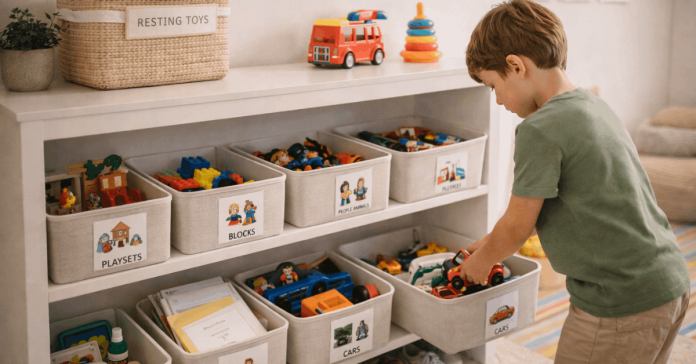
Use open bins at child height and picture labels so cleanup is independent. Rotate toys in and out of a top-shelf “resting” bin to refresh interest without adding volume.

Home Office and Tech Tidiness

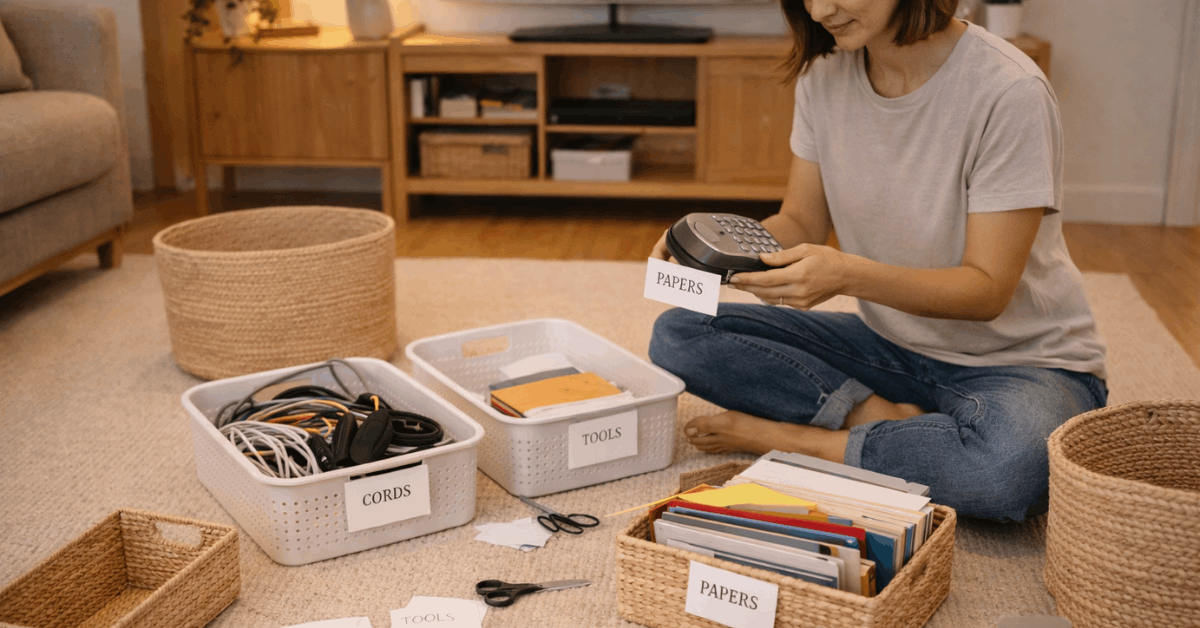
Mount a small pegboard for scissors, tape, and rulers, so desktops stay clear. Tame cables using a management box, clips along desk edges, and a simple sleeve for excess length. Park a charging drawer near the work zone to hide adapters.

Garage and Tools

Move heavy seasonal gear to sturdy wall racks and use ceiling storage for light bins and bikes. Dedicate a vertical strip to sports balls, a shallow cabinet to small hardware, and a single clear bin to paint supplies.

Dining Room and Entertaining

Stage a low-profile tray for everyday tabletop items that clears in one move. Inside the sideboard, group linens by size, add a shelf insert for glassware, and keep serving pieces visible to avoid unpack-and-repacks.

Crafting Corner

Choose clear boxes for materials so color and size are visible. Label by medium or project type, then park a wheeled utility cart nearby for in-progress sets that can roll away quickly.

Seasonal Swap

Apply a single “one in, one out” rule during wardrobe and décor changes. Clean and repair before storage, use lidded plastic for protection, and avoid compressing natural fibers so textures last.

Storage Types That Prevent Rebound Clutter

Short, targeted containers reduce decision fatigue and keep items in circulation. The table below maps common container types to best-fit uses so selection is faster, and errors are fewer.

Container Type Best For Why It Works Placement Maintenance Cue
Turntables Condiments, spices Full visibility, no reaching behind Upper cabinets, pantry Wipe ring during refill
Divided Drawer Trays Utensils, office smalls Stops drift, easy counts Kitchen, desk, vanity Reset during weekly wipe-down
Lidded Clear Bins Seasonal décor, backup stock Dust protection, quick ID High shelves, garage Label date and contents
Open Baskets Throws, toys, shoes Fast toss-and-go access Entry, living room Empty when items overflow
Pull-Out Drawers Under-sink, deep cabinets Front access prevents pileups Bath, kitchen Purge when slide sticks

Small Space Organizing That Feels Easy

In tight rooms, vertical real estate and convertible pieces do the heavy lifting. Float shelves to free side tables, choose a lift-top coffee table that hides remotes and laptop gear, and add a wall-mounted fold-down desk that becomes art when closed. Ottoman storage near entry doors collects shoes or bags without broadcasting clutter. These moves support small space organizing without sacrificing comfort.

Drawer Organization That Actually Holds

Messy drawers return when compartments do not match the item size. Fit trays to the interior, assign each cavity to a single type, and line bases so trays do not slide. Reset quarterly by emptying one drawer at a time and asking whether categories still fit daily use.

Labels That Train The Household

Clear words beat clever names. Use “Snacks,” “Pasta,” “Cords,” and “Batteries,” not vague themes. Add contents lists to opaque bins and place labels at eye level for the user, not the tallest person in the house. Good labels reduce questions and keep helpers engaged.

Home Organization Tips

Minimalist Home Organization Without Aesthetic Pressure

Minimalism means fewer, more useful items, not empty rooms. Set practical limits: one shelf of mugs, a single bin for sentimental paper, and a capped number of hoodies. These boundaries make minimalist home organization attainable without lifestyle theater.

Rapid Fixes For Everyday Snags

A few small upgrades remove recurring friction and keep order intact.

  • Stage a hallway donation bag and drop one item weekly to keep volume in check.
  • Add a mail sorter at the entry labeled “Action,” “To File,” and “Shred” to halt pileups.
  • Park a “Do Later” box on a closet shelf for five-minute catch-ups after busy days.
  • Mount a broom clip set on the back of a utility door to clear floor corners.
  • Use a bike hoist or ceiling hooks to reclaim garage floor space quickly.

Maintenance Loops That Stick

Order survives through light, frequent touches. Schedule a ten-minute Sunday sweep for high-traffic zones, pair label refreshes with grocery restocks, and run a monthly micro-edit in a single category, such as t-shirts or pantry snacks. 

A repeating decluttering checklist prevents backslides and keeps decisions easy.

When To Bring In a Professional

Outside help accelerates change when time is scarce or decisions feel heavy. Pros establish right-sized systems, set realistic limits, and teach maintenance habits that match family routines. Hire for a single room to build momentum, then replicate the approach elsewhere.

Room Starter Plans In Two Sentences Each

In each room, aim for two crisp moves that match your daily habits, then label to lock them in.

  • Kitchen: Prioritize kitchen cabinet organization with turntables, divider files for lids, and a bin for back-stock so cooking stays swift. Keep food groups together and label shelves directly.
  • Closet: Start with closet organization ideas such as uniform hangers, a rotation rail for “maybe” pieces, and breathable boxes for off-season clothing. Cap categories to the space actually available.
  • Laundry: Build laundry room organization around a drying rack, a sorting counter, and one bin per person for clean-clothes delivery. Park stain tools at eye level to prompt immediate treatment.
  • Kids: Focus toy storage ideas on open bins, picture labels, and a weekly rotation tote. Keep puzzles and sets in zipper pouches to prevent piece loss.
  • Whole Home: Anchor choices in smart storage solutions that match habits over aesthetics. Refresh labels quarterly and keep edits quick to preserve momentum.

Last Thoughts

In the end, order sticks when systems match your habits and maintenance stays light. Start small, keep loops short, and let labels, containers, and clear homes coach your household. 

After a few cycles, clutter loses ground because every item has an obvious return path. Keep momentum with weekly micro-resets and the eight-step reset when zones drift, and your spaces stay calm without extra effort.

How to Create Order in a Busy Household

0

In homes that rarely sit still, structure wins back time, patience, and calm. This guide focuses on creating an Order in a Busy Household without chasing perfection or unrealistic minimalism. In practice, order means predictable routines, simple tools, and spaces that match today’s realities. 

In families that juggle school runs, shift work, and weekend projects, small systems outperform occasional deep cleans.

Chaos appears in waves, and organization absorbs those waves through repeatable habits. Instead of forcing every corner to stay pristine, aim for flow, clarity, and quick recovery. Everyday order grows from routines, shared responsibility, lean storage, and gentle course corrections.

How to Create Order in a Busy Household
creating an Order in a Busy Household

Set Predictable Routines and Rituals

Strong routines remove guesswork and soften the day’s hardest transitions. Consistency lowers resistance, clarifies expectations, and keeps decisions lightweight during peak hours. 

Treat routines as scaffolding, not handcuffs, and adjust as seasons, schools, and workloads change. Start where pain is loudest, then expand once the first patterns stick.

Morning Routine

Mornings set the tone for energy, focus, and punctuality. Prep visible items the night before, including outfits, backpacks, sports kits, and permission slips. 

A visual checklist keeps kids and adults moving without constant reminders or repeated prompts. Build a small buffer of ten to fifteen minutes to absorb forgotten shoes, missing keys, or wet weather surprises.

After-School and After-Work Rhythm

Afternoons benefit from a predictable handoff between arrival, reset, and task time. Shoes and bags land in the same zone, snacks and hydration appear quickly, and homework or chores begin after a short decompression. Short, consistent blocks outperform long, irregular marathons that fuel pushback and fatigue.

Evening Routine

Evenings aim to reduce stimulation and stage tomorrow. Anchor a regular dinner window whenever possible, then limit screens as bedtime approaches. 

Calming activities, warm lighting, and repeatable wind-down steps cue the body for sleep. A consistent lights-out time helps all ages recover and handle tomorrow’s load.

Run The Week On A Shared Calendar

A shared view of time prevents last-minute scrambles and frustrated car rides. Centralize dates, deadlines, practices, and appointments where everyone can see them. 

Adults and older kids gain independence when schedules are transparent and synced. Start with one reliable system, then add light enhancements once adoption feels natural.

Choose A System

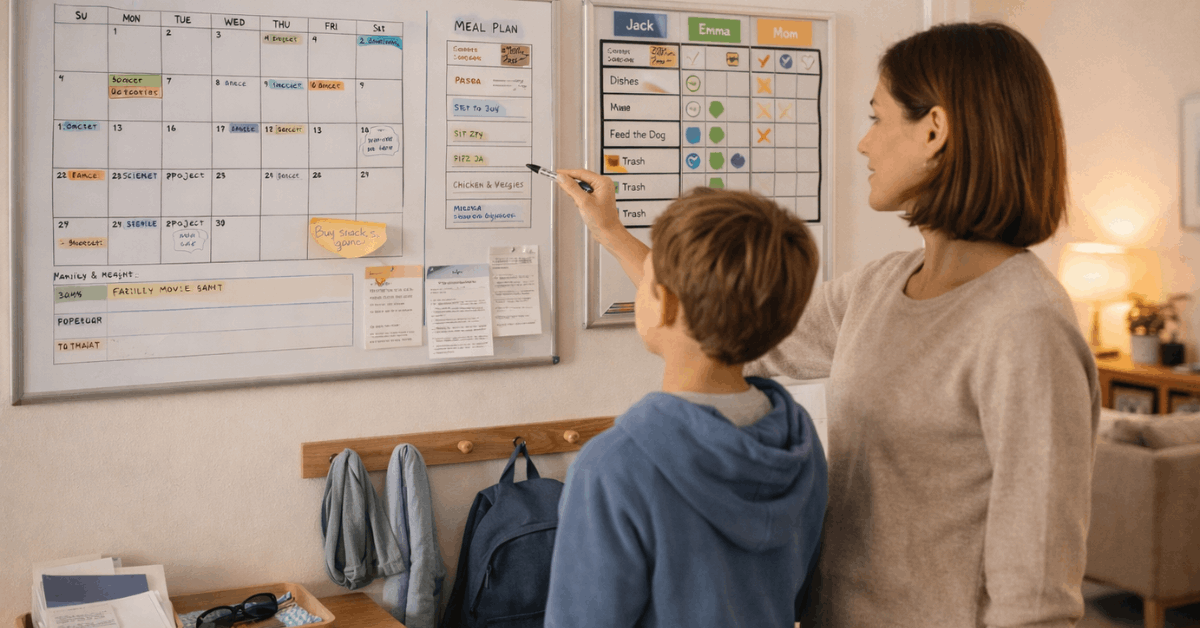
Digital calendars such as Google Calendar or Microsoft Outlook make sharing and syncing painless, while a large wall calendar supports quick glances near the kitchen. Hybrids work well in busy homes, pairing a digital core with a visible monthly board for anchors and reminders.

Make It Visible

Post major weekly beats where decisions happen, including meal nights, school events, exams, and travel days. Color coding by person or category reduces scanning time and helps younger children connect activities to their names.

Hold A Sunday Planning Session

A short Sunday Planning Session aligns rides, meals, budget constraints, and prep tasks before the week starts. Confirm drivers, stage uniforms, and resolve conflicts while there is still room to adjust. This small meeting prevents preventable stress and turns the calendar into a reliable guide.

Declutter and Simplify Strategically

Clutter grows quietly until rooms lose purpose and energy. Treat organization as a series of small choices made daily, not an annual purge. 

Keep frequently used items close, relocate seasonal or seldom-used items, and release what no longer serves. Relief appears fastest when decisions are simple and consistent.

The One-Touch Rule

Adopt the One-Touch Rule for common clutter magnets such as mail, shoes, and charging cables. Items land in their homes immediately rather than on counters, chairs, or floors. Light labels and obvious containers make the rule easier to follow during busy moments.

Small-Step Decluttering

Short sessions of ten to fifteen minutes trim hotspots without draining willpower. Tackle a single drawer, shelf, or bin, then stop on time. Micro-wins compound faster than irregular deep dives that nobody wants to repeat.

Keep-Donate-Discard Decisions

Decide with three questions that simplify judgment: Do we use this regularly, does it have a home, and would we miss it if it disappeared? Items that fail these checks are either donated or discarded, which keeps storage honest and accessible.

Share Responsibility Across The Household

Shared homes need shared labor to stay fair and sustainable. Everyone contributes at age-appropriate levels, which prevents burnout and builds capability. 

Clear roles eliminate nagging and replace it with visible commitments and predictable tasks. Small rewards and rotation maintain engagement over long stretches.

Age-Appropriate Chores

Younger children handle tidying toys, wiping tables, watering plants, and feeding pets. Older kids take on laundry stages, vacuuming, dishes, and meal prep assistance. Adults split recurring anchors such as bathrooms, floors, finances, and weekly errands.

Use A Rotating Chore Chart

A simple rotating chore chart equalizes less popular tasks across the month. Charts work best when they live near the calendar and use icons for younger readers. Weekly check-ins resolve bottlenecks and rebalance loads during exam weeks or travel.

Make Accountability Positive

Timers, music, and race-style cleanups keep energy high without turning chores into punishment. Small, visible completion markers deliver progress cues and close loops quickly. Positive accountability builds momentum rather than resentment.

Plan Meals For Less Daily Friction

Planning removes the 5 p.m. decision tax that derails evenings. Keep choices few, ingredients repeatable, and prep steps small enough for busy weekdays. A weekly meal plan aligns the pantry, the calendar, and everyone’s expectations.

Simple rules reduce stress and waste during hectic weeks. Use familiar recipes, repeat proven wins, and outsource steps when budgets allow. Keep five levers within reach and adjust based on schedules and dietary needs.

  • Rotate a core set of twelve to fifteen easy dinners that fit busy nights.
  • Assign theme anchors such as Pasta Monday, Taco Tuesday, or Slow-Cook Wednesday.
  • Use grocery pickup or delivery to protect time, attention, and impulse control.
  • Batch-cook freezer-friendly meals and label portions for fast future nights.
  • Share prep tasks across family members, including chopping vegetables and loading slow cookers.

Protect Quiet and Recharge Time

Attention suffers when homes never cool down. Build small buffers of stillness that help bodies reset, and minds focus. A quiet hour routine supports reading, journaling, puzzles, stretching, or solo play without noise competition.

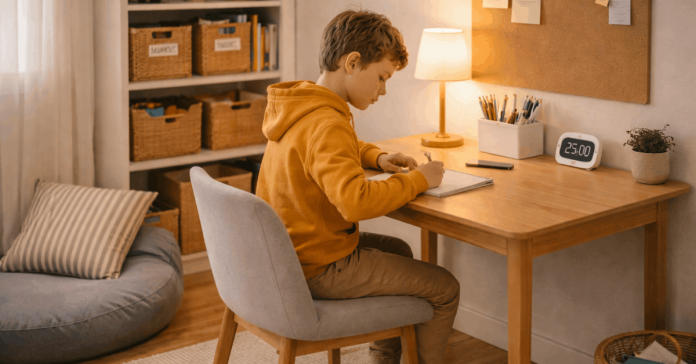
Dedicated nooks with soft light, a chair, and a small shelf make resting easier to choose. In households that prize learning and creativity, visual calm preserves focus during homework and hobby time. 

Clear desks, staged supplies, and uncluttered sightlines improve follow-through more than longer sessions ever will. Consistent quiet slices also reduce conflicts, since everyone knows when the room will soften.

Use Simple Tools Without Over-Engineering

Tools should lighten the load, not expand it. Task apps such as Todoist or Microsoft To Do capture actions quickly and share responsibilities between adults and teens. Calendar apps handle recurring commitments, while pantry lists keep staples on hand without extra trips. A visible family command center consolidates to-dos, meal notes, and permission slips near the main traffic path.

Food logistics also benefit from practical helpers. Delivery services such as Grubhub or Instacart save time during stacked evenings, while shared digital grocery lists prevent duplication. Keep technology choices few so routines survive device changes, app updates, and school transitions.

Short, immediate actions prevent backlog. The Two-Minute Rule clears micro-tasks such as loading dishes, staging tomorrow’s bags, and starting laundry before distractions reappear. Quick execution keeps surfaces visible and the system trustworthy.

How to Create Order in a Busy Household
creating an Order in a Busy Household

Make Space When The House Is Full

Some seasons demand more room than walls can offer. Long-term projects, sports gear, archived papers, baby items, or inherited furniture can overwhelm closets and corners. Offloading rarely used items restores function to learning areas, play spaces, and sleeping zones. 

Storage becomes a strategy for well-being, not a sign of excess. In cities that support portable options, solutions like portable storage unit models in Dallas provide flexible capacity during moves, renovations, or collection growth. 

Seasonal items, bulky keepsakes, and event-specific gear can rest safely until the calendar needs them again. Protection from wear and misplacement preserves value while daily rooms breathe and recover.

Daily Essentials and Long-Term Storage

Clear separation between daily essentials and long-term storage reduces friction in shared spaces. Hallways, living rooms, and dining tables return to their intended roles, which lowers conflict and speeds tidying. Preservation improves, too, since books, art, and fragile items suffer less when not squeezed into improvised stacks.

Expect Imperfection and Adjust Systems

Perfection collapses under real-life conditions. Aim for a resilient baseline that absorbs absences, sick days, and changing shifts. Treat experiments as data, not verdicts, and update labels, bins, and checklists as needs evolve. 

The organized chaos mindset rewards small, consistent nudges over dramatic resets. Grace matters when plates overflow. Some days will miss targets, and that truth does not erase progress. 

Celebrate small wins such as a smooth morning, an empty sink, or a fast backpack reset. Long-term order comes from patience and repetition anchored to what the household genuinely values.

Quick Wins That Prevent Pileups

Short actions executed at the right time prevent clutter avalanches. Pick two or three that fit the current season and run them daily without fail. The goal stays simple: reduce friction and keep momentum alive.

  • Apply the Two-Minute Rule to emails, dishes, counters, and staging tomorrow’s items.
  • Stage outfits, backpacks, keys, and water bottles before bedtime to protect mornings.
  • Park returns and donations in a visible bag near the exit and empties it weekly.
  • Run a five-minute evening reset focusing on surfaces, sinks, and the entry zone.
  • Funnel mail and school papers into one inbox, then clear it during the weekend.

Keep Progress Visible and Light

Simplicity supports compliance during heavy weeks. Clear bins, labels, and consistent homes for common items shorten search time and reduce stress. 

Small rituals such as a weekly fridge reset or a monthly toy rotation keep systems lively without major effort. Subscriptions and email lists can help, although unnecessary promotions should be limited to protect attention.

In households that view learning as a core value, order protects concentration and curiosity. Spaces that fit their purpose feel welcoming and sustainable. Over time, routines, shared labor, right-sized storage, and gentle adaptations create a home that works hard without feeling rigid.

Home Organization That Saves Time

0

In busy households, minutes vanish during daily searches for keys, ingredients, chargers, or matching socks. A practical plan for Home Organization to save time focuses on fewer decisions, faster retrieval, and simple resets after use. 

Small structural changes across storage, surfaces, and routines cut friction every day while keeping visual calm. Start light, apply consistent rules, and keep the maintenance workload realistic for your schedule.

Why Home Organization To Save Time Works

Time savings come from two levers: reducing inventory and shortening the path to each item. Decluttering trims decision fatigue and eliminates duplicates that slow sorting. 

Home Organization That Saves Time
Home Organization to save time

Location rules and visible storage turn retrieval into muscle memory so tasks start faster. Maintenance takes less effort when everything has a defined home and containers guide the reset.

Setup Systems That Stick

A sustainable setup favors clear homes for common items, stable categories, and containers that fit the space. Plan for the most frequent tasks first, then extend to lower-use areas. Keep labels plain, use one naming style, and select containers that support quick returns without fuss.

Maximize Vertical Space

Floating shelves, wall rails, and tall bookcases unlock height without stealing floor area. Install over-door organizers on pantry or closet doors to hold snacks, wraps, or cleaning tools. 

Add hooks at adult and kid heights in entry areas so bags and coats land in predictable spots. These vertical storage ideas keep traffic zones open and speed up departures.

Make Drawer Organization Automatic

Start each drawer with an empty reset, then group by use and size. 

A drawer divider system separates batteries, tape, scissors, and small tools in kitchens or offices, while small boxes corral socks and camisoles in bedrooms. Reassess layout quarterly to prevent clutter creep and promote the most-used items to the front.

Use Storage Enhancements Wisely

Transparent bins reveal contents at a glance; opaque baskets hide visual noise in living areas. Label with printed tags, vinyl cutouts, or neat handwriting so anyone can return items quickly. 

Stackable bins, turntables, and tiered risers multiply capacity inside cabinets without creating deep, forgotten piles.

Choose Smart Furniture

Pieces that double as storage remove the need for extra units. Consider ottoman beds, lift-top coffee tables, and benches with cubbies for shoes or bags. 

Wall desks that fold into frames open a quick workstation in small rooms, then disappear. These small space organization tips keep rooms flexible for changing needs.

Room-By-Room Game Plan

Focus on daily workflows and friction points rather than perfection. Start where time is lost most often, then move clockwise through each room. Favor shallow, visible storage, limit duplicates, and set a weekly micro-reset so order survives busy periods.

Kitchen Cabinet Mastery

Use clear turntables for oils, vinegars, sauces, and spices so labels face forward. Add adjustable dividers for lids, baking sheets, and cutting boards to store vertically. Deep drawers benefit from plate racks and dish and pot dowels, which reduce stacking and breakage.

Cultivate An Organized Closet

Uniform velvet hangers prevent slipping and create a tidy look that discourages crowding. Cascading hangers and clips condense pants and skirts while preserving visibility. 

Clear shoe boxes protect pairs from dust and make selection faster; personalize boxes to match the closet style for easy scanning, and a set of closet organization hacks that actually stick.

Streamline The Laundry Room

Mount fold-flat drying racks and keep a surface near the dryer for immediate folding. Use labeled hampers or baskets for each household member to speed distribution. A predictable laundry room workflow prevents mixed loads from lingering and reduces re-washing.

Bathroom Vanity Clarity

Install stackable or sliding shelves under sinks around plumbing. Place drawer organizers for small items, then anchor trays with removable putty to keep compartments aligned. Keep countertops light by storing cotton rounds, swabs, and beauty tools in labeled jars or clear caddies.

Efficient Office Spaces

Pegboards with hooks or baskets hold scissors, chargers, tapes, and rulers within arm’s reach while clearing the desk. A shallow drawer with dividers keeps paper clips, sticky flags, and stamps separated. 

Reduce incoming paper by opting out of prescreened credit offers using regulator-recommended tools, then scan or photo-capture coupons to recycle envelopes immediately. A decluttering checklist printable near the inbox can guide quick decisions.

Playroom Perfection

Label bins with pictures, numbers, or colors so kids can match items to homes. Rotate toys by storing overflow in a top shelf bin and bringing sets down weekly. Low shelves and open baskets support independence and faster cleanups after play.

Garage Glory

Audit gear first, then mount slatwall, pegboards, or rail systems for tools and sports equipment. Overhead racks hold seasonal bins and lighter items, freeing floor space for movement. Bike hoists or glides lift cycles safely, keeping pathways clear for strollers or carts.

Living Room Refresh

Limit the coffee table to a tray for remotes and coasters, then store extras in lidded baskets under consoles. Replace flattened pillow inserts and launder throws for immediate comfort gains. Hide game controllers and chargers in a small caddy that returns to a shelf after use.

Dining Room Dynamics

Place a tray at the center to corral salt, pepper, napkins, and candles so the table clears quickly for meals. Inside sideboards, create zones by category, then use helper shelves to stack without crushing fragile pieces. Keep entertaining sets together near the serving area to shorten setup time.

Crafting Corner

Use clear containers for yarn, paints, and paper so colors and quantities remain visible. Label consistently with a simple maker to support quick returns. A rolling utility cart brings supplies to the work surface, then parks in a closet when finished.

Tech Tidiness

Adopt cable management solutions that include a cable box for power strips, adhesive clips for routing, and sleeves for bundling. 

Color-coded hook-and-loop wraps identify device families and replacement lengths. Place a charging drawer with an in-drawer outlet near the living zone to remove dangling cords from sight.

Entertaining Essentials

Assign a closet shelf or garage section to party supplies sorted by theme or color in clear, labeled bins. 

Store stemware near the prep area and keep bar tools together in a small tray or rack with hidden compartments. Group candles, napkins, and disposables so that last-minute gatherings require fewer decisions.

Seasonal Swap Strategies

Seasonal changes run more smoothly when staging areas and rules are clear. Apply the one-in, one-out rule to clothing and decor so storage never exceeds capacity. 

Clean and repair garments before storage, then place them in lidded plastic containers in cool, dark locations. Avoid vacuum sealing natural fibers and puffy coats to protect loft and shape.

Quick Wins: 10-Minute Fixes

Short sprints create visible momentum that motivates larger projects. Pick one or two daily to reinforce tidy habits without burnout.

  • Test pens and markers, then discard the dried ones so drawers regain space.
  • Photograph coupon codes or sentimental notes, then recycle the paper to thin mail piles.
  • Unsubscribe from marketing emails while watching a show to reduce inbox noise.
  • Install eye-level hooks near entries and lower ones for kids so bags avoid floors.
  • Create a small “Do Later” box for odd screws, buttons, or samples, then process it weekly.

Weekly Maintenance Rituals

A routine protects your investment in order. Schedule a 30-minute home reset using time blocking for chores so clutter never accumulates for long. 

Put away outliers first, restock household consumables second, and finish with a quick surface wipe where mess accumulates fastest. Rotate a single focus area each week, such as the freezer, a bathroom drawer, or the car trunk, to keep deep clutter at bay.

Smart Paper and Mail Controls

Paper slows households more than most categories because decisions stack up. Open mail over a recycle bin and separate into three shallow trays: 

  • Act this week,
  • file for records, or

discard. Scan warranty cards and manuals unless a physical copy is legally required. 

For catalogs and unsolicited mail, use national opt-out processes recommended by consumer protection agencies to throttle inflow.

Home Organization That Saves Time
Home Organization to save time

Safe Kid and Pet Zones

Entry mats, baskets, and a small towel hook near doors help contain outdoor dirt and pet gear.

Place a storage ottoman for toys that cycles open during play and closes when guests arrive. Label a low bin for school papers that need signatures, then clear it every Sunday night to prevent morning rushes.

Shopping Timing and Containers

Storage purchases work best at the end of a project, not the start. Measure shelves and drawers, confirm categories and volumes, then choose containers that fit both the space and the habit. 

Prioritize easy-clean materials in kitchens and baths, breathable fabric bins for linens, and latch-top boxes for garages or attics where dust gathers.

Troubleshooting Common Sticking Points

Projects stall when categories are fuzzy, containers are too deep, or returns are hard. Simplify names on labels, reduce depth, and avoid lids where frequent access is needed. 

Sentimental overflow benefits from a single memory bin per person, so decisions remain bounded. Items kept “for someday” can move to a probation box dated for review in thirty days.

When To Call A Professional Organizer

Professional help compresses decision timelines, customizes layouts, and trains household members on new systems. Projects involving whole-home changes, significant paper backlogs, or complex moves benefit from expert setup. 

Clear goals, firm budgets, and a short punch list create strong outcomes, especially when follow-up sessions are scheduled to reinforce habits.

Last Thoughts

Progress compounds when clutter drops, categories stabilize, and resets take minutes. Start in the highest-friction room, deploy labels and containers that match the space, and keep a short weekly reset on the calendar. 

The combination of targeted systems, predictable routines, and lean inventories turns order into a time-saving habit every member of the household can follow.

How to Maintain Organization With Minimal Effort

0

In busy seasons, the organization slips because systems demand too much energy to run. The practical fix is a lightweight framework that helps Maintain Organization With Minimal Effort while protecting time, attention, and energy. 

Minimal effort productivity grows when friction is reduced at every step, so tasks flow without repeated decision-making or constant motivation.

In practice, small constraints and simple defaults outperform complicated tactics. A few consistent behaviors, paired with automation and delegation, create the kind of calm that enables deeper work and better rest.

How to Maintain Organization With Minimal Effort
Maintain Organization With Minimal Effort

Ten Rules For Automatic Order

Clear, repeatable rules beat ad-hoc choices, especially on stressful days. Treat these ten as load-bearing elements that remove guesswork and prevent backsliding. 

Keep them consistent enough to become low-maintenance routines, then adjust calmly during reviews. Perfection never shows up; progress does, especially when the game is easy to win.

Develop Habits and Build A Routine

Set anchor habits for mornings, work starts, and evenings so days click into place. 

Combine small steps with a habit stacking method, such as placing tomorrow’s gym clothes by the door after setting the coffee timer. Keep anchors simple enough to run on autopilot, even when tired.

Plan Ahead

Design tomorrow today. A quick daily glance at the calendar and a time-blocking schedule eliminate drift, set realistic expectations, and protect deep work. Add deadlines backward from due dates to avoid last-minute stress and missed context.

Align With Natural Inclinations

Work when energy peaks and rest when performance drops. Night owls can run priority work late, early birds can front-load. Select tools and formats that fit personal style, such as audio learning instead of long reading sessions.

Choose Consistency Over Perfection

Aim for repeatable momentum rather than flawless streaks. Three workouts weekly beats an abandoned seven-day goal. Tiny wins compound faster than heroic sprints followed by burnout.

Protect Balance

Guard sleep, movement, and boundaries so output stays sustainable. Schedule recovery the same way you schedule important meetings, and let leisure activities replenish attention without guilt.

Prioritize Appropriately

Say no often, so yes can be meaningful. Use a simple importance-versus-urgency view to identify the most important task, then give it the best energy window.

Declutter and Simplify

Reduce inputs, tabs, piles, and optional steps. Fewer objects and fewer open loops lower cognitive load, which makes follow-through easier and faster.

Measure Your Progress

Run short weekly review checklist sessions to prune tasks, refresh priorities, and log small wins. Tracking illuminates what to double down on and what to drop.

Automate Or Delegate

Route recurring work to tools or people. Calendar rules, bill pay, auto-filing, templates, and checklists free attention for higher-value decisions.

Keep Experimenting

Swap tactics that stall. Trial a new workout, a different planning cadence, or a novel learning format, then keep what proves effective.

Apply The Framework at Work

Knowledge work derails when context, files, and decisions scatter. A lean setup creates a clutter-free workspace, clearer priorities, and fewer status chases. Treat energy peaks as protected time and herd everything else into the remaining hours.

Clear The Decks

Reset the desk, inbox, and task list at day’s end so mornings start focused. Archive or defer nonessential messages quickly, and keep only a small staging area for active materials.

Lead With Deep Work

Place the day’s single highest-leverage task into the first strong energy block. Let shallow work follow only after the heavy lift moves forward.

Systemize and Delegate

Template repetitive messages, checklists, and briefs. Push support tasks to teammates who own that specialty, or formalize automation and delegation through shared workflows.

Guard Recovery and Boundaries

Set visible stop times, mute notifications during rest windows, and book actual time off. Sustainable pace beats heroic stretches that invite errors and rework.

Apply The Framework At Home

Homes stay orderly when storage and chores match real-world behavior. Simple home organization ideas work best when they remove steps and allow quick wins, like a peg rail for everyday bags near the door. Think clarity and reachability, not hidden complexity.

Zero-Fuss Household Upgrades

  • Get an open laundry basket so clothes drop in quickly and ventilate well.
  • Use a cleaning caddy to carry supplies room to room without re-gathering items.
  • Corral socks and underwear in drawer organizers so putting away takes seconds.
  • Place jewelry on a divided tray so daily pieces return to a visible, easy slot.
  • Give towels and sheets their own hamper to simplify sorting and laundry flow.

Apply The Framework To Health And Fitness

Healthy routines power better decisions, steadier moods, and higher-quality work. Systems should lower friction and remove willpower tax rather than add rules nobody enjoys.

Personalize Diet and Movement

Choose enjoyable activities and meals that fit your preference and schedule. Group hikes, cycling commutes, or short body-weight sessions count when done consistently.

Make Good Enough The Default

Use moderate targets that survive tough weeks. A balanced meal target most days, and one flexible treat window keeps adherence high without rebound.

Lock Time On The Calendar

Treat workouts like appointments, not optional extras. Short blocks placed next to existing anchors win more often than aspirational marathon sessions.

Track What Matters

Record basic metrics that influence behavior, such as sessions completed and sleep duration. Simple visibility tightens feedback loops without becoming obsessive.

How to Maintain Organization With Minimal Effort
Maintain Organization With Minimal Effort

Apply The Framework To Finances

Financial organization reduces anxiety and builds resilience. Move decisions upstream so savings and bills run without manual effort, then review with calm, scheduled checkpoints.

Map Cash Flow

List income, fixed costs, variables, debt, and savings targets. A month-ahead view prevents mid-cycle surprises and highlights trimming opportunities.

Pay Yourself First

Automate transfers into savings or investments on payday so goals fund themselves. Small, steady contributions beat occasional big pushes.

Review and Adjust

Run a monthly look-back to compare plan versus actual and update categories. Keep targets realistic to maintain contribution streaks through lean months.

Automate The Drudgery

Turn on autopay for recurring bills, categorize transactions automatically, and store receipts in a simple folder structure. Less manual touch means fewer missed dates and fees.

Apply The Framework To Relationships

Strong relationships rarely grow on leftover time. Calendar them, keep them light to maintain cadence, and avoid letting months slip between connections.

  • Plan Connection Like Work: Lock regular dinners, calls, or shared activities on the calendar. Decide on the next date while everyone is together to prevent drift.
  • Keep A Light Cadence: Short coffees, joint errands, or shared workouts sustain contact without heavy coordination. Frequency beats length for staying close.
  • Redefine Socializing: Rotate formats that fit busy seasons, including video calls for long-distance friends. Passive scrolling does not substitute for direct conversation.

Apply The Framework To Travel

Travel organization cuts stress without killing spontaneity. Build a minimal set of defaults and bring a curious mindset to new places.

Plan Essentials

Create a reusable packing checklist for documents, meds, and daily staples. Add destination-specific items once tickets are booked.

Pack Light On Purpose

Favor a single carry-on plus personal item when feasible to speed every handoff. Lighter bags translate into easier movement and fewer lost items.

Try New Places

Pick at least one new destination each year or explore overlooked neighborhoods locally. Small experiments keep curiosity fresh and plans dynamic.

Final Takeaway

Simplicity wins because simple systems run even on low-energy days. Maintain Organization With Minimal Effort through a small set of rules, clear priorities, and easy default behaviors that survive stress. 

Keep monitoring results, keep experimenting, and keep trimming steps until daily order feels nearly automatic.