Delivering with Uber Eats can appeal to people seeking flexible work and extra income. The role may suit students, part-time workers, and people exploring side work.
This guide explains requirements, onboarding, earnings, costs, legal considerations, and practical strategies. It also covers alternative delivery apps and factors affecting income.
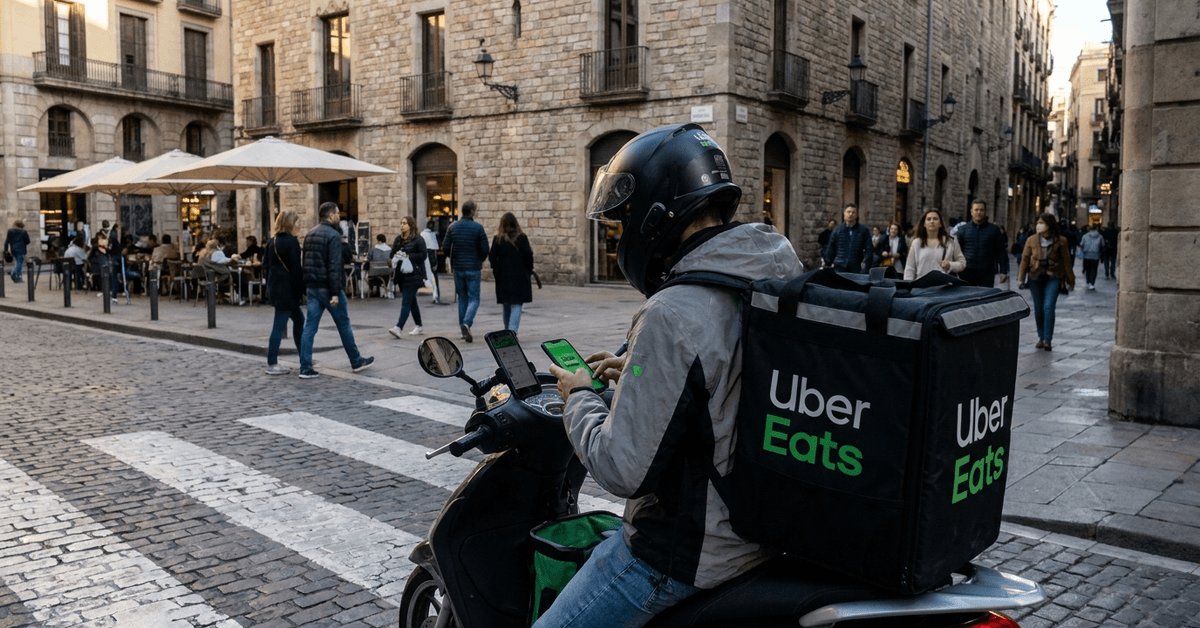
Why Work as an Uber Eats Driver?
Many people consider food delivery because of schedule flexibility and entry requirements. The role can fit around studies, another job, or commitments.
Flexible Schedules Mean More Freedom
The main advantage is having greater control over working hours. Drivers can generally choose when to go online and accept available orders. This suits people who prefer flexible routines over fixed shifts.
Low Start-Up Costs
Getting started usually does not require major investments. A suitable vehicle, smartphone, internet access, and required documents are the essentials. Applicants do not normally need advanced qualifications or professional training.
Uber Eats Driver Requirements
Before registering, applicants should review the basic eligibility requirements for delivery work. Exact conditions can depend on transport type, location, and working arrangement.
Minimum Age
Applicants generally need to be at least 18 years old before registering. This helps ensure drivers can legally enter agreements and meet transport responsibilities. Applicants should confirm the minimum through official Uber Eats guidance.
Unauthorised or Authorized Work Status
Couriers need legal authorization to work in Spain. This may involve Spanish or EU citizenship, residency rights, or another valid authorization. Applicants should prepare documents showing their work eligibility when requested.
Transport Options
Uber Eats may support several delivery vehicle types depending on the city. Applicants should choose a vehicle they can legally use and maintain safely.
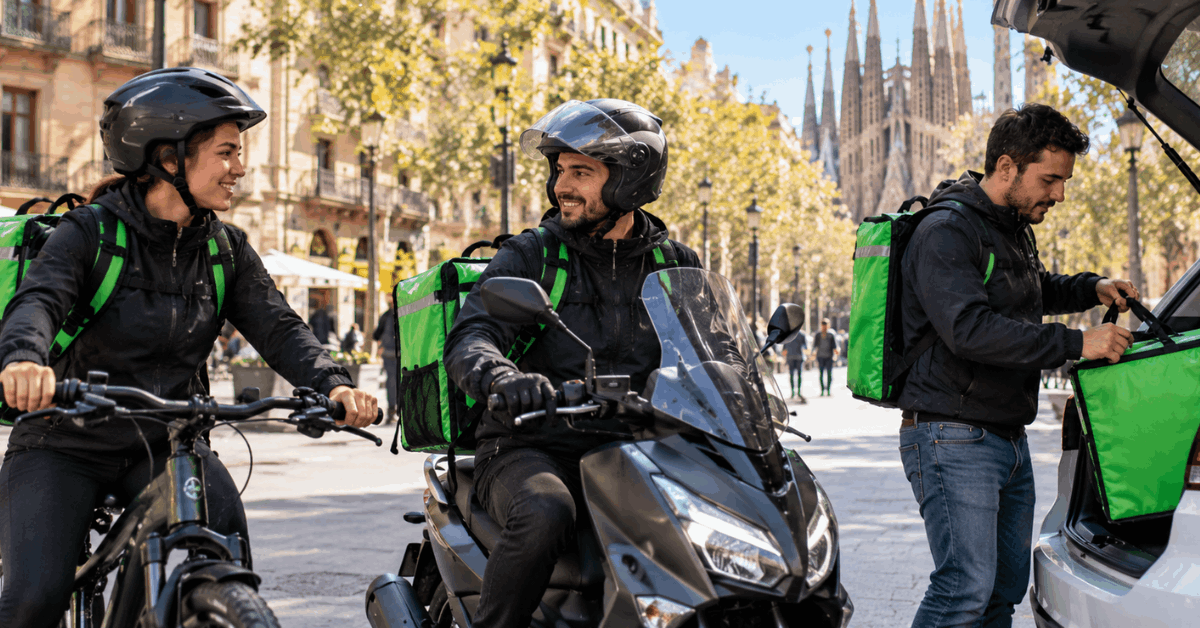
- Bicycle — practical for crowded city centers and shorter routes.
- Motorcycle or Scooter — useful for longer urban deliveries.
- Car — accepted in some areas, although parking may be difficult.
Required Documentation
Applicants must provide identity and transport documents before approval. Required documents can vary by vehicle type and local verification rules.
- Valid ID or Passport
- Spanish NIE Number or DNI when applicable
- Criminal background documentation when requested
- Driver’s license and insurance for motorized vehicles
Smartphone With Internet Access
A smartphone with reliable internet is essential for deliveries because orders are managed through the app. Couriers use it for navigation, communication, pickup details, and order completion. Battery life and mobile data are therefore part of the daily setup.
How to Sign Up and Get Started With Uber Eats
Registration is generally completed online, although additional document checks may apply. Preparing accurate documents can make the verification process easier and reduce delays.
Step-by-Step Onboarding
The onboarding process follows several basic registration steps before delivery access is activated. Applicants should follow instructions from official Uber channels.
- Visit the official Uber Eats delivery page.
- Submit contact and identification information.
- Choose the vehicle type you plan to use.
- Upload the required identification, licenses, and other documents.
- Complete verification and any additional checks requested.
- Set up your delivery profile in the Driver app.
Understanding Uber Eats Earnings
Courier earnings vary with location, demand, hours, and completed deliveries. Busy city centers may generate more orders, while quieter periods can involve waiting.
How Are Earnings Calculated?
Earnings are generally linked to completed deliveries and the payment structure shown in the app. Distance, demand, promotions, and tips may influence totals. Rates can vary by market.
| Component | Description |
|---|---|
| Base Fare | Basic payment associated with an eligible delivery |
| Distance or Time | Additional amounts may apply depending on trip details |
| Busy Hour Incentives | Promotions may appear during higher-demand periods |
| Tips | Optional amounts provided by customers through the app |
Average Uber Eats Earnings
Reported hourly earnings can vary, so income estimates should be treated cautiously. Location, expenses, waiting time, and peak demand affect actual results. Drivers should compare gross earnings with costs to understand real take-home income.
Typical Weekly and Monthly Income
Weekly and monthly totals depend on hours worked, completed orders, and demand rather than guaranteed amounts. Weather, cancellations, downtime, and competition can also change results.
- 10 hours per week can produce different totals depending on order volume.
- 20 hours per week may provide more income but also higher operating costs.
- Full-time schedules can increase gross earnings while increasing expenses and workload.
Variables That Affect Your Uber Eats Earnings
Several factors can influence delivery income beyond a simple hourly estimate. Demand, schedule, transport choice, and downtime affect completed orders.
- Local demand: Busy restaurant districts and dense areas may generate more orders.
- Delivery hours: Lunch, dinner, weekends, and events can increase demand.
- Transport choice: Bicycles may suit short routes, while scooters may handle longer distances.
Tips remain unpredictable income and should not be treated as guaranteed. Tracking several weeks can provide a clearer picture of results.
Costs and Legal Considerations
Gross earnings differ from net income because couriers may face transport, tax, insurance, and equipment costs. Drivers should understand their legal working arrangement before estimating take-home pay.
Standard Expenses
Regular delivery work involves operating costs that reduce earnings. Expenses vary by vehicle, distance, and equipment needs.
- Fuel or electric charging
- Phone data plans
- Routine bicycle, scooter, or car maintenance
- Safety gear, phone mounts, and delivery equipment
Legal Status: Autónomo or Rider Cooperatives
The legal status of delivery workers involves specific employment rules . Couriers should not assume every platform uses the same arrangement. Checking contracts, tax obligations, and official guidance clarifies applicable responsibilities.
Tips to Maximize Your Uber Eats Income
There is no guaranteed strategy, but planning can improve delivery efficiency and reduce downtime. Couriers can test schedules and locations while tracking earnings and expenses.
- Work during lunch, dinner, weekends, holidays, or other high-demand periods.
- Focus on areas with many restaurants and manageable delivery distances.
- Compare multiple platforms when permitted and practical.
- Track income and expenses for budgeting and tax purposes.
- Maintain professional customer service without depending on tips.
Alternative Food Delivery Apps
Uber Eats is not the only delivery platform, and availability differs by city. Comparing schedules, requirements, and demand can help couriers understand their options.
- Glovo: Widely used in many cities with different delivery categories.
- Just Eat: Offers restaurant delivery opportunities under its local operating model.
- Deliveroo: Availability should be checked because its presence has changed in Spain.
Conclusion
Working with Uber Eats can provide flexible delivery work for eligible couriers. Earnings depend on demand, hours, transport, costs, and legal arrangements.
Reviewing official information and tracking expenses creates a more realistic income picture. Comparing requirements and alternatives can help determine whether the role fits personal goals.