Delivery work has become increasingly common in cities around the world. This guide covers delivery roles, requirements, skills, working conditions, and application options.
It also explains platforms, payment structures, and common challenges. Readers can use these career insights when considering food delivery work in their country.
How to Apply for Food Delivery Jobs
Food delivery opportunities are available through different platforms depending on the country and city. Applicants should use official application pages and confirm that the service operates in their location before providing personal documents.
Availability is not worldwide for every platform. Applicants should enter their location on the official website to determine whether courier registration is currently available.
Why Food Delivery Work Appeals to Many Worldwide
Food delivery can suit people looking for flexible schedules, additional income, or entry-level work. Opportunities can include independent courier work as well as employed delivery positions depending on the platform and local regulations.
Flexible Schedules Attract Different Workers
Many platform-based delivery services allow couriers to choose when they are available. Specific scheduling systems depend on demand, location, and the platform's operating model. This makes flexible scheduling one reason people consider delivery work alongside study, family responsibilities, or another job.
No Advanced Degrees Required
Many courier positions do not require a university degree. Platforms generally focus more on legal eligibility, identity verification, transportation, smartphone access, and reliable delivery service. Requirements still differ by country and vehicle type.
Demand Exists Across Different Markets
Restaurants, supermarkets, retailers, and customers increasingly use delivery services in many countries. Large metropolitan areas often have more orders, although opportunities can also exist in smaller cities. Local delivery demand varies considerably by platform, season, neighborhood, and time of day.
Main Food Delivery Roles Worldwide
Food delivery operations involve more than simply transporting restaurant orders. Opportunities can include courier work, driving, warehouse operations, packaging, dispatch, and customer support.
Bicycle or Scooter Courier
Bicycle and scooter couriers commonly handle short-distance urban orders. The work involves navigating traffic, locating restaurants, carrying orders, and finding customer addresses. Good physical stamina and safe riding habits are important, particularly during long periods outdoors.
Car Delivery Driver
Car couriers may handle food, grocery, retail, or larger delivery orders. Where required, drivers generally need an appropriate licence, insurance, and legally compliant vehicle. Driving provides additional weather protection, although fuel, maintenance, tolls, and parking can increase operating costs.
Warehouse and Packaging Staff
Delivery companies and grocery operations may employ workers to prepare orders before couriers arrive. Tasks can include picking products, checking orders, sorting packages, and organizing collections. Previous warehouse experience can help, although many entry-level positions provide training.
Customer Support Agents
Delivery platforms also employ support teams assisting customers, merchants, and couriers. Agents can investigate delays, payment questions, missing orders, or account problems. Strong communication skills, patience, problem-solving ability, and additional languages can be useful.
General Requirements for Food Delivery Jobs
Requirements depend on the country, company, vehicle, and working arrangement. Applicants should always review the specific local requirements displayed during registration.
Legal Right to Work
Applicants normally need legal authorization to work or provide delivery services in the country where they register. Platforms may request identification, work permits, tax details, or other documentation depending on local regulations. Requirements should be confirmed through the official application portal.
Appropriate Transportation
Courier opportunities may support bicycles, e-bikes, scooters, motorcycles, or cars. The transportation methods accepted depend on the city and platform. Applicants should also verify vehicle requirements, registration rules, and insurance obligations where relevant.
Identity and Background Verification
Companies may perform identity verification before activating a courier account. Certain countries or roles may also require background checks, driving records, or additional documents. Applicants should upload sensitive information only through legitimate company websites or official apps.
Smartphone and Internet Access
App-based delivery work requires a compatible smartphone and reliable mobile connection. Couriers use applications for orders, maps, restaurant information, customer instructions, and earnings. Dependable mobile access is therefore a fundamental part of most platform delivery work.
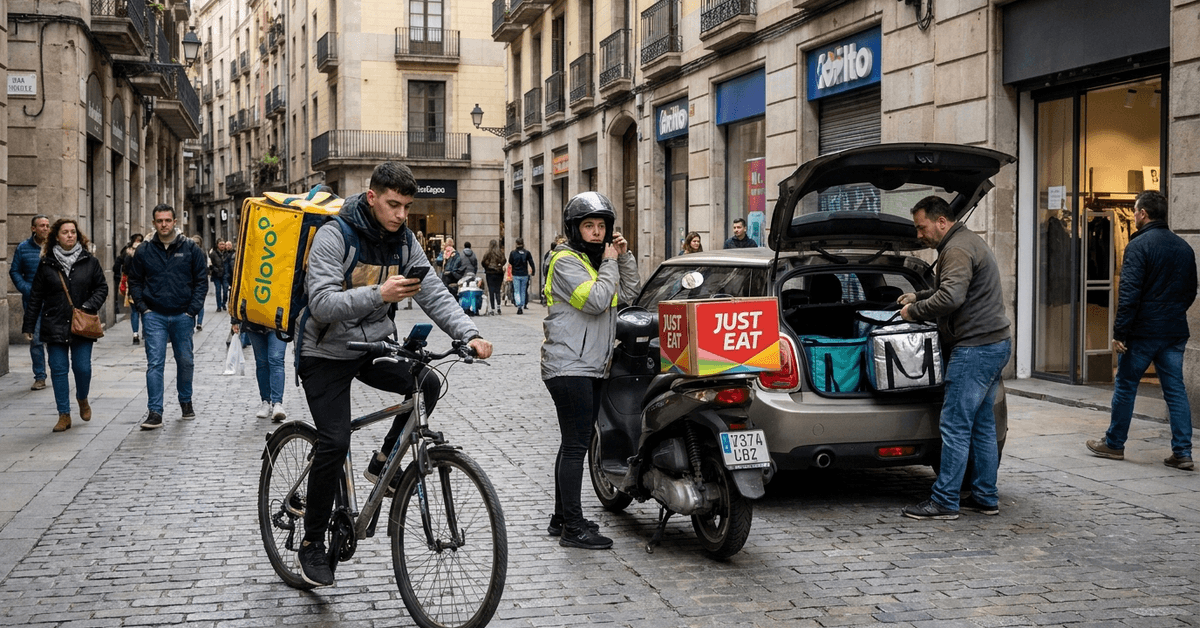
Popular Food Delivery Platforms Around the World
No delivery platform operates everywhere. Applicants should compare local availability, working arrangements, expenses, and registration requirements before choosing a service.
Uber Eats
Uber Eats operates delivery services across multiple international markets. Courier options may include bicycles, scooters, motorcycles, or cars depending on local rules and availability.
Registration typically involves creating an account and submitting the documents requested for the applicant's location. Uber's official delivery page allows prospective couriers to check the current local process.
SIGN UP TO DELIVER WITH UBER EATS
Uber's official delivery pages describe registration and document verification as part of courier onboarding, although the exact documents and available vehicle types vary between markets.
Wolt
Wolt provides food, grocery, and retail delivery services across numerous markets. Courier Partners use its platform to receive and complete local delivery orders.
The company's official application process includes submitting an application, completing account verification, receiving onboarding information, and meeting local contractual requirements.
Wolt's official courier portal currently presents an application process covering account verification, introduction, the courier app, contracts, and delivery gear.
DoorDash
DoorDash offers courier opportunities under the term “Dasher” in supported markets. Delivery availability varies significantly between countries and cities.
Prospective Dashers can register online and check whether onboarding is available in their area. Depending on location and vehicle type, identification, licences, insurance, registration, or background checks may apply.
DoorDash's official resources provide a dedicated Dasher registration process and explain that geographic availability differs across its markets.
Glovo
Glovo operates delivery services in selected markets across Europe, Africa, and other regions. Courier arrangements and requirements can differ considerably from one country to another.
Applicants can choose their city and vehicle during the official registration process where courier onboarding is available.
Glovo maintains an official courier onboarding portal, while its support documentation explains that applicants may be asked for identification, vehicle information, and other documents required under local rules.
Just Eat Takeaway.com
Just Eat Takeaway.com operates several delivery brands across international markets. Its employment structure and delivery operations differ between locations.
In addition to courier-related operations, the company recruits for logistics, customer service, technology, warehouse, and operational positions.
Its official careers site allows applicants to search current positions and states that requirements depend on the individual vacancy.
Skills That Help Food Delivery Workers
Advanced technical qualifications are usually not the main entry requirement for courier work. Reliability, navigation, communication, safety awareness, and physical readiness are often more directly relevant.
Punctuality and Reliability
Couriers need to collect and deliver orders within expected timeframes. Restaurants, customers, and platforms depend on drivers following collection and delivery instructions. Effective time management becomes particularly important during periods of high demand.
Navigation Skills
Delivery applications normally provide GPS navigation. However, knowledge of local streets can help when dealing with traffic, road closures, apartment complexes, or difficult addresses. Good navigation awareness can reduce unnecessary travel.
Customer Interaction
Most customer interactions are short, but clear communication remains useful. Couriers may need to confirm addresses, explain delays, or follow specific delivery instructions. Professional customer service can help make handoffs smoother.
Physical Stamina
Cycling, walking, climbing stairs, carrying orders, and spending extended periods outdoors can be demanding. Couriers can also encounter heat, rain, snow, cold, or strong winds depending on their location. Suitable delivery equipment and realistic schedules are important.
Payment and Incentives
Courier earnings can differ significantly between companies and countries. Workers should compare gross earnings with vehicle expenses, taxes, insurance, and other costs before estimating actual take-home income.
Pay Per Delivery
Many platform-based arrangements calculate earnings partly according to completed orders. Distance, estimated time, demand, location, and platform rules can influence individual offers. Understanding the payment structure helps couriers evaluate whether available orders are worthwhile.
Hourly or Employed Positions
Some delivery businesses use employment arrangements rather than purely per-delivery compensation. These positions may provide scheduled hours, hourly wages, benefits, or other employment protections depending on local labor laws.
The employment model can also differ within the same company between countries.
Bonuses and Incentives
Some platforms provide additional incentives during busy periods, promotional campaigns, or specific delivery conditions. These programs are not guaranteed and may change frequently. Workers should treat bonus payments as variable rather than permanent income.
Taxes and Social Contributions
Tax responsibilities depend heavily on the courier's classification and country. Employees, contractors, and self-employed couriers can have very different tax, insurance, and social contribution obligations.
Understanding worker classification is therefore essential before calculating expected net earnings.

Challenges in Food Delivery Work
Delivery jobs can provide flexibility, but workers should also consider financial, physical, and practical challenges. Variable earnings, weather exposure, operating expenses, and traffic risks can influence the experience.
Variable Income
Delivery activity often changes throughout the day and week. Earnings may vary according to demand, city, season, available hours, completed orders, and local payment arrangements. Couriers should avoid assuming that peak earnings advertised for specific times represent normal income.
Vehicle Expenses
Drivers using cars, motorcycles, or scooters may need to pay for fuel, electricity, insurance, repairs, tyres, and regular maintenance. Bicycle couriers can also face maintenance and equipment expenses.
Calculating these operating costs provides a more accurate picture of actual earnings.
Physical and Weather-Related Strain
Delivery workers may spend significant time outside or in traffic. Heat, heavy rain, snow, wind, and extreme temperatures can make working conditions more difficult.
Protective clothing, appropriate equipment, hydration, breaks, and safe working practices are especially important during challenging conditions.
Worker Classification
The legal status of platform couriers differs internationally. Depending on the country and company, a courier may be classified as an employee, contractor, self-employed worker, partner, or another legally defined category.
Because employment regulations can change, workers should verify current government guidance and the contract supplied by the delivery company.
Recommended Preparation for New Delivery Workers
Preparation can make the first weeks of delivery work easier. Prospective couriers should compare platforms, verify local availability, read contracts, calculate transportation expenses, and understand payment conditions before registering.
Official platform resources should be used when checking important requirements. Forums and courier communities may provide practical experiences, but legal, tax, insurance, and application information should be confirmed through official sources.
Potential Career Paths
Delivery experience can lead to other opportunities in logistics and operations. Couriers may eventually move into dispatch, warehouse supervision, customer support, fleet coordination, operations management, or logistics careers.
Companies may also advertise salaried corporate and operational positions separately from courier registration. Workers interested in longer-term progression should periodically review the official careers pages of the platforms operating in their country.
Conclusion
Food delivery jobs worldwide include courier, driving, warehouse, logistics, and customer support opportunities. Requirements, worker status, expenses, and earnings depend on the country and platform involved.
Applicants should compare official opportunities and confirm whether registration is available in their location. Reviewing contracts, vehicle costs, taxes, insurance, and payment structures can provide clearer expectations before starting delivery work.