The area near the front door can quickly become a dumping ground for mail, keys, shoes, and bags. For many, clutter starts right here, where outside meets inside.
This article explores practical, realistic ways to set up a drop zone—essentially, a dedicated spot for items entering your home.
If you’re tired of tripping over shoes or searching for lost keys, this guide is for you. The right setup supports less stressful mornings and a tidier space overall.
Why a Drop Zone Makes Everyday Life Easier?
Over time, I’ve noticed that clutter builds up fastest in transitional spaces. When there’s no designated drop zone, items pile up.
It might not even seem like a big problem at first—but gradually, it becomes harder to find things, and keeping your entry free of mess feels impossible.
Less Time Searching for Essentials
With a drop zone, everything from wallets to sunglasses has a home. You may actually save time, since you’re not scrambling to locate everyday items.
A Calmer First Impression
The entryway is often the first thing you (or guests) see. A tidy space feels more welcoming and sets the tone for the rest of the home—maybe not always perfectly, but enough to make a difference.
Preventing the Spread of Mess
Clutter near the door tends to travel. Setting up a drop zone can contain mess before it creeps into living spaces. Sometimes, little changes have a big effect over time.
Where to Place Your Drop Zone for Maximum Effect?
The best location is somewhere between your front door and the main living area. Even if space is tight, a carefully chosen spot can make a difference. It’s worth taking a few minutes to observe your household’s habits—everyone has a different rhythm.
Traditional Entryways
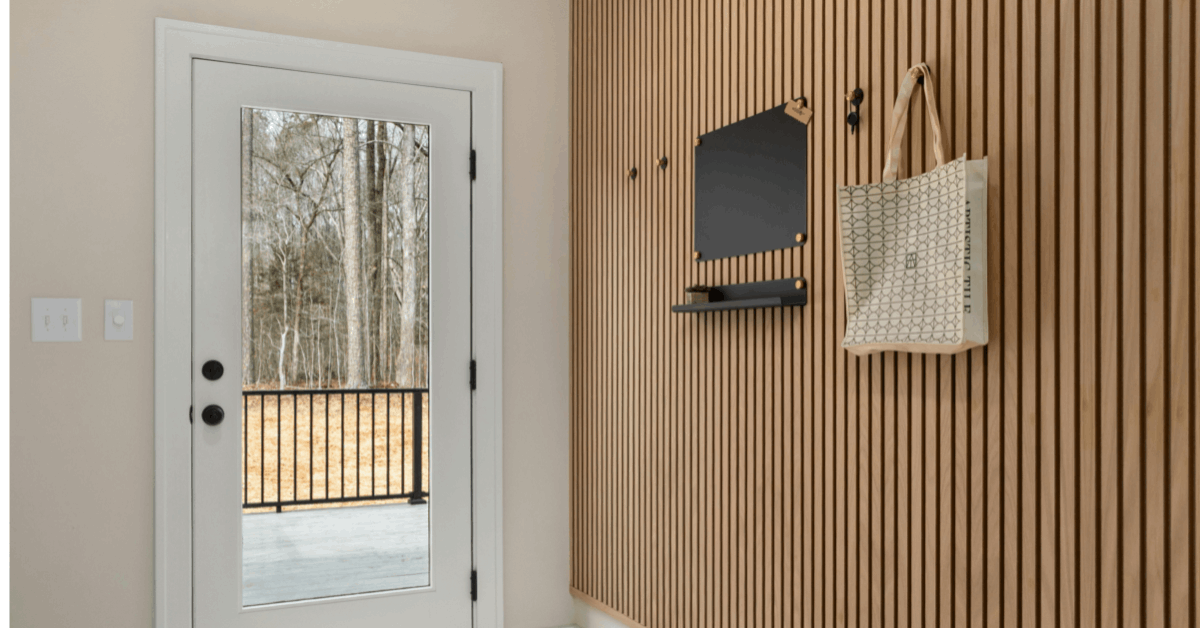
If your home has a dedicated entry or foyer, that’s a natural drop zone. Consider a narrow table, wall hooks, or a bench for storage underneath. Plenty of homes don’t have this setup, though.
Small Spaces and Apartments
Even a slim shelf or some mounted hooks beside the door can do the trick. It’s less about the area’s size and more about regular use.
Multi-Purpose Open Concepts
Homes without defined entryways benefit from creative solutions, like a combination of baskets, trays, or a shoe rack tucked along an adjacent wall.
What to Include: Drop Zone Essentials
Not every home needs the same setup, but there are a few fundamentals most people find helpful:
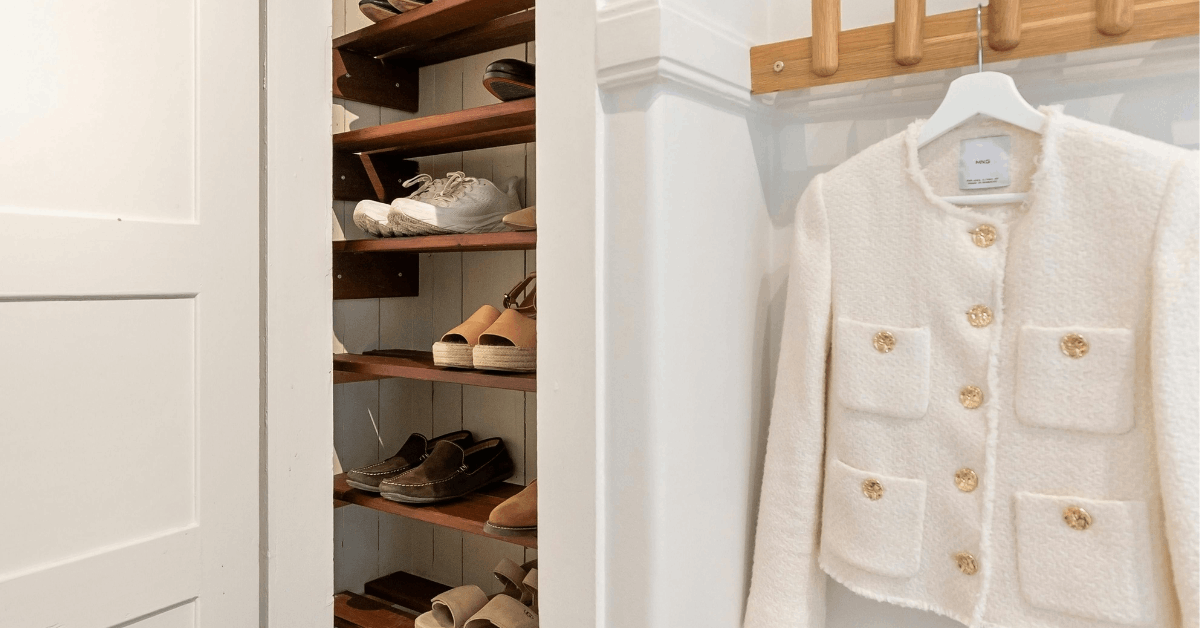
- Hooks: For coats, hats, bags, and sometimes even umbrellas.
- Key holder or dish: A spot for keys is surprisingly effective.
- Shoe storage: A mat, rack, or cubby—whatever fits your routine.
- Mail organizer: Even in the digital age, loose paper piles up fast.
- Tray or bowl: For wallets, sunglasses, loose change, and masks.
- Bench or seat: Optional, but it makes taking off shoes easier.
It might seem excessive at first. In practice, a few well-chosen pieces often have more impact than a sprawling setup.
Choosing the Right Storage Solutions
Your drop zone doesn’t have to be fancy. Often, it’s about making the best use of available space and budget. Here are a few simple options that can work well for a variety of households.
Wall-Mounted Options
Hooks and shelves mounted at various heights keep items visible, which may help if you struggle with out-of-sight, out-of-mind clutter.
Open Storage Bins
Open bins or baskets offer easy access. They’re especially practical for kids’ shoes or seasonal accessories like gloves and hats.
Furniture with Hidden Storage
If appearance is a priority, consider a bench or table with concealed compartments. A balance between form and function is possible—though sometimes compromise is needed.
Repurposed or DIY Containers
Using items you already own, like small trays or thrifted containers, tends to be cost-effective. The goal: easy, consistent use, not perfection.
How to Organize the Drop Zone for Lasting Results?
Initial setup is only the beginning. It’s usually the small, daily habits that keep spaces in order.
Assign a Spot for Each Person
Some families assign a basket or hook for each member. This can cut down on confusion (“where did my stuff go?”) while keeping clutter contained.
Label Where It Helps
Labels sometimes seem unnecessary, but they may help kids (and adults) remember what belongs where. Perhaps labeling a mail slot, or the shoe bin for quick sorting.
Edit Regularly
Every so often, cycle out what’s become clutter: expired coupons, single gloves, extra bags. Even an occasional reset helps.
Maintaining a Clutter-Free Drop Zone
Keeping the area functional isn’t always automatic. Most of us fall out of routine when schedules change or life gets busier. Still, a few straightforward habits can keep things running smoothly:
- Give everything a home—even the smallest items.
- Do a quick tidy-up as part of an existing routine (after work, before bed).
- Try not to let storage containers overflow—if they do, something might need to move elsewhere.
- Occasionally check if the current setup matches your household’s lifestyle.
Perhaps there isn’t a “perfect” drop zone. A little flexibility is helpful. As needs change—school years, seasons, even new hobbies—systems adjust.
Top Mistakes to Avoid With Entry Drop Zones
Sometimes, the drop zone itself becomes a clutter magnet. It’s interesting—solutions can turn into problems if they’re not tailored for real use.
- Making the setup too complicated. Over-customization can be hard to maintain.
- Not considering accessibility. Everyone in the home should be able to reach the drop zone—especially kids or individuals with mobility needs.
- Ignoring aesthetic preferences. If the area looks chaotic, it sometimes leads to avoidance.
- Forgetting to purge. Items multiply quietly. Every few weeks, check for what can be removed or relocated.
Personal Considerations for Different Households
Every home’s drop zone will reflect the people living there. Single adults may only need a small shelf and a hook. Families can benefit from shared and personal spaces. Sometimes, pet owners add leash hooks or storage for treats.
Occasionally, a little trial and error is necessary. What starts as a tidy solution may need tweaks over time. It’s normal to outgrow even the best systems, so small adaptations help in the long run.