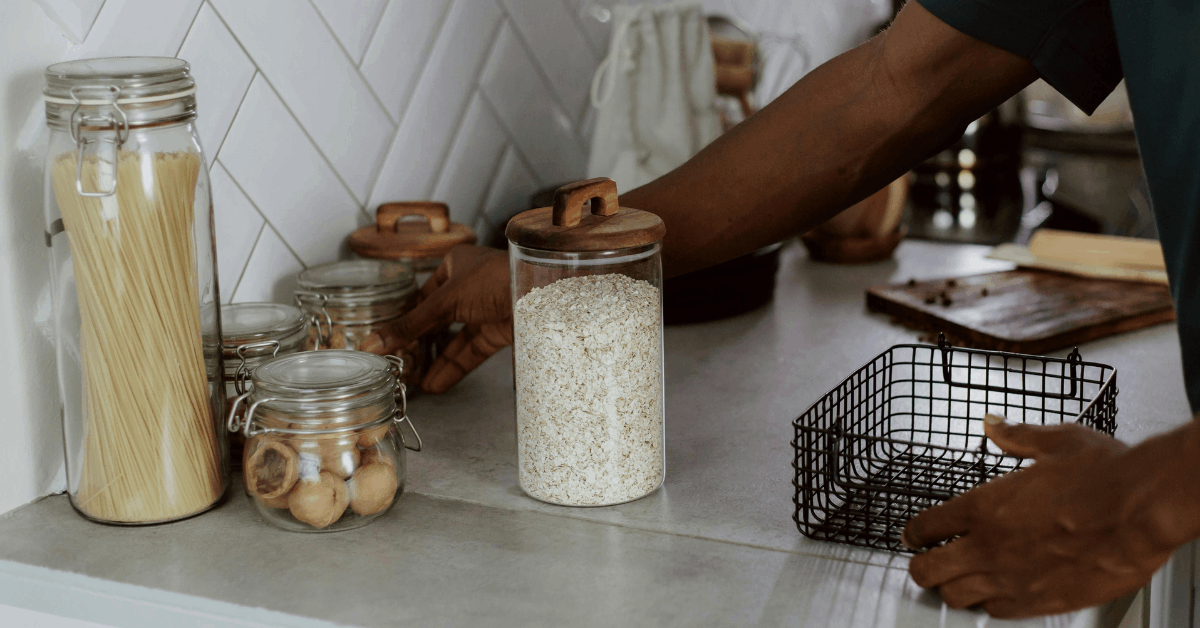
Let’s be honest: not every home is magazine-ready all the time. Even after a deep clean and fresh batch of labeled jars, daily life quickly brings back clutter, surprise snacks, and that one open bag of rice threatening to spill.
This article looks at pantry organization for homes that, well, stay a bit imperfect—because, in reality, that’s most of us.
Why Pantry Organization Matters in Real Life?
It’s easy to think pantry makeovers are only for perfect kitchens, but there are real, everyday benefits to organizing—even if things never stay tidy for long.
People from all backgrounds (families, singles, roommates) notice that some structure helps cut food waste and saves money. There’s also the small joy of actually being able to find the peanut butter, especially when you need it most.
Reducing Stress During Busy Moments
A little order in the pantry can mean fewer frantic searches before dinner. This is maybe even more true if the house is a bit chaotic. For those who meal prep, even basic labeling and grouping can help the process feel less overwhelming.
Preventing Waste and Overbuying
By knowing what you already have in the pantry, you’re less likely to buy duplicate items. This helps reduce food waste and trips to the store—plus, it’s easier to spot the cans of beans before they expire.
Common Organization Pains for Realistic Homes
Plenty of advice ignores how a pantry often ends up: bags half-closed, snacks within kid-reach, and random packets appearing overnight. Real life brings these challenges, and it’s okay if every container isn’t perfectly stacked all the time.

Limited Space and Awkward Layouts
Some kitchens have tiny pantries or odd-shaped shelves. Rather than aiming for perfection, small tweaks like grouping similar foods or using baskets can help. It’s not about the look—it’s about function.
Unpredictable Schedules
When schedules change, meal plans fall through. Storing ‘emergency’ snacks or staples in easy-to-reach spots (even if it sometimes looks messy) is often more practical than hiding everything away.
Simple Pantry Strategies for Imperfect Spaces
Perfect organization may not last, but routines and certain habits can make life a little easier in a lived-in home. The goal: keep the chaos just manageable enough to work for you, whoever you are.
Broad Food Categories (Not Micro Sorting)
Grouping by meal type (breakfast, snacks, dinner bases) or by who uses items most (kids, adults) means fewer rules to remember. This system is more likely to survive a busy week—or three.
Clear Containers and Flexible Storage
While glass jars look nice, clear containers (even if mismatched) help spot low supplies at a glance. Storing snacks in shallow baskets lets everyone access what’s needed without digging through stacks.
Open Bins for ‘Unsorted’ Items
Not every item will have a home. Setting aside one or two bins marked ‘use soon’ or ‘grab-and-go’ helps manage overflow and makes shelf resets quicker.
Maintaining Sanity with Quick Reset Habits
Even the best organizational systems end up messy after a while. Building in a five-minute weekly reset, perhaps while putting groceries away, can keep everything functional without the pressure of total order.
The “First In, First Out” Reminder
Rotating older foods to the front and tucking new purchases toward the back encourages natural use of ingredients. It’s a classic method common in restaurant kitchens but easily adapted to any home setup.
Regular Check-Ins Instead of Overhauls
Rather than organizing everything at once, looking through just one shelf or bin whenever you have a moment might prevent clutter from getting out of hand. It’s not a magic fix—just a realistic pace for everyday life.
Family and Housemate Involvement
No single person can keep a pantry organized alone forever. Even light encouragement (like a shared list on the fridge of what’s running low) can get the group involved—and perhaps even avoid some snack debates.
Shared Responsibility (With Lots of Flexibility)
If kids, partners, or roommates know where basic things live, everyone can help return items. It may not be perfect, but some involvement leads to less stress for all.
Affordable Pantry Organizers That Work
It’s tempting to spend big on matching containers, but most homes function fine with budget options. Repurposing old baskets or using labeled cardboard boxes often makes an immediate difference without much fuss.
Low-Cost Storage Ideas
- Repurpose shoeboxes or produce containers for snacks.
- Label leftover plastic bins for specific food types or meals.
- Use clips or chip-bag holders to keep open bags tidy.
- Install tiered shelf risers to spot canned goods more easily.
When Perfection Isn’t Possible (and That’s Okay)?
There’s no “end goal” with pantry organization. Some days, clutter wins. Learning to work with imperfect systems might just be the most sustainable way forward, especially for busy households. Perfection is rare and maybe unnecessary.
Conclusion
Pantry organization does not need to look perfect to make daily cooking and grocery planning easier. Simple systems like broad categories, open bins, clear containers, and first-in-first-out rotation can reduce clutter, food waste, and overbuying.
Shared habits also help families, roommates, or busy households keep the pantry functional without constant deep cleaning. With flexible routines and low-cost storage ideas, an imperfect pantry can still become easier to use and maintain.