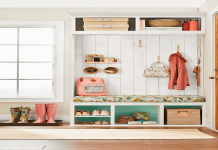
Preserving memories can feel complicated, especially when storage space is limited. Many people find themselves surrounded by sentimental items and unsure what to do next.
If you’re looking to create balance—honoring the past while maintaining an organized home—this guide offers realistic, gentle suggestions.
Whether you’re a lifelong collector or just feeling overwhelmed, there’s a path to clarity that doesn’t require discarding everything you cherish.
Why Sentimental Items Matter to Us?
It’s natural to form emotional connections with belongings. Maybe an old birthday card brings back the sound of a loved one’s laughter, or a worn t-shirt sparks nostalgia for youthful adventures.
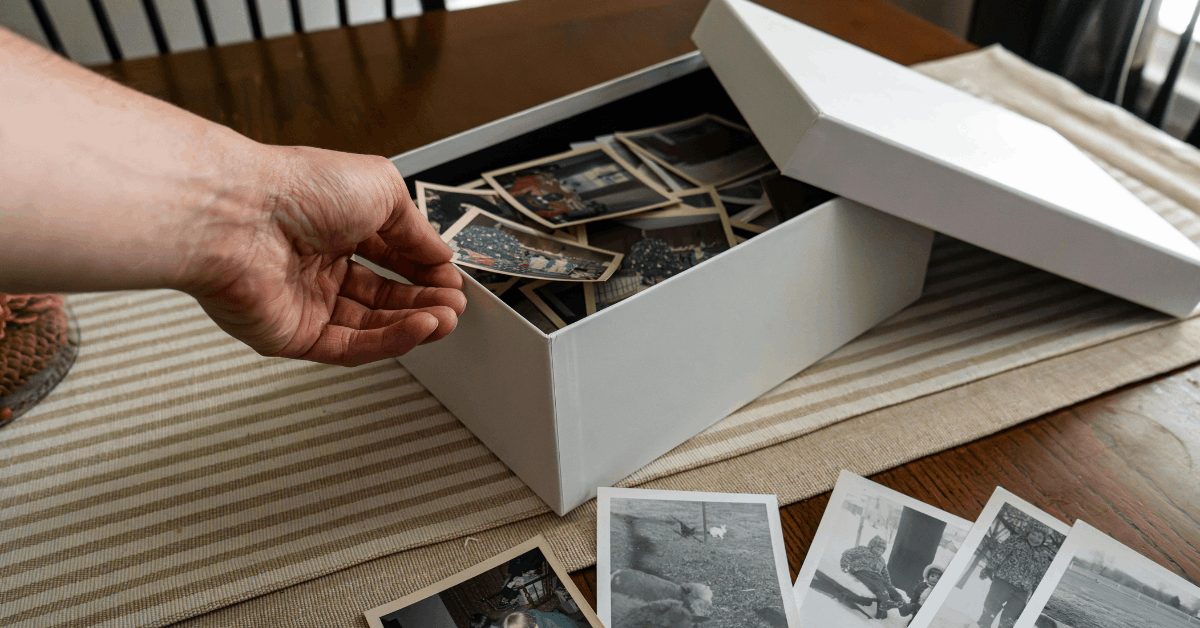
It’s not always about the object itself; it’s about the story and the feeling it revives. Sometimes, even letting go of a small trinket can feel like losing part of yourself, which makes organization a sensitive topic.
Understanding What Makes an Item Sentimental
Sentimental value can be hard to quantify. A faded ticket stub, a childhood stuffed animal, or handwritten notes—all may hold different significance to different people. Recognizing this complexity is crucial.
It’s helpful to distinguish between items tied to true emotional memories and those that linger out of habit or guilt.
Flexible Approaches to Sorting Sentimental Belongings
There’s no universal method for sorting. What works for one person might feel impossible for another. Some find it easier to group items by type—photos, letters, keepsakes—while others prefer sorting by event or era.
Allowing yourself to move at your own pace can make the process less stressful, possibly even enjoyable at times.
Sorting by Emotional Impact
One way is to gently ask, for each item: does this bring a sense of warmth or just weigh you down? If an object evokes anxiety or guilt, perhaps it’s not truly serving you anymore.
At the same time, letting go might seem too final; it’s okay to set a few things aside for later reflection.
Grouping by Category or Story
Another idea is to organize items into categories—such as school days, travel, or family events. Maybe you’ll find themes emerging, or patterns that help make decisions. Sometimes, just seeing how much you’ve kept in a single category can prompt gentle reevaluation.
Thoughtful Methods for Honoring Memories (Without Keeping Everything)
While some items may be kept, others don’t have to be lost forever. Finding creative ways to preserve memories can be as meaningful as holding onto the physical object.
Digitizing Keepsakes
Scanning photos or letters creates a lasting archive, often freeing up substantial space. Some people enjoy photographing 3D objects or recording short videos explaining their significance.
While digital loss is possible, so is damage to the physical originals—it’s a trade-off, but one that many find practical.
Creating Memory Boxes or Albums
Containing memories within a dedicated box or album allows for easy revisiting. If space is tight, choosing a small box seems to encourage more careful curation.
It might feel odd at first, but sometimes having limits sparks thoughtful decisions about what truly matters.
Repurposing Items
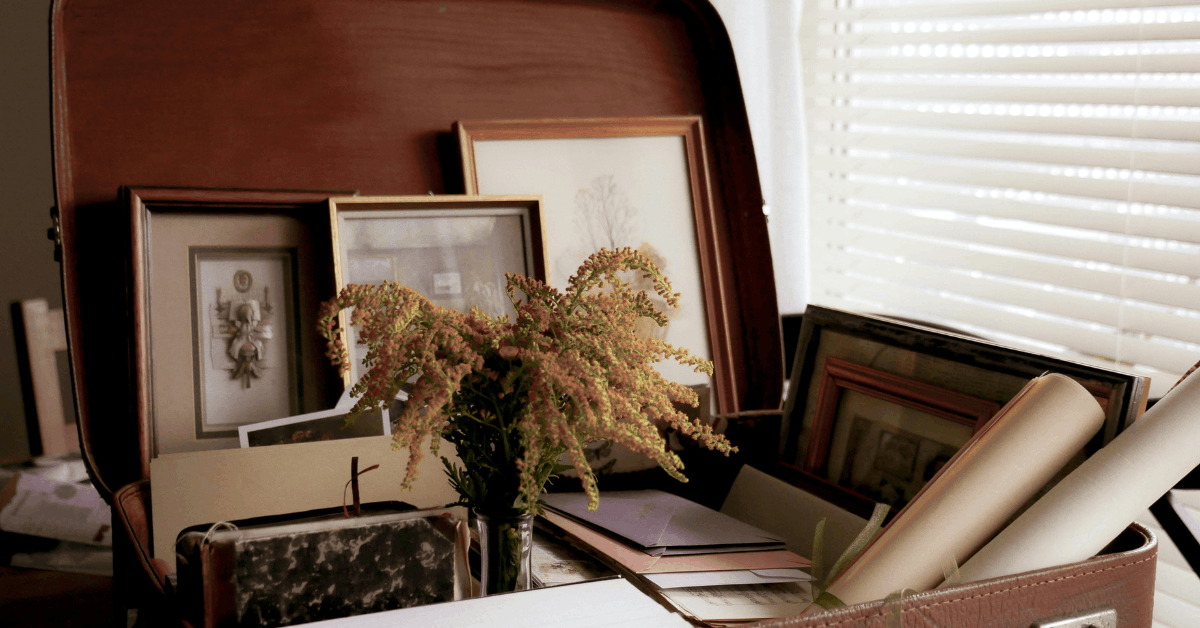
Turning sentimental clothing into a quilt, or combining greeting cards into a framed collage, can breathe new life into old favorites.
This isn’t the route for everyone; sometimes crafting seems daunting, but for those interested, it’s a way to honor the past with creativity.
Tips to Navigate Emotional Roadblocks
It’s easy to get stuck. Even after sorting, uncertainty can linger. Some common feelings include guilt about discarding gifts, fear of forgetting, or anxiety about later regret. Acknowledging these emotions, rather than dismissing them, tends to make the process more gentle.
Taking Small Steps
Perhaps it helps to start with items of lower emotional weight—a birthday card from a distant acquaintance, or souvenirs that don’t spark much nostalgia.
Small victories build confidence for bigger decisions later on. There’s no race, though occasionally deadlines do arise, as with moving.
Allowing Time for Decisions
For much-loved items, maybe a waiting period feels right—setting things aside, then revisiting after a few weeks. Perspectives can change over time. What once seemed impossible to let go sometimes becomes okay, almost unexpectedly.
Setting Realistic Limits for Sentimental Storage
Most homes can only accommodate so much. While it may seem harsh, giving yourself a limit—one box per person, a defined shelf, or a single drawer—provides useful boundaries.
If you genuinely can’t fit everything, these gentle rules help prioritize the items that mean most.
Location and Accessibility
Deciding where to store sentimental items matters, too. An easily accessible place can make revisiting memories feel joyful rather than like a chore. At the same time, displaying too many keepsakes can create visual clutter. It’s a balance, rarely perfect.
Letting Go With Intention – And Without Guilt
Sometimes, releasing items brings unexpected relief. Parting with objects doesn’t erase the memories attached to them.
Finding an intentional way to let go—donating, gifting to someone who’ll appreciate the item, or even holding a small farewell ritual—might help soften the transition. There’s no formula for this; only you can say when it feels right.
Supporting Others in Letting Go
If you’re managing family heirlooms or helping someone else sort, the decisions can be even harder. Respect for each person's pace and emotional process seems essential. Not everything will have a perfect new home or solution, which is frustrating, but normal.
Developing a Sustainable Relationship With Memory-Keeping
Ultimately, organizing sentimental possessions isn’t a one-time task. As new memories are made, older items accumulate.
Establishing small, ongoing routines—such as reviewing items annually or setting aside a memory corner—can prevent things from piling up again. No approach is flawless, and that’s perfectly okay.
Conclusion
Organizing sentimental items can help preserve meaningful memories while keeping the home calmer and easier to manage. The goal is not to discard everything, but to choose what truly represents important people, places, and moments.
Memory boxes, digital archives, albums, and creative repurposing can all make keepsakes feel more intentional. With patience and gentle limits, sentimental belongings can stay meaningful without creating unnecessary clutter.