
Many households rely heavily on a few simple cleaning tools, but despite their daily value, these items often get overlooked.
Sometimes, they get tucked away until needed, or left neglected, so their usefulness drops without much notice.
Anyone managing a home, apartment, or even just a small space can relate to the gradual decline of their cleaning supplies—sponges smell musty, brooms shed bristles, or dusters become less effective.
Ultimately, a little care and organization of cleaning tools can make home upkeep much simpler, save money, and help households feel fresher without adding stress.
This article explores practical, straightforward habits and simple organization solutions that fit most budgets and time constraints.
Anyone looking to streamline their cleaning routine and extend the lifespan of each tool will find tips that fit their needs. Perhaps, by tweaking a few habits, daily or weekly cleaning won’t feel like such a chore.
Why Proper Care of Cleaning Tools Matters?
It’s easy to underestimate how much a mop, brush, or duster affects the overall result of cleaning. Fresh, well-kept supplies are more efficient—and perhaps, even more motivating to use. Here’s why this matters:
Better Cleaning Results
Dirty or worn-out equipment often spreads grime rather than removes it. If a mop carries stale odors or leftover debris, it may seem easier to skip a cleaning task. In contrast, fresh cleaning tools make jobs faster and more pleasant.
Cost Savings Over Time
Regular maintenance prevents the need to frequently replace supplies. A quick rinse or occasional thorough cleaning can add months—or even years—to a tool’s life. While it feels minor, the costs of replacing cleaning gear add up over time.
Healthier Home Atmosphere
Leftover bacteria or mold on brushes and cloths contributes to indoor air pollution. Cleaner tools don’t just shine floors—they help minimize lingering allergens, dust, and even unwanted odors in the living space.
Simple Habits to Keep Cleaning Tools Fresh
Sometimes keeping things simple makes routines easier to follow. People often overlook minor habits that make a big difference in the freshness of their supplies.
Rinsing After Each Use
A quick rinse under running water removes cleaning product residue and debris after each job. Even a mild soapy rinse for cloths or mops, followed by a squeeze-dry, can reduce odor buildup and prevent mold.
Allowing Full Drying
Storing tools when slightly damp encourages bacteria growth. Ideally, let mops and sponges dry completely, perhaps in a well-aired part of the house, before putting them away. Sunlight can help, though some spaces simply aren’t bright enough—still, airflow counts for a lot.
Assigning Each Tool a Purpose
Seeing a battered brush or rag used for multiple tasks is common, but this practice causes faster wear. Perhaps, setting an informal rule—one cloth for windows, another for bathrooms—keeps things clearer and extends the lifespan of each tool.
Organizing Cleaning Tools for Convenience
Even in a small living space, how and where supplies are stored can change how easy it feels to keep up with chores. Organization doesn’t need fancy equipment—a few hooks, baskets, or an improvised caddy usually suffice.
Dedicated Storage Spaces
Designating a shelf, closet corner, or under-sink area makes cleaning supplies easy to find. When items have a consistent home, they’re less likely to disappear or get mixed up with unrelated household things.
Vertical Storage Solutions
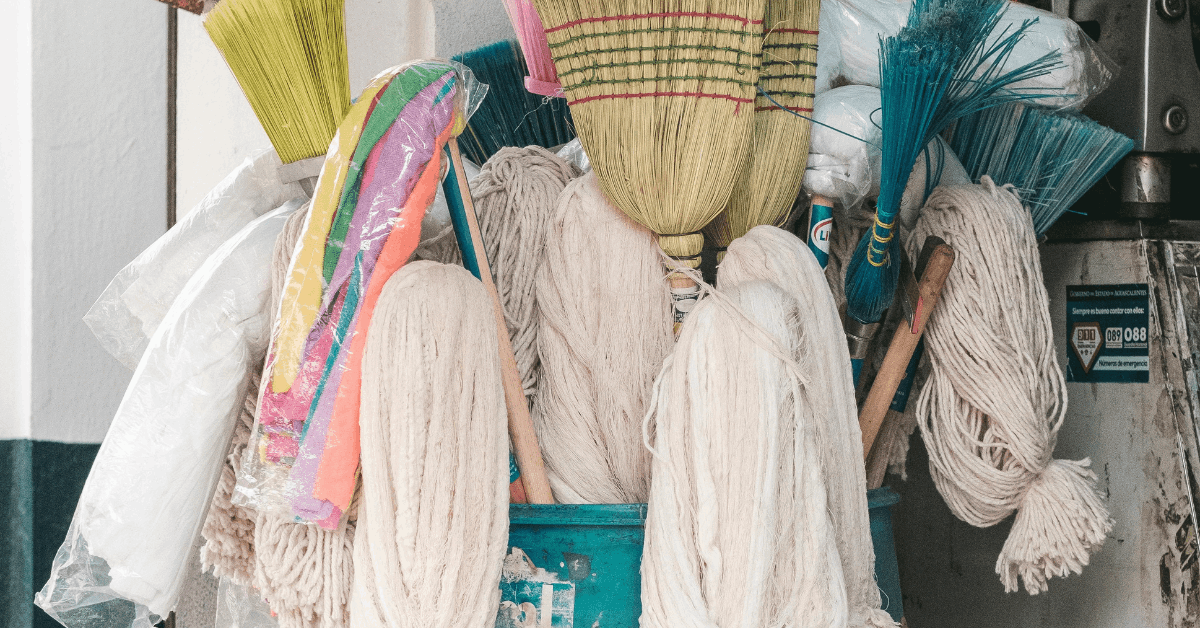
Storing mops, brooms, and dusters vertically keeps bristles or fibers in better shape. Door hooks, pegboards, or a simple wall rail with clips can be useful—sometimes, these little upgrades aren’t costly and pay off in convenience.
Using Portable Cleaning Caddies
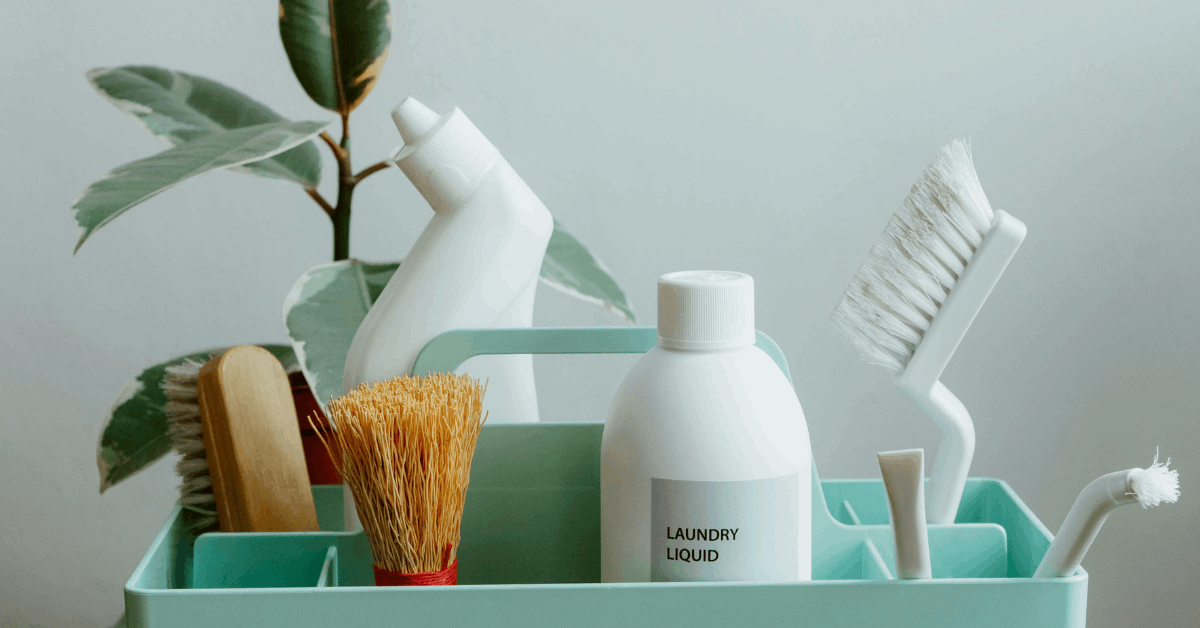
A basket or caddy gathers frequently used items in one place. It’s practical to assemble a small kit for quick spot cleaning or to carry from room to room—especially helpful for anyone pressed for time or easily distracted mid-task.
Cleaning and Maintaining Each Tool Type
Different cleaning tools benefit from specific care habits, depending on their material and use. A quick guide can simplify routine upkeep without feeling overwhelming.
Sponges and Scrub Pads
Washing sponges with hot water and mild soap after every use, then squeezing them thoroughly, slows down bacteria growth. Some households find soaking in a diluted bleach solution once weekly helpful. Sponges do require replacing eventually, but regular care slows this down.
Mops (String, Sponge, or Steam)
String or sponge mops perform better when heads are rinsed immediately after cleaning, then left to drip-dry.
Occasionally, a soak in a cleaning solution can refresh the fibers. For steam mops, it’s a good habit to empty water tanks and check for clogs in the nozzle afterward.
Brushes and Brooms
After sweeping, quickly shake or tap brushes outdoors to dislodge dirt. Occasionally washing bristles with soap and water, followed by gentle combing if needed, prevents build-up and bending. Bristles last longer when not resting on their tips during storage.
Microfiber Cloths and Dusters
Washing microfiber cloths separately, with mild detergent and no fabric softener, keeps fibers effective.
Air-drying them usually works better than tumble-drying, which can degrade fabric over time. Dusters with removable heads also benefit from periodic washing.
When to Replace Cleaning Tools?
Nothing lasts forever, but it’s easy to overlook when something reaches the end of its useful life. Sometimes, holding on too long becomes counterproductive. Common signs include persistent odors, fraying, or loss of shape—even after regular cleaning and care.
Signs of Wear That Compromise Usefulness
- Bristles losing shape or falling out of brushes
- Mops that remain discolored or smelly despite thorough washing
- Sponges that feel slimy or develop cracks
- Microfiber cloths that leave lint or stop absorbing well
Replacing tools at the right time supports better cleaning outcomes and safety. While always weighing cost matters, there’s sometimes peace of mind in using a fresh supply.
Additional Tips to Boost Tool Lifespan and Convenience
Some simple actions, perhaps even habits picked up from others, add extra value for those wanting maximum longevity and convenience.
Labeling for Specific Uses
Adding labels to cloths, mops, or spray bottles can help every household member use things consistently. A small piece of tape or a marker for identifying each tool’s job avoids cross-contamination and confusion, especially in shared living spaces.
Rotating Extra Supplies
Having a backup sponge or cloth in rotation is helpful. Some people keep an extra set in a handy spot, swapping weekly. This routine gives each item a chance to dry thoroughly and alerts everyone when supplies run low.
Scheduled Deep Cleans
Perhaps, on a set day each month, gathering all cleaning gear for a “deep clean” and quick inventory check prevents last-minute surprises. This habit, somewhat like a mini spring-cleaning, helps everything stay in working order.
Conclusion
Proper care and organization of cleaning tools can make everyday home upkeep easier, faster, and more effective. Simple habits like rinsing, drying, labeling, storing tools properly, and checking for wear can extend their lifespan and reduce waste.
Clean tools also help prevent odors, bacteria buildup, and cross-contamination around the home. With a few consistent routines, households can save money while keeping their cleaning supplies fresher and ready to use.