Most households only notice damage when replacement becomes unavoidable. Simple maintenance tasks that you should not skip are often overlooked because they feel minor or repetitive.
In reality, these tasks prevent the most common causes of early wear across the home. Moisture, residue, looseness, and neglect quietly shorten the lifespan of everyday items.
This guide focuses on routines that fit real schedules, not ideal ones. You will see how small actions protect function, appearance, and safety. Consistency matters more than intensity. The goal is fewer surprises and longer use.

Daily Tasks That Prevent Immediate Wear
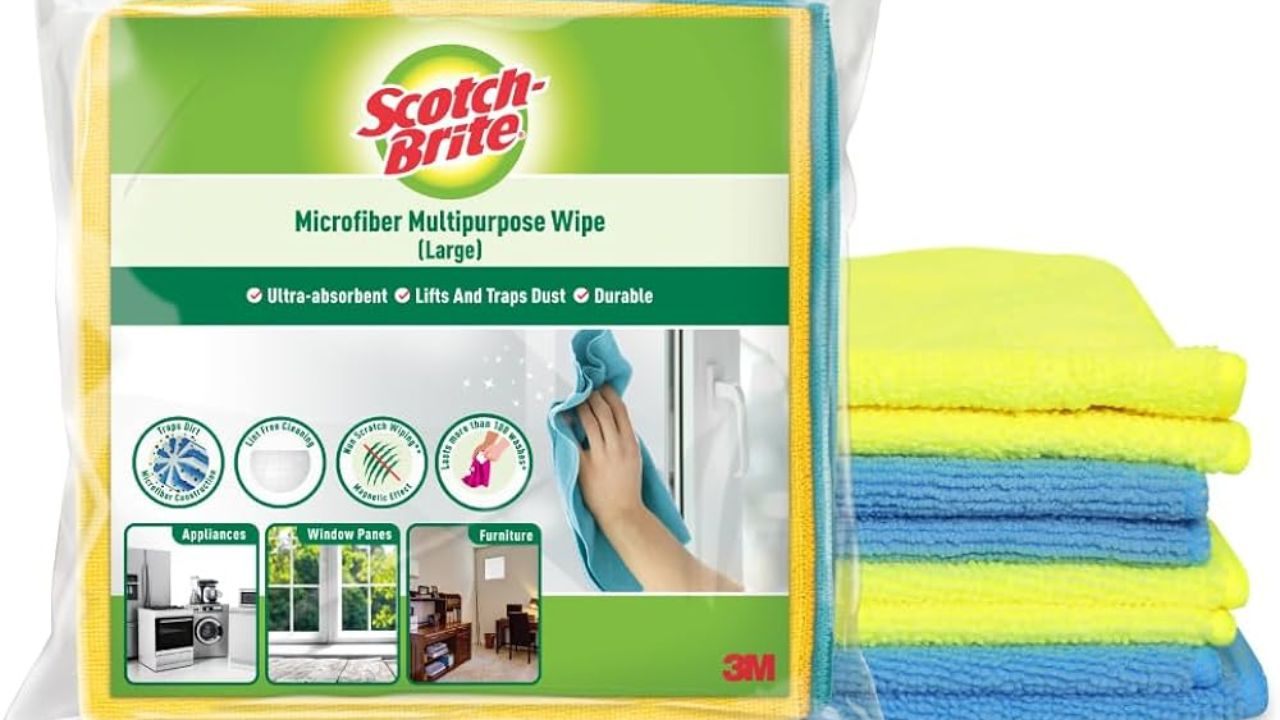
Daily maintenance works because it removes damage triggers before they settle in. Using a single tool like the Scotch-Brite Microfiber Cleaning Cloth keeps the habit friction-free. You are not cleaning deeply; you are interrupting wear patterns early.
Daily tasks focus on moisture, oils, and clutter that accelerate breakdown. Fast prevention saves effort compared to fixing hardened problems later.
Choose one consistent time so the routine becomes automatic. Missing a day matters less than restarting quickly.
Wipe And Dry High Touch Areas
High-touch surfaces collect oils, spills, and grit faster than any other area. Start by lightly wiping to lift debris before adding moisture. Drying immediately matters because trapped water seeps into seams and edges.
Focus on handles, switches, counters, and device surfaces used throughout the day. Use controlled pressure instead of scrubbing to protect finishes.
Stop when the surface feels clean and dry, not when it looks shiny. This habit prevents sticky buildup that later requires harsh cleaning.
Reset Drop Zones And Surfaces
Drop zones fail when items land anywhere without rules. Clear these zones daily so objects stop stacking, sliding, and falling. Clutter creates damage because items rub, crush, or knock each other down.
Return essentials to one assigned location instead of spreading them across surfaces. Separate wet items from dry ones so moisture does not migrate.
If a zone overflows, remove extras instead of adding containers. Simple boundaries reduce accidental wear caused by rushing.
Quick Moisture Check In Common Areas
Moisture damage often starts unnoticed in everyday spaces. Scan sinks, counters, and entry points for damp items before storing them. Dry before storage is the rule that prevents odor, rust, and swelling.
Open items briefly so air reaches hidden surfaces. Wipe pooled water instead of letting it evaporate naturally. This check takes seconds but prevents overnight damage. Repeating it daily keeps problems from compounding quietly.
Weekly Tasks That Catch Problems Early
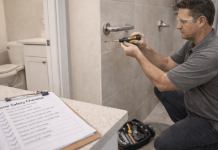
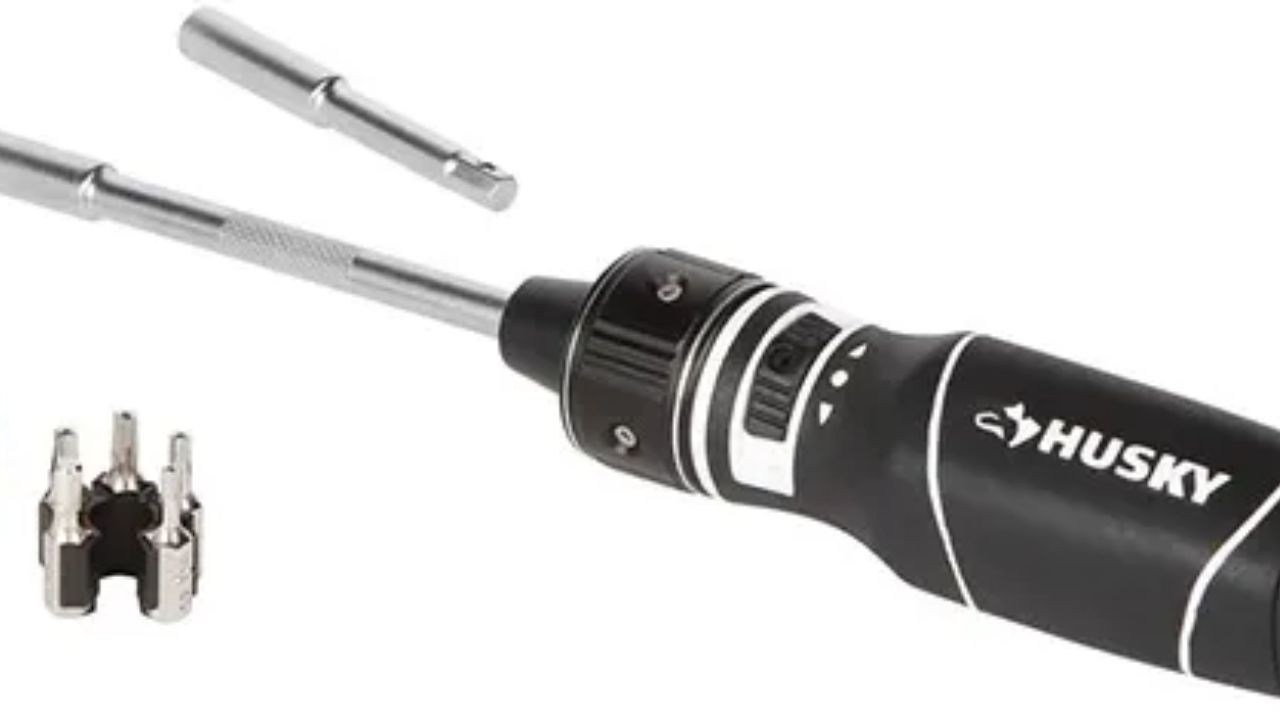
Weekly maintenance is your inspection window before small issues grow. A single tool like the Husky 15-in-1 Ratcheting Screwdriver supports quick fixes without setup friction.
Weekly tasks focus on stability, residue, and airflow. Early attention reduces replacement by addressing wear at its starting point.
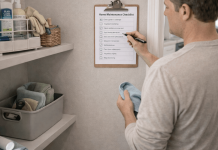
Walk the same path each week so nothing gets missed. Keep the process short so it remains sustainable. Consistency matters more than thoroughness.
Tightening And Stability Checks
Loose parts accelerate wear because movement creates friction with every use. Check furniture legs, handles, knobs, and frequently used fixtures.
Stability protects structure by reducing repeated stress on joints and fasteners. Tighten gently until secure, avoiding excess force that strips threads. Replace missing fasteners instead of forcing unstable parts.
Test the item once after tightening to confirm balance. This task prevents cracks, wobble, and sudden failure.
Residue And Buildup Removal
Residue becomes destructive once it hardens and attracts more debris. Target sticky areas around handles, lids, and edges. Cleaning early protects surfaces because it avoids abrasive pressure later.
Use gentle methods first and escalate only if needed. Remove labels or tape residue before dirt bonds permanently. Pay attention to corners where buildup hides. Weekly removal keeps materials intact and easier to maintain.
Airing Out Storage Areas
Storage spaces trap moisture and odor when airflow is limited. Open drawers, bins, and closets briefly to release stale air. Airflow prevents degradation by reducing dampness and compression damage.
Check for damp fabrics or paper and dry them immediately. Wipe interior surfaces lightly if residue appears. Avoid overpacking so air can circulate. This habit preserves stored items without adding extra products.
Monthly Tasks That Protect Function And Performance
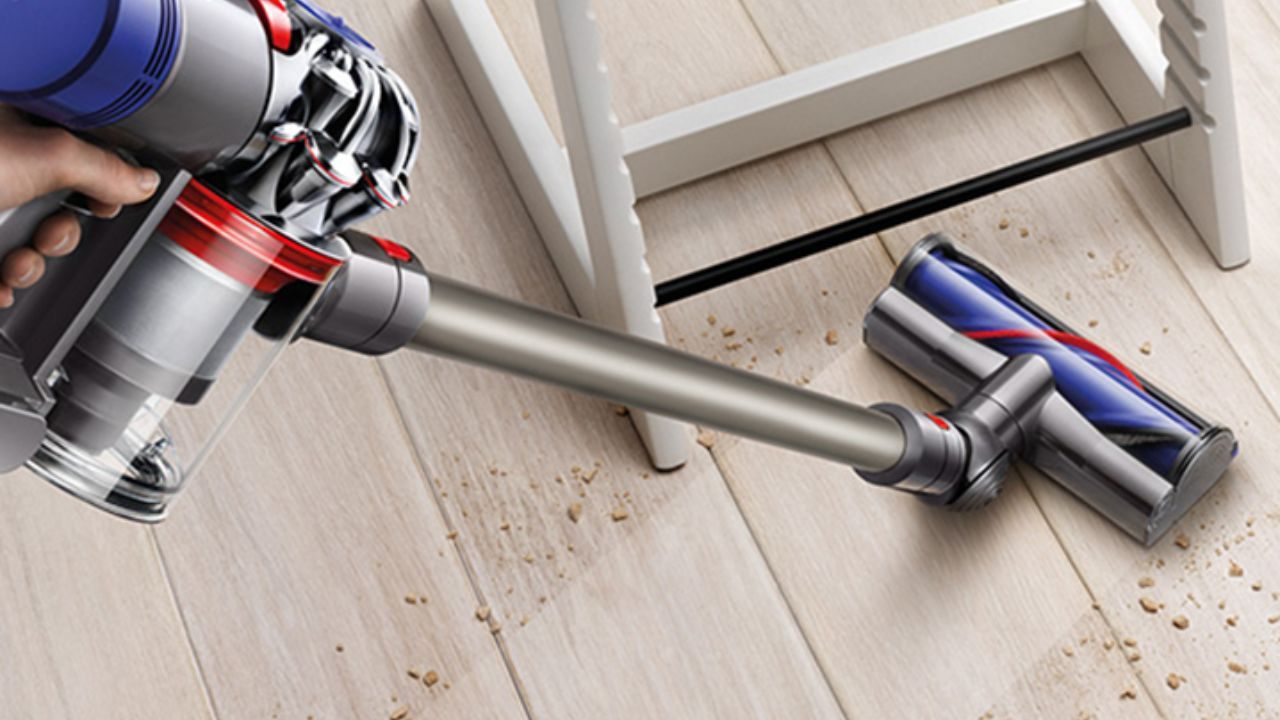
Monthly tasks address areas you do not see daily but rely on constantly. A compact tool like the Dyson V8 Cordless Vacuum makes these checks efficient.
Focus on airflow, seals, and hidden surfaces that affect performance. Monthly attention prevents slow failure that often goes unnoticed until output drops.
Choose one fixed date each month to stay consistent. Follow manufacturer guidance where materials are sensitive. These tasks keep systems working as intended.
Filters, Vents, And Hidden Surfaces
Dust buildup restricts airflow and causes overheating or inefficiency. Clean vents, fans, and accessible filters carefully. Clear airflow extends the lifespan of devices with motors or heat. Avoid pushing debris deeper by using light, controlled passes.
Check nearby surfaces so dust does not resettle quickly. Replace filters when cleaning no longer restores function. This task preserves performance and safety.
Seal And Gasket Care
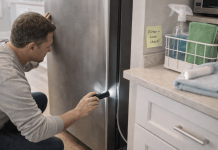
Rubber seals fail when grime and moisture remain trapped. Clean seals gently so they seat properly and do not leak. Healthy seals prevent damage to shelves, cabinets, and nearby items.
Dry them fully before closing or reassembling. Inspect for cracks or warping during cleaning. Replace parts early if the sealing weakens. Monthly checks stop leaks before they spread.
Storage Reset And Reorganization
Storage systems drift over time as items get forced into place. Empty one bin or shelf monthly and return only what belongs. Resetting storage restores order and prevents crushing or loss.
Replace cracked containers that encourage overfilling. Relabel if contents change so the system stays clear. This reset reduces duplicate purchases and misplaced items. One small reset beats full reorganization later.
Seasonal Tasks That Prevent Long-Term Damage
Seasonal changes stress materials more than daily use. Monitoring conditions with the Govee Smart Hygrometer Thermometer helps guide adjustments.
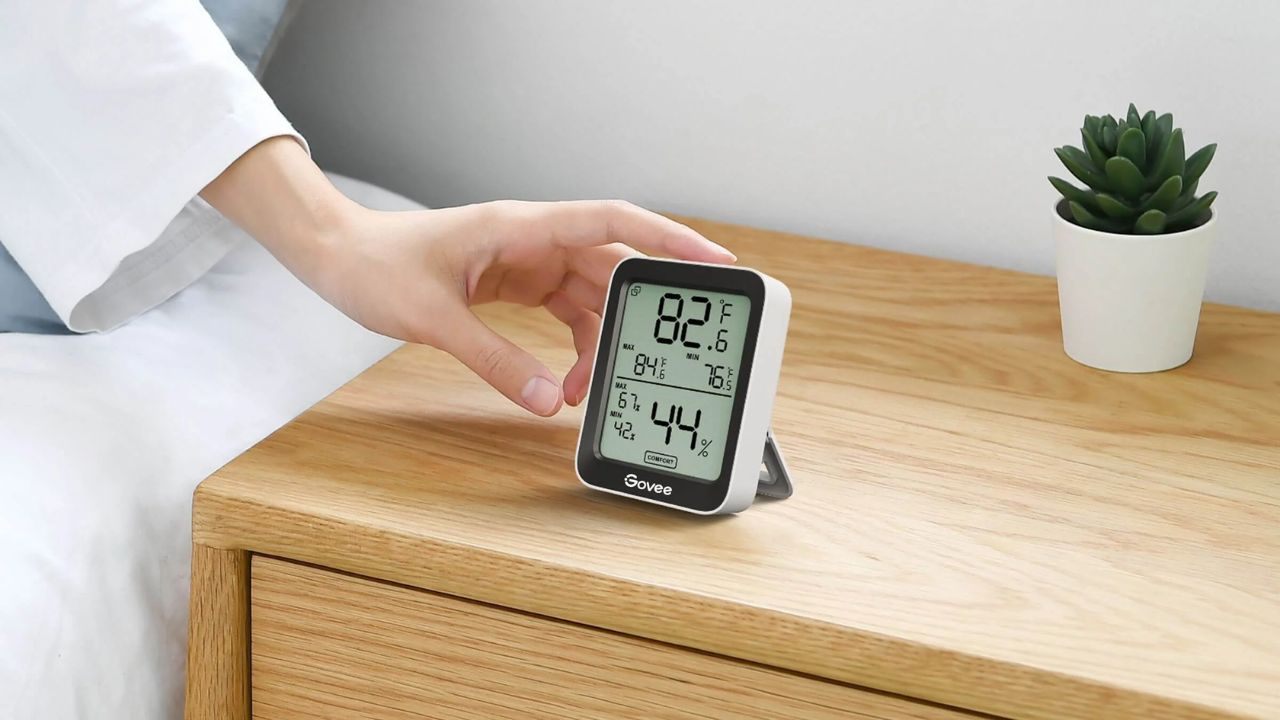
Seasonal tasks focus on humidity, heat, and prolonged storage. Climate shifts accelerate wear when ignored.
Schedule these checks during weather transitions or long absences. Small seasonal adjustments protect items year-round. Prevention is easier than recovery.
Moisture And Humidity Control
Humidity causes swelling, corrosion, and odor in stored items. Monitor enclosed spaces and adjust when levels drift. Balanced humidity protects materials like wood, metal, and fabric.
Move items off floors where moisture accumulates. Allow airflow gaps in closets and cabinets. Dry affected items immediately if condensation appears. Seasonal checks prevent hidden deterioration.
Item Rotation And Redistribution
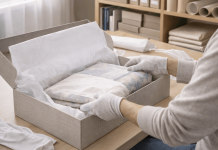
Items stored too long develop compression damage and stale odor. Rotate footwear, linens, and tools so each gets aired. Rotation preserves shape by reducing constant pressure.
Clean items during rotation to stop stains from setting. Store heavy items without stacking to prevent deformation. This task is quick but impactful. Regular movement keeps items usable longer.
Sun And Heat Exposure Checks
Heat and sunlight weaken adhesives and fade finishes over time. Check storage areas near windows or appliances. Reduced exposure prevents warping and discoloration.
Use shading or relocation rather than covering items tightly. Keep plastics and rubber away from direct heat sources. Seasonal awareness prevents gradual damage. Small location changes make a big difference.
Quick Repairs That Stop Repeat Failures
Some issues should be fixed immediately instead of monitored. A controlled adhesive like DAP RapidFuse All Purpose Adhesive supports safe, small repairs. Focus on stabilization, not cosmetic perfection.
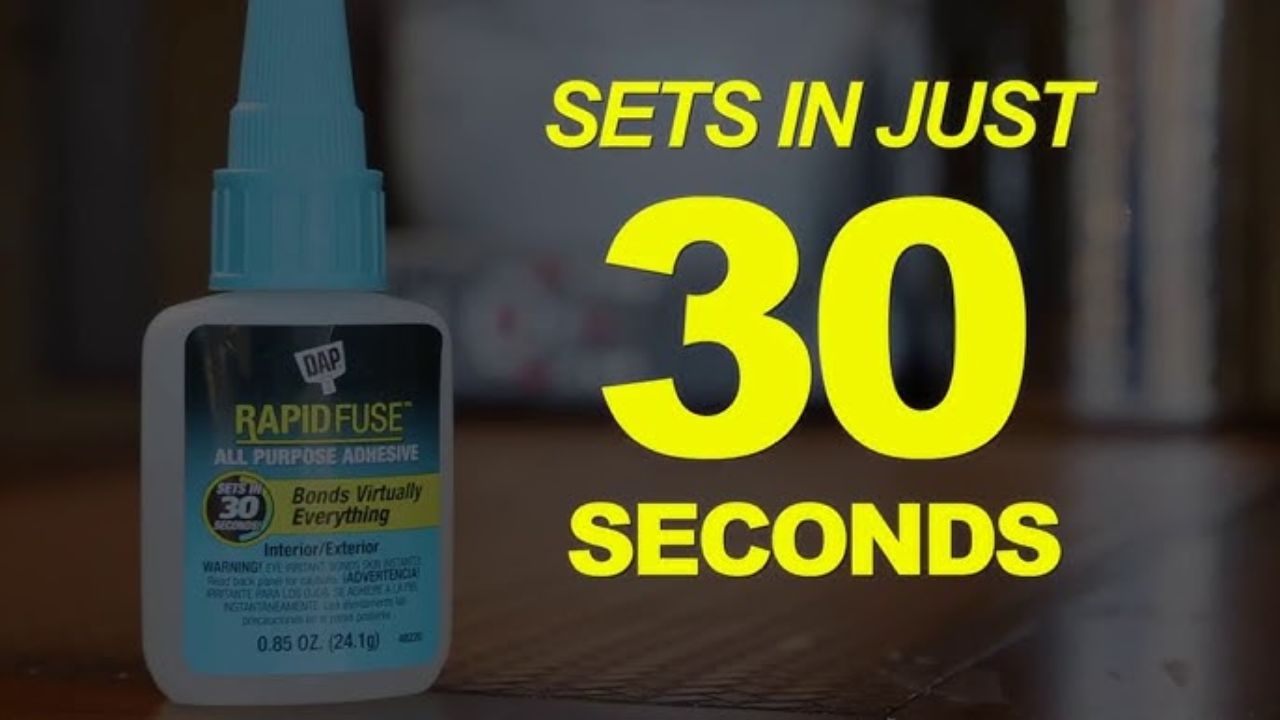
Early repairs prevent escalation by stopping movement or spread. Avoid repairs involving heat or electricity unless rated safe. Follow manufacturer instructions when available. Knowing when to act saves time and money.
Small Fixes Worth Doing Immediately
Five-minute fixes stop recurring stress that worsens damage. Reattach loose feet, trims, or guards before they tear further. Immediate fixes compound benefits by reducing daily strain.
Secure snag points that damage fabrics or finishes. Replace missing caps that allow dirt and moisture inside. These small actions prevent repeated failures. Address them as soon as noticed.
When To Stop Repairing And Replace
Not all items deserve continued repair. If safety, heat, or structural integrity is compromised, replacement is smarter. Knowing limits saves frustration and prevents risk.
Track repeated failures to spot patterns. Compare repair time against replacement value. Learn from failures to adjust future routines. Letting go can be part of good maintenance.
Conclusion
Maintenance works best when it fits everyday life. Simple maintenance tasks that you should not skip are effective because they focus on timing, not effort. Daily habits remove damage triggers before they settle.
Consistency beats intensity when schedules get busy. Missing a step matters less than restarting. Over time, items last longer, and replacements become less frequent.