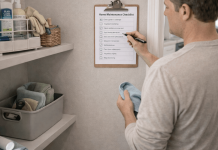
In busy seasons, predictable habits protect health, time, and money. Simple Maintenance Routines turn scattered good intentions into repeatable actions that lower stress, prevent breakdowns, and keep homes and bodies running well.
A short, dependable structure beats occasional bursts of effort, because consistency compounds benefits and reduces decision fatigue day after day.
In practical terms, a routine blends small wellness moves, quick resets between tasks, and a light home checklist that catches issues early. Expect fewer energy dips, cleaner spaces, and fewer surprise costs once regular rhythms settle in.

What Simple Maintenance Routines Mean
Simple maintenance means recurring actions that preserve function and reduce risk. Think brief morning mobility to ease joints, planned hydration to stabilize energy, and micro-cleanups that prevent clutter spirals.
The same logic applies to a home: quick inspections and small fixes cost less than emergencies. A routine works when it is realistic on hard days and still meaningful on good days, so scope each step to fit the most typical schedule rather than an ideal one.
Daily Wellness Checklist
Small anchors throughout the day keep momentum steady. This daily wellness checklist organizes actions into morning, midday, and evening touchpoints so healthier defaults require less effort.
Aim for repeatable steps, visible cues, and simple tracking that confirms progress without turning into a second job.
Morning Routine Habits
Start movement before leaving the bed to wake muscles and joints. Reach overhead, lengthen the legs, expand the ribcage on a deep inhale, then exhale and roll wrists and ankles to loosen smaller joints. A sixty-second sequence primes posture and reduces the odds of stiff, hesitant first steps.
Hydration
Hydrate early to offset overnight fluid loss and stabilize attention. A full glass near the nightstand or bathroom sink removes friction so the first decision is easy. Many people place a refillable bottle by the door to pair hydration with leaving for work or study.
Meditation
Meditation or quiet breathing lowers baseline anxiety and improves focus throughout the morning. A five-minute guided track or a simple box-breathing pattern can settle heart rate and reduce reactivity to incoming notifications. Treat the session like brushing teeth: brief, reliable, and non-negotiable.
Nutrition
Breakfast balances protein, healthy fats, and complex carbohydrates to stretch satiety until lunch. Think eggs or yogurt, fruit or oats, plus nuts or seeds for fats and texture. Preparing two default options on rotation prevents last-minute grabs that spike and crash energy.
Midday Energy Boosters
Short movement breaks counter long sitting and keep circulation moving. Set a timer for ninety minutes, then stand, walk a hallway or block, or do desk-friendly squats and calf raises. Light activity interrupts slump cycles and helps preserve afternoon focus.
Food
Skipping lunch quietly backfires. Plan a simple meal with protein, fiber, and some produce to avoid reactive snacking later. Batch-cook grains and proteins on a calmer day so assembly is fast, even when meetings stack.
Stretch and Relax
Structured mini-breaks beat vague downtime. Choose a quick relaxation drill, a three-minute stretch, or a ten-minute walk rather than scrolling. Research on active breaks shows better mood and creativity compared to unstructured pauses, and walking in particular supports idea generation.
Manage Stress
Stress spikes benefit from planned tools. Keep a shortlist of stress management techniques such as paced breathing, a brief body scan, or a calming track. If anxiety patterns repeat, pair a technique with the trigger, like opening a difficult inbox only after two minutes of slow breathing.
Socialize
Social contact stabilizes perspective. A short call, a shared meal, or a quick coffee with a colleague shifts attention away from looping worries. Light connection counts; a message to a friend or working briefly in a public space can reduce isolation without demanding deep conversation.
Evening Wind Down
Gentle mobility restores range after a long day. Foam rolling calves and upper back, light hamstring stretches, or restorative yoga poses reduce muscle tension and signal that work mode has ended. Ten minutes is enough to notice calmer breathing and an easier posture.
No Device
Screens late at night push sleep later. Power down phones, laptops, and bright TVs ahead of bedtime to protect melatonin timing. Warmer lighting and analog activities such as paper reading or journaling help the mind decelerate.
Journal
Gratitude journaling focuses attention on progress rather than gaps. List three specifics from the day, finished tasks, pleasant conversations, or small wins. This simple reflection often improves mood and smooths the transition to sleep.
Sleep
Sleep quality underpins every other goal. Protect duration and regularity with a consistent window, a cooler room, and minimal late caffeine. Treat bedtime as a standing appointment rather than a negotiable leftover.
Mini Self-Care Ideas That Work Anywhere
Quick actions can cool stress and lift mood without special gear or long sessions. These options slot into commutes, short breaks, and evenings when energy feels thin, and they support hydration habits, mobility, and calm without adding complexity.
Hug It Out
Brief, comfortable physical touch lowers cortisol and supports well-being. Hugs, hand squeezes, or a short massage exchange can soften stress responses and create a felt sense of safety after demanding hours.
Cucumber Water Upgrade
Infusing water with thin cucumber slices adds electrolytes and a fresh taste, which nudges intake upward. Small upgrades like chilled pitchers or a favorite bottle turn hydration habits into pleasant defaults rather than chores.
Count Your Blessings
Gratitude journaling reduces stress and may improve sleep and mood. Write a few concrete items daily, not vague themes. Specificity helps the brain replay positive cues more vividly.
Phone Or Text A Friend
Short, low-pressure contact interrupts rumination and rebalances perspective. A two-line check-in, a funny photo, or a quick voice note maintains connection even in crowded schedules.
Make Something With Your Hands
Hands-on creativity, such as sketching, simple pottery, or basic furniture painting, can reduce anxiety and drop stress hormones. The tactile focus competes with worry loops and offers a clear, satisfying finish.
Finish Cold In The Shower
Ending a warm shower with a thirty-second cold burst delivers a quick energy lift and a distinct mood reset. Many people anchor the blast to the final rinse so the habit sticks.
Do Some Yoga Stretching
Slow, mindful stretches calm the nervous system while easing tight areas. A short sequence of sun salutations, child’s pose, and gentle spinal twists balances mobility and relaxation without special equipment.
Pamper Your Feet
A simple at-home pedicure softens calluses and reduces discomfort that can alter gait. Exfoliate, moisturize, and trim carefully; small foot care pays off during longer standing days.

Monthly Home Maintenance That Prevents Headaches
Homes stay healthier when small checks catch problems before they spread. This monthly rhythm focuses on safety systems, moisture control, and wear points that tend to fail quietly. Keep a written list, set calendar reminders, and batch tasks into one focused block so compliance remains high.
Check Fire and Security Devices And Get Provisions
Test security systems, smoke alarms, and carbon monoxide detectors, and replace weak batteries. Confirm fire extinguisher pressure and expiration dates. Restock emergency items that run low after storms or outages.
Keep Up With Your Landscaping
Trim overgrowth, clear debris, and refresh beds to reduce pest harborage and seasonal fire risk. Regular attention keeps sightlines clear and prevents yard tasks from ballooning into full cleanups.
Maintain Your Kitchen and Appliances
Wipe cabinets, toss expired pantry items, and clean the dishwasher as specified by the manufacturer. Inspect refrigerator water lines for kinks or wear, and replace filters on schedule to prevent leaks and off-tastes.
Clean Humid Areas
Scrub tile and grout, ventilate bathrooms, and check for moisture stains that suggest hidden leaks. Re-caulk deteriorated seams around showers, sinks, and toilet bases to block water intrusion.
Inspect Major Home Systems
Check HVAC filters and swap dirty ones to protect efficiency and indoor air quality. In colder months, verify safe operation, and when autumn arrives, shut off exterior hose bibs and prepare for freezing conditions if relevant.
Pay Attention To Your Plumbing
Look for discoloration, corrosion, or cracking on visible pipes and fittings. Replace braided supply lines that show fraying, and clear slow drains before they clog completely. Investigate constantly running toilets to cut water waste.
Check Gutters
Clear leaves and obstructions from gutters and downspouts so water moves away from foundations. Repair loose sections or sagging runs, and consider professional cleaning after heavy leaf fall.
Restock Cleaning Supplies
Track inventory of basics such as soap, wipes, sponges, and paper goods. A modest buffer prevents interruptions during storms or high-demand periods and keeps regular cleaning on schedule.
Walk Through Your Entire Property
Inspect low-traffic spaces, including attics, crawl spaces, and under-deck areas, for pests, leaks, or rot. Scan large trees for visible decay, and test garage door safety features to reduce accident risk.
Update Your Home Inventory
Photograph new purchases, store receipts, and refresh an itemized list of valuables for insurance purposes. Noting serial numbers speeds claims and discourages delays after loss.
Putting It Together: A One-Week Starter Plan
Start small and build reliability. Choose a three-step morning anchor: stretch, hydrate, and five minutes of breathing, then lock it in for seven days.
Pair midday actions to existing events:
- stand and walk after two scheduled meetings,
- eat a planned lunch, and
- perform one of the midday energy boosters during the longest afternoon block.
Protect evenings with a thirty-minute wind-down window that includes screen-off time, light mobility, and a short gratitude entry. Move through alarms and detectors, review humid areas, and walk the property with a notepad. Rotate deeper tasks monthly so no session overwhelms capacity.
The combination of a daily wellness checklist and monthly home maintenance strengthens resilience, reduces surprise costs, and keeps living spaces supportive rather than demanding.
As stability grows, expand the system with preventive home care targets like seasonal HVAC service or a gutter guard install, and refine stress management techniques to match personal triggers.