Small messes look bigger when your day is packed. If you are learning how to keep your home organized daily, start with repeatable actions, not perfect rooms. This guide turns upkeep into a quick checklist you can finish fast.
You will reset the kitchen, entryway, bedroom, and bathroom in bursts. You will also add one weekly check that prevents clutter drift.
Everything here fits small homes and workweeks. Start tonight with one routine. Repeat it until it feels automatic.

The Core Daily Checklist
The core daily checklist is the minimum set of actions that keeps your home stable. It works because it targets the areas that show disorder first.

When you protect these zones, the rest of the house feels easier. Run the steps in the same order so you do not negotiate.
Aim for visible progress in high traffic spots instead of deep organizing. With this baseline, other routines get quicker.
Clear Counters And Sink
Kitchen counters and the sink show clutter faster than almost any other area. Put away items that do not belong in the kitchen first. Group what remains by use, like cooking tools or coffee supplies.
Load or wash dishes so the sink is empty, even if you stop there. Leave one tray for daily essentials to protect a clear work zone. This quick reset prevents piles from growing overnight.
Reset The Entry And Living Room
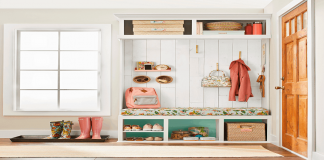
Your entryway and living room collect the fastest mix of items from the day. Return shoes, bags, and coats to their assigned spots. Use one small basket for items that belong elsewhere, then do one carry trip.
Fold blankets and straighten cushions so the room looks finished. Keep tables capped at a few essentials to protect a calm first impression. When these spaces reset, the whole home feels steadier.
Use A Carry Basket For Strays
A carry basket turns scattered clutter into one solvable task. Keep it near the living area so it is easy to grab. Drop strays into it instead of leaving them on counters. At reset time, walk the basket through the home and return items by zone.
If something has no home, assign one spot for instant clarity on storage. This prevents new piles because strays always have a path.
The Kitchen Daily System
The kitchen drives daily life, so small lapses show up quickly. A daily kitchen system focuses on flow, not constant scrubbing.

You want cooking, eating, and cleanup to move in one direction. Store tools where you use them, and keep counters ready for the next task.
When you protect the sink as your baseline, everything else is easier. These habits also cut waste because you see what you have.
Cook Clean As You Go
Cooking creates small messes, so the goal is to interrupt them early. While food simmers, return ingredients to shelves and toss packaging right away. Keep a scrap bowl and a cloth nearby so wiping is easy.
Rinse tools when you finish, then stack them in one place. You protect a clear prep area and avoid end of night overwhelm. Meals feel lighter because cleanup stays small.
The One Load Strategy
The one load strategy keeps one dish process moving every day. Run the dishwasher even when it is not full, then empty it next morning.
If you hand wash, do one short session after the last meal. Avoid soaking, because it blocks the sink and delays decisions.
A moving cycle keeps your kitchen ready for surprise tasks. Over a week, this rule reduces the main source of clutter.
The Bedroom And Laundry Daily System
Bedroom clutter usually comes from clothing and unfinished decisions. A daily bedroom and laundry system keeps items moving to the right place.

The goal is not a perfect closet, but a floor and chair that stay clear. When laundry is contained, you dress faster and clean faster.
Focus on stopping the second pile from forming instead of sorting everything. These habits protect your sleep space from feeling like storage.
Hamper Rules And Chair Ban
A hamper rule is simple: every worn item goes to one place immediately. Put the hamper where you change, not where it looks best. If you share a room, use two hampers so sorting is easier.
Keep the chair off limits for clothing, because it encourages delay. If you stage outfits, use one hook as a controlled holding spot. This keeps surfaces open and stops clothing from spreading.
Fold Or Hang In One Session
Clean laundry becomes clutter when it sits in a basket for days. Pick one moment to finish it, right after drying or washing. Fold or hang by category, then return items to their rooms.
If time is tight, handle essentials first, like towels and work clothes. You get a finished cycle instead of a lingering project that nags you. When laundry ends fully, the bedroom stays calmer.
Closet Quick Sort
A closet stays usable when you can see options without digging. Each day, put away the items you used and close the loop. Return hangers to one side so you spot what gets worn. Keep one small bin for accessories so they do not scatter.
If a category keeps falling, remove one item and create space that supports order. These tiny edits prevent weekend closet blowups.
The Bathroom Daily System
Bathrooms feel messy quickly because they mix products with tight surfaces. A daily bathroom system focuses on reset points you touch morning and night.

You are not sanitizing daily, you are keeping items contained and counters open. When products stay in place, cleaning is faster and the room feels calmer.
Start with the counter as your baseline and build from there. These steps also reduce waste because duplicates stop hiding.
Two Minute Counter Reset
A two minute counter reset keeps bathrooms looking clean between deeper cleans. Place daily items in one tray or one drawer section. Return brushes and hair tools to one container so they do not migrate.
Wipe the counter and faucet to remove water spots and paste marks. You protect a clear surface you can use immediately without moving items first. When the counter is clear, the room feels controlled.
Restock Mini Routine
Restocking supports organization because empty supplies lead to improvising. Pick one day each week to check soap, tissue, toothpaste, and cleaning wipes. Keep backups in one labeled bin, not scattered across drawers.
When you open a backup, add it to your shopping list immediately. This creates a predictable refill rhythm that prevents last minute buys. You also avoid overbuying because you see what you have clearly.
Shower Containment
Showers collect bottles fast, and too many products make cleaning harder. Limit the space to the items you use during the week. Store occasional products in a caddy under the sink or in a closet.
Use one rack or corner shelf so bottles stay upright and accessible. You get a simple lineup you can maintain and wipe down quickly. When the shower is edited, the bathroom stays cleaner.
The Maintenance Layer That Makes Daily Easy
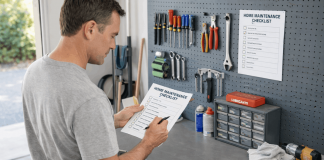
Daily habits are easier when a weekly backstop catches problems early. This maintenance layer is not a house clean, it is a short repair session.

You check categories, fix one broken zone, and restock within limits. The point is to stop small failures from becoming weekend overwhelm.
Treat it as a system tune up, not a punishment for getting busy. When weekly maintenance is steady, daily organization feels lighter.
Ten Minute Category Review
A ten minute category review prevents slow buildup that surprises you. Pick two categories, like paper and pantry, and review them weekly. Remove trash, consolidate duplicates, and return items to their homes.
Set a limit, such as one bin for batteries or one shelf for snacks. This keeps your storage honest and your choices simple when you shop. Over time, you spend less because you stop rebuying what you own.
Donation Exit Routine
Daily organization fails when nothing ever leaves your home. Create a donation exit routine with one bag near the door. As you reset rooms, drop one unused item into that bag. Pick a weekly day to take it out, even if it is not full.
This builds a steady outflow that protects your space from creeping clutter. When outflow is normal, storage stays flexible and habits feel easier.
Conclusion
Daily order is practice, not a personality trait. If you want to know how to keep your home organized daily, start with the core checklist. Protect sink and entryway so clutter stops spreading.
Use the kitchen, bedroom, and bathroom routines to close loops each night. Add a weekly review and donation bag for consistency that fits real life. Give it two weeks and the home will feel easier to manage.