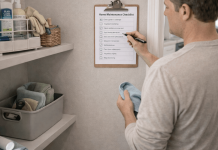
In warmer months, household systems work harder, and small problems surface faster. Simple Maintenance Tips prevent surprise breakdowns, reduce utility costs, and keep comfort steady through heat, rain, and high usage.
A short plan focused on roofs, water, air, and appliances delivers the largest return without specialty skills.
Seasonal Mindset and Planning
Routine beats rescue repairs every time. Build a Home maintenance checklist that fits your space, climate, and schedule, then assign monthly, seasonal, and annual tasks.

Keep receipts and quick notes for each item so future troubleshooting moves quickly and avoids duplicate work. Calendar reminders help convert intentions into action and keep small jobs from snowballing.
Roof and Gutter Care
Seasonal storms move debris into valleys and gutters, then force water where it does not belong. A short inspection and clear flow path protect shingles, sheathing, and foundations at once.
Plan work for a dry day and use ladder safety basics, since rushing creates avoidable injuries. Basic Roof and gutter care preserves drainage, defends siding, and prevents saturated soil near the house.
Clean Gutters Safely
Gloves, a stable ladder, and a plastic scoop handle leafy clogs without damaging seams. Work toward the downspouts, then flush with a garden hose to confirm a clear flow.
Add strainers at the top of downspouts where trees drop seeds or needles heavily. Schedule cleanings in spring and fall, then add a midsummer pass in heavy-growth regions.
Inspect Roofing Shingles and Flashing
Look for lifted tabs, missing granules, cracked shingles, and loose flashing around chimneys and vents.
Granular grit inside gutters signals aging shingles that merit a closer look. Photograph suspect areas so repairs can be prioritized or quoted accurately. After storms with high winds, repeat a quick scan from the ground using binoculars.
Direct Downspouts Away From Foundations
Extensions that discharge several feet from the foundation keep basements and crawl spaces drier.
Ensure splash blocks or piping points downhill remain intact after mowing or landscaping. When puddles persist near the house, adjust grading to slope away gently. Frequent standing water near the wall deserves a drainage review by a professional.
Water and Plumbing Basics
Leaks waste money and quietly damage cabinets, floors, and subfloors. Small checks and easy parts swaps stop water loss and prevent mold-friendly humidity.
Keep basic tools on hand, since quick access makes action more likely. Add Water leak detection tips to the refrigerator door or utility closet so each household member knows the signals.
Fix A Leaky Faucet
Shut off the supply valves under the sink, then open the faucet to relieve pressure. Remove the handle and stem to access the cartridge or washer, replacing worn parts with exact matches.
Reassemble carefully, turn the water back on slowly, and verify a dry result after several open and close cycles. When corrosion has seized parts, plan a cartridge replacement rather than forcing components.
Run A Toilet Dye Test
A few drops of food coloring in the tank reveal flapper leaks within minutes. Colored water appearing in the bowl without flushing confirms the need for a new flapper or adjusted chain.
For leaks at the base, plan a wax ring replacement and tighten closet bolts to even, firm resistance. When rocking persists, address subfloor softness before reinstalling the fixture.
Replace Washer Hoses Proactively
Rubber hoses near their service life crack unexpectedly and can flood laundry rooms quickly. Inspect for bulges, cracks, and rust near fittings, then upgrade to braided stainless lines with new washers.
Label the install date and replace every three to five years or immediately after any visible damage. Confirm the drain hose sits securely and reaches the standpipe without kinks.
Kitchen and Laundry Appliances
Cold food stays safe, and energy bills stay tame when fridges seal tightly and breathe freely at the coils. Laundry dries faster and safer when lint leaves the system completely, both at the trap and through the vent.
A light, repeatable routine qualifies as an Appliance maintenance guide that keeps equipment efficient. Keep clearance around appliances so heat can escape and service access remains simple.
Test Refrigerator Door Seals
Close a sheet of paper in the door and tug gently to feel resistance. Weak grip or visible gaps indicate tired gaskets that need cleaning or replacement.
Wash seals with mild soap, then treat with a light coat of petroleum jelly if recommended for pliability. Replace gaskets that no longer seat evenly along the full perimeter.
Vacuum Condenser Coils
Unplug the refrigerator, pull it away carefully, and brush dust away using a vacuum hose and soft brush. Clean the floor dust before pushing the unit back so debris does not return immediately.
Repeat every six to twelve months, especially in homes with pets or open kitchens. After restarting, confirm the compressor cycles normally and interior temperatures hold steady.
Clear The Dryer Lint Trap and Vent
Empty the lint screen after each load, then clean the cavity with a long brush monthly. Inspect the exterior vent flap for good movement and unobstructed airflow.
Rigid metal venting reduces fire risk and improves drying compared to flexible plastic lines. When clothes require extra cycles, schedule a full vent cleaning to restore proper flow.
HVAC and Indoor Air
Comfort, efficiency, and health all improve when air moves freely, and combustion alarms stay fresh. Filters protect coils and blowers from dust buildup while improving air quality.
Duct leaks strain equipment and raise bills unnecessarily, especially during peak weather. Treat HVAC filter replacement as a fixed calendar task instead of an optional chore.
Schedule HVAC Filter Replacement
Replace filters every one to three months, adjusting for pets, allergies, and dusty regions.
Use the correct size and MERV rating recommended for your system to avoid airflow restriction. Note the install date in marker on the frame so cycle timing stays obvious. During extreme heat, check more often because systems run longer hours.
Seal and Insulate Ducts
Inspect accessible ducts for gaps, loose joints, or missing insulation, then seal with mastic or UL-listed foil tape. Add insulation sleeves to attic and garage runs to ensure conditioned air reaches rooms efficiently.
Keep supply and return vents unblocked by furniture and curtains. When multiple rooms cool or heat unevenly, schedule a professional static pressure and balancing check.
Test Smoke and Carbon Monoxide Detectors
Press the test button monthly, replace batteries yearly, and replace units at end-of-life dates printed on each device. Place smoke alarms in sleeping areas and on every level, then add carbon monoxide alarms near bedrooms and fuel-burning appliances.
Clean sensor openings lightly so that dust does not mute alarms. When units chirp intermittently, confirm both power and expiration status rather than repeatedly silencing.
Windows, Doors, and Attic
Air sealing and insulation keep conditioned air inside and outside air where it belongs. Focus on Window and door sealing where gaps form first, then turn attention to attic insulation and ventilation.
Small beads of caulk and fresh weatherstripping deliver quick comfort improvements. In hot climates, radiant barriers and proper venting lower attic temperatures noticeably.
Caulk and Weatherstrip For Window And Door Sealing
Remove cracked caulk with a sharp knife, clean the joint, and apply a steady bead along exterior trims.
Add adhesive weatherstripping to door jambs where light shows through during a dark-room test. Inspect thresholds and adjust or replace sweeps that no longer meet the floor. Repeat a light check each season to catch fresh gaps early.
Refresh Attic Insulation and Ventilation
Check for even insulation coverage without gaps around can lights, hatches, or eaves. Add insulation to meet regional R-value guidance and install baffles that preserve airflow at soffits.
Verify that ridge, gable, or roof vents remain open and free of nests or debris. When condensation stains appear, improve airflow and look for hidden bathroom-vent terminations.

Yard, Trees, and Outdoor Equipment
Vegetation helps shade windows and cool walls, yet it can also invite pests and hold moisture against siding. Maintain a healthy distance between plants and structures, then keep the outdoor unit breathing freely.
Site drainage deserves periodic attention because soil shifts and settles seasonally. Short, regular work outside supports energy-saving tips at home and protects the building envelope.
Trim Vegetation Back From Structure
Clip shrubs a few inches away from siding and keep mulch pulled back from foundation edges.
Remove low branches that offer easy paths to roofs for squirrels and other pests. After pruning, collect debris promptly to prevent moisture from lingering against the wood. Revisit growth monthly during peak season to prevent surprise contact.
Keep Clearance Around Outdoor A/C Units
Maintain at least two feet of open space on all sides and five feet above the condenser. Brush away leaves and grass clippings after mowing so coils stay clean and efficient.
Straighten bent fins gently using a fin comb and light pressure. When noise increases suddenly, check for trapped debris or a shifted base pad.
Maintain Safe Site Grading
Ensure soil slopes away from the foundation for several feet to direct rainwater outward. Extend downspouts to discharge well beyond garden beds near the wall.
Where pooling persists, consider a shallow swale, a French drain, or consulting a drainage specialist. Regrade lightly after any major landscaping that changes runoff paths.
Floors and Electrical Awareness
Daily foot traffic brings grit that scours finishes and forces earlier refinishing. Place sturdy mats at every entrance, vacuum or sweep regularly, and mop using a cleaner compatible with the floor type. Wipe spills promptly so liquids do not creep into seams or subfloors.
For carpeted rooms, run a slow vacuum pass that reaches into the pile rather than quick sweeps. Electricity deserves consistent caution because hidden faults escalate quickly under load. Check for warm outlets, flickering lights, and frequently tripping breakers, then reduce loads on suspect circuits.
Keep cords away from water sources and replace damaged cables immediately rather than taping over wounds. When work involves panels or new circuits, hire a licensed electrician to preserve safety and insurance coverage.
Make a Sustainable Weekly–Monthly Routine
Preventive maintenance for homeowners works best when spread into tiny, repeatable actions. Assign a weekly five-minute walk-through to spot drips, smells, odd noises, or airflow changes.
Group monthly tasks into a single evening, such as testing alarms, checking filters, and clearing exterior vents. Finish each season with a one-hour reset that covers gutters, grading, vegetation, and attic or crawl space checks.
Conclusion
Consistent attention to roofs, water, air, sealing, and appliances keeps surprise expenses rare and comfort steady. A simple rhythm anchored to a practical calendar turns maintenance into a habit rather than a scramble.
Apply these Simple Maintenance Tips across the year, and costs trend lower while equipment lasts longer. Small actions done on time beat large fixes done late.