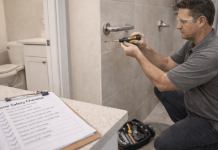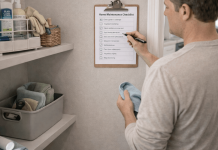
Clean systems last longer and fail less often. Most breakdowns trace back to avoidable neglect rather than mysterious defects. Strong routines keep tools, workplaces, and stored valuables stable across seasons and heavy use.
The focus stays practical here, centered on keeping items working well without wasting hours or money. Your plan should reflect updates current as of January 2026.
Build A Maintenance Mindset
Reliable results start with predictable habits. Treat maintenance as a standing responsibility shared across everyone who touches equipment, spaces, or inventory.

Clear ownership, visible schedules, and simple checklists prevent finger-pointing when something slips. Specific tasks tied to dates and names beat vague intentions every single time.
Accountability should feel routine, not punitive. Set expectations, verify completion, and close feedback loops when issues surface.
Small touches matter, such as labeling storage locations, marking last-service dates, and keeping spare consumables on hand. Short delays vanish when parts, tools, and instructions sit exactly where teams expect them.
Workplace Cleanliness That Protects Productivity
A tidy workplace reduces incidents, improves morale, and limits disease transmission. According to OSHA and national regulators, employers must maintain clean, orderly conditions and inspect walking and working surfaces regularly to eliminate hazards.
Public-health guidance also emphasizes high-touch surface cleaning at defined intervals, especially in shared spaces during respiratory-virus season.
Develop A Comprehensive Cleaning Schedule
Schedules should define what gets cleaned, how often, and by whom. High-touch surfaces need daily attention at minimum in occupied areas, while deeper tasks follow weekly or monthly cadence.
Provide the right tools at the point of use to remove friction. Visual checklists on doors, carts, or task boards make completion obvious and auditable.
Identify High-Traffic And High-Touch Areas
Door handles, elevator buttons, shared keyboards, desk edges, handrails, and restroom fixtures carry more risk. CDC materials highlight prioritizing these surfaces because more contact raises the chance of contamination.
Assign frequency tiers so the busiest surfaces receive increased attention during peak seasons. Consistency matters more than occasional deep cleans.
Prohibit Food In Sensitive Zones
Electronics benches, lab surfaces, and production areas suffer when crumbs, sugars, and liquids linger.
Post clear rules about where meals and drinks are allowed, then include those allowed spaces in the workplace cleaning schedule. Waste cans near eating areas should empty promptly to deter pests and odors that undermine hygiene efforts.
Stock PPE And Cleaning Supplies
Access drives compliance. Place hand soap, hand sanitizer, paper towels, wipes, gloves, and appropriate disinfectants where teams already work. Restock on a set rhythm and flag minimum on-hand quantities so shortages never halt routines.
Label each product’s use case and contact time to reduce misuse and rework. Keeping PPE and cleaning supplies visible supports daily follow-through.
Routine Inspections And Environmental Checks
Inspections catch problems under normal lighting and realistic noise, not just during staged audits. Regulators encourage scheduled examinations to identify hazards created by wear, vibration, heat, corrosion, chemical reactions, or misuse.
Build a route that includes seldom-visited spaces such as storage rooms, parking areas, and restrooms so issues do not linger out of sight.
Noise
Elevated noise masks alarms and speeds fatigue. Document typical levels and track any creeping increases, since louder tools may signal bearing wear or poor lubrication. Rotate tasks or upgrade hearing protection where readings trend upward.
Vibration
Persistent vibration shortens tool life and loosens fasteners. Look for mounting problems, out-of-balance components, and rough operation after impacts. Schedule timely alignment and balancing to protect both machines and operators.
Lighting
Dim or uneven lighting hides leaks, trip hazards, and labeling errors. Replace failed lamps quickly and verify lux levels at benches, exits, and inspection stations. Clean diffusers and lenses during routine rounds.
Waste
Overflowing bins invite pests and slow movement. Right-size container counts and service frequency. Segregate recyclables and regulated waste to avoid contamination and fees.
Temperature
Excess heat degrades batteries, seals, and lubricants. Cold environments reduce battery output and embrittle plastics. Keep sensitive items within manufacturer ranges to preserve lifespan.
Ventilation
Stale air traps odors and aerosols. Ensure airflow meets code requirements for the space type. Filter changes on schedule keep systems efficient and improve indoor air quality.
Disinfection Methods And Safe Use
Facilities that choose disinfection should follow authoritative guidance rather than marketing sheets.
CDC materials emphasize cleaning visible soil first, then applying an EPA-registered disinfectant for the full labeled contact time. EPA’s List N identifies products expected to be effective against SARS-CoV-2 when used as directed.
- Use EPA List N Products Correctly: Contact time controls results, so keep surfaces wet for the full label duration. Label reading prevents wasted effort and false assurance.
- Consider Electrostatic Disinfection Where Coverage Is Hard: Electrostatic sprayers can improve reach on complex shapes; effectiveness still depends on using List N products and meeting contact time.
- Confirm Device And Product Compatibility: Some disinfectants lack directions for electrostatic spray application. EPA registration and label instructions should explicitly permit the intended method.
- Evaluate Nano Barrier Protection Carefully: Residual antimicrobial coatings may supplement standard disinfection, but claims vary and registration pathways differ. Treat them as add-ons rather than replacements for cleaning.
- Protect Workers: Train on PPE, ventilation, and safe handling. Reinforce hand hygiene immediately after glove removal to reduce accidental exposures.
Keep Construction Equipment Performing Longer
Heavy equipment rewards simple discipline. Operators prefer machines that start reliably, steer predictably, and stop safely. A lightweight program anchored to a preventive maintenance checklist avoids expensive surprises and extends service intervals without drama.
Read The User Guide
Manufacturer instructions define service intervals, fluids, torque values, and safety checks. Keep manuals or digital copies at the tool crib. Train operators to reference the guide when symptoms change or warning lights appear.
Use The Correct Equipment For The Job
Undersized gear fails early and creates avoidable risk. Match tool capacity to task demands, then verify attachments and duty ratings. Vendors can advise on bespoke sizes where standard options miss the mark.
Know Your Machinery
Document age, hours, warranty terms, and known issues. Short familiarization runs surface quirks before real work begins. Clear expectations reduce overloading and misuse that cascade into repairs.
Inspect Regularly
Walk-around checks spot leaks, loose guards, missing labels, and unusual noise. Schedule qualified inspections where law or policy requires. Early findings keep small defects from damaging expensive assemblies.
Maintain On Schedule
Oil changes, filter swaps, lubrication, and calibration keep efficiency high. Track each action and the next due date to avoid guesswork. Align planned maintenance with downtime windows to protect throughput.
Replace Parts When Needed
Consumables such as belts, seals, hoses, and filters degrade predictably. Swap early to shield larger components. Maintain a small stock of common wear parts to minimize downtime.
Clean After Use
Hardened debris accelerates wear and binds actuators. Rinse equipment before materials cure. Quick end-of-shift cleaning saves hours later and keeps mechanisms responsive.
Repair And Refurbish Rather Than Replace
Rebuilds can return tired equipment to spec at lower cost than new purchases. Vendors may offer repair programs that replace wear items, repaint surfaces, and test safety systems.
Store Correctly
Designated, visible parking positions reduce accidental damage and loss. Provide covers for small tools and lockouts for powered units. Weather resistance helps, although protection still extends lifespan.
Use Quality Equipment
Strong components and conservative ratings limit failures and accidents. Initial savings vanish when inferior gear breaks early, causes injuries, or delays jobs. Value shows up across the whole lifecycle.

Store High-End Products Without Damage
Valuables deserve the same rigor as production assets. Treat storage decisions like risk management rather than a last-minute box choice. Insurance, environment control, and packing quality determine whether items emerge in the same condition they entered.
Consider Location
Trusted facilities reduce loss and handling risk. Evaluate proximity for expected access frequency and confirm available insurance coverage. Specialized providers and white-glove storage can add chain-of-custody controls for sensitive collections.
Clean Before Storing
Soil invites pests, odors, and corrosion. Clean items carefully and allow them to dry completely. Pack only once surfaces reach stable condition to avoid locking contaminants inside.
Ensure Enough Ventilation
Dry, moving air limits condensation and mold. Climate controlled storage prevents warping in wood and tarnish on metals. Ventilation protects textiles, electronics, leather, and paper from moisture spikes.
Think About Packing
Fragile items need bubble wrap, foam, or double boxing to absorb shocks. Rigid containers protect corners, while labels and orientation marks prevent mishandling. Seal boxes fully to deter dust and insects.
Consider Level And Position
High shelves reduce incidental contact when adding new items. Keep the most valuable objects toward the rear and off the floor. A simple aisle plan preserves access without crushing cartons.
When To Hire Specialists
Certain situations justify outside help. Large campuses, healthcare spaces, and transportation hubs benefit from dedicated commercial cleaning teams that manage schedules, training, and compliance.
Specialized projects such as post-construction cleaning or biohazard response also exceed typical in-house capacity. High-value collections, delicate instruments, or oversized machinery may require professional storage or refurbishment services.
Research providers, verify training and insurance, and request clear statements of work. Strong vendors reduce risk while freeing staff to focus on core operations.
Seven-Day Starter Schedule For Momentum
Short wins encourage consistency. The plan below sets a baseline most teams can sustain without extra headcount.
- Day 1: Map zones, list high touch surfaces, and set workplace cleaning schedule tiers.
- Day 2: Stock PPE and cleaning supplies at points of use and print contact times on labels.
- Day 3: Launch daily walk-around for noise, vibration, lighting, waste, temperature, ventilation.
- Day 4: Build the preventive maintenance checklist for top equipment and assign owners.
- Day 5: Train on List N usage and electrostatic disinfection basics, including contact-time control.
- Day 6: Audit storage areas and shift valuables into climate controlled storage or safer positions.
- Day 7: Review findings, order spare parts, and post the next two weeks of maintenance tasks.
Last Thoughts
Treat maintenance as ongoing work, not a campaign of occasional sweeps. Tie tasks to owners, intervals, and evidence; escalate only when your data supports it.
Keep workplaces clean, equipment serviced, and storage controlled to protect your uptime, safety, and value. Close the loop weekly so small fixes compound, your budgets stay predictable, and January 24, 2026 guidance remains current.