Every home has small items that wear out faster than they should. How to keep items in good condition is less about expensive replacements and more about simple routines.
In a world where clutter and quick fixes pile up, the right habits can protect what you already own. This Care and Maintenance guide breaks the work into rooms and short resets.
You will use basic tools, clear storage rules, and realistic schedules. Small maintenance wins add up when you repeat them weekly. Start with the room that causes you the most daily frustration.
A Simple Home Routine That Keeps Items In Good Condition
A maintenance routine works when it is short, repeatable, and tied to how you actually live. You do not need a perfect system, but you do need a consistent reset window.
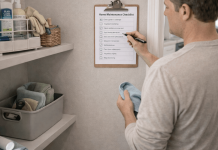
Pick a daily two-minute reset for visible surfaces and a weekly fifteen-minute maintenance block. Keep your tools in one place so you do not waste time searching.
A single maintenance kit saves more time than most people expect. Use a small caddy and store it where you naturally clean.
The Daily Reset That Stops Damage Before It Starts
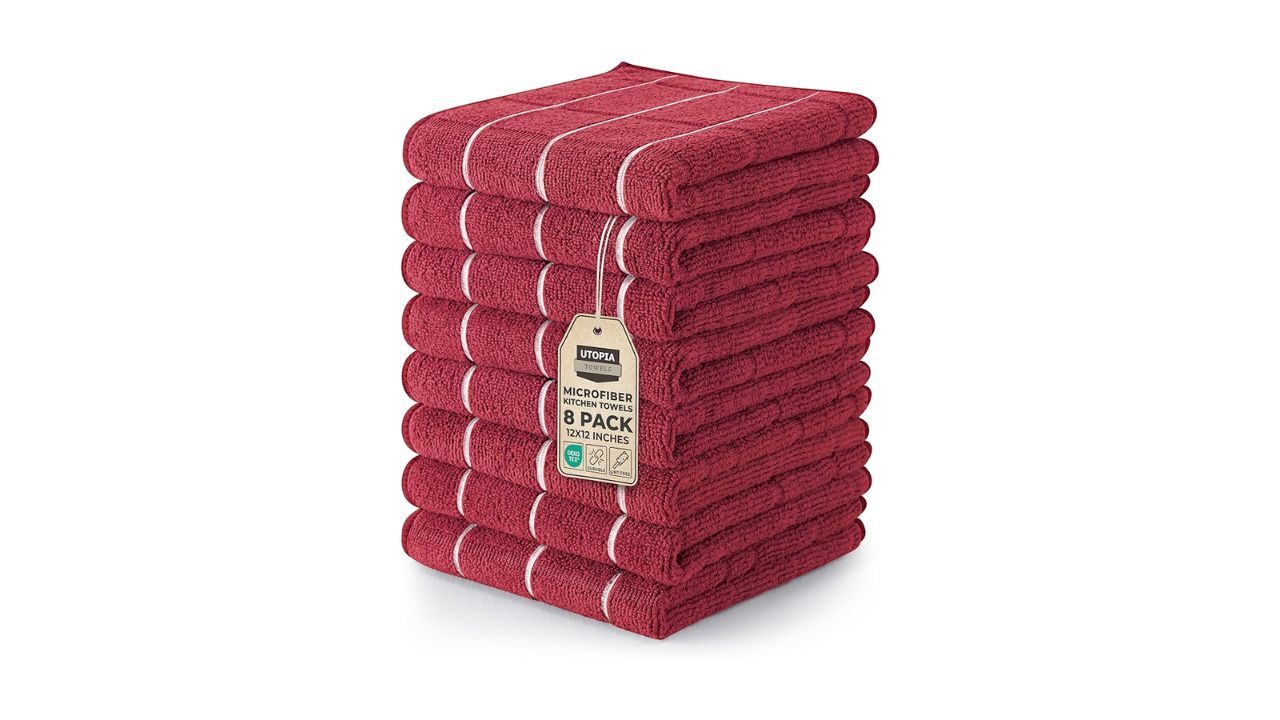
The daily reset should focus on moisture, dirt, and misplaced items that create wear. Use a Utopia Home Microfiber Cloth for quick wipe-downs on entry surfaces and tables. Add a Scotch-Brite Lint Roller to remove dust and hair before it gets ground into fabrics.
Do a fast check for wet items, like umbrellas and damp shoes, and move them to a drying spot. Two minutes of prevention keeps odors, stains, and rust from developing. Finish by returning each item to its home.
The Weekly Maintenance Window That Prevents Clutter And Breakage
Your weekly window is where you handle deeper care without making it a chore. Use a Brother P-touch Label Maker to fix problem storage zones where items get misplaced.
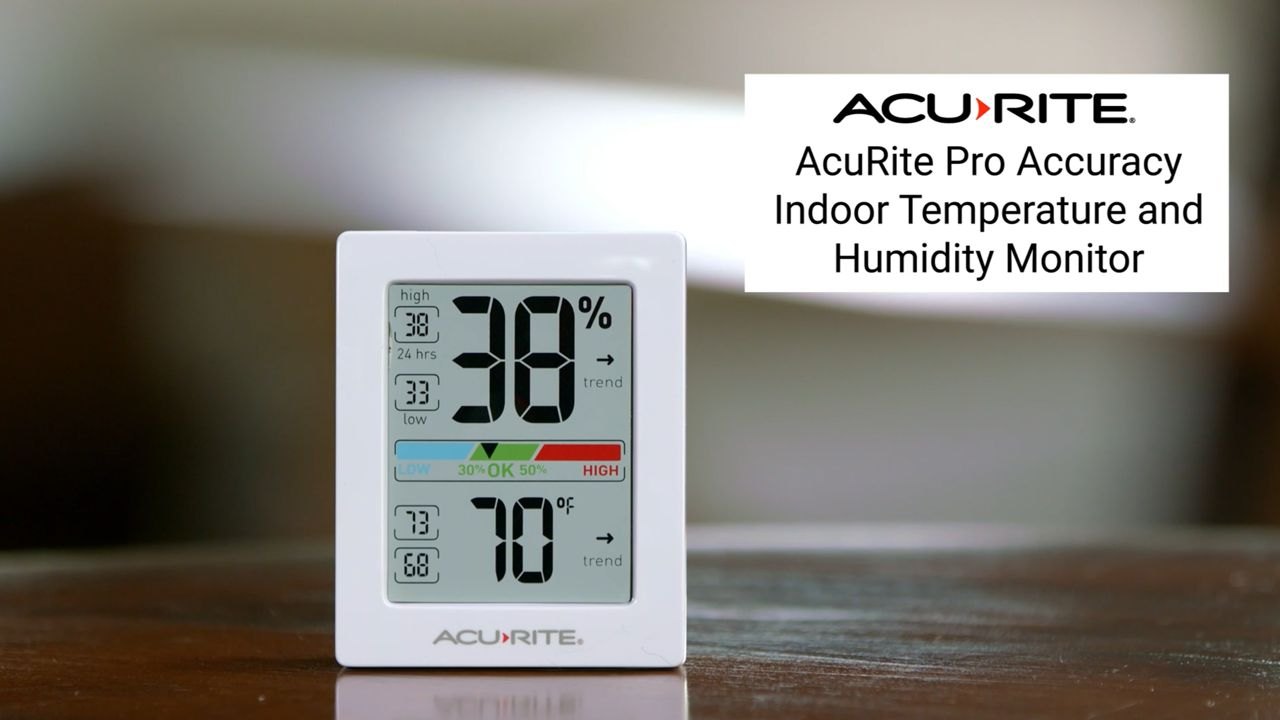
Add 3M Command Hooks to create dedicated hang points for bags, keys, and light accessories. Check indoor humidity with an AcuRite Thermometer and Hygrometer, because moisture drives mold, odors, and fabric damage.
A weekly reset ritual keeps small issues from becoming weekend projects. Follow the manufacturer’s care instructions when you are unsure.
Entryway Items: Shoes, Keys, Umbrellas, And Everyday Bags
The entryway is where moisture and dirt enter your home, so it is also where damage begins.
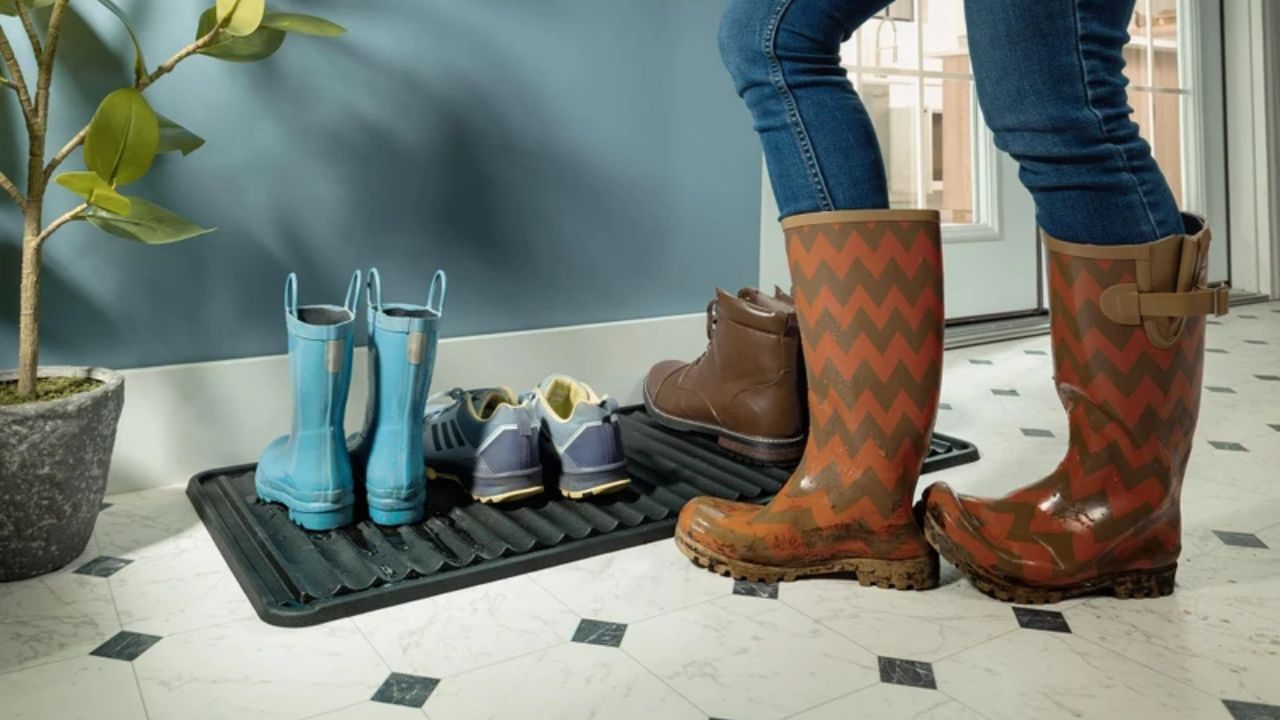
A good entry setup reduces odor, prevents rust, and stops fabric stains from spreading. You want a clear drop zone, a drying zone, and a quick-clean zone. Keep only essential items visible, and store the rest nearby but protected.
Moisture control at the door is one of the highest-impact habits you can build. The tools below make that routine easier.
Moisture Control Tools That Prevent Odor, Rust, And Mold
Start with a WeatherTech Boot Tray so wet shoes and umbrellas have a contained place to drip. Add DampRid Moisture Absorber near the tray if your space stays humid or closed.
If shoes are soaked, use a small fan and stuff them with plain paper to pull moisture out gently. Do not use high heat, because it can warp materials and loosen glue.
Drying is a care step that protects shape, stitching, and finishes. Rotate shoes so pairs rest between uses.
Quick Wipe Down Habits That Keep Items Presentable
A quick wipe routine keeps dirt from grinding into materials and damaging finishes. Keep a pack of Lysol Disinfecting Wipes or a damp cloth near the entry for handles, hard surfaces, and umbrella grips.
For bags and backpacks, use a slightly damp microfiber cloth and spot-clean, then air-dry fully. Protect fabric and canvas items with Scotchgard Fabric Water Shield, following label directions and drying time.
Light cleaning after use prevents deep stains and odor buildup. For leather items, use a dedicated cleaner recommended by the brand.
Bedroom Items: Clothes, Linens, And Accessories
Bedroom items wear out from friction, sweat, dust, and poor storage, not just from time.
Fabrics yellow when they are stored damp, and elastic stretches when items are hung incorrectly. Your goal is airflow, gentle cleaning, and storage that supports shape. Keep bedding clean on a routine and avoid stuffing drawers until they strain.
Fabric care is item care because most daily-wear items are textiles. The tools below help you protect fibers without complicated steps.
Washing And Drying Tools That Preserve Fibers And Color
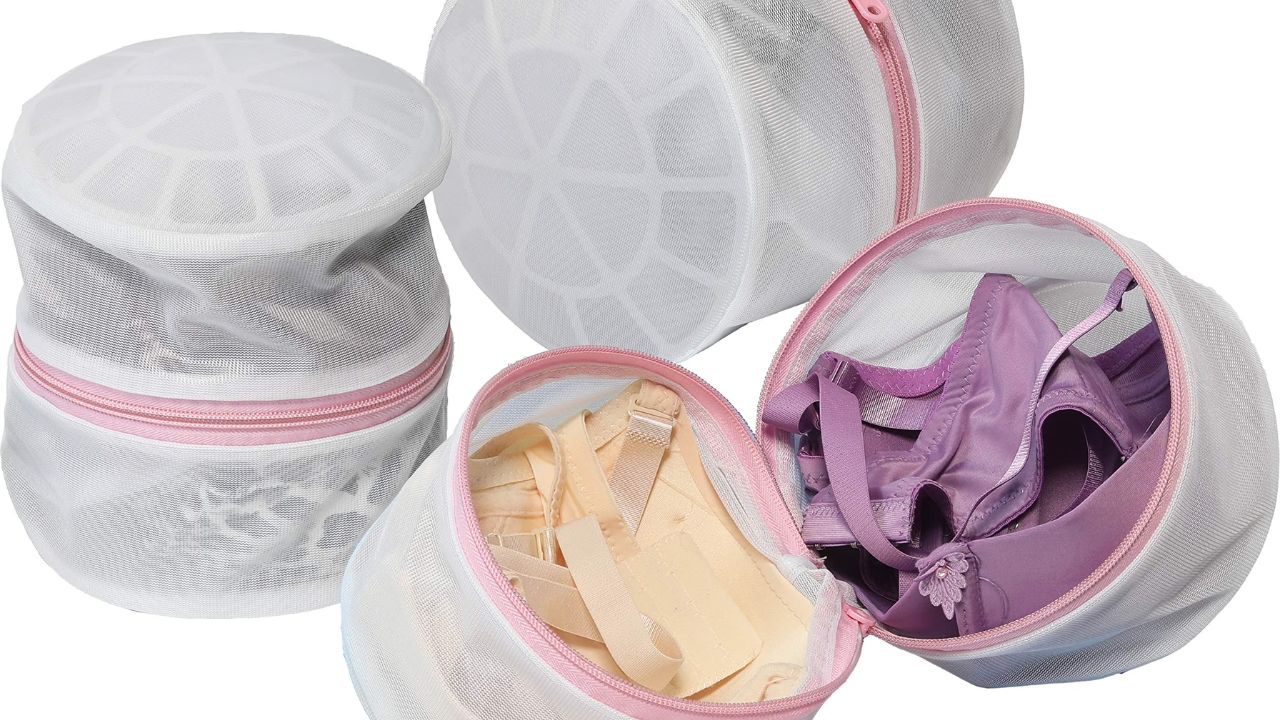
Use mesh laundry bags, such as the SimpleHouseware Mesh Laundry Bags, for delicates and items with straps. Wash with Woolite Delicates detergent when you want gentler care for knits and sensitive fabrics.
Drying is where most damage happens, so air-dry when possible and avoid high heat on elastic and synthetics. Clean lint from your dryer filter every cycle to reduce heat stress and fire risk.
Gentle washing extends life by reducing pilling, shrinkage, and fading. Always check the garment care label symbols before choosing settings.
Storage Tools That Prevent Stretching, Dust, And Yellowing
Use Zober Breathable Garment Bags for special pieces that need protection but still need airflow. For folded storage, use IKEA SKUBB boxes to keep items separated and reduce drawer friction.
Add lavender sachets or cedar blocks to discourage odors and pests, but keep them from touching fabrics directly. Store heavy sweaters folded, not hung, to prevent shoulder stretching and shape loss.
Airflow matters in storage because trapped moisture causes odor and discoloration. Use a seasonal rotation so rarely used items are not crushed.
Kitchen Items: Knives, Pans, And Food Containers
Kitchen items fail early when they are scraped, soaked, overheated, or stored in ways that cause dents.
Good care keeps cookware surfaces stable, protects sharp edges, and prevents lingering smells in containers.
You do not need fancy gear, but you do need correct cleaning and storage habits. Focus on drying, edge protection, and avoiding abrasive tools on coated surfaces.
Kitchen wear is avoidable when you match the cleaning method to the material. The tools below help you maintain daily-use items fast.
Cleaning Tools That Prevent Corrosion And Surface Damage
For stainless steel and stubborn residue, Bar Keepers Friend Cleanser is effective when used lightly and rinsed fully. For cast iron, use a Lodge Pan Scraper instead of harsh soap and abrasive pads, then dry and apply a thin layer of oil.
Use an OXO Good Grips Dish Brush to clean without scratching nonstick coatings. Avoid soaking knives and pans for long periods, as water exposure can drive rust and cause handle damage.
Drying is the real finish after washing, especially for metal. Follow the cookware manufacturer’s care instructions for coatings and seasoning.
Storage Tools That Protect Edges, Coatings, And Lids
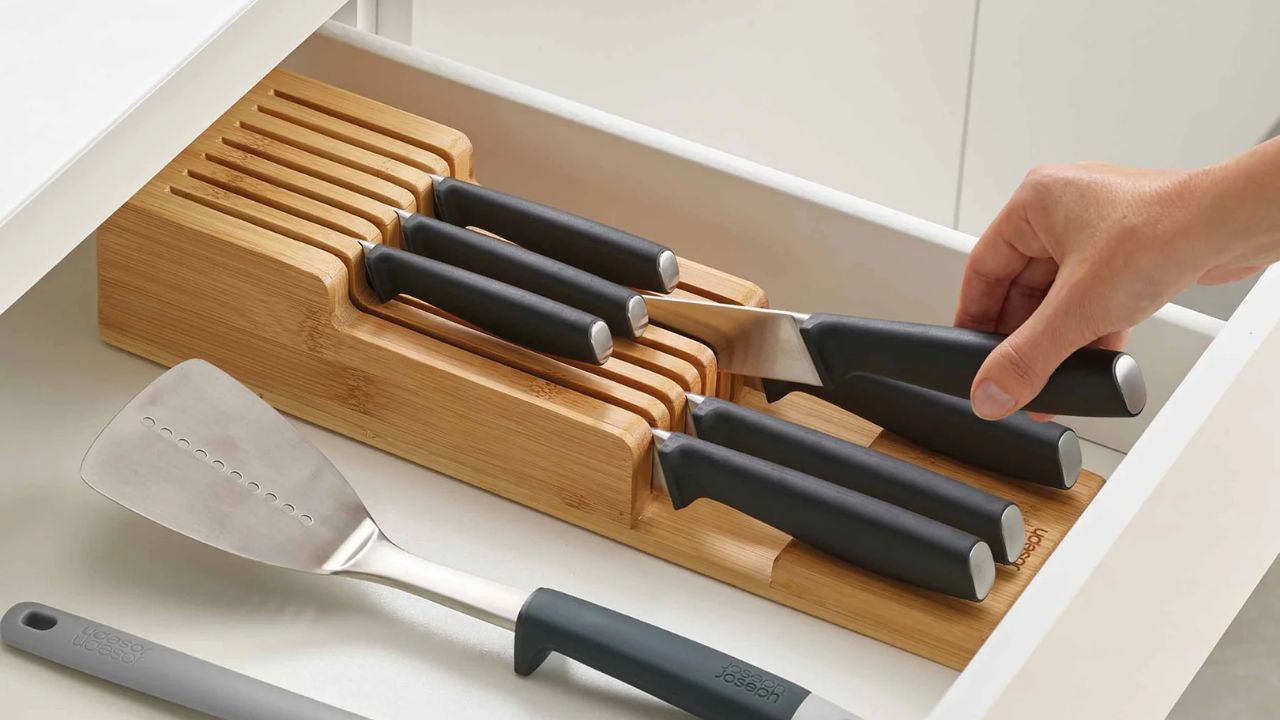
For knives, use a Joseph Joseph DrawerStore Knife Organizer to prevent edge damage and accidental cuts. For stacked pans, use OXO Silicone Pan Protectors to avoid scratches and chipped coatings.
Keep container lids together so you stop forcing mismatched lids that crack and warp. If odors build up, store containers dry with lids slightly ajar, then deep-clean weekly as needed.
Storage prevents daily damage because most wear happens when items rub together. Keep your most-used tools within reach so you do not drop or bang them during rushed cooking.
Living Area Items: Furniture, Remotes, And Small Devices
Living areas collect dust, oils from hands, crumbs, and battery-powered devices that are easy to forget.
The damage here is usually slow, but it adds up through stains, fading, and corrosion from battery leaks. Your goal is gentle cleaning, protected surfaces, and smart battery habits.
Avoid harsh cleaners that strip finishes or leave residue that attracts more dirt. Soft care beats hard scrubbing for long-term item condition. The tools below simplify this without turning it into a deep-clean project.
Cleaning Tools That Prevent Scratches And Fading
Use Utopia Home Microfiber Cloths for weekly dusting because they lift particles without scratching. For fabric furniture, Scotchgard Fabric Water Shield can reduce stain absorption when applied correctly and allowed to cure fully.
For wood surfaces, use a finish-safe cleaner like Method Wood Cleaner, then buff lightly with a clean cloth. Keep coasters and tray zones to reduce rings, crumbs, and wear from constant contact.
Surface protection is maintenance because it reduces the need for aggressive cleaning later. Always spot-test any product in a hidden area first.
Battery And Remote Care Tools That Prevent Leaks
Battery leaks ruin remotes, toys, and small electronics more often than people realize. Use Energizer Ultimate Lithium AA or AAA batteries in devices you depend on, because they are designed for long shelf life and stable performance.
For low-use devices, remove batteries if you will not use them for months. Store spare batteries in a small case so loose cells do not short against metal objects.
Battery habits protect devices and reduce sudden failures at the worst time. If a device looks corroded, follow the manufacturer’s cleaning guidance before powering it again.
Storage And Utility Items: Cleaning Supplies, Plastics, And Tools
Closets and utility areas quietly determine how long items last, because storage conditions shape everything.
Heat, sunlight, and humidity warp plastics, weaken rubber, and dull adhesives. The goal is cool, dry storage with clear bins and simple labels, so items are not crushed or forgotten.
Keep chemicals sealed and separated from fabrics, and never store cleaning products in direct sunlight. A controlled storage environment is one of the easiest upgrades you can make. The tools below help you protect supplies and reduce waste.
Storage Products That Protect Items From Moisture And Dust
Use Sterilite Gasket Boxes for items that need stronger sealing, such as seasonal linens, documents, or backup electronics.
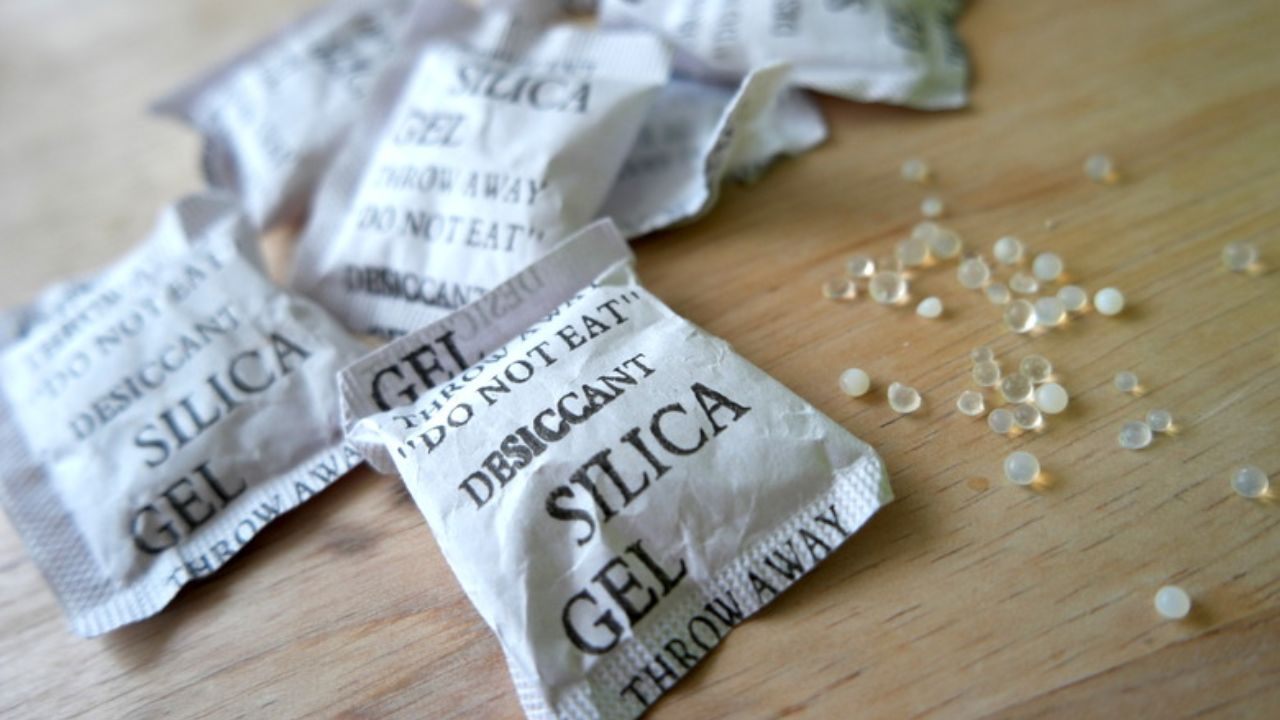
Add Dry & Dry Silica Gel Packets inside bins to reduce trapped humidity, especially during rainy seasons. Keep heavier items low and lighter items higher to prevent crushed boxes and collapsed stacks.
Label bins with a clear category and date so you do not re-buy what you already own. Sealed storage reduces damage from dust, pests, and moisture. Check bins quarterly and replace moisture absorbers as needed.
A Small Maintenance Toolkit That Handles Quick Repairs
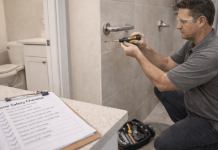
A small toolkit prevents minor issues from becoming replacements. Keep WD-40 Specialist Silicone Lubricant for squeaky hinges and sticky sliding parts, since silicone is often safer for plastics and rubber.
Add Gorilla Clear Repair Tape for quick temporary fixes on bins, cords, and light-duty items, while you plan a proper repair.
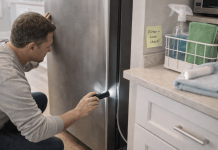
Keep a basic screwdriver set and a small flashlight in the same caddy. Fast repairs prevent bigger failures because you address small wear before it spreads. Follow safety labels and store chemicals out of reach of kids and pets.
Conclusion
Care and maintenance are not about perfection; it is about repeating small habits. Keeping items in good condition becomes easier when you organize by room and use the same tools every week.
A simple routine protects your budget because you replace fewer things and waste less time. Keep a small kit, use clear storage, and review your trouble spots monthly. Your home will feel calmer, and your items will last longer.