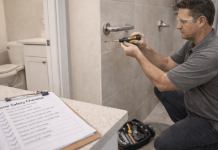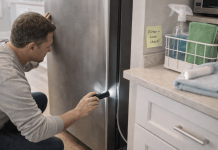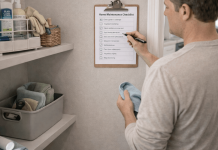
Most households replace things early because small damage keeps repeating. Care and maintenance for everyday objects is the difference between constantly re-buying and steady, predictable use.
This is not about perfection or expensive products; it is about preventing wear before it spreads. Think in rooms because items fail where they live and where they are handled.
You will set up simple zones, use one tool per room, and follow a short schedule. Small routines protect your budget when you repeat them weekly. Start with the room that creates the most daily frustration.
The Small Habits That Make Care And Maintenance Stick
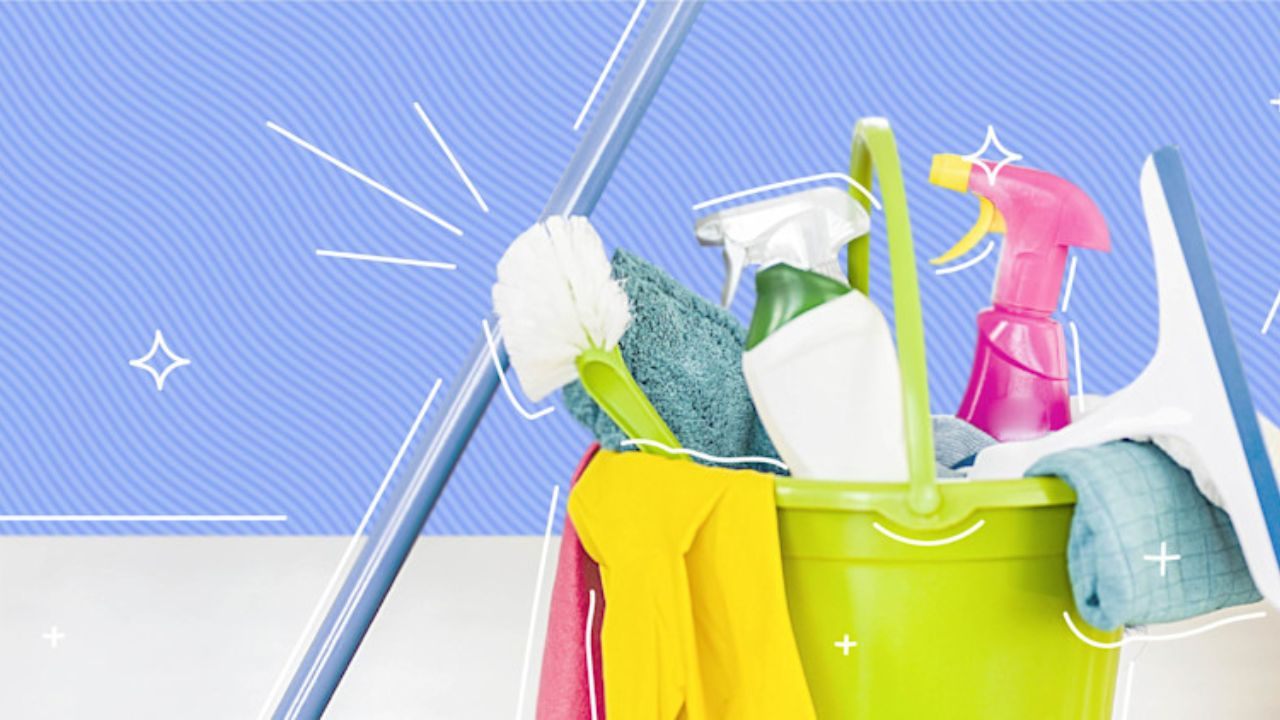
A routine only works if it is fast, visible, and easy to repeat on busy days. Your goal is to reduce moisture, grit, and clutter, since those three cause most everyday damage.
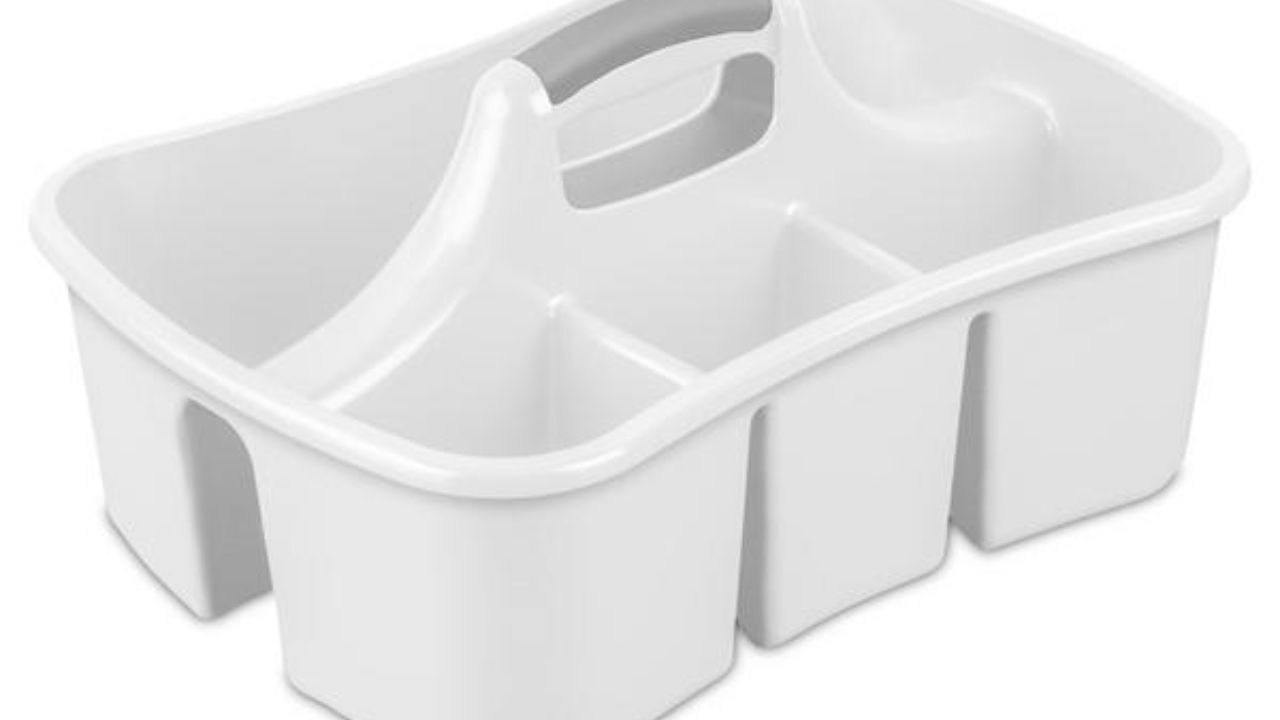
Keep one portable kit so you stop hunting for supplies and losing momentum. A simple tool that helps is the Sterilite Divided Caddy, because it keeps the basics together and is easy to carry.
Consistency beats intensity when you are maintaining many items at once. Tie your routine to fixed moments like after dinner or before bed.
The Two Minute Daily Reset That Prevents Damage
The daily reset is where you remove the problems that cause fast wear. Wipe the surfaces where items land, then return objects to their homes instead of leaving piles. Dry anything damp immediately so odor and rust do not start overnight.
Do a quick scan for grit that can scratch, then sweep it away before it spreads. Two minutes of prevention saves you from longer cleaning sessions later. Keep the reset the same every day so you do it automatically.
The Weekly Fifteen-Minute Check That Stops Wear From Spreading
Weekly maintenance is for early signs of damage you will miss day to day. Look for sticky residue, loose parts, and stored items that trapped moisture.
Tighten what wobbles, clean what feels tacky, and air out what smells stale. Replace missing caps, lids, and covers before you lose pieces that make items unusable.
Small fixes done early prevent cracks, stains, and corrosion from growing. End the check by restocking your kit so the next week starts easy.
Entryway Objects That Take The Most Abuse
The entryway is where dirt and moisture enter, so it is where many objects start failing. Shoes, bags, umbrellas, and keys are constantly handled and pick up grit that acts like sandpaper.
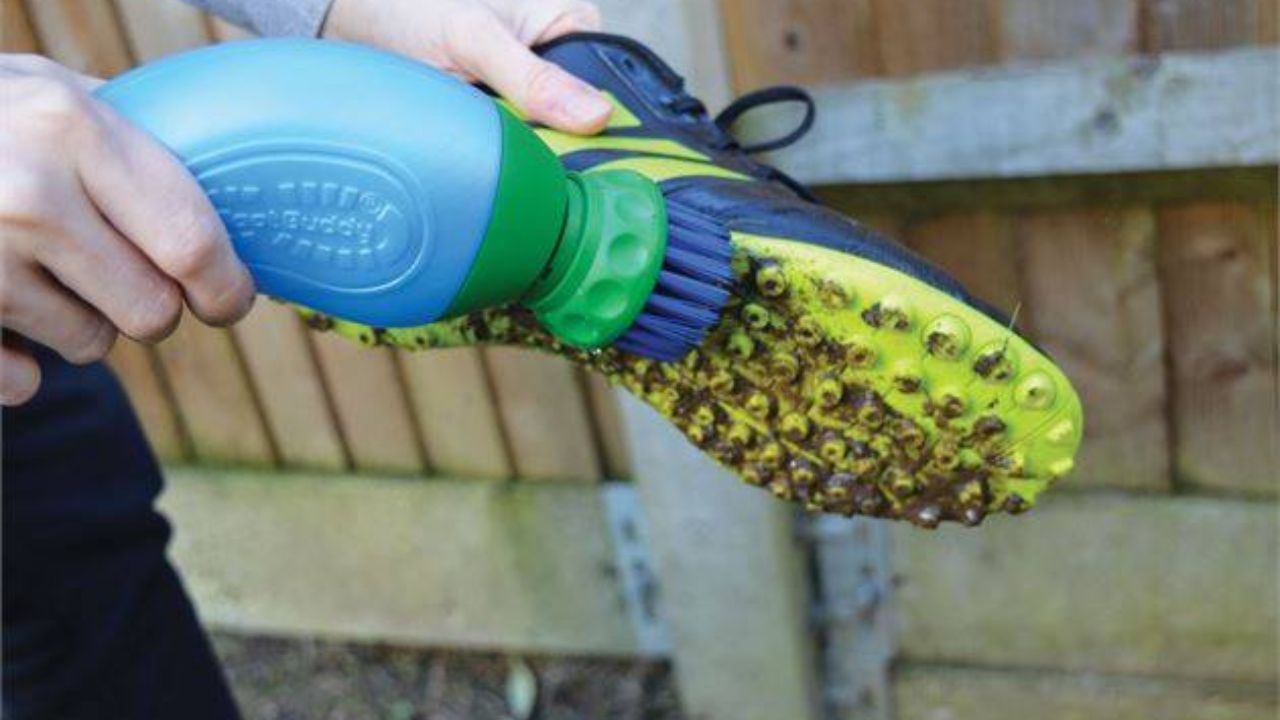
A good setup separates wet items from dry items and gives essentials one clear landing spot. One tool that helps here is the BootBuddy Shoe Cleaner, which removes grime quickly before it hardens.
Moisture plus grit is the combination you are trying to break. When the entryway stays controlled, the rest of the home stays cleaner.
Moisture Control Without Overdrying Materials
Moisture control is about drying the right way, not blasting items with heat. Airflow protects adhesives, stitching, and finishes better than direct heat from heaters or sunlight.
If shoes or bags are damp, open them up and let air reach the inside before storage. For umbrellas, leave them open until they are fully dry, then wipe metal parts to prevent spotting.
Dry before you store is the rule that prevents most odor and rust. If dampness is constant, adjust the entryway to allow more ventilation.
Quick Cleaning That Removes Grit Before It Scratches
Grit does most of its damage when it sits and gets rubbed in by repeated use. Brush off dried dirt first, then wipe, so you do not grind particles deeper into fabric or seams.
Clean contact points like handles, zippers, and corners, since they collect oils and grime faster. If something is muddy, let it dry, tap off residue, then do a light wipe to finish.
Remove grit first to protect materials and preserve appearance. Keep a simple habit of cleaning after heavy use rather than waiting for buildup.
Storage Zones That Stop Piles And Prevent Accidents
Entryway piles cause damage because items crush each other and fall when you rush. Give essentials one tray or one shelf, and make that the only allowed landing spot.
Separate wet zone items from clean zone items so water does not migrate to fabrics and paper.
Store sharp items and small tools out of high-traffic paths to prevent drops and scuffs. A clear drop zone reduces daily friction and prevents careless damage. If a zone keeps failing, it is usually too small or too far from where you enter.
Kitchen Objects That Wear Out From Heat And Scraping
Kitchen items fail early because they face heat, water, and constant contact with hard surfaces.
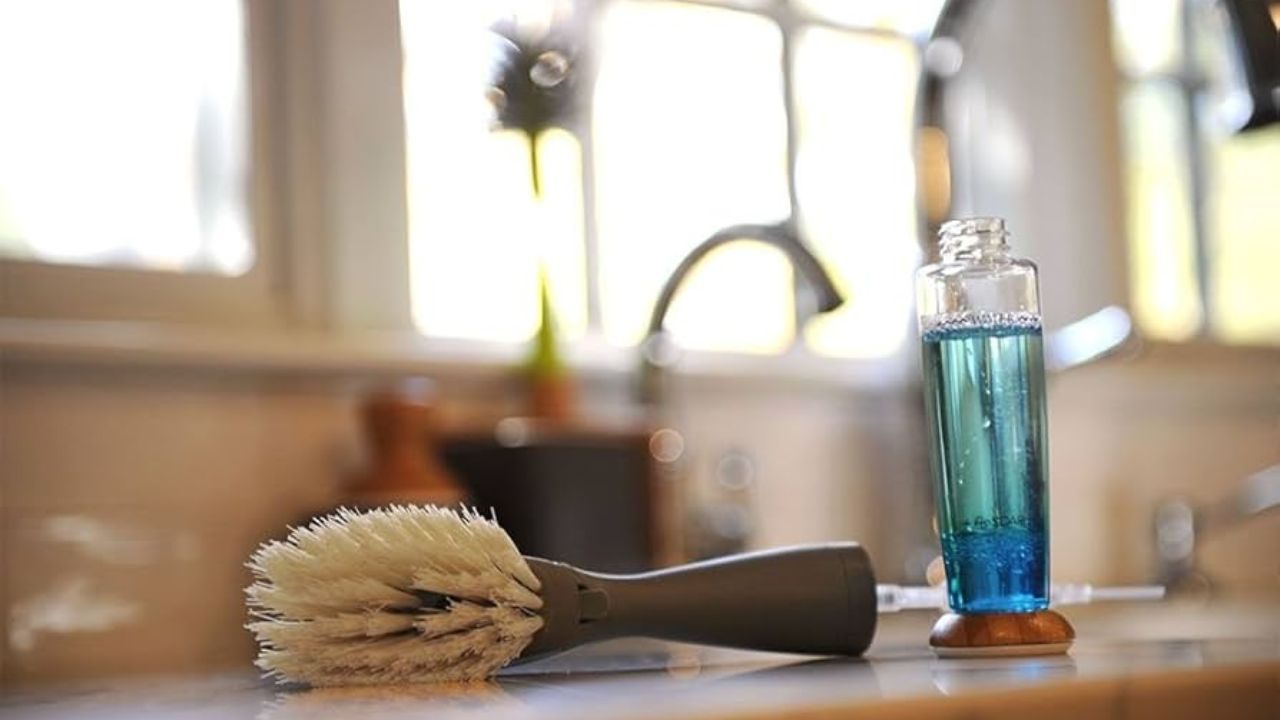
Most wear comes from abrasive scrubbing, long soaking, and careless stacking that scratches coatings. A reliable kitchen routine focuses on washing, drying, and storing in a way that protects edges and finishes.
One tool that helps is the Full Circle Suds Up Dish Brush, because it cleans effectively without harsh scraping. Gentle cleaning protects surfaces and keeps tools performing longer. When care is quick, you are more likely to do it daily.
Washing Habits That Protect Coatings And Seals
Washing is where most accidental damage happens, especially to coated cookware and sealed containers. Use warm water, mild soap, and controlled pressure rather than aggressive tools.
Avoid metal scrapers on coated surfaces and avoid long soaks that weaken seals and handles. Clean food containers promptly to prevent odors from bonding to plastic and rubber parts.
Less force, more time is the better approach when the residue is stubborn. If an item has special material rules, follow the manufacturer’s care notes to avoid permanent damage.
Drying Steps That Prevent Rust And Odors
Drying is not optional when you want items to last, especially with metal and mixed materials. Wipe knives and tools immediately so water spots and surface corrosion do not start.
Dry lids and seals fully before closing containers, since trapped moisture creates odor and mold. Let cookware cool before washing so thermal shock does not warp surfaces.
Drying is the real finish of cleaning because it prevents problems you cannot scrub away later. If you air-dry, space items so airflow reaches every surface.
Storage That Prevents Edge Damage And Scratches
Storage damage builds slowly but steadily, especially when items stack and rub. Protect sharp edges by keeping them separated so they do not collide in drawers. Avoid stacking coated cookware without a buffer, since friction wears finishes over time.
Store lids in a stable spot so you stop forcing mismatched parts that crack and warp. Storage is prevention because it reduces the daily wear that you will not notice until items fail. Make the correct storage choice the easiest option, so you follow it without thinking.
Bedroom Objects That Suffer From Friction And Poor Storage
Bedroom items wear out from heat, abrasion, and cramped storage more than most people expect.
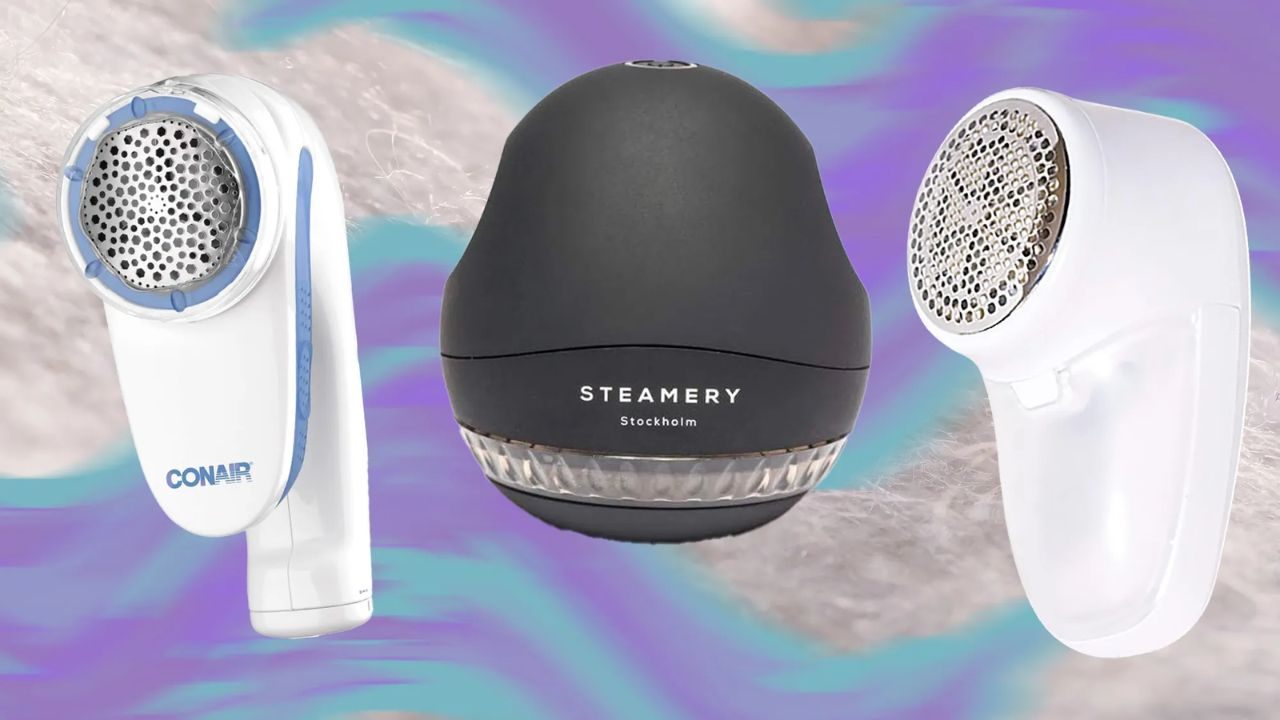
Clothing, linens, and accessories degrade when drawers are packed tight and fabrics cannot breathe. A good routine lowers friction and controls moisture so items keep their shape and color.
One tool that helps is the Conair Fabric Shaver, which removes pilling without pulling threads or damaging knit structure. Friction is silent damage that builds with every wear and wash. When you reduce abrasion, items look newer longer.
Laundry Choices That Reduce Wear Over Time
Laundry wears items out when the heat and agitation are too high for the fabric. Use cooler water when possible and avoid overloading, since crowded loads increase rubbing. Turn items inside out to protect visible surfaces and reduce pilling on the outside.
Limit high-heat drying for elastic and performance fabrics, as heat weakens stretch and fit. Lower heat extends the life of many everyday textiles and prevents shrinking and fading. Read care labels and match settings rather than guessing based on habit.
Storage That Prevents Yellowing And Shape Loss
Storage should protect items while allowing them to breathe, especially in humid environments. Do not store fabrics when they are even slightly damp, as trapped moisture can lead to odor and discoloration.
Fold heavy garments instead of hanging them, since hangers can stretch shoulders and distort shape. Keep drawers and shelves at a comfortable fill level so items do not grind against each other.
Airflow matters in storage because stale, compressed fabrics age faster. Rotate seasonal items so nothing stays buried and crushed for months.
Quick Repairs And Small Fixes Before Replacement
Small damage becomes replacement when you ignore it until it spreads. Address loose buttons, small snags, and weak seams as soon as you notice them. Remove pilling early so friction does not keep tearing fibers and making the surface rough.
Spot clean stains quickly so they do not set and become permanent, especially on light fabrics.
Early repair saves money by keeping items usable and presentable for longer. When you fix small issues weekly, you avoid having to replace large amounts of wardrobe and linen later.
Living Area Objects That Slowly Degrade From Dust And Oils
Living area items fail slowly, which makes damage easy to ignore until it becomes obvious.
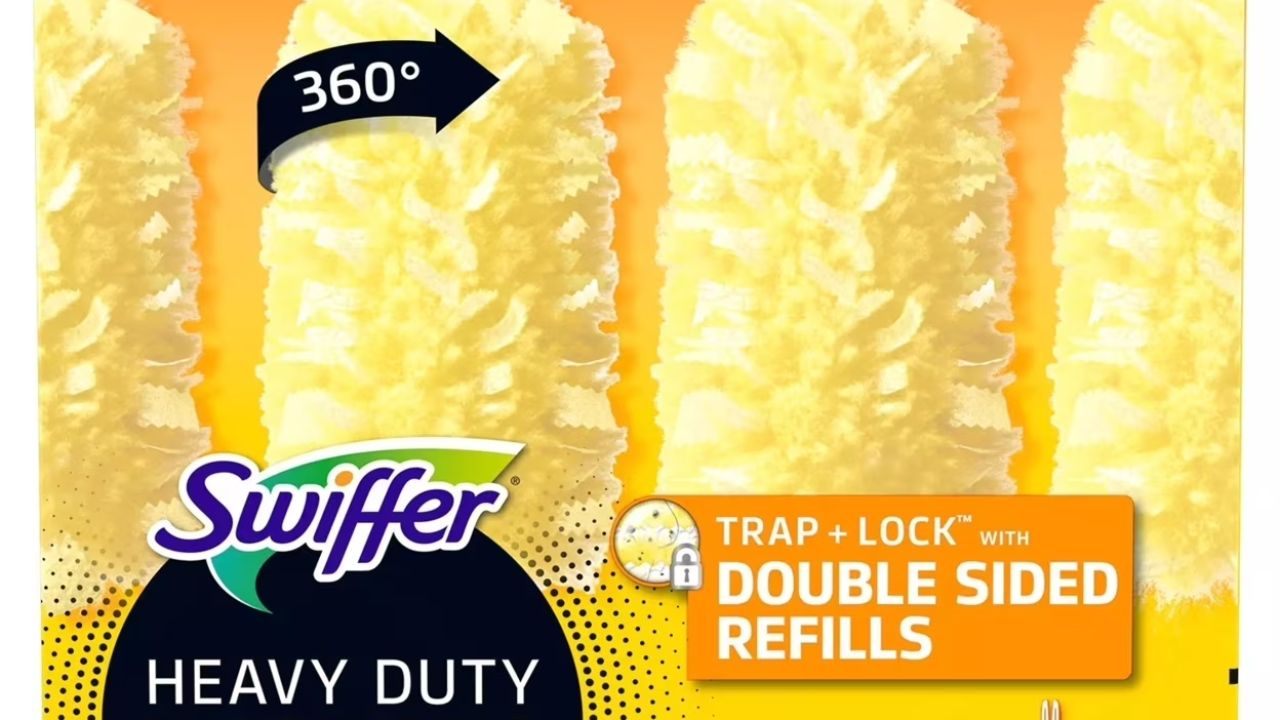
Dust, crumbs, and skin oils dull surfaces, stain fabrics, and make devices feel grimy. Battery-powered items are a common failure point because leaks destroy contacts and housings.
One tool that helps here is the Swiffer Dusters Heavy Duty Starter Kit, which lifts dust quickly without harsh rubbing. Dust builds up like wear because it acts as abrasive grit over time. Light weekly care keeps the space looking better with less work.
Cleaning Methods That Avoid Scratches And Dull Finishes
Use gentle pressure and remove dust before you use any wet cleaning. Wipe in one direction so you lift particles instead of dragging them across surfaces. Keep liquids away from seams, vents, and sensitive finishes to avoid swelling and residue.
For upholstery, vacuum with a soft attachment so crumbs do not grind deeper into the fabric. Soft cleaning is safer than aggressive scrubbing, especially on finished wood and coated surfaces. Always test any new method in a hidden area first.
Battery Habits That Prevent Leaks And Device Failure
Battery leaks are one of the easiest causes of avoidable device loss. Check remotes, clocks, and small lights monthly, especially if they are used rarely. Remove batteries from items that will sit unused for long periods, since inactivity increases leak risk.
Store spares in a dry place and keep them separated from metal objects that can cause discharge. Battery checks prevent surprises when devices fail during busy days. If corrosion appears, follow the device manual before installing new power.
Storage And Handling Rules For High Touch Objects
High-touch objects wear faster because oils and repeated handling break down finishes. Keep frequently used items in one place so you stop dropping them and scraping them across surfaces.
Clean handles and touch points regularly so grime does not harden and become difficult to remove. Use a small tray for remotes and small devices so they are not scattered across cushions and floors.
High-touch zones need care because they take the most daily abuse. When storage is simple, your living area stays cleaner with less effort.
Conclusion
Maintenance works when it is built for real life, not for perfect weekends. Care and maintenance for everyday objects becomes simpler when you handle items by room and focus on the most common damage triggers.
If you miss a day, restart the next day without trying to catch up. Over time, your home looks better and your items last longer.