Most people only think about upkeep after something stops working. How to avoid common maintenance mistake starts with choosing the right method before you clean, store, or “fix” anything.
The biggest damage usually comes from small habits repeated every day. You do not need a perfect routine, but you do need consistent decision rules. This guide breaks those rules into clear actions you can repeat at home.
Small corrections prevent big failures when you stick with them weekly. You will also see one practical product per section to keep the process simple. Start with the sections that match your biggest pain points.
Cleaning Method Mistakes And How To Choose The Safe Option
Most surface damage happens during cleaning, not during normal use. The usual problem is using the wrong tool, rushing, or pushing too hard.
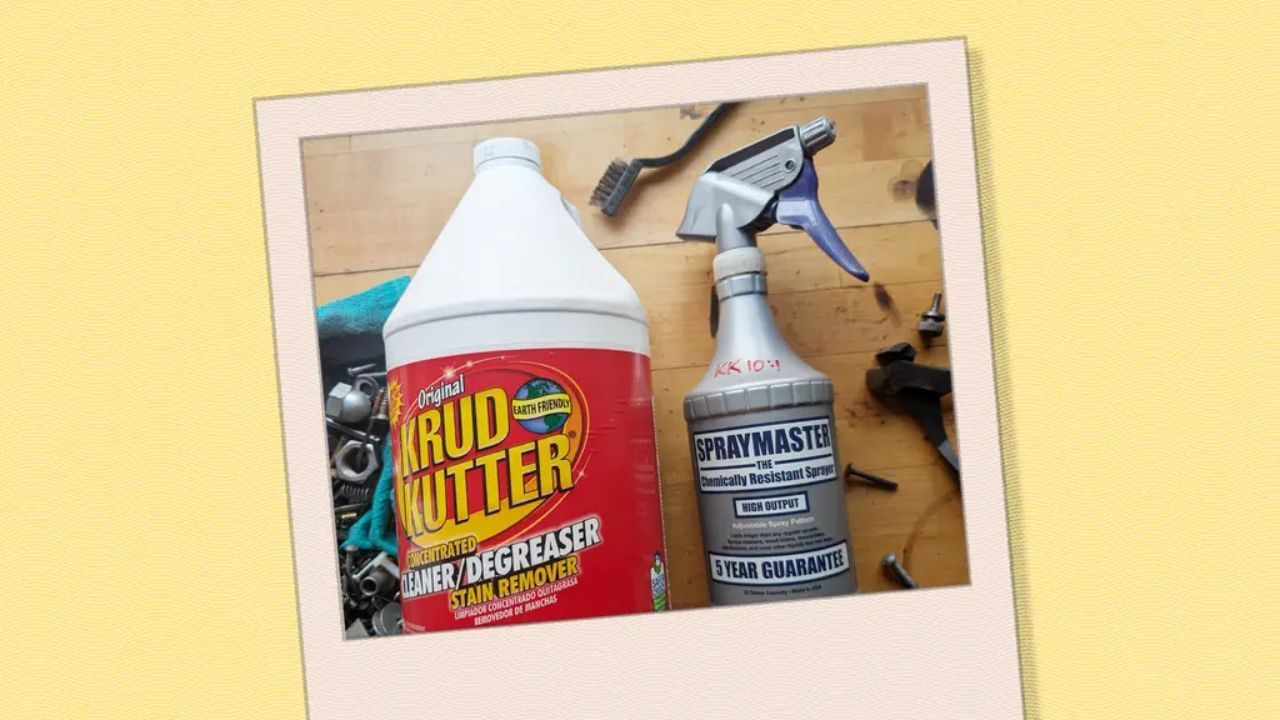
Keep one dependable cleaner on hand, like Krud Kutter Original Cleaner Degreaser, so you stop mixing random sprays. Choose the least aggressive method first, then step up only if needed.
Gentle cleaning protects finishes while still removing everyday grime. When your method is consistent, surfaces stay easier to maintain over time.
Match The Tool To The Surface Before You Start
A common mistake is using one scrubber for everything, even on delicate finishes. Micro scratches build up when you use abrasive pads on coated, glossy, or sealed surfaces. Start by matching the tool to the material, then test a small hidden area.
The right tool prevents damage better than any stronger product ever will. If you are unsure, use a soft cloth and warm water first. Once you confirm it is safe, clean the full area with steady, light pressure.
Use The Least Aggressive Method First
People often jump to harsh scrubbing because the mess looks stubborn. Instead, soften residue first with warm water or a brief soak where safe. Wipe in controlled passes rather than grinding dirt into the surface.
Start mild, then escalate so you keep coatings intact and reduce future buildup. If a spot resists, repeat the gentle step instead of increasing force. Your goal is clean without thinning finishes or leaving swirl marks that attract grime.
Avoid Product Layering And Random Mixing
Layering cleaners can cause dulling, residue, and, in some cases, unsafe fumes. Never combine bleach with acids, and do not stack multiple sprays on the same surface.
Rinse with water between products when you must switch, and dry the surface after. One product at a time keeps results predictable and prevents sticky films that trap dust.
Read labels for surface compatibility, especially on stone, wood, and electronics. When in doubt, simplify your process instead of adding chemicals.
Drying And Storage Mistakes That Create Odor And Damage
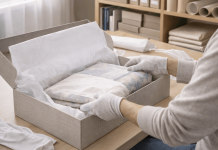
Moisture and cramped storage quietly ruin everyday objects, especially fabrics, paper goods, and metal hardware.
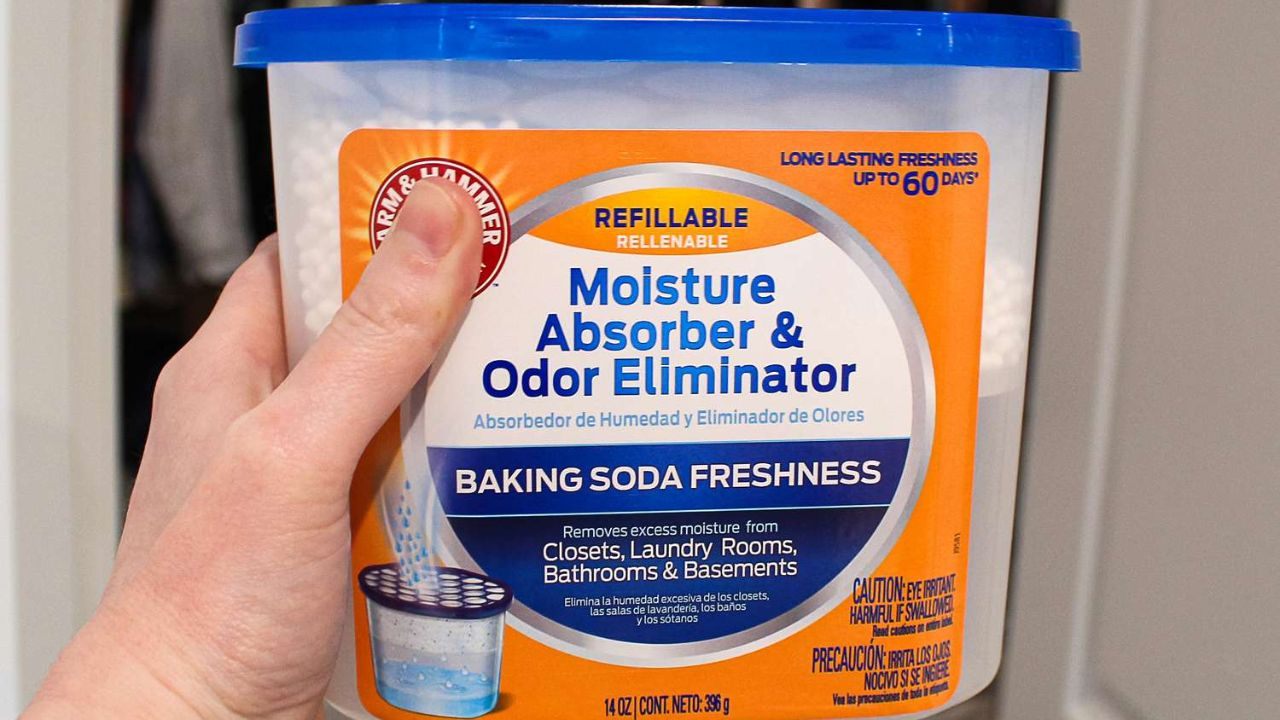
The biggest mistake is putting items away before they are truly dry. Use a simple moisture control helper like Arm and Hammer Moisture Absorber to reduce damp air in problem closets.
Build airflow into your storage choices instead of sealing everything tight. Dry before you store is the rule that prevents most recurring odor and mildew. When you keep spaces breathable, items last longer with less effort.
Dry Before You Close, Stack, Or Seal
Storing damp items creates a closed environment where odor and mildew start fast. Towels, shoes, containers, and cleaning tools are common offenders because they feel “almost dry.”
Open items up, let air reach seams, and wait until they feel fully dry to the touch. Closed storage multiplies moisture and turns small dampness into a repeated problem.
If you are short on time, spread items out to speed airflow. This one habit prevents a musty smell that is hard to remove later.
Stop Overpacking Drawers, Bins, And Closets
Overpacking damages items through compression, friction, and trapped humidity. Clothes pill faster, paper warps, and plastics get bent when storage is forced shut. Leave small gaps so air can move, and keep heavy items from crushing soft goods.
Space is a maintenance tool because it reduces wear and makes items easier to handle safely. If a bin always overflows, reduce its contents rather than upgrading to a tighter lid. A little breathing room prevents a lot of replacement spending.
Choose Storage Spots With Airflow And Stable Temperatures
Where you store items matters as much as how you store them. Avoid floors near windows, bathrooms, or kitchens where humidity and temperature change often.
Keep sensitive items away from heat vents and sunlit shelves that speed material aging. Stable storage slows deterioration for rubber, adhesives, and finishes that break down over time.
If a spot feels damp or warm to the touch, move items elsewhere. Good storage locations do more than any “freshener” product.
Handling And Fit Mistakes That Cause Breakage
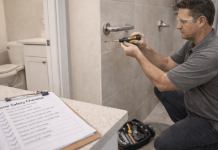
Many breakages come from forcing parts that are misaligned or already stressed. When you push harder, you widen cracks, strip screws, and bend tracks.
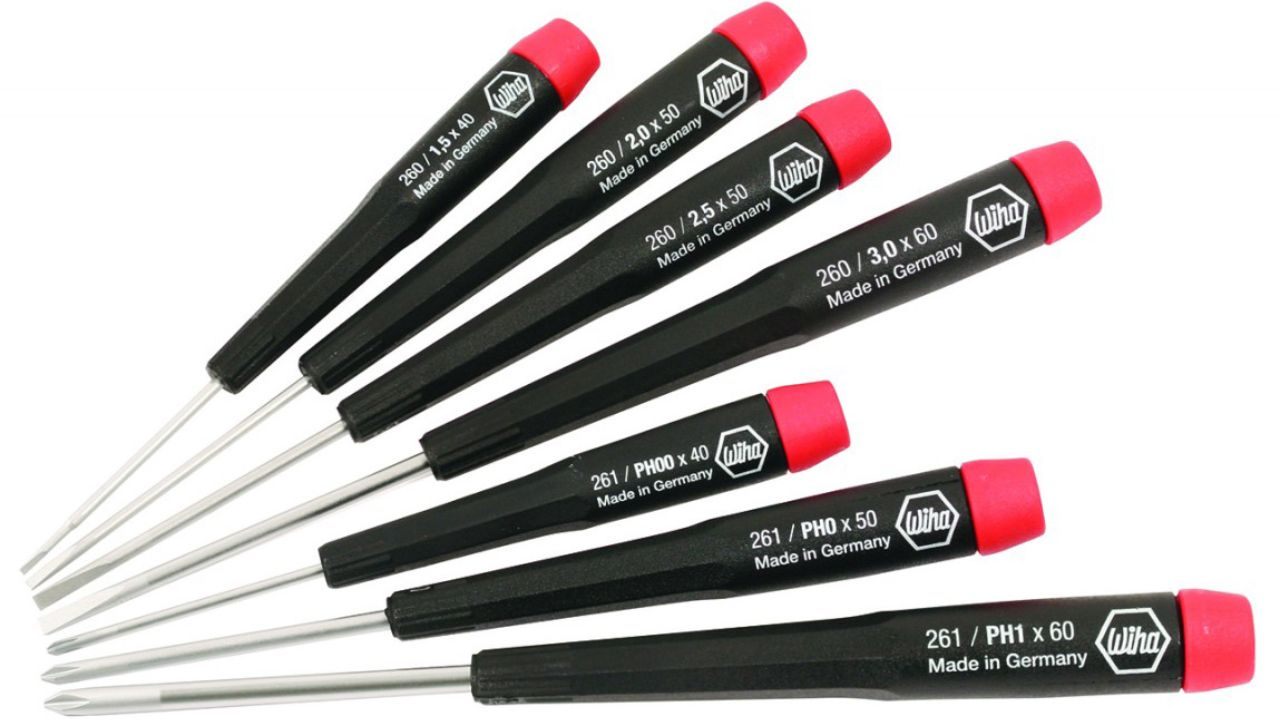
Use one reliable driver set like the Wiha Precision Screwdriver Set 26197 to tighten with control, not brute force. Treat wobble, sticking, and grinding as early warnings that something needs adjustment.
Stop forcing parts, and you prevent the most common structural failures in daily items. A few careful checks can save you from expensive replacements.
Stop Forcing Lids, Tracks, Hinges, And Clips
Forcing a stuck drawer or lid turns a small snag into a broken clip or cracked edge. Remove the load, check alignment, and clear debris before trying again. Use slow, even pressure instead of repeated yanks that bend rails.
Friction is a signal that something is off, not a reason to push harder. Clean tracks with a dry wipe first to prevent grit from being trapped. When motion becomes smooth, stress drops across the whole item.
Tighten Carefully And Replace Small Parts Early
Loose parts create movement, and movement creates wear with every use. Tighten until snug, then stop, because overtightening strips threads and cracks plastic housings.
Replace missing fasteners instead of using mismatched substitutes that stress the joint. Snug beats tight for most household screws and small fittings.
If a part keeps loosening, look for wear or misfit rather than adding force. Early replacement of small parts prevents bigger damage to the surrounding structure.
Use Simple Alignment Checks Before You Apply Pressure
Before you push, twist, or snap something closed, take two seconds to check alignment. Look for tilted rails, uneven gaps, or debris that blocks full closure.
Reposition the item so the force is straight and balanced, not angled. Alignment prevents breakage by distributing pressure rather than concentrating it on one corner.
If an item only works when you push hard, something is wrong. Correct the fit first, then test again with light pressure.
Heat, Sun, And Chemical Exposure Mistakes
Environmental damage is slow, which is why it is often ignored until it is obvious. Heat and sunlight weaken plastics, fade fabrics, and break down adhesives over time.
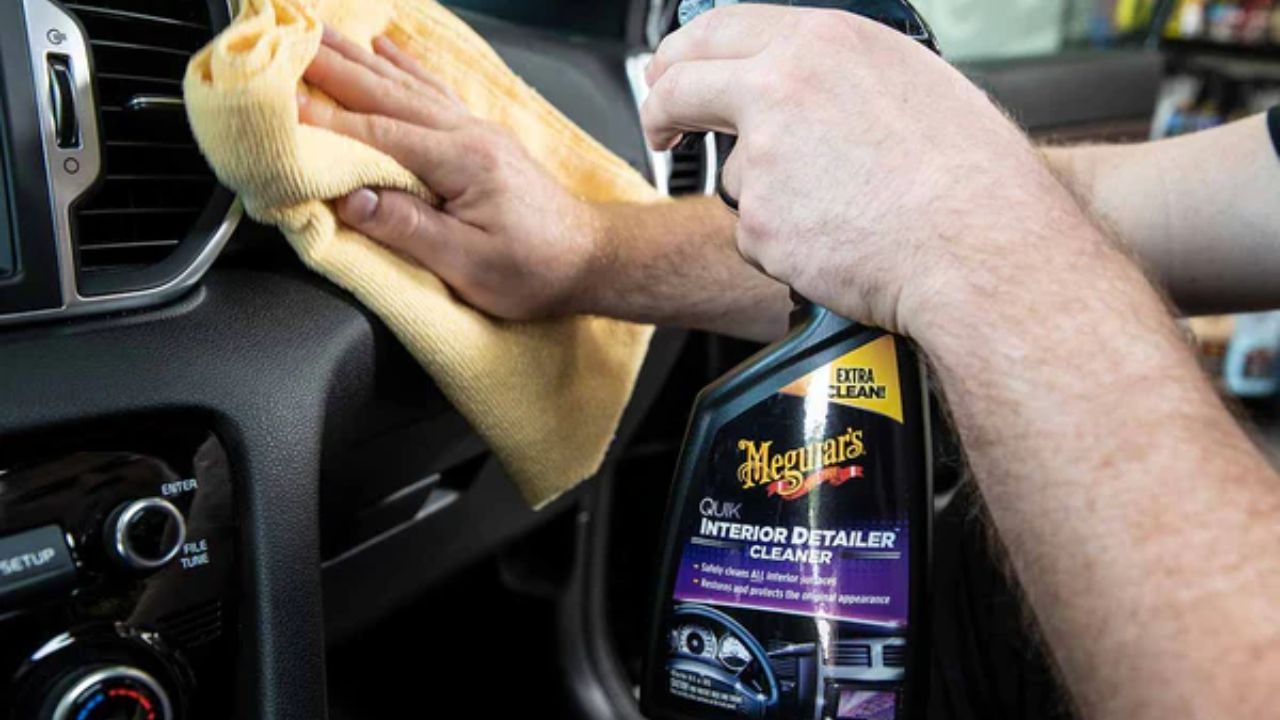
Add a basic UV and surface protectant like Meguiars Quik Interior Detailer for items exposed to light, especially in bright rooms. Keep harsh chemicals away from sensitive finishes and avoid storing items near hot zones.
Placement is prevention when you want everyday objects to last. Small changes in location and spacing reduce long-term wear.
Reduce UV And Heat Exposure With Placement Rules
Direct sun and warm air shorten the life of many materials, even indoors. Move vulnerable items away from windowsills, heaters, and hot appliance sides.
Rotate items near windows so one side does not take constant exposure. Heat speeds the breakdown of rubber seals and plastics that warp over time.
Let warm cookware and tools cool fully before storing them in closed cabinets. Placement habits are easy, and they prevent damage you cannot “clean away” later.
Keep Harsh Chemicals Off Sensitive Materials
Chemical exposure mistakes often happen when strong cleaners touch surfaces they were not meant for. Avoid overspray onto wood finishes, screens, and coated metals, as it can discolor or haze.
Use a targeted application and wipe residue off quickly instead of letting it sit. Chemicals can dull finishes even when the surface looks fine at first.
Store cleaning products away from heat to prevent degradation or leakage. When you keep chemicals controlled, you protect both items and indoor air quality.
Build Spacing Habits That Prevent Warping And Fading
Crowded shelves and tight stacks create pressure points that bend and deform objects. Store heavy items low and spread weight across stable surfaces. Avoid stacking fragile items under bulky boxes, even if the space feels efficient.
Weight distribution prevents warping that shows up months later as cracked corners and bent edges. Give items room so air can move and surfaces do not rub constantly. Better spacing also reduces accidents when you grab items quickly.
Power And Battery Mistakes That Kill Devices
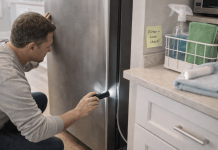
Device failures are often caused by preventable habits around power, batteries, and dust. Leaving batteries in rarely used devices leads to leaks that destroy contacts.
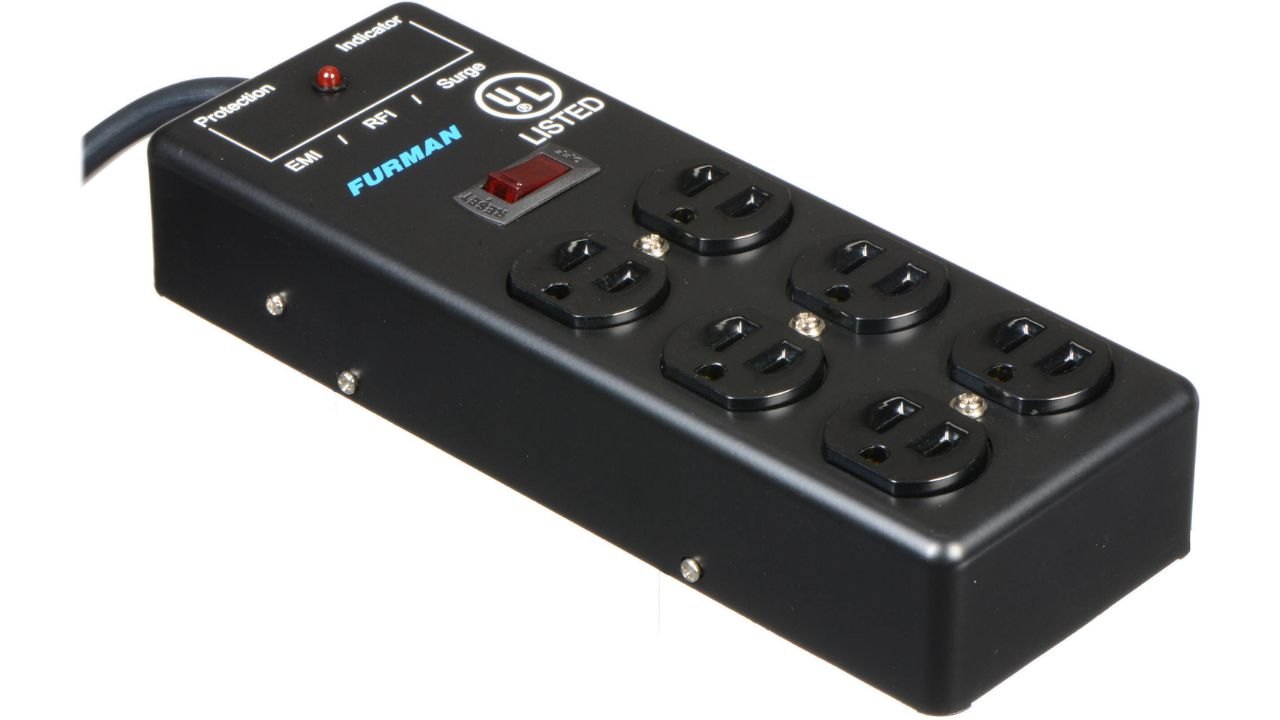
Use a dependable surge option like the Furman SS-6B Power Conditioner to reduce damage from unstable power and spikes. Keep vents clear so devices do not run hot behind furniture or piles of paper.
Basic power habits prevent downtime and reduce surprise replacement costs. Treat electronics like tools that need light upkeep, not like objects that “just work.”
Battery Storage Rules For Rarely Used Devices
Battery leaks are one of the fastest ways to ruin remotes, flashlights, and small gadgets. Remove batteries from devices that sit unused for months, especially in humid rooms.
Store spare batteries in a cool, dry place away from metal objects that can cause discharge. Battery leaks destroy contacts and often make devices unusable even if the device is otherwise fine.
Check rarely used items monthly, so you catch early corrosion. Follow the device manual for cleaning steps when corrosion appears.
Safer Surge Protection And Power Cycling Habits
Plugging sensitive devices into unprotected outlets can shorten their life over time. Use surge protection for routers, TVs, and chargers, especially in homes with frequent power flickers.
Power cycle devices only when needed, and avoid constant unplugging that loosens ports and outlets. Clean power supports performance by reducing stress on internal components.
Keep power strips ventilated and do not overload them with high-draw appliances. Safer power habits protect both devices and your home.
Cable Strain Prevention That Protects Ports
Cable damage is usually caused by sharp bends and pulling on connectors. Route cables with gentle curves and leave slack near ports so movement does not stress the joint.
Unplug by holding the plug body, not by yanking the cord. Port strain causes failure long before the device feels old.
Use simple clips or ties to keep cords from snagging and falling. Better routing also reduces trip risks and accidental drops that cause bigger damage.
Tracking And Labeling Mistakes That Make Maintenance Harder
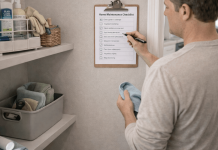
A hidden mistake is relying on memory instead of a simple system you can repeat. When you forget when filters were cleaned or where spare parts live, you delay tasks until problems are obvious.
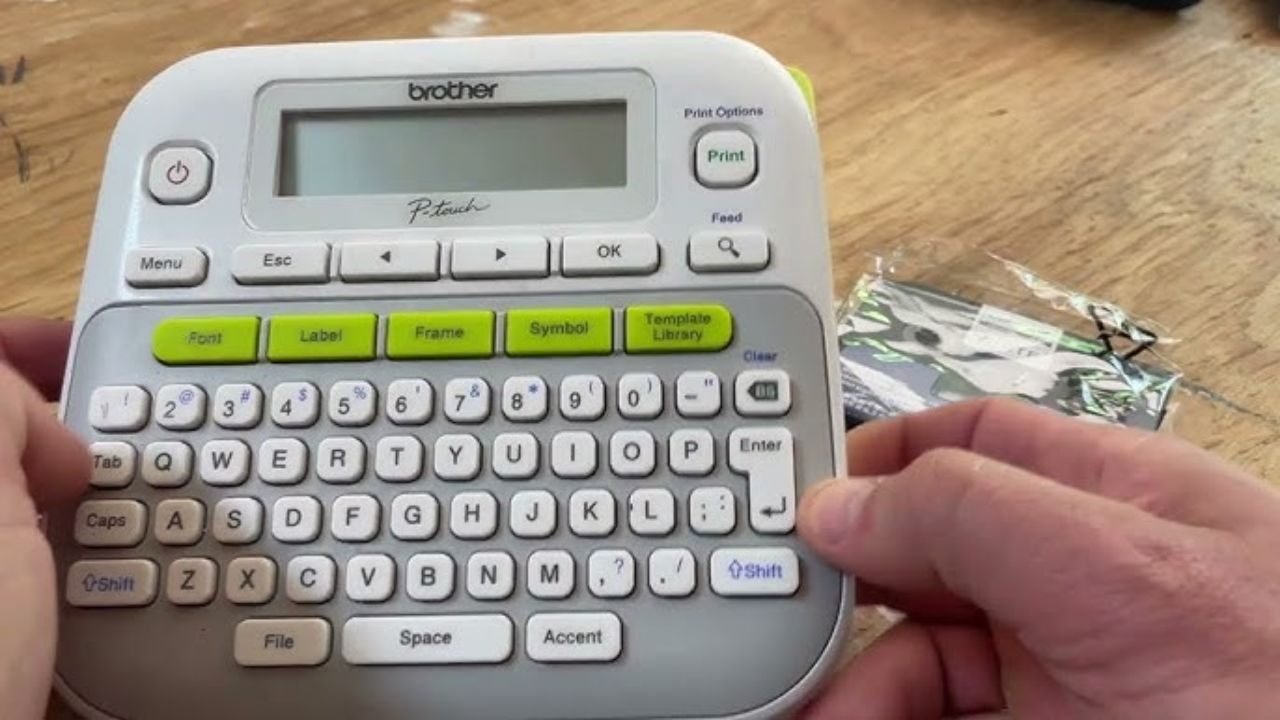
Use a simple labeling tool like the Brother P-touch PT-D220 to mark storage, dates, and backup supplies. Keep your system light so it does not become another chore you avoid.
A small tracking system makes maintenance easier by reducing guesswork. When you know what was done, you do less work and get better results.
Skip Guesswork With Simple Date Labels
Many maintenance tasks fail because you cannot remember the last time you did them. Date labels on filters, bins, and seasonal storage keep decisions simple.
Use short labels like “Cleaned This Month” or “Replace Next Month” instead of long notes.
Dates prevent delay because you can act without debating whether it is “time yet.” Keep labels visible so you see them during normal use. This habit turns maintenance into a quick check rather than a memory test.
Build A One-Home Rule For Spare Parts And Tools
Spare parts go missing when they are stored in multiple places. Choose one small bin or drawer for fasteners, seals, batteries, and basic tools.
Label it clearly so everyone can return items without asking you. One home prevents loss and reduces the temptation to force broken parts instead of fixing them.
Restock the bin when you notice gaps rather than waiting for a project day. A single supply home keeps small repairs quick and safe.
Conclusion
You do not need complicated routines to keep everyday objects working longer. How to avoid common maintenance mistakes is mostly about using the right method at the right time. Clean gently, dry thoroughly, and store items in a well-ventilated, stable environment.
Protect electronics with better battery habits, cleaner power, and safer cable routing. Track key tasks so you stop guessing and start repeating what works. Over time, these choices reduce replacements and make your home easier to manage.