Amazon Flex can offer flexible work and extra income in Spain. This guide explains eligibility, vehicles, registration, payments, taxes, technology, and delivery challenges.
It also covers skills and preparation for everyday Flex work. Understanding these driver requirements can help applicants prepare confidently.
What is Amazon Flex and Who Is It For?
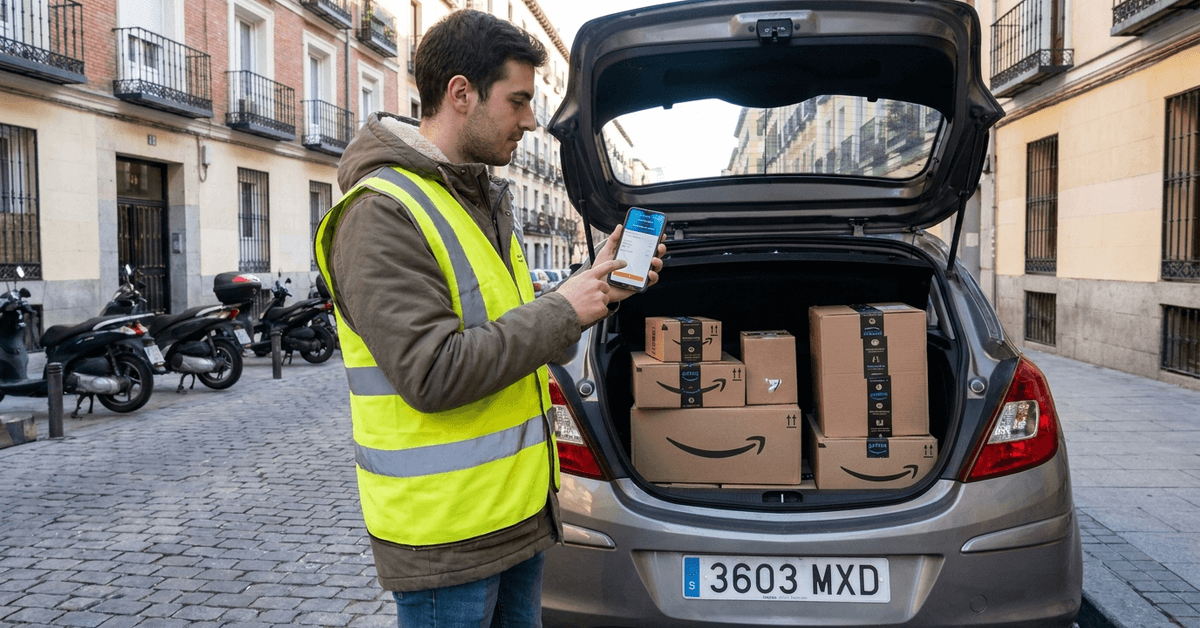
Amazon Flex lets individuals deliver packages with their own vehicles and choose delivery blocks. It may suit students or others seeking flexible delivery work around existing commitments.
Minimum Amazon Flex Driver Requirements in Spain
Applicants must meet basic eligibility conditions before joining. Missing a requirement can delay registration or prevent approval.
Age and Legal Status
Drivers generally need to meet the required minimum age for their location. Applicants must also have the legal right to work in Spain through citizenship, EU residency, or suitable authorization. Local criteria should be checked carefully because age and status requirements can differ.
Valid Driver’s License
A valid Class B license is generally required for car-based delivery work. Other EU licenses may be recognized, although verification can vary. Applicants should ensure their license remains valid and permits delivery activity.
Private Vehicle That Meets Amazon Standards
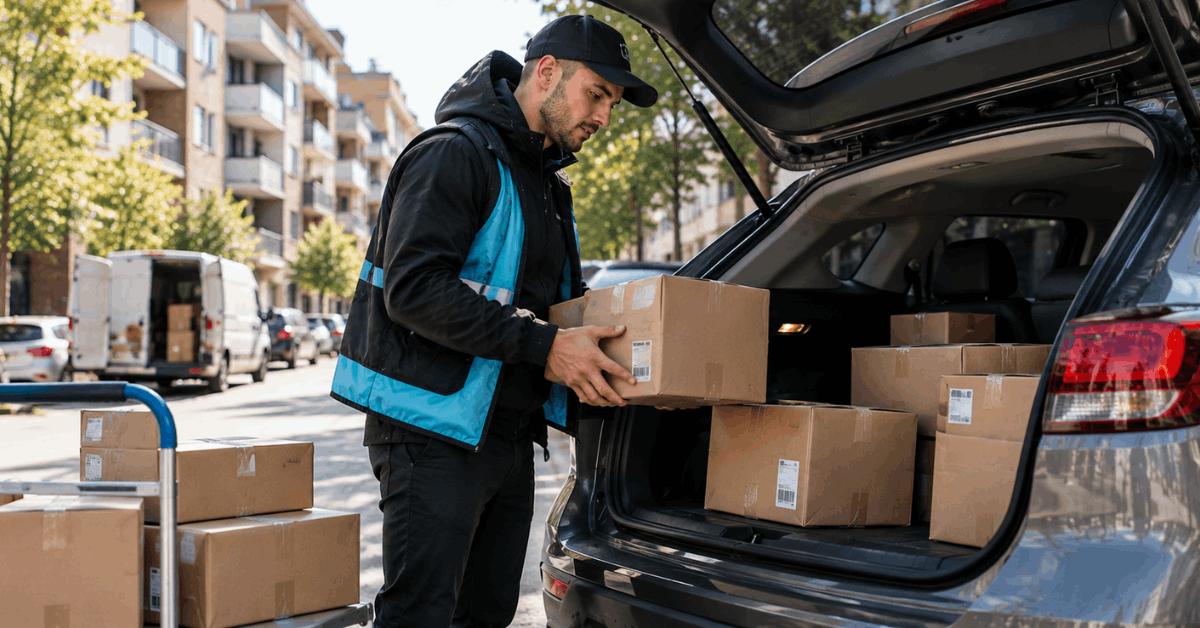
Most drivers use a hatchback, estate car, SUV, or small van with enough parcel space. The vehicle should be insured, roadworthy, and have a current ITV inspection where required. Suitable cargo space can make package routes easier.
Smartphone with Internet Connection
The Amazon Flex app requires a compatible Android or iOS smartphone and reliable mobile data. Drivers use it for navigation, instructions, customer contact, and payments. A stable phone connection can make multi-stop routes easier.
Bank Account in Spain
Drivers need an account that receives bank transfers. A Spanish IBAN can simplify payments and reduce complications. Keeping accurate bank details can help avoid payout delays.
Application Process Explained
The application is primarily digital and relatively straightforward. Availability may still depend on driver demand and open opportunities locally.
Registration Steps
Applicants complete several online actions before they can begin taking delivery blocks. Preparing the requested documents in advance can make registration easier.
- Download the Amazon Flex app from an approved app source.
- Register and provide basic personal and contact details.
- Upload the requested driver’s license and vehicle information.
- Complete any required background or identity checks.
- Wait for account approval or delivery-slot availability.
Background and Criminal Record Checks
Amazon may use third parties to conduct background screening where required. Serious criminal or driving-related issues may affect eligibility. Minor matters may be assessed differently depending on the circumstances and applicable screening rules.
Vehicle Requirements: What Works (and What Doesn’t)
Vehicle size, condition, and cargo space affect route efficiency. Choosing a suitable delivery vehicle helps keep parcels secure.
Approved Vehicle Types
Amazon Flex work usually requires vehicles with enough secure cargo space for package routes. Common vehicle options may include several practical body styles.
- Hatchbacks, wagons, and station estates
- Mid-sized and compact vans
- SUVs with suitable cargo space
Non-eligible Vehicles
Some vehicles may be impractical because they offer insufficient space, security, or weather protection. Applicants should confirm vehicle eligibility before relying on a particular transport option.
- Two-seater sports cars
- Motorcycles except where specifically allowed
- Cabrios or convertibles with unsuitable cargo protection
Insurance & Documentation Essentials
Drivers need appropriate vehicle documentation and active insurance coverage for the work they perform. Vehicles should also maintain a valid ITV inspection and satisfy applicable roadworthiness requirements.
Keeping digital and physical copies of important documents can make verification easier. Drivers should review insurance terms carefully because commercial delivery use may require specific coverage beyond ordinary personal driving.
Technical Requirements: Phone & App Setup
The Flex app is central to navigation, scanning, route information, and delivery updates. A reliable smartphone and consistent mobile data can reduce disruption during multi-stop routes.
Minimum Tech Specifications
Drivers should use a device capable of running the current Flex app reliably. Location services and sufficient mobile connectivity are especially important during active routes.
- A compatible Android or iOS operating system
- A reliable mobile data plan
- GPS and location services enabled
Extra Eligibility: Self-Employed (Autónomo) Issues
Independent work in Spain can involve tax and social security responsibilities. Drivers should understand their employment status before accepting delivery work.
Should You Register as Self-Employed?
Applicants should determine whether autónomo registration applies to their circumstances before beginning regular paid work. Registration can involve tax filings and social security contributions.
Professional tax guidance may help drivers understand obligations that depend on their situation.
Earnings and Payment Structure
Drivers are generally paid according to scheduled delivery blocks rather than receiving a fixed salary. Earnings can vary by region, block availability, route length, and local delivery demand.
Payment schedules and available blocks can change, so drivers should review information shown in the app. Tracking fuel, maintenance, insurance, and other working expenses can provide a clearer picture of actual take-home income.
Skills & Mindset for Success
Amazon Flex may appear straightforward, but drivers still need organization, navigation, communication, and time-management skills. Busy periods can make delivery work demanding, particularly when traffic or holiday volumes increase.
Attributes of Successful Flex Drivers
Reliable drivers generally stay calm under pressure and organize routes carefully. Several practical qualities can make everyday delivery work easier.
- Resilience when schedules or routes become stressful
- Reliable navigation and route-reading skills
- Politeness and discretion when meeting customers
Common Challenges: What Most New Drivers Wish They Knew
New drivers may encounter inconsistent block availability, traffic, difficult addresses, parking problems, or occasional app issues. These delivery challenges can be more noticeable outside familiar areas or during busy periods.
Planning extra time, keeping the vehicle organized, and reviewing routes before departure can reduce avoidable stress. Experience often improves route confidence as drivers learn neighborhoods and common delivery situations.
Safety, Legal, and Tax Considerations
Drivers must follow road rules, secure packages, and meet legal obligations. Understanding tax and safety responsibilities is important before regular Flex work.
Tax Responsibilities
Delivery earnings may need to be reported according to the driver’s employment or self-employment status. Keeping records of income and deductible work expenses can make annual reporting easier. Some drivers use an accountant or gestor for tax preparation, especially during their first year.
Final Thoughts and Suggestions for New Drivers
Amazon Flex can provide flexible earning potential for people who meet the relevant requirements and can manage delivery work independently.
New drivers should prepare documents, confirm vehicle and insurance suitability, and understand tax responsibilities before starting.
Learning the app and planning routes can make early delivery blocks easier to manage. Careful preparation can also help drivers set realistic expectations about earnings, expenses, and everyday challenges.