Decluttering your home can feel stressful because it forces many decisions at once. You may need to choose what to keep, donate, throw away, or move. Mess often gets worse before it improves, which can feel discouraging. Emotional items, limited time, and unfinished areas can also add pressure.
With this article, you will learn why you should declutter your home and some of the smartest ways on how to declutter your home without stress.
Why You Should Declutter Your Home
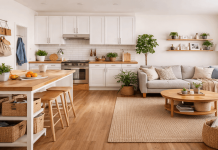
Decluttering your home helps you create a space that is easier to clean, use, and maintain. When unnecessary items build up, they take up space, slow down routines, and make simple tasks feel harder.

Removing clutter gives you better access to the things you actually use and reduces the time spent searching for misplaced items. It also helps lower stress because clear surfaces and organized rooms make the home feel calmer and more controlled.
Stop Spending Too Much on Decluttering Your Home
Decluttering can prevent wasteful spending since you can see what you already own before buying more. It also improves safety by keeping floors, counters, and storage areas clear.
For families, it creates a better structure because everyone can understand where items belong. Decluttering does not require a full home reset. Small, consistent actions can make your home more practical, comfortable, and easier to manage every day.
Smart Ways to Declutter Your Home
Smart decluttering helps you clear space without creating stress or unfinished messes. It focuses on small areas, clear decisions, and useful systems that fit your routine.
When you declutter with a plan, your home becomes easier to clean, maintain, and use, while unnecessary items stop taking over valuable space.
Start With One Small Area
Smarter ways to declutter your home start with a clear plan, not a full-house cleanup. Choose one small area first, such as a drawer, shelf, counter, cabinet, or closet section, and finish it before moving to another space. This keeps the process controlled and prevents clutter from spreading around the house.
Sort Before You Store
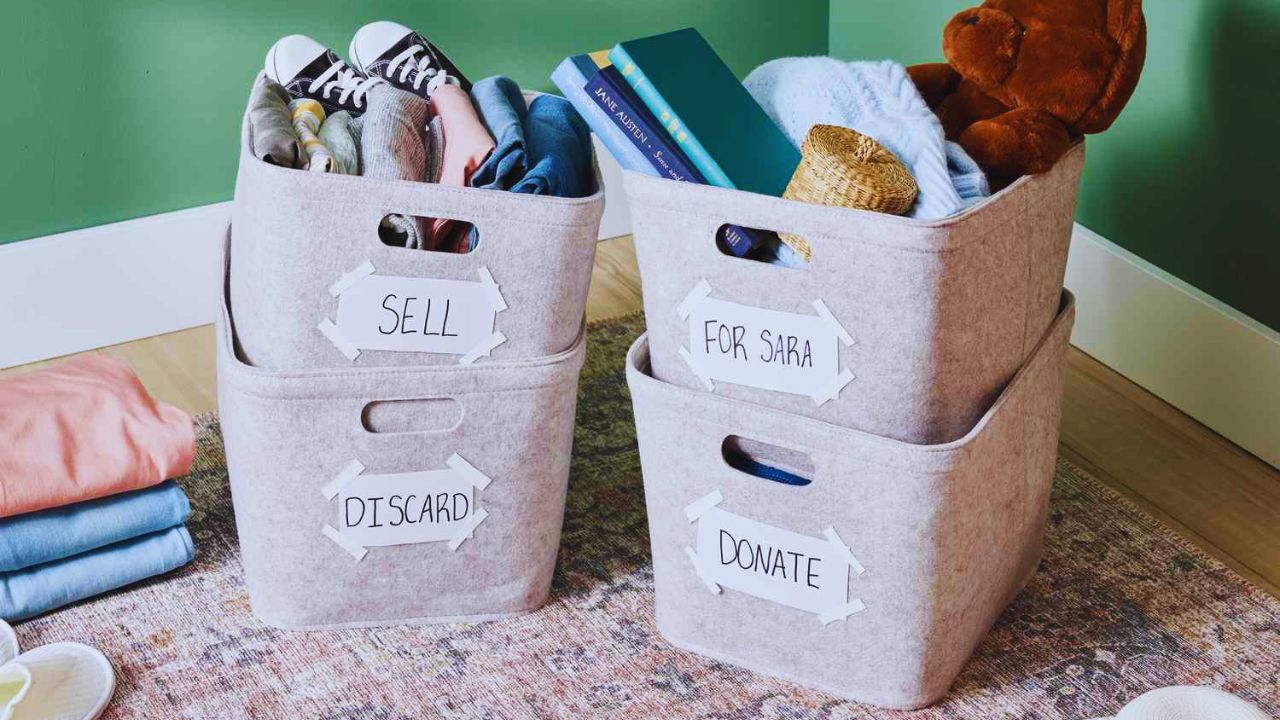
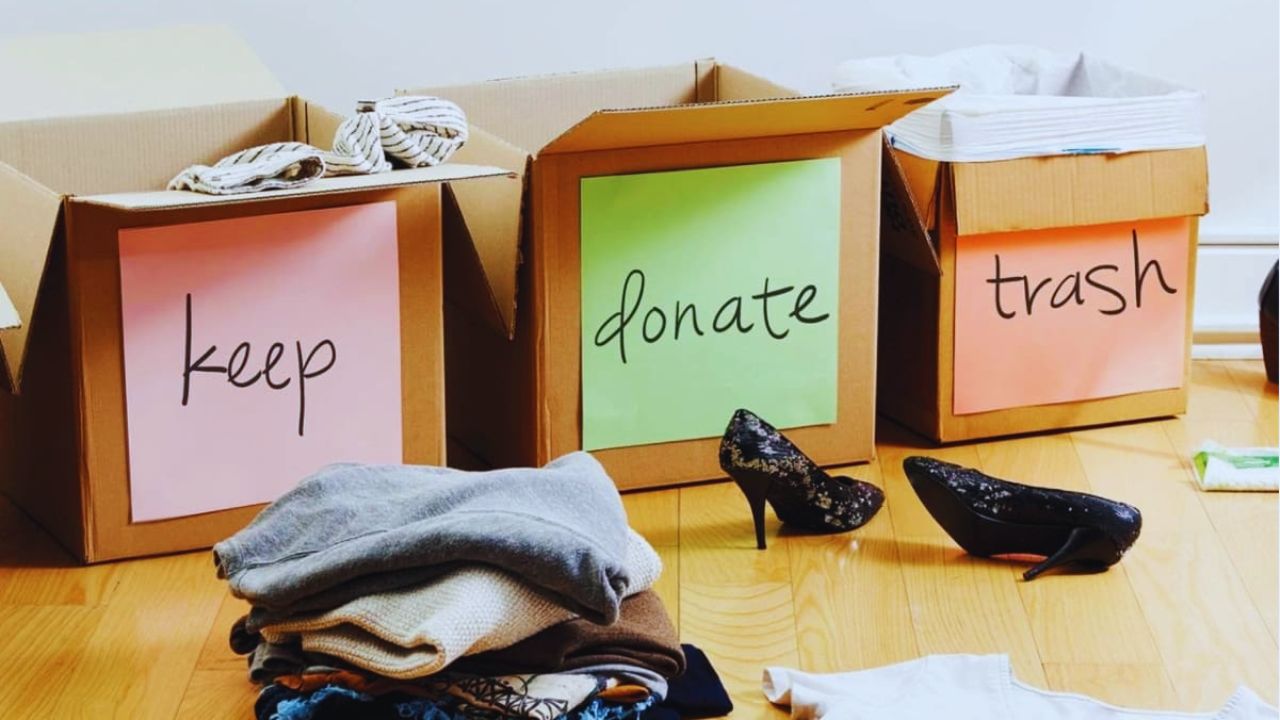
Sort items into simple categories: keep, donate, sell, recycle, trash, and relocate. Focus on items you use, need, or genuinely value, then remove anything broken, expired, duplicated, or no longer useful. Avoid buying storage containers before decluttering because bins can hide clutter instead of solving it.
Build a Simple Maintenance System
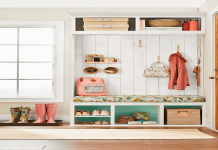
Keep daily essentials easy to reach and store seasonal or rarely used items in less active areas. Use labels for shared spaces so everyone knows where items belong. Review problem areas weekly, such as entryways, kitchen counters, bathroom drawers, and bedroom chairs, so clutter stays under control.
Also Read: Gentle Ways to Build Lasting Routines – Practical Steps Without Pressure
Tasks That Help You Achieve Your Home Declutter Goals
Smart tasks help you declutter your home without feeling overwhelmed. Instead of cleaning everything at once, you focus on clear, manageable actions that create visible progress.

Simple tasks like clearing surfaces, sorting drawers, and returning misplaced items make your home easier to clean, use, and maintain every day.
Clear One Countertop or Table
Choose one countertop, dining table, desk, or coffee table and remove every item from the surface. Wipe the area clean before deciding what should return. Keep only items that are used daily or clearly belong there.
Move dishes to the kitchen, papers to a document area, clothes to the laundry, and personal items to their proper rooms. Avoid replacing clutter with decorative pieces that make the surface harder to use.
This task gives you quick, visible progress and makes the room feel cleaner immediately. Repeat it whenever surfaces start collecting random items again.
Clean Out One Drawer
Pick one drawer in the kitchen, bedroom, bathroom, or office and empty it. Check every item before putting anything back. Throw away broken tools, dried pens, expired products, old receipts, loose wrappers, and items you no longer use.
Group the remaining items by purpose, such as utensils, accessories, documents, or toiletries. Use small dividers only if they help keep the drawer clear. Do not keep items just because they fit inside. A clean drawer makes daily routines faster because you can see and reach what you need without digging through unnecessary clutter.
Fill One Donation Bag
Take one bag and fill it with items that are still usable but no longer needed in your home. Focus on clothes that do not fit, shoes you do not wear, books you will not reread, extra kitchen items, toys, bags, or décor that only take up space. Do not overthink each item.
Ask whether you use it, need it, or would buy it again today. If the answer is no, place it in the bag. Keep the bag near the door and remove it from the house as soon as possible to prevent second-guessing.
Sort Paper Clutter
Gather loose papers from counters, drawers, bags, desks, and entryway surfaces. Separate them into clear groups: important documents, bills, receipts, school papers, work papers, and trash. Throw away envelopes, outdated notes, duplicate copies, and papers you no longer need. Place important documents in one folder or file box.
Keep unpaid bills in a visible spot so they are handled on time. Digitize papers when possible to reduce storage. Paper clutter spreads quickly because it looks small at first, so sorting it regularly prevents piles from becoming harder to manage.
Return Misplaced Items
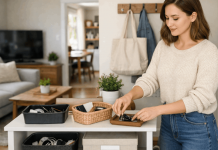
Walk through one room with a basket and collect everything that belongs somewhere else. This may include dishes, clothes, toys, books, chargers, tools, shoes, mail, or bathroom items. Do not start cleaning deeply while doing this task. Focus only on returning items to their correct places.
Put laundry in the hamper, dishes in the kitchen, papers in a file area, and personal items in bedrooms or drawers. This task resets the room quickly and makes the next cleaning step easier. It also helps stop clutter from spreading between rooms.
Conclusion
Decluttering your home reduces stress by making each room easier to use, clean, and maintain. When clutter is removed, routines feel lighter, and decisions become simpler. A clear space supports a calmer mind, better focus, and more control over daily tasks. Make sure to follow these small but consistent steps to create lasting peace at home.