Care and maintenance tips work best when they focus on small problems before they become expensive repairs.
A messy room does more than look unpleasant; it can hide leaks, dust buildup, worn surfaces, and items that need attention.
A simple routine helps protect comfort, safety, and long-term home value without turning every weekend into a deep-cleaning project.
The goal is not to keep the house perfect. It is to create a few repeatable habits that make your home easier to live in.
When cleaning, repairs, and seasonal checks happen in small blocks, the work feels more manageable and less stressful.
Why Small Maintenance Habits Matter
Small issues often become expensive because they are easy to ignore. Blocked gutters can lead to water damage, dirty dryer vents can create fire risks, and air leaks can waste energy.
These problems usually start quietly, which is why regular checks are more useful than waiting for something to break.
A well-maintained home also feels better day to day. Clean caulk lines, working lights, quiet fans, clear entryways, and organized supplies all make the space easier to use.
These details may seem minor, but they show consistent care and can matter later if you sell, rent, or inspect the property.
Seasonal Checks That Prevent Bigger Repairs
Some home maintenance tasks only need attention a few times a year. Gutters, HVAC filters, dryer vents, exterior paint, drainage, and water heaters should not be left until something fails. A calendar reminder can keep these checks visible without forcing you to remember everything.
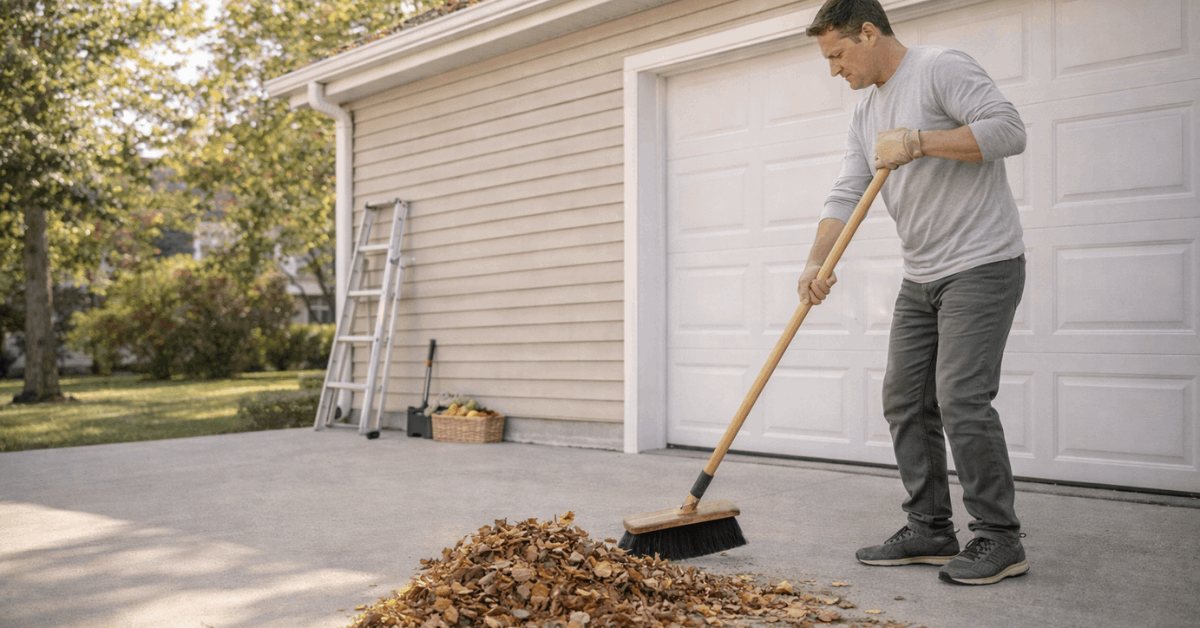
Spring and fall are useful times to inspect the outside of your home. Clear gutters, trim branches away from the roof, check siding, and look for cracks in driveways or walkways.
Water should move away from the foundation, not sit near the house. Drainage problems are easier to fix before they cause hidden damage.
Inside the home, HVAC filters, refrigerator coils, bathroom fans, and dryer vents deserve regular attention. Dust buildup makes systems work harder and can shorten their life.
If you notice weak airflow, unusual smells, rising energy use, or repeated moisture problems, schedule service before the issue becomes larger.
Also read: How to Care for Items Over Time
One Short Home Maintenance Checklist
Use this checklist when you need a simple monthly reset. It is short on purpose, so it stays realistic and does not become another overwhelming task.
- Check gutters, drains, and water flow.
- Replace or inspect HVAC and appliance filters.
- Clean dryer vents beyond the lint screen.
- Test alarms, lights, and GFCI outlets.
- Review utilities for unusual cost changes.
This checklist works because it focuses on the areas most likely to create cost, safety, or comfort problems.
If one item shows a warning sign, handle that first instead of trying to fix the whole house at once. Maintenance is more effective when it follows real priorities.
Cleaning Methods That Save Time
A good cleaning method prevents backtracking. Gather supplies first, start at one side of the room, work in a steady direction, and clean higher surfaces before floors. This keeps dust and crumbs moving downward instead of making you repeat the same area.
Pretreat tough spots before scrubbing. Let the product work for the recommended time, then come back and clean with less force.
This protects surfaces and avoids wasted effort. Stronger scrubbing is not always better, especially on wood, paint, screens, stone, or delicate finishes.
Use the right cleaner for the surface and follow label directions. Food prep areas, electronics, wood floors, textiles, and bathroom surfaces do not all need the same product. Careless product use can leave residue, damage finishes, or create safety concerns.
Small Repairs That Show Good Stewardship
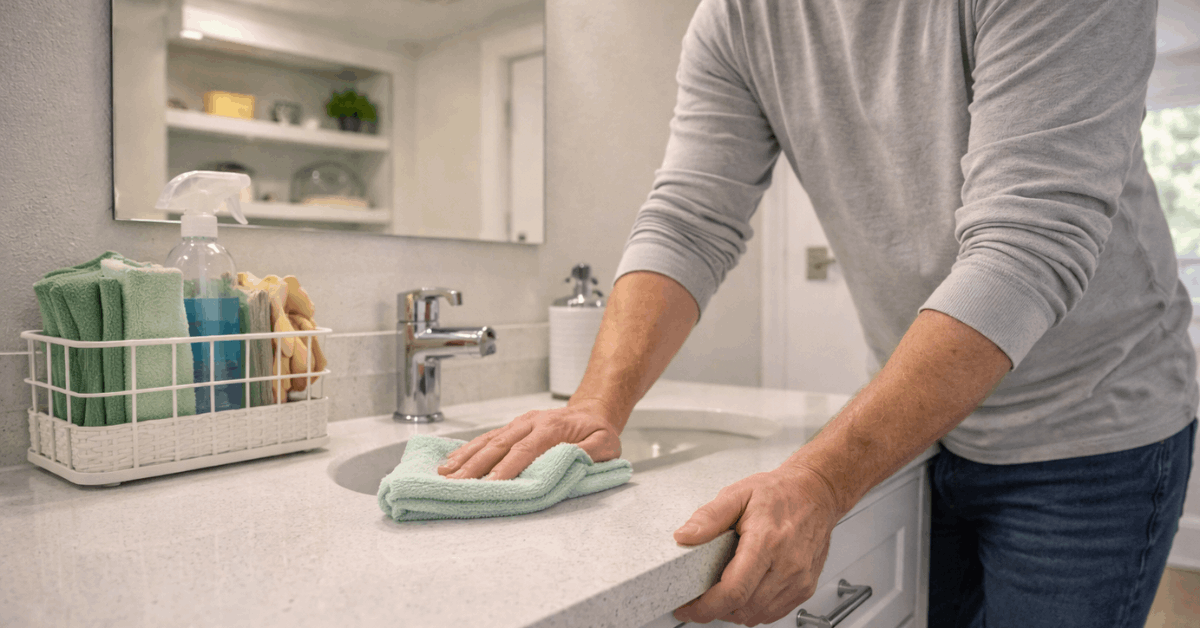
Minor repairs can make a home feel cared for and prevent doubts during inspections. Recaulk tubs and sinks when edges darken or crack.
Replace broken lights, loose switches, faulty outlets, and damaged door hardware before they become daily annoyances or safety concerns.
Keep a simple record of HVAC service, filter changes, appliance repairs, and major maintenance. This does not need to be complicated.
A notes app, folder, or small ledger is enough. Organized records make future repairs easier and show responsible upkeep.
Keep Home Maintenance Practical
Care and maintenance tips are most useful when they fit your actual schedule. Start with the tasks that prevent the biggest problems: moisture control, airflow, dryer vents, gutters, filters, and small repairs. These areas affect safety, comfort, and long-term costs more than decorative cleaning.
Choose one routine you can repeat this week. It might be clearing the fridge before trash day, checking one filter, wiping bathroom moisture, or setting a monthly reminder for outdoor checks.
When home care stays simple and visible, the house becomes easier to maintain without constant effort.