Busy schedules crowd out maintenance until small issues become damage. Care for Items Over Time begins with a handful of protective habits that fit the week.
Collections can mean heirloom textiles, children’s drawings, pottery, silver, or a favorite print picked up on holiday. Value sits in memory and story, so the plan below keeps things practical, repeatable, and safe.
What Preventive Conservation Means
Preventive conservation focuses on slowing deterioration rather than repairing it after the fact. Most household objects respond best to stable temperature, moderate humidity, clean air, limited light, and careful handling.

Organic materials such as paper, textiles, leather, feathers, and wood react faster to light, pests, and moisture swings than inorganic materials like glass, metal, and fired clay.
Knowledge of materials guides the right storage, cleaning approach, and display choices.
Build a Simple Home Risk Map
Small leaks, drifting dust, or unmanaged sunlight cause more trouble than dramatic accidents. Map obvious hazards room by room, then remove or reduce them.
Replace worn weatherstrips, fix roof and pipe leaks quickly, and seal gaps that pull in outdoor particulates.
Place smoke detectors in working order and note battery dates. Keep a visible fire extinguisher where hands can reach it without moving boxes. Identify the main water shutoff and teach everyone where it is.
Handling Rules That Prevent Breakage
Handling ranks among the most common failure points. Use both hands and clear a safe path before moving anything fragile. Nitrile gloves help when skin oils might stain surfaces; clean hands work well for many ceramics and metal pieces.
White cotton gloves slip, snag fibers, and transfer dust, so avoid them. Never lift by a handle, rim, frame top, protrusion, or hanging wire.
Choose comfortable clothing, skip long necklaces, and avoid heels during moves to reduce snags and stumbles. The phrase safe art handling belongs on every checklist.
Environmental Targets For Stability
Short fluctuations in temperature and humidity trigger cracking, warping, mold, and corrosion. This section sets simple targets so daily life stays realistic.
- Aim for moderate temperature and avoid hot spots near radiators, fireplaces, or vents.
- Keep relative humidity near the middle range; large swings create stress in layered objects.
- Use a small data logger to spot problem rooms before issues appear on surfaces.
- Isolate kitchens and bathrooms for display and storage, since steam and grease travel widely.
- Install blackout curtains or UV films in rooms that host sensitive works on paper and textiles.
Keep Light Exposure Low
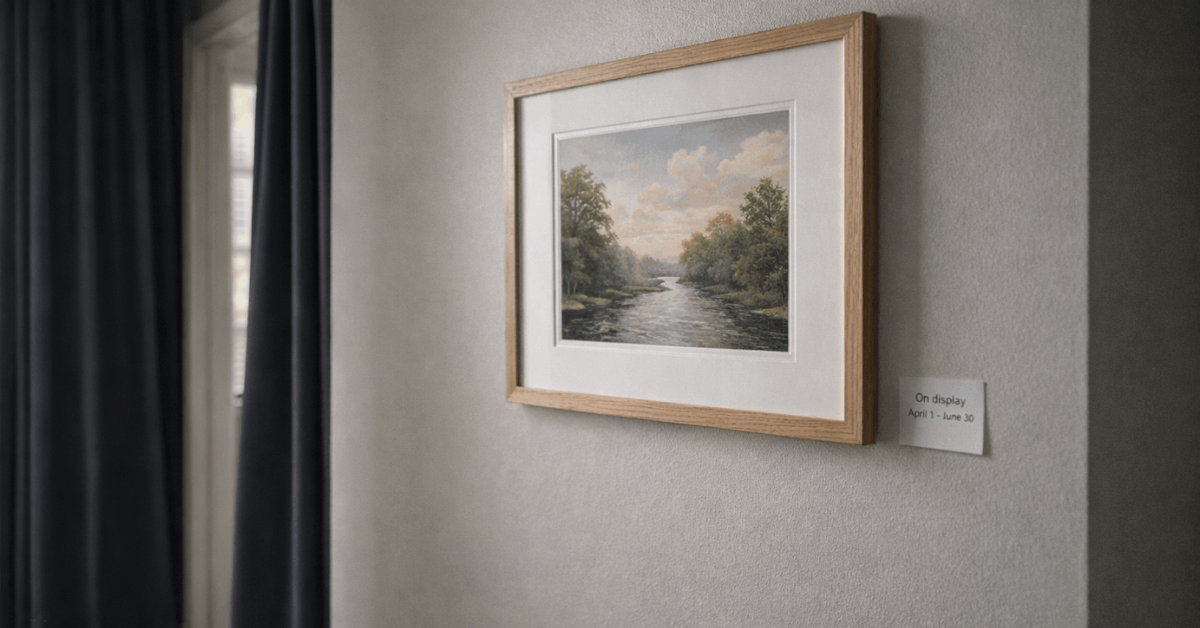
Light damage accumulates and cannot be reversed. Pigments fade, paper yellows, and some plastics darken. Avoid direct sunlight and heat-producing lamps for anything sensitive.
If skylights or bright windows cannot be avoided, rotate displays and rest light-vulnerable items for part of the year. Framed works benefit from UV-filtering glazing and distance from windows. The phrase light exposure damage should trigger caution whenever a display wall sits within a bright cone.

Choose Safe Storage and Enclosures
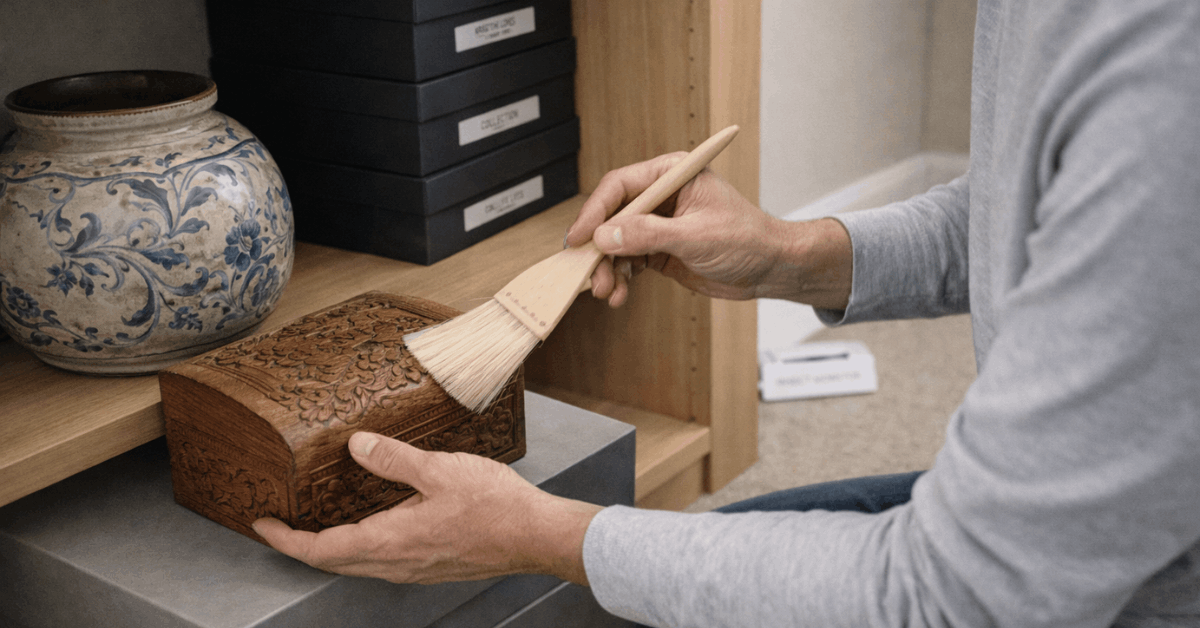
Protective enclosures block dust, slow chemical reactions, and reduce handling. Closed cabinets, drawers, boxes with lids, and acid-free photographic sleeves work across many categories.
Use archival storage materials like acid-free unbuffered tissue for padding folds in textiles or around fragile surfaces.
Roll textiles on appropriate tubes to prevent deep creases, adding interleaving tissue and a breathable outer wrap. Paintings should have backing boards to limit dust and accidental pokes. Silver benefits from bags or cloths that reduce tarnish formation.
Cleaning Routines That Avoid Damage
Dust behaves like sandpaper over time. A regular schedule keeps surfaces safe without aggressive scrubbing.
- Start with the gentlest method: low-suction HEPA vacuum through a soft screen or brush attachment.
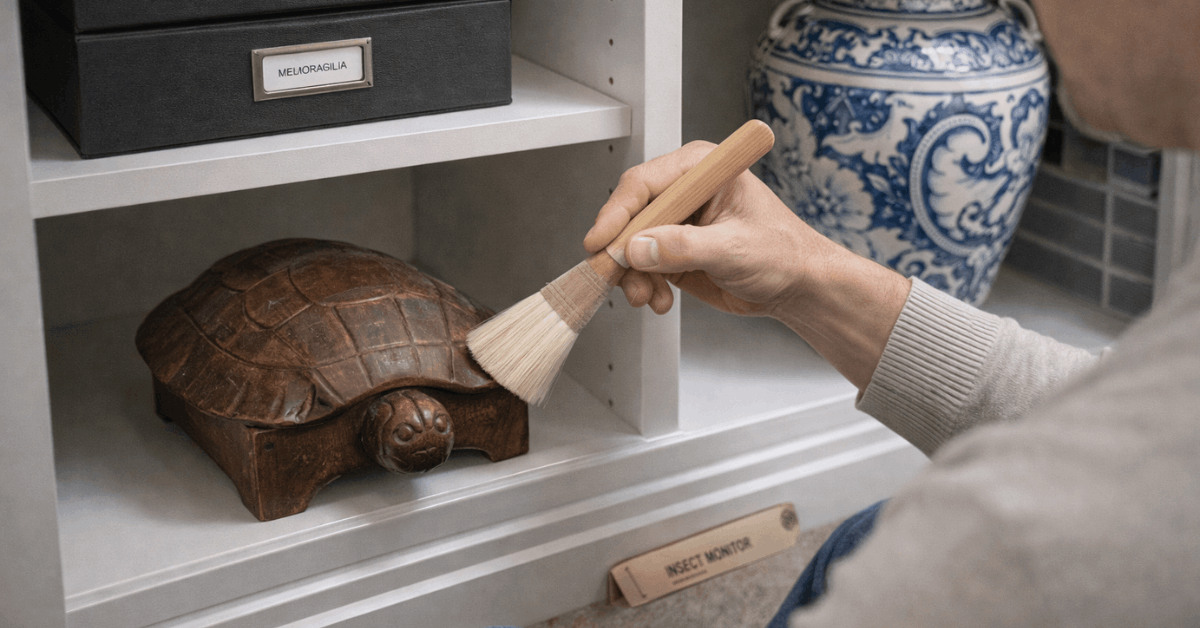
- Use hake brushes for delicate dry dusting, moving from clean areas toward dirty areas slowly.
- Skip multipurpose sprays on art, photographs, or varnished surfaces; residues form films that attract dust.
- Vacuum floor and wall vents quarterly to cut abrasive airflow.
- Ask a conservator, collections care professional, or the original artist before any wet cleaning on sensitive materials.
Manage Pests Without Panic
Pests thrive where food sources and quiet corners meet. Webbing clothes moths seek proteins such as wool, fur, and feather, while silverfish prefer paper and starchy glues. Reduce risk through clutter control, frequent vacuuming, and sealed storage for vulnerable items.
Keep food away from display textiles and low shelves. Place sticky traps near problem zones and check them monthly. Household pets can knock, scratch, or chew valuables, so elevate displays or close doors.
Freezing treatments can work for some infestations, but not all materials tolerate that approach; consult a conservator first.
Protect Items During Renovations and Moves
Renovation vibration and dust pose real threats. Pack fragile items using a rigid base such as high-density polyethylene foam, then add 3/8 inch bubble wrap with bubbles facing outward to prevent impressions.
Create pull tabs on tape for easy and safe opening. Label boxes clearly and stack gently, avoiding pressure on frames or protrusions. Temporary off-site storage beats a dusty closet beside the drywall saw.
Document Ownership and Context
Good records prevent loss of meaning and reduce the chance of accidental disposal. Photograph each item and note artist or maker, date, materials, dimensions, condition, and location.
Identify people in historical photographs while memories remain fresh. Avoid sticky labels on surfaces; place identifiers on housings or folders instead.
Simple spreadsheets in Access or Excel handle most needs, while collection systems such as Artwork Archive or Artlogic add tagging and on-the-go updates. Strong collections care documentation pays back during insurance reviews and family transitions.
Cultural Care and Consultation
General tips cannot replace culturally specific guidance for community-connected objects.
For items of Native American origin or other culturally sensitive works, collaborate with the artist, maker, or relevant tribal or community representatives on appropriate care and display. Respect for cultural protocols aligns with best-practice risk reduction.
Cleaning, Sanitizing, and Disinfecting: What To Use When
Sections that mention chemicals carry higher risk. This snapshot separates routine cleaning from targeted germ control using public-health definitions cited by the CDC and many health departments.
| Aspect | Cleaning | Sanitizing | Disinfecting |
| Purpose | Removes most dirt and germs from surfaces | Reduces remaining germs to safer levels | Kills most listed germs after cleaning |
| When To Use | Regularly and before any germ-control step | After cleaning when lower germ levels are desired | When someone is sick or immunocompromised at home |
| Typical Agents | Soap or detergent and water | Weaker bleach solution or EPA-registered sanitizer | EPA-registered disinfectant or stronger bleach solution |
| Key Steps | Wipe soils first; rinse or dry as appropriate | Clean first, then apply; air-dry on clean towel | Clean first; keep surface wet for full contact time |
| Safety Notes | Follow label directions for surface suitability | Verify food-contact compatibility where relevant | Wear protection, ventilate, and never mix chemicals |
Surface-Specific Care Basics
Different materials tolerate different procedures. The guidance below keeps materials safe while aligning with public-health advice.
- Hard surfaces such as counters, light switches, and floors accept soap and water or an appropriate product. Clean first, then sanitize or disinfect when risk rises.
- Soft surfaces such as carpets, rugs, and drapes respond to vacuuming, spot cleaning, and laundering according to manufacturer instructions. Dry items completely.
- Laundry items including clothing, towels, cloth toys, and linens can be washed together unless a caregiver instructs otherwise. Use detergent, follow temperature guidance, and wash hands after handling.
- Electronics benefit from wipeable covers. Follow manufacturer cleaning instructions and avoid liquids seeping into ports or seams.
- Kitchen prep areas need cleaning with hot, soapy water, then sanitizing after raw meat or poultry exposure, including the inner sink.
Light, Kitchen, Bathroom, Attic, and Basement Exclusions
Display and storage locations shape lifespan. Skip kitchens and bathrooms due to steam, grease, and rapid swings in humidity. Avoid attics and basements because heat, cold, and damp air accelerate deterioration and corrosion.
Keep fragile items away from fireplaces and heater vents. If a bright room remains the only option, rotate objects, add UV films, and shorten display periods.
Weekly and Seasonal Routines That Actually Happen
Maintenance sticks when scheduled. Short recurring tasks prevent buildup and reduce emergency fixes later.
- Weekly: dust reachable surfaces gently, check traps, and scan windowsills for leaks or debris.
- Monthly: vacuum vents and behind furniture, review environmental logs, and rotate a light-sensitive display.
- Quarterly: inspect roofs and plumbing for leaks, review storage boxes for pests, and update location records.
- Twice yearly: change smoke-detector batteries, reassess risk maps, and air out storage rooms on a dry day.
- Annually: deep clean storage cabinets, refresh padding materials, and review insurance and documentation photos.

Health and Safety Guardrails
Household chemicals require respect. Read labels carefully, wear gloves or goggles as directed, and ventilate rooms during use.
Keep solutions at room temperature unless labels specify otherwise, label any dilutions, and never mix chemicals. Leave disinfectants on surfaces for the full contact time. Wash hands immediately after use. Store products away from children and pets.
When To Call a Professional
Professional conservators, museum collections managers, and specialized framers provide advice when stakes rise.
Seek expert help for mold outbreaks, fire or flood damage, lifting or flaking paint layers, torn canvases, complex gilded surfaces, or historic textiles with failing fibers. Guidance limits risk and saves irreplaceable material.
Notes On Materials and Ethics
Some materials cannot be frozen, boiled, steamed, or exposed to solvents without harm. Others carry cultural or spiritual rules about handling and display.
When uncertainty appears, pause and consult. Respect for origin, maker intent, and community practice pairs well with technical controls.
Final Takeaway
Long life comes from habits, not heroics. A tidy risk map, clean air and surfaces, smart light control, correct storage, and accurate records handle most of the work. Preventive steps keep memories accessible while leaving room for daily life.