Care & Maintenance

How To Maintain Items With Minimal Effort: Care And Maintenance Tips That Actually Stick

Busy households do not need perfect routines to stay in good shape. Most items last longer when you manage moisture, buildup, friction, and storage before they become bigger problems.

This guide is for people who want fewer repairs, fewer replacements, and less cleaning stress without adding complicated steps to the week. The goal is simple maintenance that feels realistic enough to repeat.
How To Maintain Items With Minimal Effort: Care And Maintenance Tips That Actually Stick
Image Source: House Digest

Start With the Problems That Cause the Most Wear

Maintenance feels harder when every task looks equally urgent. In most homes, damage usually comes from the same few causes: dampness, sticky residue, repeated rubbing, and poor storage.

Once you know what to watch for, you stop guessing and start handling the problems that actually shorten the life of your things. That makes home care less overwhelming.

A low-effort routine should focus on prevention, not recovery. Drying a towel before it smells is easier than washing it twice. Wiping a sticky spot early is easier than scrubbing it later.

Storing a charger loosely is easier than replacing it after the cord starts fraying. These small choices do not feel dramatic, but they protect items used every day.

How To Maintain Items With Minimal Effort: Care And Maintenance Tips That Actually Stick
Image Source: Degree Residential

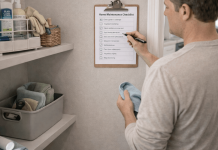
Use One Weekly Reminder You Can See

A weekly reminder works better when it is visible and short. You can keep a simple note on the fridge, inside a cabinet, or near your cleaning supplies with four checks: dry, wipe, rotate, and store.

That is enough to remind you what matters without turning the routine into a long checklist. Visibility helps because motivation is not always reliable.

The reminder should stay simple. If it becomes too detailed, it starts to feel like another chore. A few words are enough to prompt action when you are already walking through the kitchen, bathroom, or laundry area. The point is to make the routine easier to start, not to create a perfect system.

Cut the Habits That Create Extra Work

Minimal maintenance also means removing habits that make the home harder to care for. Storing damp items, overfilling drawers, using too many cleaners, or scrubbing with too much force can create more problems than they solve.

These habits often feel harmless in the moment, but they add wear over time. Reducing them protects surfaces, fabrics, and tools.

Keeping fewer products can also help. One gentle cleaner, a few cloths, and the right basic tools are often enough for regular touch-ups.

When you are not choosing between several bottles or searching for the correct item, quick care becomes easier to repeat. A simpler setup supports faster daily maintenance.

How To Maintain Items With Minimal Effort: Care And Maintenance Tips That Actually Stick
Image Source: HVAC.com

Control Moisture Before It Turns Into Odor or Damage

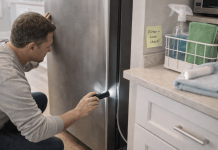
Moisture is one of the fastest ways household items start to smell, swell, peel, rust, or break down. It affects towels, shoes, bags, cabinets, bathroom surfaces, and even storage corners.

The problem is not always obvious at first, which is why drying habits matter. If something stays damp for too long, damage begins quietly.

The easiest rule is to let items dry before storing them. Towels should hang open, shoes should air out after rain or workouts, and bags should not be sealed while the lining is still damp.

Kitchen cloths also need airflow instead of being left bunched near the sink. Drying first prevents odor and reduces the need for extra washing later.

Some spaces need extra help because air does not move well. Closets, under-sink cabinets, storage bins, and laundry corners can trap humidity, especially in small homes or humid weather.

In those areas, it helps to open doors briefly, leave space between items, or use passive moisture control when needed. The goal is not to add more work, but to create better airflow with less effort.

Bathrooms and kitchens deserve special attention because water is part of daily use. After showers, wipe the slow-drying edge of the tub, glass, or faucet area.

After cooking or washing dishes, dry the sink rim and check towels or cloths. These steps take less time than scrubbing odor, film, or stains after they settle.

Also read: How To Care For Items Without Overcomplication: Practical Home Maintenance Tips That Actually Stick

How To Maintain Items With Minimal Effort: Care And Maintenance Tips That Actually Stick

Image Source: Houzz

Stop Buildup While It Is Still Easy to Remove

Buildup turns small messes into hard work. Grease, soap film, mineral marks, toothpaste, dust, and sticky residue all become more difficult to clean when they sit too long.

That is when people start scrubbing harder, which can dull finishes or scratch surfaces. Early cleaning protects the surface and your time.

Wipe Residue When You First Notice It

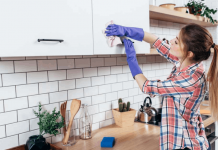
Sticky spots should be handled as soon as they appear. A quick wipe on the counter, cabinet handle, stovetop edge, sink rim, or bathroom faucet can prevent residue from spreading.

You do not need to clean the entire room every time something looks messy. Focus on the area that is actively creating grime or daily frustration.

This works especially well in high-touch areas. Handles, switches, appliance edges, trash lids, and sink zones collect oils and residue faster than other places.

When those areas stay clean, the room feels better maintained even if it is not spotless. A few targeted wipes can prevent bigger cleaning sessions.

Soften Hard Film Instead of Scrubbing Aggressively

Hard film usually responds better to patience than force. If mineral marks, dried food, or soap residue has already formed, let warm water or a suitable cleaner sit briefly before wiping.

This softens the layer so you do not need to grind at the surface. Too much pressure can leave scratches, dullness, or damage.

After removing residue, rinse and dry the area. Rinsing clears leftover cleaner, while drying prevents new water spots from forming right away.

This final step is easy to skip, but it helps the result last longer. It also prevents cleaner film from attracting new dust or stickiness.

Reduce Friction Where Items Get Used the Most

Friction causes slow damage even when a home looks clean. It shows up as thin fabric, dull floors, scratched furniture, frayed rug edges, or worn cabinet corners.

Because the damage happens gradually, it is easy to notice only when the item already looks old. Reducing repeated rubbing helps materials last longer.

The simplest fix is rotation. Rugs, cushions, bedding, and towels should not always carry wear in the same place.

Turning a small rug, switching cushion positions, or rotating bedding spreads pressure across the material. You are not adding more cleaning; you are simply preventing wear from concentrating.

Furniture also needs protection where it touches the floor. Chair legs, tables, and storage pieces can scratch surfaces when grit gets trapped underneath.

Cleaning contact points and using pads or sliders where needed can reduce scraping. This is especially useful in dining areas, home offices, and entry spaces where chairs move often.

High-touch edges deserve attention too. Cabinet corners, drawer fronts, door handles, and table edges age faster because hands and objects hit them repeatedly.

You do not need to protect every surface. Focus on the spots that get touched many times a day, because those are the areas most likely to show early wear.

Store Items So They Stay Ready to Use

Storage is part of maintenance, not just organization. Poor storage can bend, crush, scratch, or separate items from the parts they need to work.

A tool, charger, appliance attachment, or seasonal item may still be in good condition, but if its pieces are missing or damaged, it becomes harder to use. Better storage prevents unnecessary replacement purchases.

Keep Small Parts With the Items They Belong To

Missing parts often cause frustration before the main item actually fails. Screws, batteries, chargers, lids, attachments, manuals, and small accessories should stay grouped in containers or labeled pouches.

This keeps sets complete and makes repairs or setup faster. The goal is to avoid buying something new just because one small piece disappeared.

This habit is especially useful for seasonal gear, small appliances, electronics, and home tools. If the item has several parts, store them together as soon as you finish using it.

Waiting until later increases the chance that pieces drift into drawers, boxes, or random shelves. A simple container can save time and money.

Store by Frequency, Not Just Category

Items used daily should be easy to reach and stored loosely enough to remove without pulling everything apart. Things used only a few times a year can sit higher, lower, or deeper in storage.

This keeps the most useful items from being crushed under objects you rarely touch. Storage becomes easier when it follows real household habits.

Overstuffed drawers and packed shelves create damage because items rub, bend, or fall when you reach for them.

If you cannot remove one item without disturbing several others, the space may need editing. Removing a few items can protect the rest. It also makes the routine faster because you are not fighting the storage system every day.

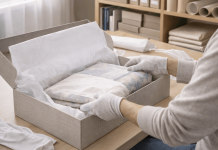
Seasonal items should be cleaned and dried before they are packed away. Dust, sweat, dampness, and residue can cause stains or odors while the item is not being used.

Soft goods should not be compressed too tightly for long periods if it affects their shape. Preparing items before storage makes them easier to use when the season returns.

Keep the Routine Short Enough to Restart Anytime

The best maintenance plan is one you can restart after a busy week. If the routine depends on a long free day, it will break whenever your schedule changes.

A better approach is to choose one small action that protects something you use often. That might be drying towels, wiping sticky handles, rotating cushions, or grouping loose parts.

Once the first habit feels automatic, add another. Small routines build confidence because they create visible results without demanding too much time.

You may not notice every problem right away, but you will notice fewer odors, less clutter, and fewer damaged items over time. That is the practical value of minimal effort maintenance.

Conclusion

Effective care does not require perfect cleaning or a long list of products. It works best when you focus on the causes of early wear: moisture, buildup, friction, and poor storage.

Start with the issue that creates the most trouble in your home, then keep the step small enough to repeat. When care feels simple, it becomes easier to protect your home, your budget, and the items you rely on every day.