Most cleaning advice treats every surface like a biohazard zone. Disinfecting everything is wasteful.
I think most people confuse cleaning with sanitizing with disinfecting, and that confusion leads to buying products they do not need and creating work that does not protect anyone.
Soap and water remove most germs. Disinfectants kill what remains after proper cleaning, but only when risk justifies the extra step.
This guide explains which objects need attention, which cleaning level each situation requires, and how to stop wasting time on surfaces that do not spread illness.
Why Disinfecting Every Surface Backfires
Disinfection works only on surfaces already cleaned of visible soil. Most people skip the cleaning step and spray disinfectant directly onto dirty counters, which traps bacteria under a film and wastes the product entirely.
The three levels are cleaning, sanitizing, and disinfecting. Each serves a different purpose. Using the wrong level either under-protects or over-complicates your routine.
Cleaning Removes Soil and Most Germs
Standard cleaning uses warm water plus soap or detergent to lift and remove dirt along with most microbes. This step alone eliminates the majority of bacteria and viruses from surfaces.
Soap breaks down oils and biofilms that protect organisms. Physical wiping removes loosened particles. Most household surfaces need only this level most of the time.
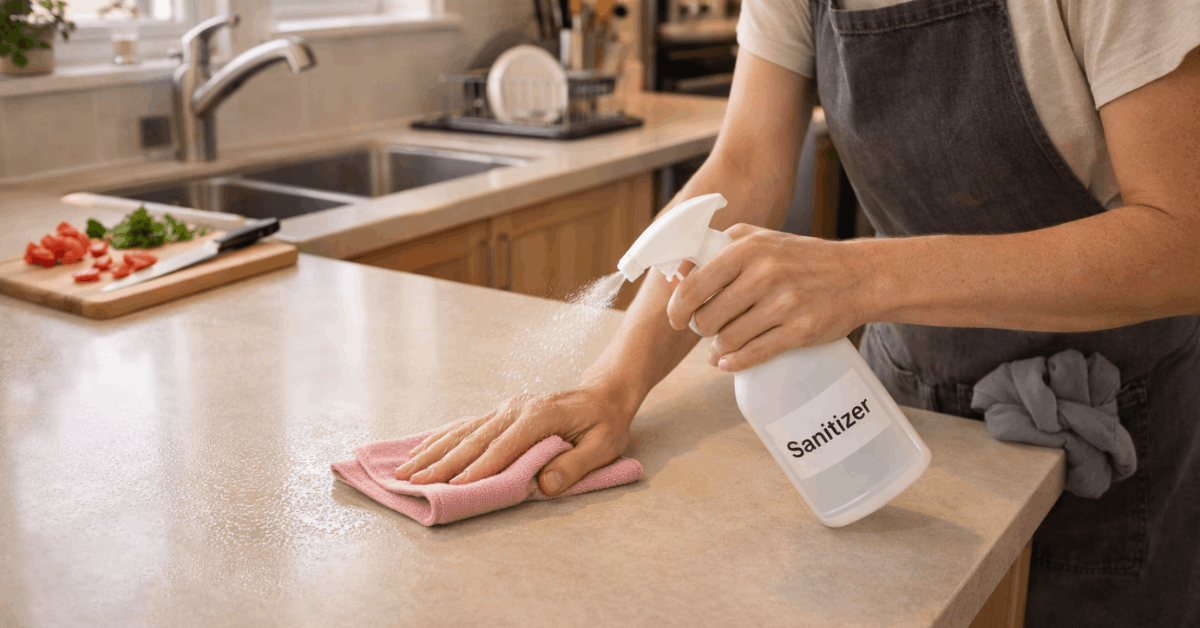
Sanitizing Lowers Bacteria on Food-Contact Surfaces
Sanitizing reduces remaining bacterial counts on already-clean surfaces to public health thresholds. This level fits food prep areas, cutting boards, and child-contact items like high chairs.
A weak bleach solution at a 1:100 ratio works for sanitizing. That is four teaspoons of bleach per quart of water. Rinse food-contact items after the solution sits for the labeled contact time.
Disinfecting Kills Viruses During Illness
Disinfecting inactivates bacteria and viruses after cleaning. This level is appropriate for sick-room care or households managing higher clinical risk, not daily maintenance.
A stronger bleach solution at roughly a 1:32 ratio handles disinfection. That is five tablespoons of bleach per gallon of water. Keep the surface visibly wet for the full contact time listed on the product label.
My take on this: I would rather clean everything with soap and disinfect only doorknobs and light switches during flu season than waste money disinfecting surfaces that never touch hands or food. The difference in illness rates does not justify the chemical exposure or the cost.
High-Touch Objects That Spread Germs Between People
Household hotspots concentrate hand contact and should be cleaned frequently, then disinfected only during illness or after guests. Rotating attention across these items limits spread without demanding full-home disinfection every day.
Short, frequent touch-point sessions work better than weekly deep cleans. Five minutes on high-touch items daily beats two hours of random scrubbing on Saturday.
Also read: Small Apartment Organization for People Whose Systems Collapse by Wednesday
Smartphones Carry More Bacteria Than Toilet Seats
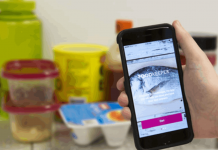
Phones meet hands, faces, and pockets constantly. Use device-safe disinfecting wipes regularly, or place compatible models in a UV sanitizer designed for electronics when liquids are restricted.
Standard wipes can damage screen coatings. Check your phone manufacturer’s cleaning guidelines before using any liquid product. Most recommend 70% isopropyl alcohol wipes for touchscreens.
Doorknobs and Light Switches Get Touched by Everyone
Handles, knobs, and switches carry frequent hand traffic. Disinfect using a correctly diluted household bleach solution or a labeled product, observing the full contact time and ensuring good ventilation.
Contact time matters more than people realize. Spraying and immediately wiping does nothing. The surface must stay visibly wet for the time listed on the label, usually three to ten minutes depending on the product.
Cutting Boards Hide Bacteria in Grooves
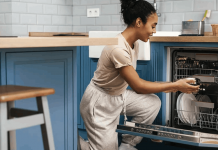
Acrylic, plastic, glass, and wood boards should be washed in the dishwasher if allowed. Replace boards when worn or cracked because bacteria hide in grooves that wiping cannot reach.
Keep raw meat preparation on a separate board, then sanitize that area before returning to produce. Cross-contamination from poultry to vegetables causes most home food poisoning incidents.
The Centers for Disease Control and Prevention recommends using different cutting boards for raw meat and ready-to-eat foods to prevent cross-contamination.
Kitchen Sponges and Dishrags Harbor Heavy Bacterial Growth
Kitchen rags often show heavy bacterial growth in lab studies. Machine-wash rags on hot cycles, replace sponges frequently, and sanitize sponges using a dishwasher sanitize cycle or a short microwave treatment when wet.
Microwave a fully wet sponge for one to two minutes to reduce bacterial load. Take care to avoid burns when removing it. Rinse and squeeze after every use, then allow full air-drying away from food prep zones.
I was skeptical about microwaving sponges until I saw a 2017 study in Scientific Reports showing that microwaving a wet sponge for one minute killed 99% of bacteria. Still easier to just replace them weekly.
Room-by-Room Cleaning Priorities That Prevent Illness
Small, repeatable steps deliver faster wins than marathon cleans. Start by picking up clutter to reveal surfaces and floors. Work high to low: dust and wipe, then vacuum or mop.
The order matters. Cleaning floors before dusting shelves means you clean floors twice. Decluttering before wiping means you move items once instead of three times.
Kitchen Focuses on Food-Contact Zones
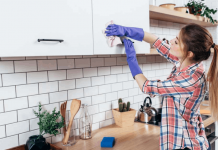
Wipe counters, tables, cabinet pulls, and appliance handles using an appropriate cleaner. Sanitize food prep zones after raw meat contact, including the inner sink.
Clean the microwave interior after steam-softening splatters. Heat a cup of water until it steams, then wipe ceilings and walls while the moisture is still loose.
Degrease the range backsplash and knobs weekly. Clean the refrigerator interior three or four times yearly. Schedule oven cleaning every three to six months, depending on cooking frequency.
Bathroom Requires Separation Between Toilet and the counter cloths
Scrub sinks, counters, mirrors, tubs, and showers. Apply disinfectant on precleaned high-touch zones like faucet handles and toilet surfaces.
Avoid cross-contamination by using separate cloths for the toilet and for counters. Color-code your cleaning rags if needed. Red for toilets, blue for counters, green for general surfaces.
After bathing, squeegee walls and doors to reduce moisture. Run the fan or open a window to limit mold growth. Mold spores become airborne and trigger respiratory problems faster than most people expect.
Bedroom Maintenance Targets Dust Mites and Allergens
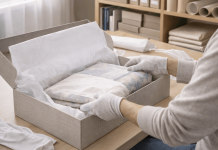
Wash bedding weekly in hot water at or above 54.4 degrees Celsius when fiber care labels allow. Encase pillows and mattresses in zippered covers to reduce dust mite reservoirs.
Vacuum mattresses and soft furnishings periodically. Launder pillowcases and sheets promptly after illness or eye infections, because pathogens linked to conjunctivitis survive on fabric for days.
Dust mites feed on dead skin cells. Hot water kills them. Warm or cold washes just redistribute them across your laundry load.
Living Areas Need Weekly Dusting and Vacuuming
Dust windowsills, bookshelves, baseboards, frames, and the tops of mirrors or artwork. Follow with a damp microfiber wipe to trap particles instead of launching them into the air.
Vacuum carpets, rugs, and soft furniture. Shake small rugs outdoors. Mop kitchen, bathroom, and high-traffic hard floors with products matched to your surface type.
Feather dusters push dust into the air and onto nearby surfaces. Microfiber traps it. The physics matter more than the marketing.
Safe Product Use Prevents Damage and Chemical Injuries
Surface type dictates chemistry and technique. Hard nonporous surfaces tolerate soap and water for routine cleaning and compatible disinfectants when risk rises.
Soft surfaces such as rugs and drapes benefit from vacuuming and laundering on the warmest safe settings, then thorough drying. Electronics require manufacturer-approved wipes and wipeable covers that simplify cleaning.
Bleach Dilution Must Be Precise for Safety and Effectiveness
Effective bleach use depends on correct dilution, contact time, and ventilation. Mixing bleach with acids such as vinegar generates hazardous gases, so keep products separate and use room-temperature water for dilutions.
Clearly label any decanted solution. Store away from children and pets. Prepare fresh solutions regularly to maintain strength, because bleach degrades in light and air.
Here are the ratios that work:
- General sanitizing on clean nonporous surfaces: 1:100 ratio (four teaspoons of bleach per quart water)
- Disinfecting hard precleaned surfaces: roughly 1:32 ratio (five tablespoons of bleach per gallon water)
- Toys and infant feeding items: dishwasher sanitize setting or approved soak, then air-dry
Essential Tools Prevent Cross-Contamination
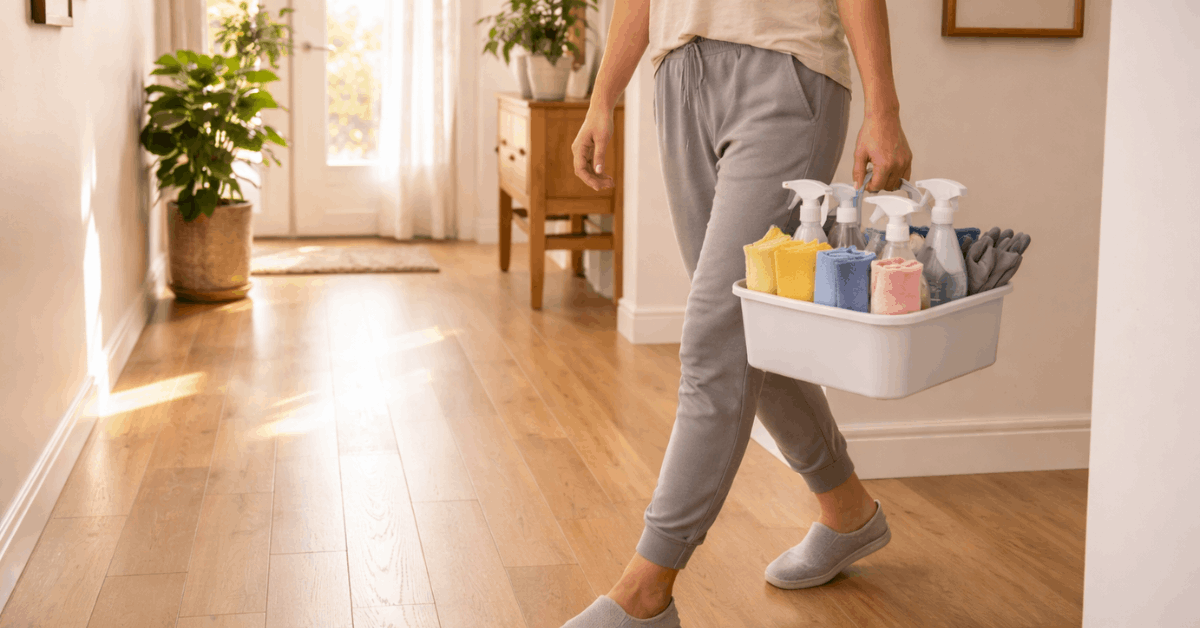
A small, durable kit accelerates setup and reduces waste. Separate cloth colors or labels for kitchens, bathrooms, and general dusting so dirty wipes never meet food-contact areas.
Stock rubber gloves, washable rags, and microfiber cloths for glass, steel, and general wiping. Add a vacuum with upholstery and crevice tools. Wash cloths, mop heads, and vacuum filters routinely to keep performance high and odors low.
Keep an all-purpose cleaner in a spray bottle, plus glass cleaner or warm soapy water for mirrors. Store disinfecting sprays or wipes for quick high-touch wipe-downs, and plain unscented bleach for accurate dilution.
Cleaning Hacks That Save Time Without Sacrificing Results
A few targeted tricks remove stubborn grime and save supplies without complicated processes.
Soften microwave residue by steaming water until the cavity fogs, then wipe thoroughly. Keep baby wipes accessible for rapid cleanups of spills on couches and coffee drips on counters.
Use a handheld squeegee after washing windows with warm, soapy water. Finish with a dry cloth to prevent streaks. Lift wall scuffs using a moistened melamine sponge, applying light pressure to protect paint finishes.
Wash cleaning supplies regularly. Mop tops, microfiber cloths, and vacuum filters lose effectiveness when clogged with old dirt and bacteria.
Questions People Ask About Cleaning High-Touch Items
Q: How often should I disinfect doorknobs and light switches?
Clean them weekly with soap and water. Disinfect only during illness in the household or after guests who might be sick. Daily disinfection is overkill for most homes and wastes product.
Q: Can I use the same cleaning cloth for the kitchen and bathroom?
No. Use separate cloths for food prep areas, bathrooms, and general surfaces to prevent cross-contamination. Color-coding or labeling prevents mix-ups and keeps bacteria from spreading between zones.
Q: Do I really need to wash bedding in hot water every week?
Hot water at 130 degrees Fahrenheit or higher kills dust mites and removes allergens. Warm or cold water cleans visible dirt but leaves mites alive. Weekly hot washing prevents buildup that triggers allergies and asthma.
Q: What is the best way to sanitize kitchen sponges?
Run them through a dishwasher sanitize cycle or microwave a fully wet sponge for one to two minutes. Replace sponges weekly regardless of sanitizing, because worn sponges harbor bacteria in damaged fibers that cleaning cannot reach.
Q: Should I disinfect my phone every day?
Clean your phone with a device-safe wipe when it looks dirty or after being in a public place. According to research published in Germs, phones carry high bacterial counts, but daily disinfection is unnecessary unless someone in your household is sick or immunocompromised.
Clean Most Things, Disinfect Strategic Targets
High-touch items spread illness faster than any other surfaces in your home, but disinfecting everything wastes time and money without improving health outcomes.
Clean most surfaces with soap and water, then disinfect only doorknobs, light switches, phones, and food prep areas during illness or after guests.
Use correct bleach dilution ratios, separate cleaning cloths by room, and replace sponges weekly to prevent bacterial buildup. Consistency on strategic targets protects better than random deep cleaning across surfaces that rarely transfer germs between people.