Most homes stay in shape through small habits, not big cleanups. This guide covers simple maintenance for daily living using quick steps you can repeat. You will focus on the few problems that cause most wear.
The goal is to prevent damage before it feels expensive. You will also see product picks that support the routine. Keep the steps small, and you stay consistent.
The Problems That Make Homes Feel Hard To Maintain
Maintenance gets easier when you name the problems clearly. Most frustration comes from odors, buildup, clutter, and wear.
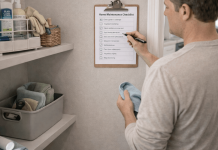
These four issues show up everywhere, no matter your home size. The trick is to handle them early, then stop. A simple visual plan helps you stay on track. A Quartet Magnetic Weekly Planner keeps your checklist visible.
Why Small Problems Grow When You Ignore Them
Small problems grow because they stack in the same places. A damp towel becomes odor, then rewashing, then wasted time. A sticky handle becomes covered in buildup, then requires scrubbing, and then develops scratches.
Delay adds effort because dirt hardens and spreads. Clutter hides mess and slows every reset. Wear builds through daily friction you do not notice. Early action keeps tasks short and predictable.

How To Pick The One Fix That Matters Most Today
Pick the one fix that removes the biggest daily annoyance. Start with the spot you touch most, like the sink area. If you detect an odor, address it first. If you see a film, address the buildup next.
One priority prevents overwhelm and keeps you moving forward. Avoid trying to “finish the room” on busy days. A single high-impact fix is enough.
Build a Two-Minute Reset You Can Repeat
A two-minute reset is a fast loop you can repeat daily. Put items back, wipe one surface, and remove visible moisture. Keep the routine identical so you do not think. Repetition creates speed because you stop deciding what to do.
Set a phone timer and stop when it ends. If you do this daily, weekends feel lighter. You maintain without losing your schedule.
Odors: Fix The Source With Drying And Airflow
Odors usually come from moisture and trapped residue. You do not need fragrance to solve most smells.
Source control works better than masking because it prevents the smell from returning. Focus on damp storage, trash zones, and textiles.
Keep airflow moving in small bursts after use. Concrobium Mold Control can help in musty corners that keep returning.
Closet And Shoe Odor Habits That Work
Closets and shoes smell when they never fully dry. Air shoes out before storage, especially after sweat or rain. Keep closet doors open for a short period weekly. Dry time is the real deodorizer in most cases.
If a shelf smells musty, wipe and let it air. ONA Gel works in enclosed spaces when you need extra help. Use it as support, not a replacement for drying.
Kitchen And Trash Odor Habits That Stick
Kitchen odors often start at the trash rim and sink edge. Empty trash before it overfills and smears the lid. Wipe the rim and nearby surfaces after bag changes. Touch points hold odor because hands spread residue.
Keep the area dry so grime does not turn sour. Rinse food containers quickly so the bin stays cleaner. Small resets stop the smell from spreading.
Towel And Laundry Odor Habits That Stay Simple
Laundry odors build when fabrics sit damp for too long. Hang towels open, not folded over a hook. Do not leave wet clothes in the washer overnight. Fast drying prevents mustiness and reduces rewash cycles.
Keep a basic rotation so you are not using one towel set. Air out bedding briefly when you change sheets. These habits keep fabrics fresher with little work.
Buildup: Prevent Scrubbing By Cleaning Earlier
Buildup is the film that makes items feel harder to use. It forms from soap, oils, and minerals that dry in place.

Early removal keeps surfaces smooth so dirt does not cling. The goal is to wipe lightly and move on. Focus on handles, edges, and areas near water.
Keep steps gentle so you do not damage finishes. Frosch Cream Cleaner works well for light, controlled cleaning.
The One Minute Wipe That Stops Sticky Film
Sticky film spreads because it traps dust and fingerprints. Wipe it the moment you notice it, not later. Use a damp cloth and one light pass first. One quick wipe beats heavy scrubbing because it avoids scratches.
Follow with a second pass to pick up what loosened. Pay attention to appliance buttons and cabinet pulls. This keeps high-touch areas from turning grimy.
The Rinse And Dry Step That Prevents Repeat Cleaning
Rinsing removes cleaner residue that attracts new dirt. Drying prevents water spots that look like fresh grime. Finishing steps extend the results more than using stronger products. Use a clean cloth and keep it near the sink.
Wipe faucets and handles after use when possible. This takes seconds and saves future effort. A clean finish also keeps surfaces looking consistent.
Break Mineral Film Without Harsh Force
Mineral film shows up as haze on faucets and shower edges. Do not scrub hard, since that dulls the finish. Soften the area, wait briefly, then wipe lightly. Softening beats scraping for long-term results.
Rinse well so the surface is not left sticky. Calgon Liquid Water Softener can reduce hard water impact in some homes. Keep the routine short so it stays realistic.
Reduce Maintenance By Reducing Stuff On Surfaces
Clutter makes every task feel slower because you must move items first. The best fix is to reduce what sits on flat surfaces.
Clear surfaces clean faster and make daily life feel calmer. Focus on drop zones, paper piles, and small items. Keep storage simple so putting things away is easy.
Aim for fewer categories, not more containers. A Yamazaki Home Tower Tray creates an easy landing spot.
Build One Drop Zone That Prevents Piles
A drop zone prevents items from scattering across tables. Choose one tray and keep it in the same place. Keys, wallet, and earbuds go there every day. A single landing spot reduces searching and protects items from damage.
Reset the tray at night in under a minute. Avoid adding unrelated items to the zone. This keeps the system clean and easy to follow.
Paper Control That Keeps Counters Clear
Paper piles grow when there is no clear next step. Set one folder for incoming mail and receipts. Sort it once a week and discard what you do not need. One folder prevents the spread because the paper stays contained.
Keep the folder near your entry spot so it is used. Smead Expanding File Folder works well for simple sorting. You reduce visual mess and protect important documents.
Make Cleaning Easier By Keeping Wipe Paths Open
Cleaning is faster when you can wipe in straight passes. Keep counters and tables mostly open, with only a few essentials. Store backups in a cabinet so surfaces stay clear. Open wipe paths save time and reduce skipped tasks.
Put small décor on a tray so it moves as one piece. Reset the room in minutes when you can wipe without obstacles. Less surface clutter means less daily effort.
Reduce Friction And Damage With Tiny Adjustments
Wear and tear happen even in clean homes. It is caused by dragging, repeated pressure, and gritty contact.
Small adjustments slow aging without adding chores. Focus on floors, fabrics, and high-touch edges. Rotate items so one area does not take all the stress. Protect contact points that rub daily. X-PROTECTOR Premium Felt Pads help reduce scuffs from chair legs.
Rotate High-Use Items To Spread Wear
Wear concentrates where you walk and sit the most. Rotate rugs and shift cushions every few months. Turn a rug end-to-end and swap cushion positions. Rotation spreads stress so the fabric does not thin in one spot.
If sunlight hits one side, rotate to reduce fading. This is maintenance without cleaning. Ruggies Non-Slip Rug Grippers can help rugs stay stable after rotation.
Prevent Drag Marks With One Simple Fix
Drag marks form when grit sits under furniture legs. Clean the contact points, then add protection. Felt pads reduce friction and stop scraping sounds. A small buffer protects floors better than frequent mopping.
Move furniture only when needed, not as part of cleaning. Lift when possible instead of dragging. This reduces scratches that never fully disappear. Small prevention keeps floors looking better longer.
Protect High-Touch Edges From Constant Rubbing
Edges wear faster because hands rub them all day. Cabinet corners, drawer fronts, and shelf edges show this first. Reduce abrasion by keeping edges clean and smooth.
Targeted protection reduces damage where contact is constant. Use a small strip only on the worst area, not everywhere. Duck Brand EasyLiner can act as a simple protective barrier on flat edges. Keep it neat so it stays invisible.
Conclusion
A workable routine stays simple and repeats easily. Simple maintenance for daily living works when you manage odor, buildup, clutter, and wear. Start with one habit and let it become automatic. Keep tasks short so you do not avoid them.
Use products only as support for good habits. When routines stay small, your home stays easier. Consistency is what keeps items working longer.