A steady routine keeps small issues from snowballing into expensive fixes. Aim to maintain household items easily using short, predictable blocks of time and a simple routing map across safety devices, kitchens, bathrooms, major systems, and supplies.
Strong habits compound, and a light month-to-month home maintenance rhythm protects comfort, budgets, and health.
Monthly Safety and Security Checks
Short, proactive tasks reduce risk and help catch problems early. Treat this as a preventive home care checklist anchored to the same date each month so nothing drifts.
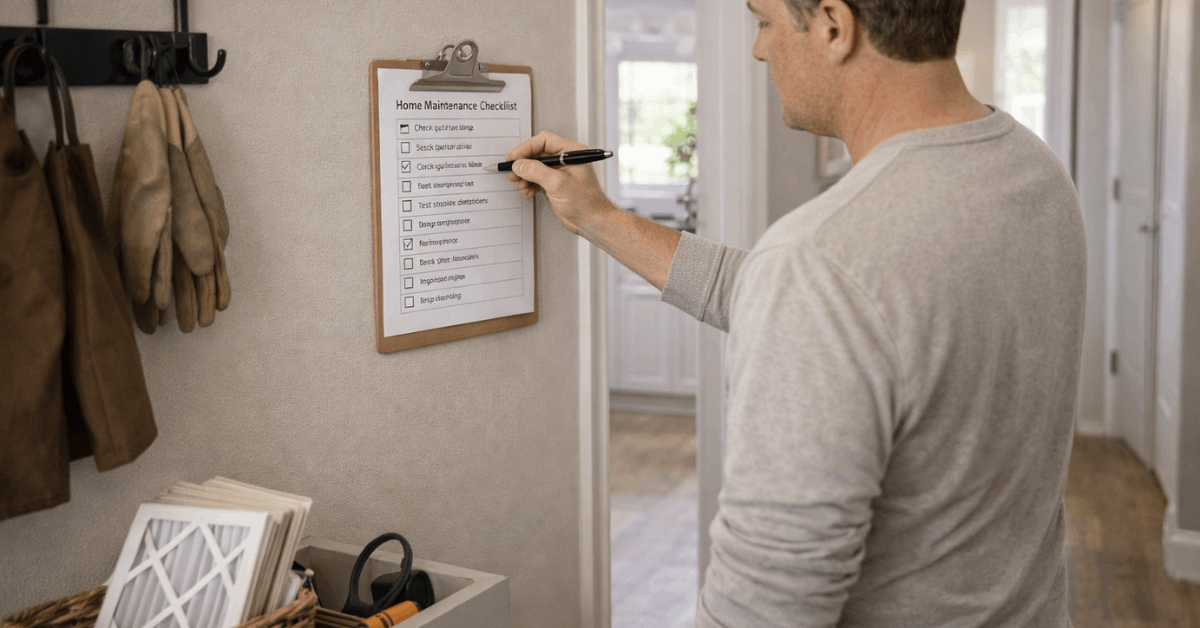
Test smoke alarms, carbon-monoxide detectors, and the security system; replace batteries and check device expiry dates. Inspect fire extinguishers for pressure, visible damage, and access; keep one near the kitchen and another by exits.
Confirm flashlights, battery banks, and basic first-aid supplies are stocked for outages and storms. Review appliance and device cords for scorching, fraying, or loose plugs; replace worn items promptly. Walk exterior doors and windows; verify latches, sensors, and outdoor lights operate as intended.
Kitchen and Appliance Care
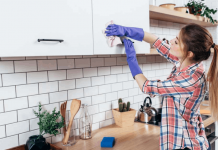
Kitchens see heavy traffic, food residue, and moisture. Treat counters, appliances, hoses, and filters as recurring checkpoints. Wipe cabinet fronts and pulls, clear expired items from the pantry, and clean the dishwasher using the manufacturer’s cycle or a recommended cleaner to prevent odors and clogs.
Replace refrigerator water filters on schedule and check the hose behind the unit for stress, kinks, or dampness that signals a slow leak. A kitchen appliance cleaning guide helps standardize timing for oven interiors, microwave steam-cleaning, and descaling kettles or coffee makers.
Cut cross-contamination by separating raw meat boards from produce boards, then wash cutting surfaces with hot soapy water. According to the CDC, cleaning with soap or detergent removes most germs and prepares surfaces for sanitizing or disinfecting when needed. Store dry goods in sealed containers, empty the crumb tray under toasters, and wipe touch panels on microwaves and ranges to reduce grime buildup and pest attraction.
Moisture Control In Bathrooms and Laundry
Moisture drives many hidden failures. Run ventilation fans during and after showers, open windows when conditions allow, and squeegee shower walls to limit residue. Scrub tile and grout monthly using an appropriate cleaner while wearing gloves and ensuring airflow.
Inspect caulk lines around tubs, shower surrounds, sinks, and toilet bases; re-caulk when cracking or gaps appear to block seepage under finishes. Practical bathroom mold prevention tips also include laundering shower curtains or liners and keeping bath mats fully dry between uses.
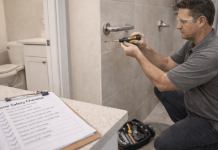
Check supply lines to faucets, toilets, and washers for corrosion, blistering, and bulging at crimp points. Replace braided hoses at the first hint of fray or rust. Address slow drains using approved methods; avoid mixing chemicals, and use strainers where hair or food particles accumulate.
Essential Systems: HVAC, Plumbing, and Gutters
Routine attention for major systems safeguards air quality and structures. The table gives a compact view that pairs quick checks with clear triggers for service.
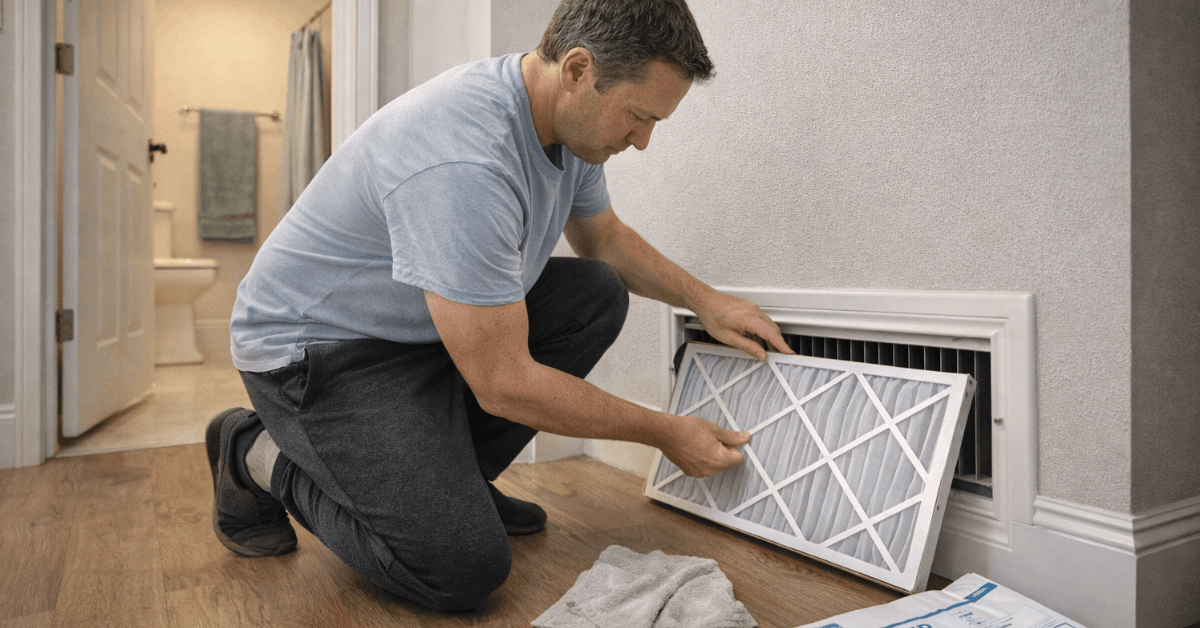
A consistent HVAC filter replacement schedule supports efficiency and indoor air. Combine that habit with periodic plumbing leak inspection and gutter cleaning safety basics to prevent bigger losses during storms.
| Task | Frequency | One-Minute Check | Replace/Service When |
| HVAC air filter | 1–3 months | Hold to light; airflow feels restricted when dirty | Dust-loaded media or allergy spikes |
| Refrigerator water filter | 6 months | Taste/odor change; flow slows | Per schedule or flow decline |
| Braided supply hoses | 6–12 months scan | Look for rust, bulges, frays at crimps | Any defect or 5–7 years old |
| Gutters and downspouts | Monthly in leaf season | Overflow during rain; standing water near foundation | Visible clogs, loose hangers, leaks |
| Toilet flappers/fills | Quarterly check | Running sound persists; dye test shows seep | Worn rubber, continuous trickle |
Cleaning, Sanitizing, and Disinfecting Explained
Clear definitions prevent overuse of strong chemicals and keep homes healthier. Cleaning removes most germs, dirt, and impurities using soap or detergent plus friction. Sanitizing reduces remaining bacteria on clean surfaces to levels considered acceptable for public health codes.
Disinfecting kills viruses and bacteria that remain after cleaning, which matters when someone is ill or immunocompromised. According to CDC guidance, clean first, then sanitize or disinfect as risk warrants. EPA-registered products list pathogens and contact times on the label; surfaces must stay wet for the full contact time to be effective.
Never mix chemicals, label any diluted solutions, ventilate rooms during use, and wear recommended protection. For bleach solutions, follow manufacturer labeling precisely and keep mixtures away from acids or ammonia.
Property Walkthroughs and Outdoor Care
Monthly walkthroughs surface early warnings long before repairs turn invasive. Check the attic for damp insulation, staining on sheathing, or small animal activity. Look under sinks and around appliances for drip marks, salt-like deposits, or warped toe-kicks.
Examine decks for soft boards, loose fasteners, and rail movement. Scan tree canopies for deadwood or limbs over roofs and service drops; schedule pruning with qualified arborists when needed. Keep flower beds trimmed and free of dense debris that harbor pests or raise fire risk during dry seasons.
Exterior Drainage Deserves Regular Attention
Confirm downspouts discharge well away from foundations using extenders or splash blocks. Grade soil to slope away from the house, and maintain clear swales.
Where snow or heavy rain is common, test sump pumps and verify backup power plans. Garage doors also need a monthly reversal test and light lubrication of hinges and rollers.
Restock Supplies and Keep A Home Inventory
Running out of basics during a crisis stalls routines and hygiene. Track paper goods, soaps, disinfecting wipes, bags, sponges, and gloves, then restock gradually before weather events or outages.
Standardize tools that wash and reuse well, including microfiber cloths, mop heads, and HEPA vacuum bags or filters. Wash cleaning textiles after use and dry them fully to deter odors and microbes.
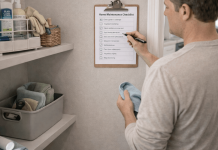
Keep a home inventory for insurance that captures serial numbers, receipts, and photos. Update it after remodels, major appliance upgrades, or furniture purchases. Store a copy offsite or in a cloud drive, and review coverage limits with an agent annually so new items and upgrades remain protected.
One-Hour Reset Plan For Busy Weeks
Short, structured resets keep homes on track when schedules compress. Rotate rooms each week to spread load without losing momentum.
- Collect trash, dishes, and laundry using two bags and a basket; stage laundry to run while cleaning.
- Dust high-touch surfaces, rails, and window sills; follow with a damp cloth on visible grime.
- Wipe kitchen counters, the sink, and appliance touchpoints; empty crumb trays and clean the microwave using steam.
- Disinfect bathroom touchpoints after cleaning: faucet handles, toilet flush areas, and door hardware based on label contact time.
- Vacuum traffic zones and soft furniture, then mop kitchens and bathrooms using products matched to flooring.
Surface-Specific Pointers That Prevent Damage:
- Hard, sealed surfaces: Use soap-and-water cleaners or approved multi-surface products; rinse residues to avoid film.
- Soft surfaces and textiles: Launder at the warmest safe setting per labels and dry completely; vacuum rugs slowly to capture embedded dust.
- Electronics and screens: Follow manufacturer instructions; apply cleaner to the cloth rather than directly to devices, and consider wipeable covers.
- Wood furniture and floors: Use wood-safe cleaners sparingly and avoid standing moisture near joints or edges.
- Food prep areas: After cleaning, sanitize zones touched by raw meat, poultry, or juices using appropriate products and stated contact times.
Practical Hygiene and Tool Care
Consistency around hands and tools multiplies the benefit of surface routines. Wash your hands after handling dirty laundry, trash, or bathroom cleaning. Clean sponges frequently using a dishwasher sanitizing cycle or a safe microwave method, and store them to air-dry between tasks.
Replace heavily worn sponges and scrubbers promptly. Launder dishcloths and cleaning rags on a hot cycle, then dry thoroughly. Keep a small kit ready for quick hits: gloves, multi-surface spray, microfiber cloths, a scrub brush, and a handheld squeegee for glass.
Seasonal System Notes and Insurance Triggers
Cold-weather months favor simple HVAC checks, door sweep inspections, and shutting exterior spigots in freezing regions. Warmer months call for deep gutter cleaning, outdoor faucet checks, and landscape trimming for airflow and sightlines.
According to NFPA recommendations, alarms need proper placement and testing across levels and sleeping areas, and batteries must be replaced when chirping or per schedule.
After any home improvement or large purchase, add documentation to the inventory and confirm coverage limits for structures, contents, and special categories.
Last Thoughts
Stay consistent, keep chemicals matched to the task, and escalate from cleaning to sanitizing or disinfecting only when risk and labels say so. Align quick monthly habits with targeted seasonal work.
Revisit the checklist quarterly and adjust for climate, building type, and household health needs. According to the EPA, product labels govern safe use and contact times; following those directions is the decisive step that turns effort into results.