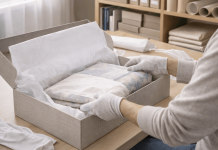
To maintain household items easily, you need a routine that catches small problems before they become expensive repairs.
Most homes do not need a complicated maintenance system. They need short, predictable habits that protect safety, comfort, and everyday function.
A good routine should cover the areas that create the biggest risks: safety devices, kitchen appliances, bathrooms, plumbing, HVAC, outdoor drainage, and basic supplies.
When these checks happen regularly, your home stays easier to manage and you avoid last-minute repairs that cost more than simple prevention.
Start With Monthly Safety Checks
Monthly safety checks are a practical place to begin because they protect the whole household. Test smoke alarms, carbon-monoxide detectors, security devices, and outdoor lights.
Replace weak batteries, check expiry dates, and make sure fire extinguishers are visible and easy to reach.
It also helps to inspect cords, plugs, flashlights, battery banks, and first-aid supplies. Look for fraying, loose connections, missing items, or anything that could fail during an outage or storm. These checks take a few minutes, but they can prevent serious problems later.
Keep Kitchen Appliances Clean and Reliable
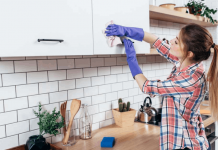
The kitchen collects food residue, moisture, grease, and daily touchpoint grime. Wipe cabinet pulls, appliance panels, counters, and sink edges before buildup gets difficult to remove. A cleaner kitchen is not only nicer to use; it also reduces odors, pests, and food safety concerns.
Refrigerator water filters, dishwasher cleaning cycles, microwave interiors, toaster crumb trays, and coffee makers all need occasional attention.
Follow manufacturer instructions when filters, hoses, or descaling are involved. If you notice slow water flow, odors, dampness behind the fridge, or cracked hoses, handle it early instead of waiting for a leak.
Control Bathroom and Laundry Moisture
Moisture is one of the most common causes of hidden home damage. Run the bathroom fan during and after showers, dry bath mats fully, and keep shower curtains or liners clean. Small drying habits help prevent mold, odors, and residue from building up.
Check caulk around tubs, sinks, toilets, and shower edges. Gaps, cracks, or peeling can let water seep under surfaces where damage becomes harder to see.
Laundry areas need the same attention, especially washer hoses, slow drains, and damp flooring. A quick inspection can catch water issues before they spread.
Watch Major Systems Before They Fail
HVAC, plumbing, gutters, and appliance hoses deserve regular checks because failures in these areas can become expensive quickly.
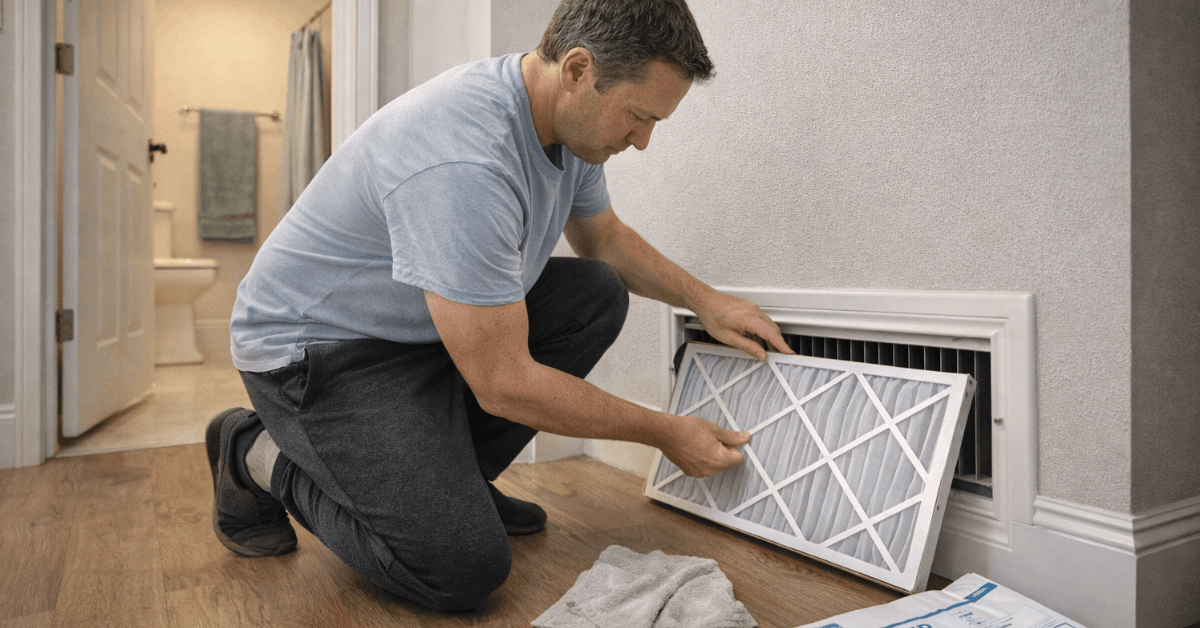
Replace HVAC filters based on use, dust levels, allergies, pets, and manufacturer guidance. If airflow drops or the filter looks loaded, do not wait for the system to struggle.
Plumbing checks should include supply hoses, toilet parts, under-sink areas, and slow drains. Gutters and downspouts should move water away from the foundation, especially during leaf season or heavy rain. These systems do not need constant attention, but they do need regular visibility.
Clean, Sanitize, and Disinfect Correctly
Cleaning, sanitizing, and disinfecting are not the same thing. Cleaning removes dirt, grease, and many germs with soap, detergent, water, and friction.
Sanitizing reduces bacteria on clean surfaces, while disinfecting targets viruses and bacteria when there is higher risk, such as illness in the home.
Use stronger products only when they are truly needed. Always clean first, then sanitize or disinfect if the situation calls for it.
Follow label directions, keep the surface wet for the required contact time, ventilate the room, and never mix chemicals. Safe product use matters more than using strong cleaners everywhere.
One Short Monthly Home Checklist
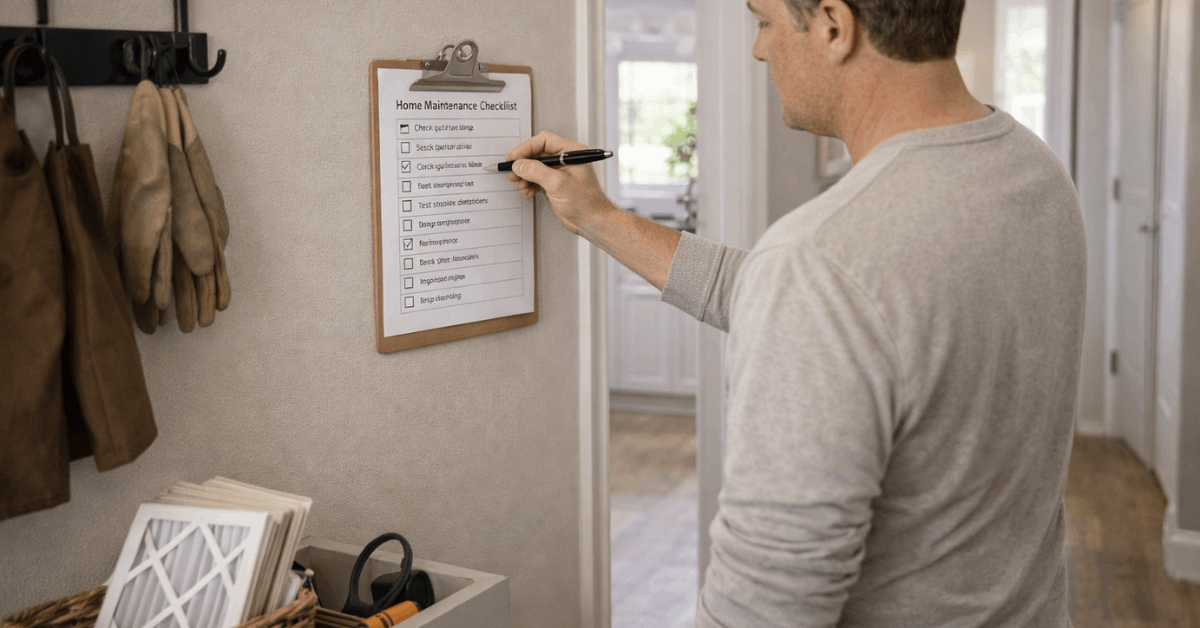
Use this checklist once a month to keep maintenance simple. It focuses on the areas most likely to create safety issues, moisture damage, or avoidable repairs.
- Test alarms, lights, and safety devices.
- Check appliance hoses, filters, and visible leaks.
- Clear gutters, drains, and water-flow problem areas.
- Restock first-aid, cleaning, and outage supplies.
- Update home inventory after large purchases.
This list is short on purpose. A maintenance routine works better when it feels realistic enough to repeat. If one item needs more attention, handle that first instead of trying to inspect the entire home at once.
Also read: How to Care for Items Over Time