A clean, organized home does not need a cabinet full of special products or a strict routine that is hard to maintain.
Most everyday items last longer when you handle moisture, dirt, pressure, and storage before they become bigger problems.
This guide is useful if you want fewer surprise replacements, less waste, and a home that feels easier to manage without adding more work to your week. The focus is simple care that fits real life, not a perfect cleaning system.
Start With a Maintenance Routine You Can Actually Repeat
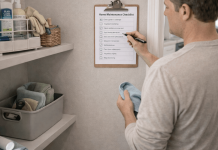
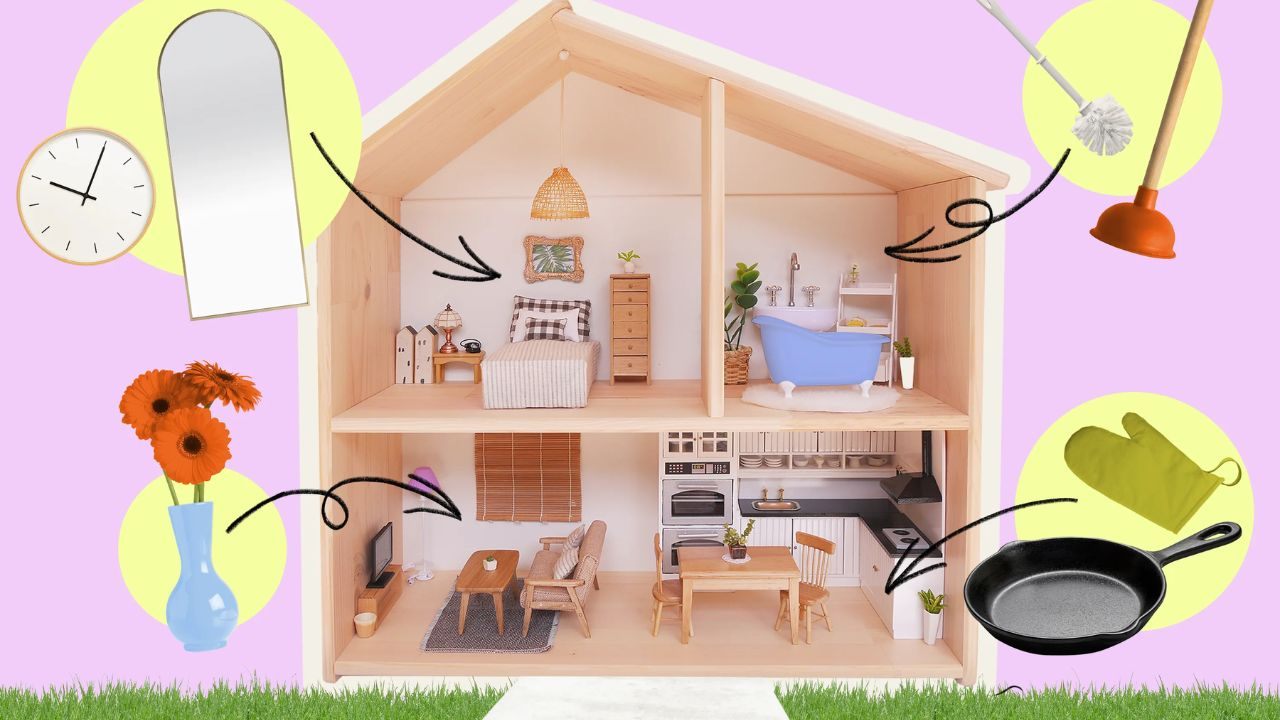
A maintenance plan only works when it feels easy enough to do again next week. Instead of treating the whole house as one large project, it helps to think in small home zones.
The kitchen, bathroom, bedroom, entryway, and storage areas each have different types of wear, so they do not need the same level of attention every time.
Use a Weekly Reset Instead of a Long Cleaning Day
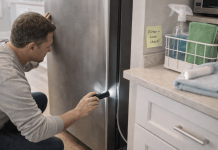
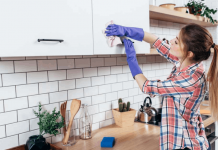
A short weekly reset is usually enough to prevent many problems. Walk through the areas you use most, wipe visible spills, return items to their usual spots, and check whether anything is damp, bent, cracked, or starting to smell.
This kind of routine is not about deep cleaning. It is about noticing small issues before they turn into stains, odors, broken parts, or unnecessary purchases.
Focus on One Problem Area During Busy Weeks
When the week is busy, choose one problem area instead of trying to fix everything. The sink, entry table, laundry area, or bathroom counter often creates the most daily stress.
Resetting just one of these spaces can stop clutter from spreading and protect items from damage caused by stacking, rushing, or poor storage.
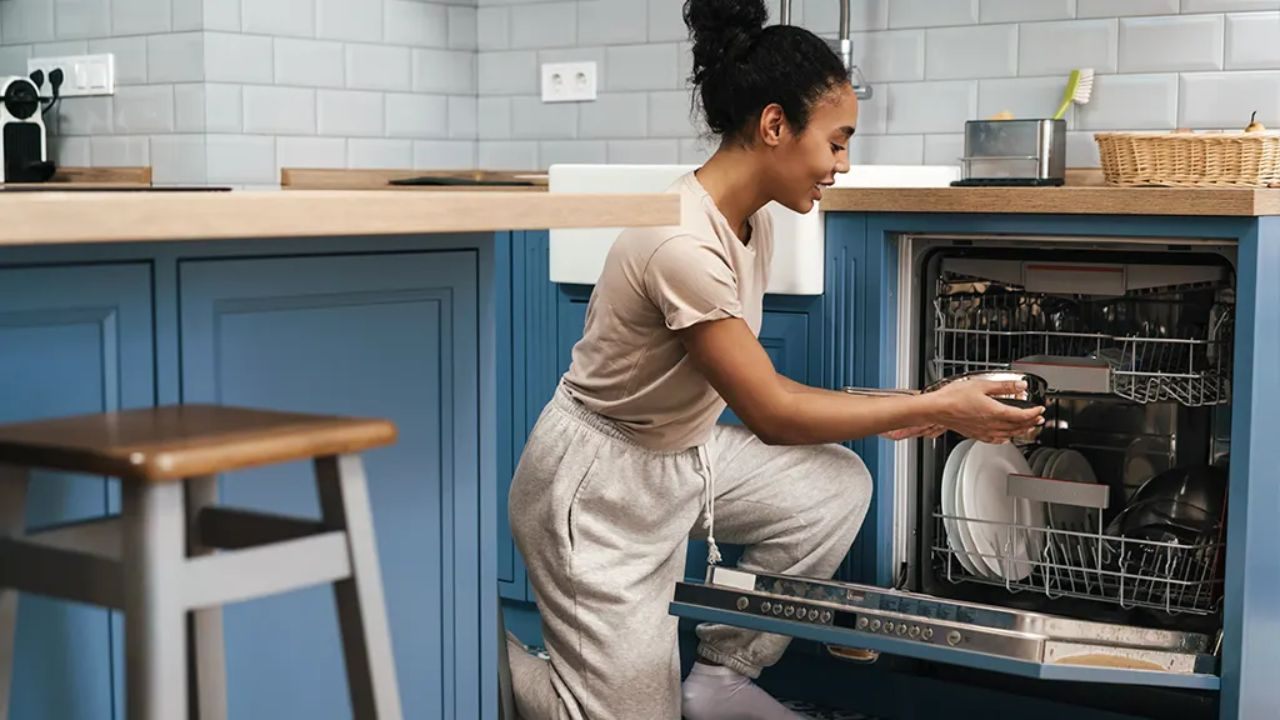
Image Source: LinkedIn
Rotate Everyday Items So Wear Does Not Build in One Place
Items used every day wear out faster when the same pieces carry all the pressure. Towels, sheets, pillowcases, rugs, cushions, chargers, and even seating areas benefit from rotation.
This does not need to be complicated because the goal is simply to spread use so one item does not break down much faster than the rest through repeated daily stress.
Linens are a good example. If one towel or sheet set is used constantly, the fabric becomes rough, thin, or stretched sooner.
Keeping at least two sets in rotation gives each one time to dry fully and recover between uses, while washing similar fabric weights together helps reduce friction and fabric wear.
High-traffic areas need the same idea. Small rugs can be turned every few months so fading, foot pressure, and fraying do not stay in one direction.
Chairs and cushions can also be shifted when one spot gets constant use or sunlight, helping the room look cared for without requiring major cleaning or replacement.
Electronics and cords need rest too. Chargers should not stay sharply bent, trapped under furniture, or crushed inside drawers.
Devices should not be left charging in places where heat builds up, such as under pillows or thick bedding, because loose loops, open airflow, and one organized cord bin can prevent fraying, overheating, and connection problems.
Store Items Based on How They Are Used
Good storage is not just about making a space look neat. It protects items from dust, pressure, moisture, bending, and missing parts.
A poorly stored item can break even if it is rarely used, especially when it is squeezed into a drawer, stacked under heavy objects, or sealed away while damp, so storage is part of maintenance.
Keep Small Parts Easy to Find
Small parts are often the reason people replace something that still works. Screws, batteries, chargers, adapters, spare buttons, and small accessories should be kept in clear containers or labeled boxes.
When these pieces disappear into junk drawers, the main item becomes harder to use and may be replaced unnecessarily because of one missing part.
Clean Seasonal Items Before Storing Them
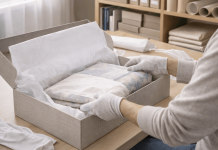
Seasonal gear should be cleaned and dried before storage. Fans, cushions, blankets, holiday items, and outdoor accessories can develop mildew, dust buildup, or yellowing if they are packed away too quickly.
Soft items should stay off damp floors, and heavier pieces should be placed at the bottom so bins close properly without bending anything inside.
Cleaning tools also need proper storage. Brushes, mop heads, vacuum parts, and spray bottles should be cleaned or dried before they are put away.
Dirty tools spread grime the next time you use them, which makes cleaning slower and less effective, while one shelf or container for supplies keeps basic tools easy to find.
What to Avoid When Trying to Make Items Last Longer
Some habits feel convenient in the moment but shorten the life of common household items. The most common mistake is waiting until a small problem becomes difficult to fix.
A damp towel, sticky spill, bent charger, or cluttered drawer may not seem serious at first, but repeated neglect causes avoidable wear over time.
Another mistake is using too much force too soon. Strong cleaners, rough scrubbers, and soaking can damage finishes faster than dirt itself.
It is usually safer to start gently, clean earlier, and only increase pressure when the surface can handle it because gentle cleaning protects materials.
Overbuying supplies can also make home care less efficient. When there are too many products, tools, and backups scattered around the house, routines become harder to follow.
A smaller set of reliable supplies often works better because it removes guessing and keeps maintenance simple, quick, and realistic.
A Practical Way to Begin This Week
Choose one habit that solves a problem you already notice. If your kitchen cloths smell sour, start with better drying and rotation.
If your entryway feels messy, focus on wet shoes, bags, and mats, and if items keep getting lost, create one small container for parts and accessories to support one easy starting point.
Starting small makes the habit easier to keep. Once the first change feels automatic, add another one.
Over time, these small routines reduce damage, control odors, and make your home easier to maintain without turning care into a full-time task, which is why small habits work best.
Keeping Your Home Easier to Maintain
Household items last longer when care happens before damage becomes obvious. Drying, gentle cleaning, rotation, and better storage are simple habits, but they protect the things you use every day.
The best routine is the one you can repeat during a normal week, not only when you have extra time, so start with the area that causes the most waste or frustration and build from there with steady, practical home care.