Most items do not fail from age. They fail from moisture sitting too long, friction wearing down surfaces, or storage mistakes that warp and crack materials.
The difference between something lasting two years versus ten years is usually a handful of small habits you repeat weekly.
Replacement shopping feels productive, but it just resets a cycle you could have prevented with 2-minute daily resets and a 15-minute weekly maintenance block.
The routines below treat maintenance as damage prevention, not deep cleaning. They work because they match how items actually break.
The Three Damage Patterns That Kill Most Items Early
Walk through your home and notice what failed recently. The torn bag. The rusty hinge. The stained shirt you finally tossed.
Most of those failures trace back to three preventable patterns.
- Moisture damage shows up as rust, mold, odors, warped wood, and fabric discoloration. It starts when wet items sit instead of drying.
- Friction damage appears as pilling, scratches, stretched elastic, and chipped coatings. It builds when items rub together during use or storage.
- Storage damage includes cracked plastics from heat, faded fabrics from sunlight, and corroded batteries from humidity.
Stop these three patterns, and you stop most early item failures.
Damage Happens in Predictable Places
Entryways collect moisture from shoes, umbrellas, and wet bags. Bedrooms trap sweat and oils in fabrics. Kitchens expose cookware to heat stress and abrasive cleaning. Living areas subject to electronics to battery leaks, and furniture to oils from hands.
Each room has one or two high-damage zones where items fail fastest.
Fix those zones first and ignore the rest until they become problems.
Build a Two-Speed Maintenance System That Survives Real Life
Complicated routines die fast. Simple ones survive because they require almost no decisions.
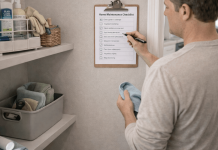
A two-speed system works. One speed handles daily surface damage in two minutes. The other speed tackles weekly deeper care in 15 minutes.
Both speeds use the same small toolkit stored in one spot, so you stop hunting for supplies.
The 2-Minute Daily Reset Stops Damage Before It Starts
The daily reset focuses on moisture, dirt, and misplaced items.
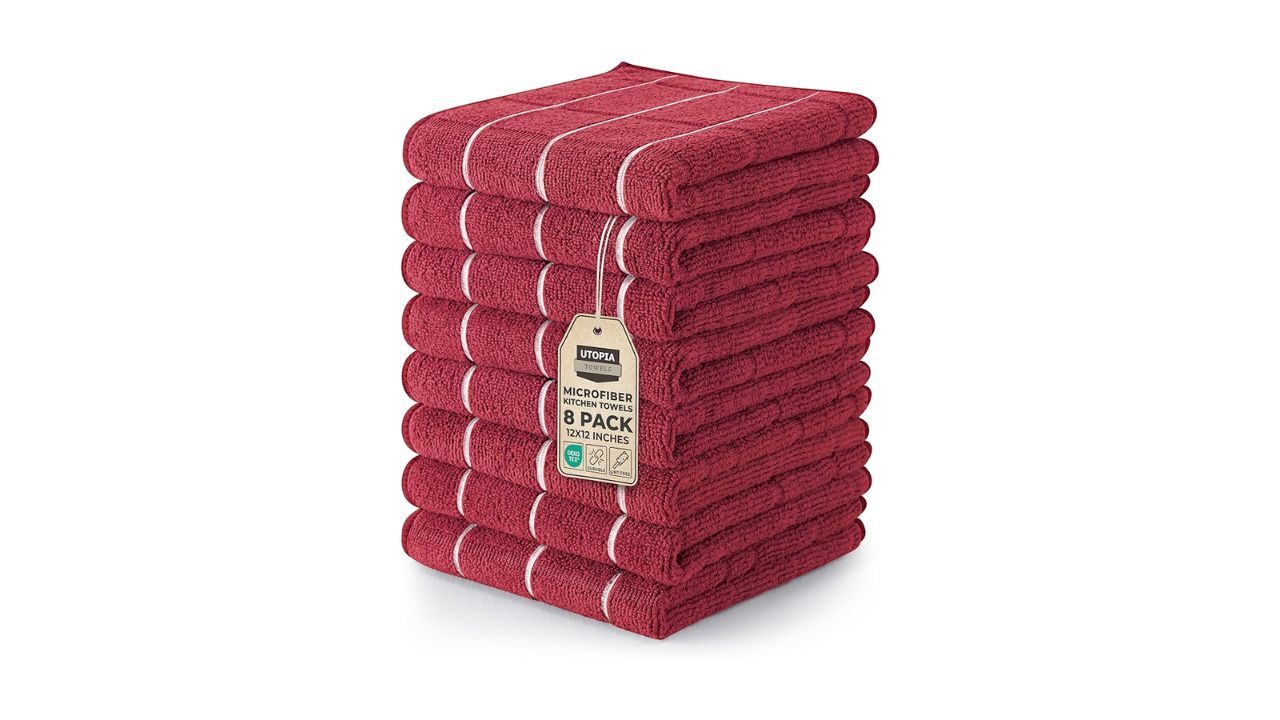
Grab a microfiber cloth and wipe entry surfaces and tables to remove dirt before it grinds into finishes. Use a lint roller on fabric furniture to pull up dust and hair before it gets embedded.
Check for wet items like umbrellas and damp shoes. Move them to a drying spot immediately.
Moisture sitting overnight drives rust, odors, and mold. Catching it during a 2-minute reset prevents problems that take an hour to fix later.
Finish by returning each item to its home so friction damage from piles and crowding does not build.
The 15-Minute Weekly Block Prevents Bigger Failures
My take on this is simple: a weekly 15-minute maintenance window saves more items than a monthly 3-hour deep clean because you catch small damage before it spreads.
Pick one day and time. Sunday morning works for most people, but choose what fits your schedule.
Use a label maker to fix storage zones where items keep getting misplaced or stacked wrong. Add Command Hooks to create dedicated hang points for bags, keys, and accessories so items stop ending up in piles.
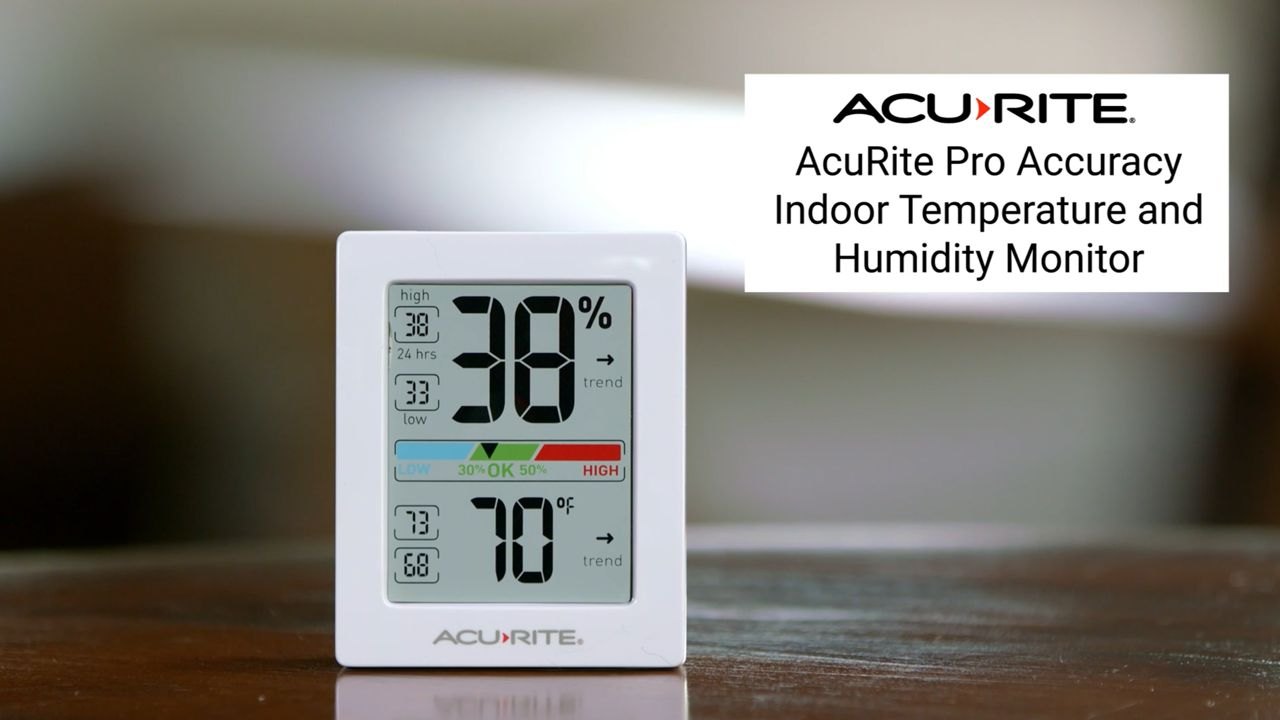
Check indoor humidity with a basic thermometer and hygrometer. Moisture drives mold, odors, and fabric yellowing faster than most people expect.
If a zone keeps causing damage, simplify it. Fewer items. Clearer boundaries. Better visibility.
Entryway Care: Stop Moisture and Dirt at the Door
The entryway is where moisture and dirt enter your home. It is also where rust, odors, and fabric stains begin.
A good entry setup needs three zones: drop, dry, and quick-clean.
Keep only essential items visible. Store everything else nearby but protected from daily traffic.
Moisture Control That Prevents Rust and Odor
Wet shoes and umbrellas need a contained place to dry. A boot tray works. A shallow bin works. Anything that keeps moisture from spreading across floors and rugs.
Add a moisture absorber like DampRid near the tray if your space stays humid or lacks airflow.
When shoes are soaked, stuff them with plain paper to pull moisture out gently. Use a small fan if you have one. Skip high heat because it warps materials and loosens glue.
Drying is a care step that protects shape, stitching, and finishes. Rotate shoes so pairs rest between uses instead of wearing the same pair daily while others sit.
Quick Wipe Habits That Keep Items Presentable
Keep disinfecting wipes or a damp cloth near the entry for handles, hard surfaces, and umbrella grips.
For bags and backpacks, spot-clean with a slightly damp microfiber cloth and air-dry fully before storing.
Light cleaning after use prevents deep stains and odor buildup. It takes 30 seconds per item.
For canvas and fabric items, protect them with a fabric water shield spray following label directions and drying time. For leather items, use a cleaner recommended by the brand.
Protective treatments work when applied before damage starts, not after stains set.
Also read: Maintenance Tips for Facility Managers Bleeding Money on Emergency Repairs
Bedroom Maintenance: Protect Fabrics and Preserve Shape
Bedroom items wear out from friction, sweat, dust, and poor storage.
Fabrics yellow when stored damp. Elastic stretches when items hang incorrectly. Drawers stuffed tight cause permanent creases and friction damage.
The goal is airflow, gentle cleaning, and storage that supports shape instead of fighting it.
Washing Without Wrecking Fibers
Most fabric damage happens in the dryer, not the washer.
Use mesh laundry bags for delicates and items with straps so they do not snag or tangle. Wash with a gentle detergent like Woolite when handling knits and sensitive fabrics.
Air-dry when possible. Skip high heat on elastic and synthetics because heat breaks down fibers and causes permanent shrinkage.
I was skeptical about mesh bags until I stopped losing socks and destroying bra straps in the wash. Now I use them for anything with elastic, straps, or delicate construction.
Clean the dryer lint filter every single cycle. This reduces heat stress on fabrics and cuts fire risk.
Check garment care label symbols before choosing settings. Those little icons exist because guessing destroys expensive items.
Storage That Prevents Stretching and Dust
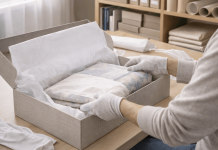
Use breathable garment bags for special pieces that need protection but still need airflow. Sealed plastic bags trap moisture and cause yellowing.
For folded storage, use divided boxes to keep items separated and reduce drawer friction. Cramming everything into one drawer creates permanent wrinkles and fabric wear.
Add lavender sachets or cedar blocks to discourage odors and pests, but keep them from touching fabrics directly because oils can stain.
Store heavy sweaters folded, not hung. Hanging stretches shoulders and distorts shape over time.
Airflow matters in storage because trapped moisture causes odor and discoloration. Use a seasonal rotation so rarely used items are not crushed under daily-wear pieces.
Kitchen Care: Protect Edges, Coatings, and Containers
Kitchen items fail early when scraped, soaked, overheated, or stored in ways that cause dents and chips.
Good care keeps cookware surfaces stable, protects sharp edges, and prevents lingering smells in containers.
Focus on drying, edge protection, and avoiding abrasive tools on coated surfaces.
Cleaning Without Causing Surface Damage
Different materials need different cleaning approaches. Using the wrong method accelerates wear.
For stainless steel and stubborn residue, use a powder cleanser like Bar Keepers Friend lightly and rinse fully. For cast iron, use a pan scraper instead of harsh soap, then dry immediately and apply a thin layer of oil.
Use a soft-bristle dish brush to clean nonstick coatings without scratching. Skip abrasive sponges and steel wool.
Never soak knives and pans for long periods. Water exposure drives rust and causes handle damage, especially on wood handles and riveted joints.
Drying is the real finish after washing, especially for metal items. Follow cookware manufacturer instructions for coatings and seasoning to avoid voiding warranties.
Storage That Prevents Damage Between Uses
Knives stored loose in drawers get dull fast and create safety hazards. Use a drawer organizer to prevent edge damage and accidental cuts.
For stacked pans, use silicone pan protectors between pieces to avoid scratches and chipped coatings.
Keep container lids together in one spot so you stop forcing mismatched lids that crack and warp over time.
If odors build up in containers, store them dry with lids slightly ajar. Deep-clean weekly as needed with baking soda and hot water.
Storage prevents daily damage because most wear happens when items rub together during rushed cooking and cleanup.
Living Area Basics: Furniture, Devices, and Battery Care
Living areas collect dust, oils from hands, crumbs, and battery-powered devices that people forget about until they stop working.
Damage here is slow but constant. Stains, fading, and corrosion from battery leaks add up over months.
The goal is gentle cleaning, protected surfaces, and smart battery habits that prevent device failures.
Cleaning That Protects Finishes
Use microfiber cloths for weekly dusting because they lift particles without scratching. Paper towels and rough rags leave tiny scratches that dull finishes over time.
For fabric furniture, a water shield spray reduces stain absorption when applied correctly and allowed to cure fully.
For wood surfaces, use a finish-safe cleaner and buff lightly with a clean cloth. Skip all-purpose cleaners that strip protective finishes.
Keep coasters and tray zones to reduce rings, crumbs, and wear from constant contact. Surface protection is maintenance because it reduces the need for aggressive scrubbing later.
Always spot-test any product in a hidden area first before using it on visible surfaces.
Battery Habits That Prevent Corrosion
Battery leaks ruin remotes, toys, and small electronics more often than people realize.
Honestly? I think battery management is the most ignored maintenance habit that causes the most frustrating device failures. One corroded remote control could have been saved by removing batteries during a three-month storage period.
Use quality batteries in devices you depend on because they are designed for stable performance and longer shelf life. For low-use devices, remove batteries if you will not use them for months.
Store spare batteries in a small case so loose cells do not short against metal objects like keys or coins.
If a device looks corroded, follow manufacturer cleaning guidance before powering it again. Corrosion spreads fast once it starts.
Storage Area Maintenance: Protect Supplies and Tools
Closets and utility areas quietly determine how long items last because storage conditions shape everything.
Heat, sunlight, and humidity warp plastics, weaken rubber, and dull adhesives. Chemicals stored in direct sunlight degrade faster and lose effectiveness.
The goal is cool, dry storage with clear bins and simple labels so items are not crushed or forgotten.
Sealed Storage That Blocks Moisture and Dust
Use gasket boxes for items that need stronger sealing: seasonal linens, documents, backup electronics.
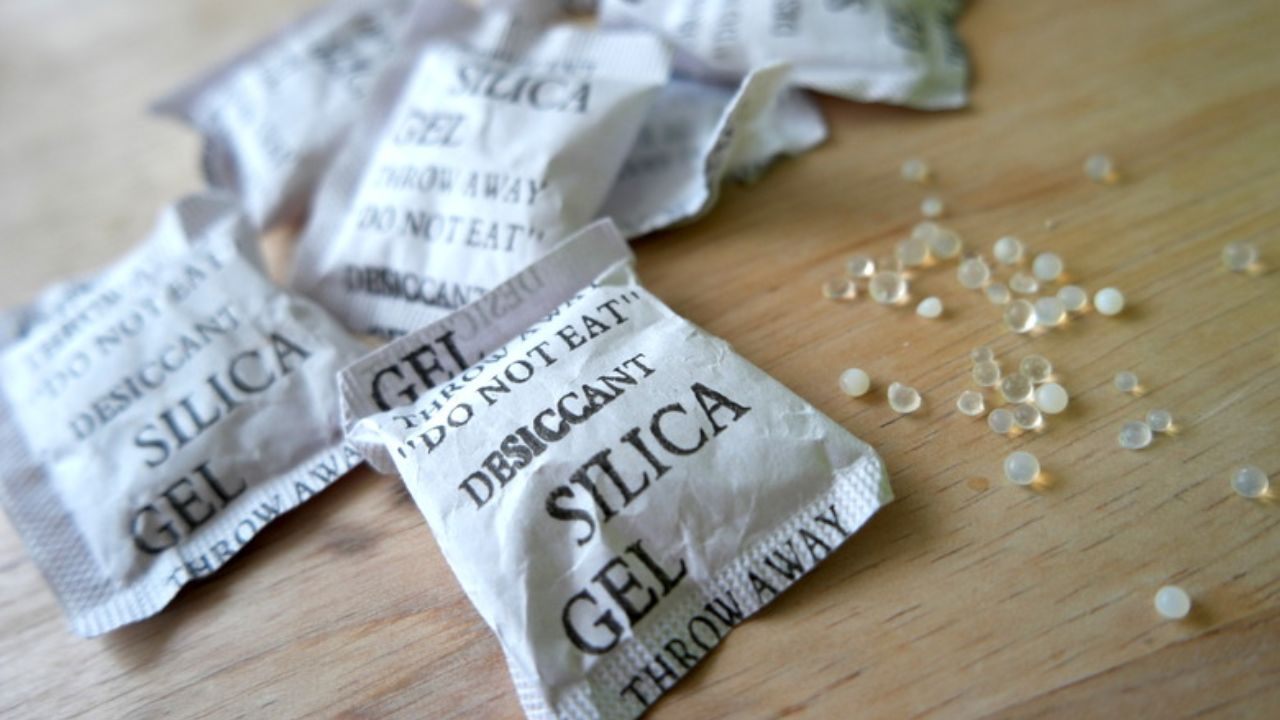
Add silica gel packets inside bins to reduce trapped humidity, especially during rainy seasons. These small packets absorb moisture that would otherwise yellow fabrics and corrode metal parts.
Keep heavier items low and lighter items higher to prevent crushed boxes and collapsed stacks.
Label bins with a clear category and date so you do not re-buy what you already own. Check bins quarterly and replace moisture absorbers as needed.
Sealed storage reduces damage from dust, pests, and moisture. It is one of the easiest upgrades you can make.
A Basic Toolkit for Quick Repairs
A small toolkit prevents minor issues from becoming full replacements.
Keep silicone lubricant for squeaky hinges and sticky sliding parts. Silicone is safer for plastics and rubber than petroleum-based options.
Add clear repair tape for quick temporary fixes on bins, cords, and light-duty items while you plan a proper repair.
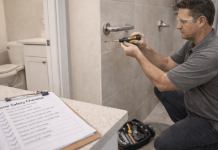
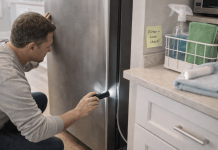
Store a basic screwdriver set and a small flashlight in the same caddy as your cleaning supplies.
Fast repairs prevent bigger failures because you address small wear before it spreads to other parts of the item.
Common Mistakes That Accelerate Item Failure
Some habits feel harmless but cause damage faster than normal use.
- Storing items while damp causes rust, mold, and odors that become permanent. Even slight moisture trapped in closed storage grows problems over weeks.
- Using the wrong cleaning method for the material strips protective coatings and scratches surfaces. All-purpose cleaners work on some things but destroy others.
- Stuffing storage spaces until they strain creates friction damage, permanent creases, and makes items impossible to find so you re-buy duplicates.
- Skipping manufacturer care instructions voids warranties and damages items that could have lasted years with correct handling.
- Ignoring small damage until it becomes big damage turns a 2-minute fix into a full replacement. Loose screws, small tears, and minor stains spread fast when ignored.
Call me biased, but I think treating maintenance as optional costs more money and creates more frustration than any other home habit mistake.
Questions People Ask About Keeping Items in Good Condition
Q: How often should I deep clean versus doing quick maintenance?
Quick maintenance daily and weekly prevents most damage, so deep cleaning becomes less necessary. Run 2-minute daily resets, 15-minute weekly blocks, and only deep clean problem areas monthly or when visible damage appears. Prevention beats rescue cleaning every time.
Q: What is the single most important maintenance habit?
Drying items completely before storage prevents more damage than any other single habit. Moisture drives rust, mold, odors, warping, and fabric yellowing across almost every item category. If you change nothing else, stop storing damp items.
Q: Can I use all-purpose cleaners on everything?
All-purpose cleaners work on some materials but strip finishes, damage coatings, and leave residue on others. Match the cleaning method to the material using manufacturer guidance. When unsure, start with water and a microfiber cloth before reaching for chemicals.
Q: How do I know which items need special care?
Check care labels and manufacturer instructions first, then observe which items fail fastest in your home. Those high-failure items need preventive routines. Most items need basic care: keep dry, store properly, clean gently, and protect from friction.
Q: Is it worth repairing items, or should I just replace them?
Small repairs during weekly maintenance blocks prevent most replacements and cost almost nothing compared to buying new items. Replace when repair cost exceeds half the replacement cost or when safety is compromised. Otherwise, repair and maintain.
Stop Replacing What Simple Habits Could Have Saved
Care routines work when they match how items fail, not how cleaning blogs look on camera. Moisture control prevents rust and mold, gentle storage stops friction damage, and weekly maintenance blocks catch small problems before they spread.
Build one 2-minute daily habit and one 15-minute weekly block, then watch how much longer your belongings last without constant replacement shopping draining your budget and cluttering your space.