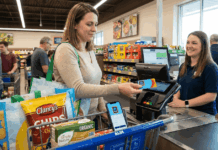
Financial challenges can make everyday needs like phone service and nutritious food harder to afford. Public assistance programs may help eligible individuals and families cover some essential costs.
This guide explains free phone support, food assistance, eligibility, applications, restrictions, documentation, and how programs can overlap. It also covers renewal requirements, limitations, provider considerations, and what applicants can do if assistance is denied.
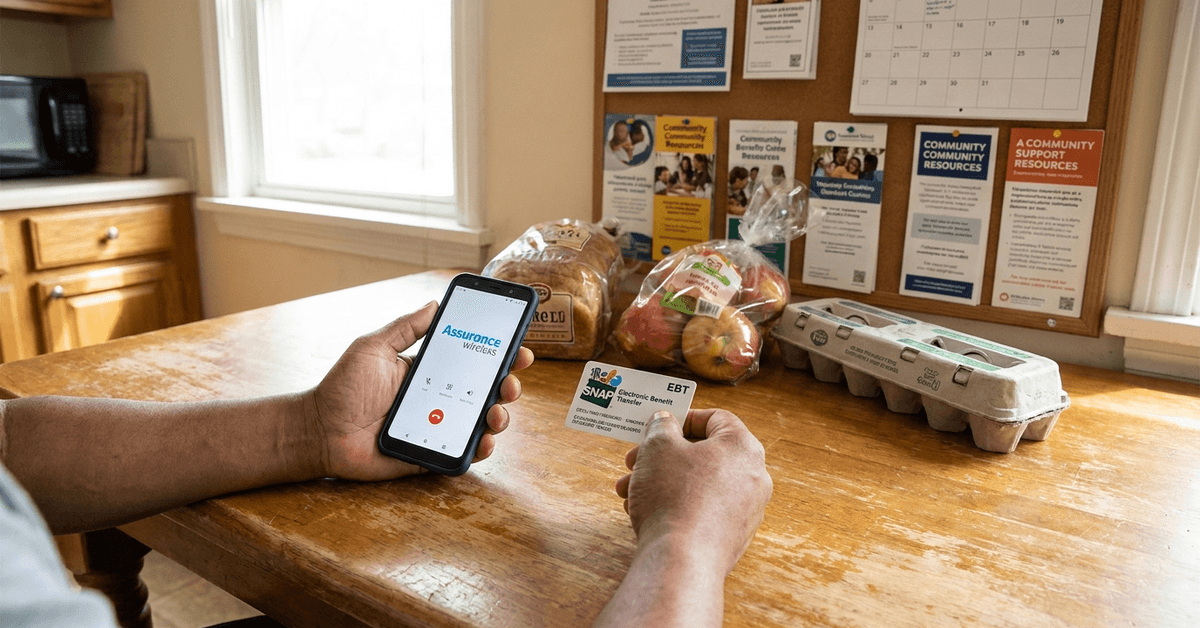
Understanding Free Phone Programs: A Lifeline Service
Affordable phone or internet access can be important for work, emergencies, healthcare, education, and staying connected with others.
The federal Lifeline program provides service discounts for eligible low-income consumers in the United States and can reduce qualifying communications costs.
Who Qualifies for Free Phone Programs?
Eligibility generally depends on household income or participation in qualifying government assistance programs, and applicants must meet the rules that apply to their household.
People participating in SNAP, Medicaid, SSI, or certain housing assistance programs may qualify, while income-based eligibility provides another possible route for households that do not participate in those programs.
Because eligibility rules and supporting documents can sometimes feel confusing, applicants should review current program requirements and gather the requested records before starting an application.
How to Apply and What’s Included
Applications may be completed online, by mail, or with help from a participating phone or internet company, depending on location.
Applicants may need proof of eligibility, such as income records, identity information, or documentation showing participation in a qualifying assistance program.
The benefit generally reduces eligible phone or internet costs, while any device, data allowance, calling features, or other plan details depend on the provider and available service.
Major Free Phone Providers
Participating companies can differ by state, territory, and service area, so provider availability is not identical everywhere.
Consumers may recognize companies such as Assurance Wireless or SafeLink Wireless, while other approved providers may serve specific regions or offer different arrangements.
Comparing network coverage, plan details, device policies, customer support, and current participation can help households select a suitable provider rather than relying only on name recognition.
Food Assistance Programs: Supporting Nutrition and Stability
Access to nutritious food is essential, yet household budgets can become strained during periods of reduced income, rising expenses, or unexpected financial problems.
Food assistance programs can help eligible households purchase groceries or receive additional nutrition support when their available resources are not enough, especially when food costs compete with other necessary household bills each month.
Who Food Assistance Supports
SNAP supports eligible low-income households with funds for qualifying grocery purchases, with eligibility generally considering income, household size, and certain allowable expenses.
Children, older adults, people with disabilities, and working households with limited income may be among recipients, while the final decision depends on the household’s specific circumstances.
Other resources can complement SNAP, including WIC for eligible pregnant or postpartum participants, infants, and young children, plus local food pantries offering additional support during hardship.
Applying for Food Assistance
Applications for SNAP or WIC are generally available through state or local agencies, with online, telephone, mail, or in-person options varying by program and location.
Applicants commonly provide information about income, residency, household members, expenses, and other details, and an interview or additional documentation may be required before a benefit decision.
When documents are difficult to gather or language creates barriers, government offices, community organizations, or approved outreach groups may help explain forms and procedures without changing official requirements.
Limitations and Restrictions
Food benefits are intended for eligible grocery purchases, so recipients should understand that restrictions apply to certain products and that individual nutrition programs may follow different purchasing rules.
SNAP generally cannot be used for alcohol, many nonfood products, or foods sold hot at the point of sale, although exact eligible items and retailer participation should be checked through official guidance.
Store participation, transportation, product availability, and access to authorized retailers can also affect how easily households use their available benefits in everyday life.

How Free Phone and Food Assistance Work Together
Some households may qualify for both food assistance and communications support because participation in certain public benefit programs can help establish eligibility for Lifeline.
Using multiple eligible programs can address different household needs, allowing food assistance to support grocery costs while communications assistance helps reduce eligible phone or internet expenses.
The Importance of Staying Informed
Program rules, benefit levels, application procedures, renewal schedules, and participating providers can change over time, making older information less reliable even when it was previously accurate.
Applicants and recipients should check official government or program sources rather than relying only on older articles, social media posts, advertisements, or word of mouth when making decisions.
Keeping current information can reduce confusion when renewing benefits, submitting documents, reporting household changes, comparing providers, or responding to program notices that require action by a deadline.
Key Considerations and Common Questions
Phone and food assistance can provide meaningful support, but applicants should expect eligibility reviews, documentation requests, processing periods, and possible recertification as part of maintaining benefits.
Benefit amounts, service features, eligible purchases, provider options, processing times, and renewal requirements can vary according to the program, location, and individual household circumstances, and recipients may need to respond promptly to requests for information.
Are These Benefits Permanent?
Phone and food assistance can continue while recipients remain eligible under program rules, but participation is not necessarily permanent and continued eligibility may be reviewed periodically.
Changes in income, household size, address, program participation, or other circumstances may affect eligibility and may need to be reported according to the applicable rules.
Recertification requirements vary, so recipients should keep records organized, read official correspondence carefully, and monitor renewal deadlines to avoid preventable interruptions.
What If Assistance is Denied?
An application may be denied because of missing documentation, income changes, eligibility findings, incomplete information, or records that cannot be verified during the review process.
Depending on the program, applicants may have options to submit corrections, provide additional documents, reapply, or request a review or appeal within the period stated in the notice.
Reading the denial notice carefully and seeking help from an authorized agency, legal aid organization, or community group can clarify the next steps and any deadlines that need attention.
Conclusion
Free phone support and food assistance can help eligible households manage essential daily needs during financially difficult periods.
Lifeline, SNAP, WIC, and related resources each have separate eligibility rules, applications, documentation requirements, and limitations that applicants should understand.
Checking official information and keeping records organized can make the application process easier to manage and reduce avoidable delays. Understanding how these programs work together can help households use available support while staying aware of renewal, reporting, and eligibility responsibilities.