
Most routines fail because they are too complex or disconnected from daily life.
This article explains how to build simple daily routines that fit your home, your schedule, and your energy level.
You will learn practical steps to create routines that last without relying on motivation.
Understand What a Routine Really Is
A routine is a set of repeated actions tied to a specific time or place, not a test of motivation or discipline.
When routines are built around your daily environment, they become easier to repeat and maintain.
Start With One Clear Purpose
Starting with one clear purpose gives your routine direction and prevents unnecessary complexity.
A routine with a defined purpose is easier to follow and more likely to last.
- Identify the problem – Focus on one specific issue the routine is meant to solve.
- Define the outcome – Decide what “done” looks like for the routine.
- Keep it relevant – Make sure the routine fits your daily needs and space.
- Avoid extras – Remove steps that do not support the main purpose.
Build Routines Around Your Home Layout
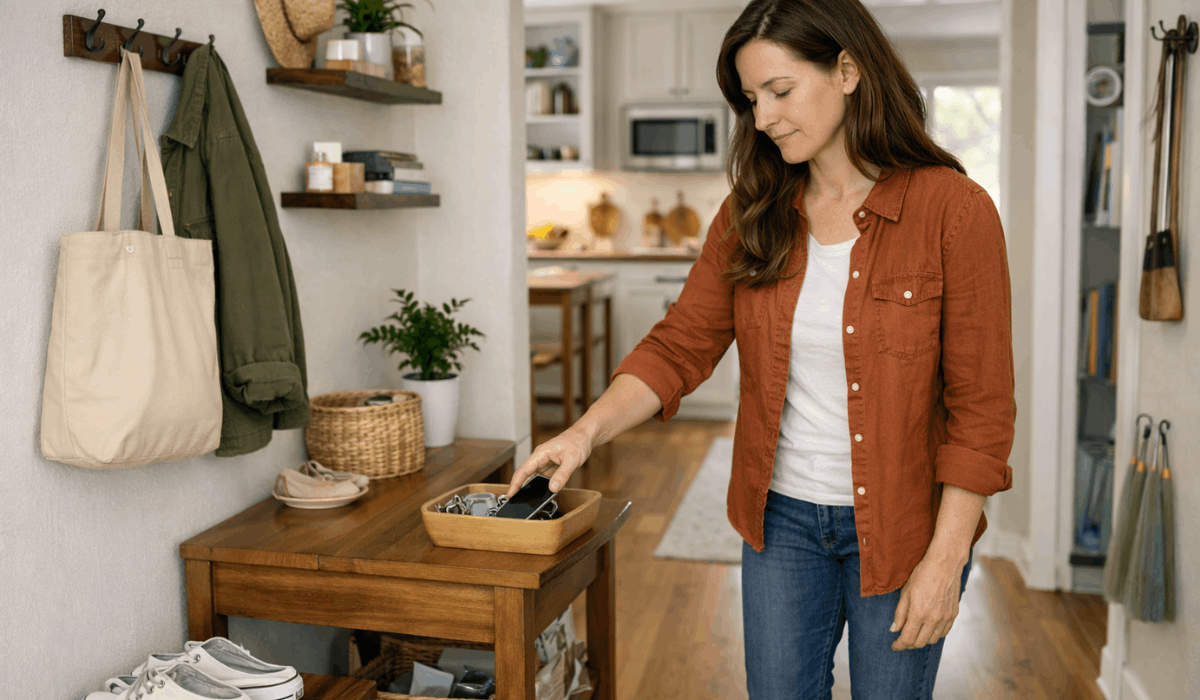
Your home layout plays a major role in how easily a routine fits into your day.
When routines follow the natural flow of your space, they require less effort to maintain.
- Match tasks to rooms – Place routines in the areas where the tasks already happen.
- Reduce movement – Limit walking between rooms to keep routines efficient.
- Keep tools nearby – Store supplies close to where they are used.
- Use consistent locations – Assign fixed spots for routine-related items.
- Support natural flow – Arrange steps in the order you move through the space.
Keep Each Routine Short and Repeatable
Short routines are easier to remember and less likely to be skipped.
Repeatable routines work because they fit into daily life without requiring extra effort.
- Limit steps – Keep the routine to only a few essential actions.
- Use the same order – Follow the same sequence every time to build familiarity.
- Reduce decisions – Remove choices that slow down repetition.
- Focus on essentials – Include only what directly supports the routine’s purpose.
- Make it automatic – Design the routine so it feels natural over time.
Attach New Routines to Existing Ones
Attaching new routines to actions you already do makes them easier to remember and repeat.
Existing routines act as natural reminders that support consistency.
- Choose a strong anchor – Use a daily action that already happens without effort.
- Place it next to the anchor – Add the new routine immediately before or after it.
- Keep it small – Make the added step quick and easy to complete.
- Use the same anchor daily – Repeat the pairing to build consistency.
- Avoid stacking too much – Add only one new routine per anchor.
Design Routines for Normal Days, Not Perfect Days
Routines last longer when they are designed for real, imperfect days.
Planning for normal energy levels and interruptions makes it easier to maintain routines.
- Set realistic expectations – Base routines on how most days actually go.
- Define a minimum version – Decide the smallest effort that still counts.
- Match energy levels – Keep routines aligned with typical daily energy.
- Allow flexibility – Adjust steps without abandoning the routine.
- Resume without guilt – Continue after missed days without restarting.
Track Progress in Simple, Visible Ways
Simple tracking helps you stay aware of routines without creating pressure. Visible progress makes routines easier to maintain over time.
- Keep it visible – Place tracking tools where you see them every day.
- Use simple marks – Track progress with checkmarks or short notes.
- Stay consistent – Use the same tracking method to avoid confusion.
- Watch patterns – Notice trends instead of focusing on daily results.
- Adjust when needed – Use what you see to refine the routine.
Review and Adjust Routines Regularly
Regular review keeps routines useful as your schedule and needs change. Small adjustments prevent routines from becoming frustrating or outdated.
- Set review times – Check routines weekly or monthly.
- Identify friction – Notice steps that feel difficult or are often skipped.
- Confirm relevance – Make sure the routine still solves the right problem.
- Adjust timing – Change when the routine happens if needed.
- Simplify steps – Remove actions that no longer add value.
Reduce Friction That Breaks Routines
Friction makes it harder to start routines and easier to skip them. Reducing small obstacles helps routines fit naturally into your day.
- Prepare in advance – Set up tools and materials before the routine begins.
- Remove decisions – Eliminate choices that slow you down.
- Improve access – Keep routine items easy to see and reach.
- Cut extra steps – Remove actions that add effort without benefit.
- Support the environment – Arrange your space to guide routine flow.
Protect Routines From Disruptions
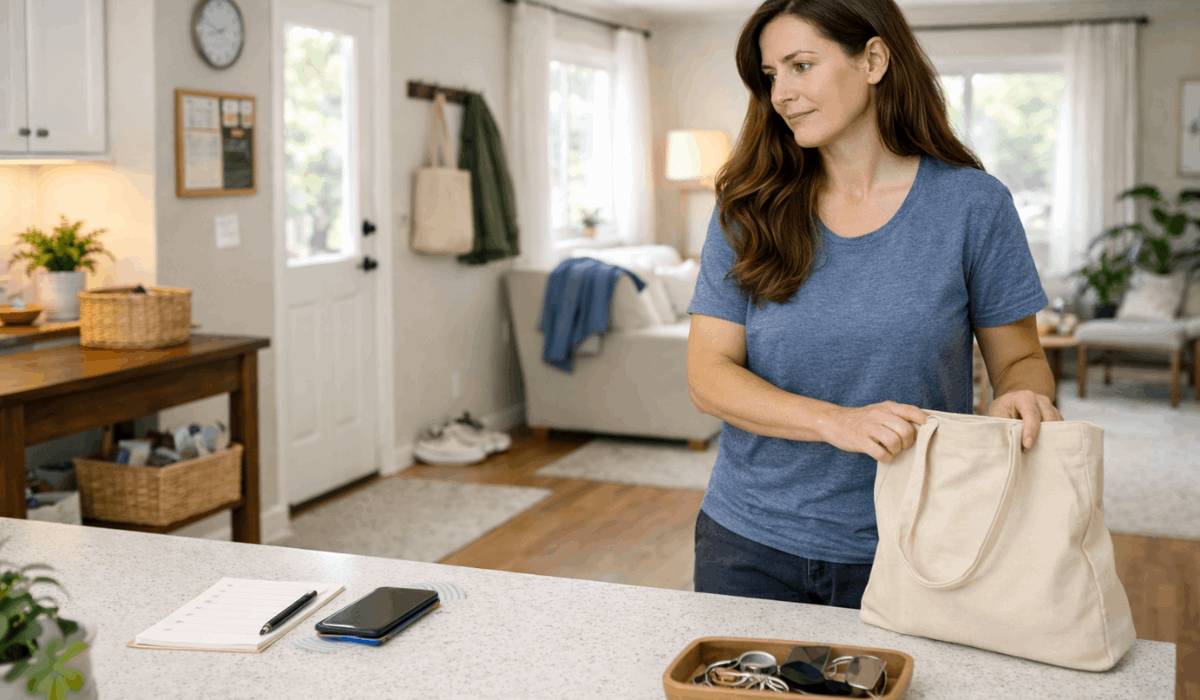
Disruptions are part of everyday life and do not mean a routine has failed. Protecting routines helps you return to them without stress or confusion.
- Plan for interruptions – Expect travel, weekends, or busy periods in advance.
- Create fallback versions – Use a shorter routine when time or energy is limited.
- Maintain structure – Keep the same routine framework even when steps are reduced.
- Adjust temporarily – Change timing or order during disruptions without quitting.
- Resume smoothly – Return to the routine without restarting rules or tracking.
Common Mistakes That Prevent Routines From Lasting
Many routines fail because of small but common mistakes, not because of a lack of effort.
Knowing these issues helps you avoid frustration and build routines that last.
- Doing too much at once – Adding multiple routines before one is stable.
- Making routines too complex – including too many steps to repeat daily.
- Copying others – Using routines that do not fit your home or schedule.
- Relying on motivation – Expecting willpower to carry the routine.
- Refusing to adjust – Keeping routines unchanged when life shifts.
Conclusion: Make Routines Work for Real Life
Routines last when they fit your home, your schedule, and your energy level.
Simple daily routines are easier to repeat and more likely to survive real-life disruptions.
Start with one small routine today and apply these steps to build habits that work in everyday life.