Practical routines help you manage daily life with less effort and fewer decisions.
They focus on small, repeatable actions that fit naturally into your home and schedule.
When routines are simple and realistic, you are more likely to maintain them over time.
Build Simple Home-Based Routines
Simple routines work best when they fit your home and reduce unnecessary movement.
The goal is to make daily tasks easier by using your space more effectively.
- Assign fixed places for everyday items. Keep keys, bags, chargers, and essentials in the same spots so you do not waste time searching.
- Match routines to each room. Do tasks where the needed items are already there instead of carrying things across the house.
- Limit routines to a few steps. Short routines are easier to remember and repeat than long checklists.
- Use visible cues instead of reminders. Place items where actions naturally happen so the environment guides you.
Make Daily Tasks Easier to Maintain
Daily tasks should require as little effort and motivation as possible.
When tasks are easy to maintain, you are more likely to complete them consistently.
- Reduce the number of steps. Fewer actions make tasks easier to start and finish.
- Use the same process every time. Repetition removes the need to decide how to begin.
- Keep tools within reach. Store items where the task happens to avoid delays.
- Avoid adding extra rules. Simple tasks are easier to maintain than strict systems.
Control Distractions Inside the Home
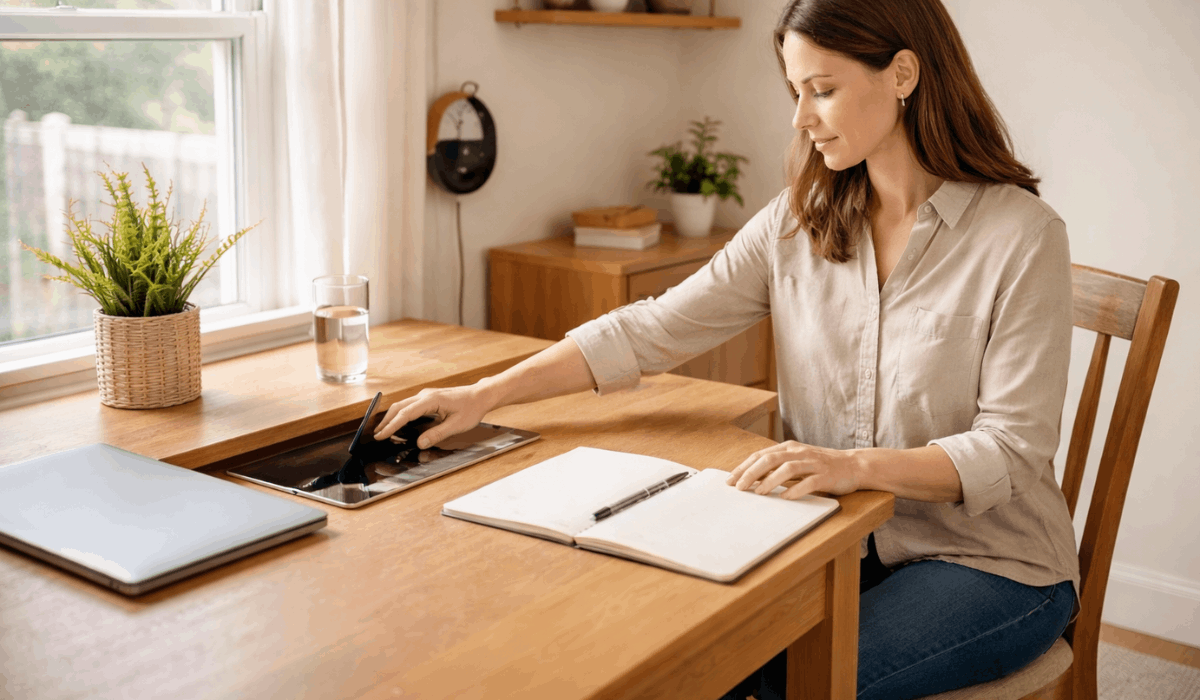
Distractions interrupt routines and make simple tasks take longer. Controlling them helps you stay focused without adding strict rules.
- Set fixed places for your phone. Keep it away from work and task areas when not needed.
- Limit background noise. Turn off unnecessary TV, music, or alerts during focused tasks.
- Close unused tabs and apps. Fewer open items reduce mental clutter.
- Finish one task before starting another. This prevents constant switching and delays.
Simplify Transitions Between Daily Activities
Transitions are moments when routines often break down. Making these shifts smoother helps you move through the day with less effort.
- Prepare the next task in advance. Set out tools or items before you finish the current activity.
- Use clear stopping points. Finish one task fully before moving to the next.
- Keep transition items nearby. Store things you need for the next activity within reach.
- Avoid unnecessary choices during transitions. Decide what comes next in advance.
Reduce Morning Setup Time
Mornings are easier when fewer decisions are required. Reducing setup time helps you start the day calmly and on schedule.
- Prepare clothes and essentials the night before. This removes early decision-making.
- Use the same morning layout daily. Keep items in consistent positions.
- Limit morning tasks to necessities. Avoid adding optional actions.
- Store high-use items together. Group what you need to take with you out of the house in one place.
Use Zones to Organize Daily Activities
Zones help you keep tasks and items in the right place. Clear zones reduce clutter and make routines easier to follow.
- Assign one purpose to each area. Avoid mixing work, rest, and storage in the same space.
- Keep related items inside their zone. Store tools where the activity happens.
- Limit items within each zone. Fewer objects make zones easier to manage.
- Reset zones at the end of use. A quick reset keeps the space ready for next time.
Limit Daily To-Do Lists
Long to-do lists can make simple days feel overwhelming and unmanageable.
Keeping lists short helps you stay focused on what truly needs to be done.
- Choose only a few priority tasks. Focus on the actions that have the biggest impact that day.
- Separate required tasks from optional ones. This helps you keep expectations realistic and achievable.
- Write your list where you can easily see it. Clear visibility reduces mental load and forgetfulness.
- Stop adding tasks once the day starts. This prevents constant changes, distractions, and unnecessary stress.
Standardize Repetitive Home Tasks
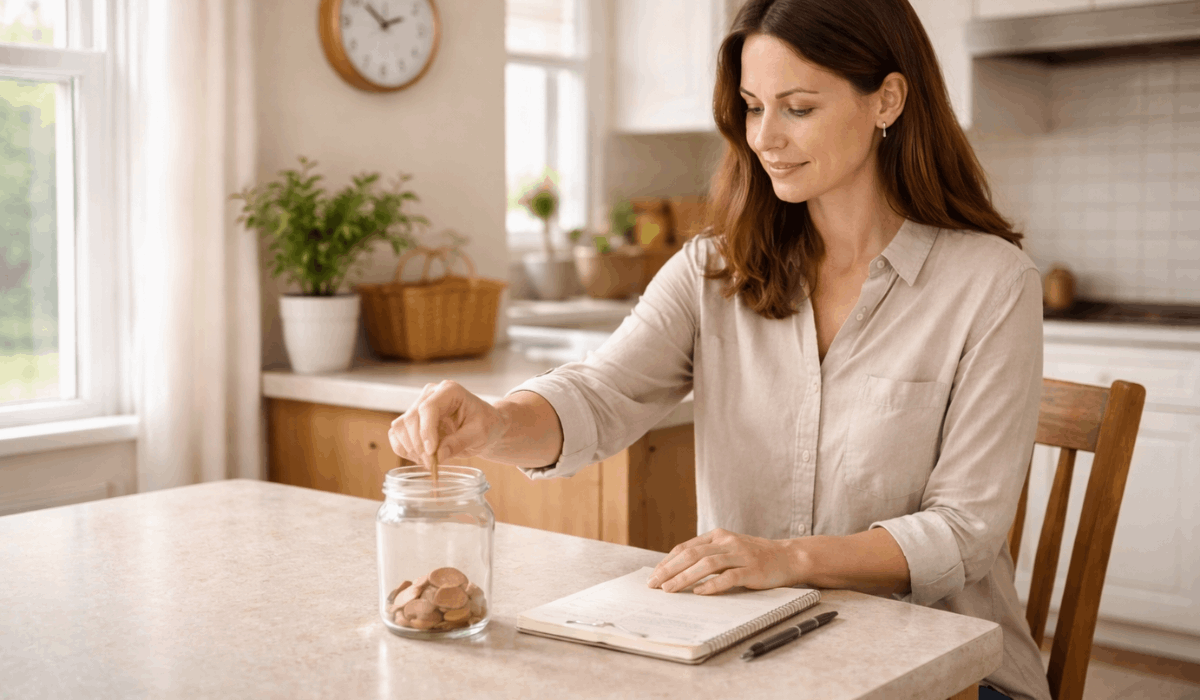
Repeating home tasks consistently saves time and mental energy each day. Standard routines reduce decision-making and make daily work easier to complete.
- Use the same steps every time. A fixed order removes confusion and hesitation.
- Keep task tools stored together. This avoids searching and setup delays.
- Do tasks at the same time of day. Consistent timing builds habit and reliability.
- Avoid changing methods unless needed. Stability helps tasks feel automatic and simple.
Review and Adjust Your Routine Regularly
Routines work best when they reflect your current needs and schedule. Regular review helps you keep routines useful instead of restrictive.
- Check what is no longer working. Remove steps that feel unnecessary or difficult.
- Adjust routines when life changes. Update them for new schedules, seasons, or responsibilities.
- Keep the successful parts unchanged. Stability helps routines stay familiar and easy.
- Make small changes one at a time. Gradual adjustments prevent disruption and frustration.
Use Small End-of-Day Reset Routines
End-of-day reset routines help prevent clutter and unfinished tasks from piling up.
Short resets make the next day easier without requiring extra effort.
- Reset only high-use areas. Focus on the spaces you use first, the next day.
- Put essential items back in place. This keeps mornings smooth and predictable.
- Limit the reset to a few minutes. Short routines are easier to maintain daily.
- Stop once the reset is complete. Avoid turning it into a full cleaning session.
Plan for Routine Disruptions
Disruptions are a normal part of daily life and do not mean a routine has failed.
Planning for interruptions helps you return to your routine without stress or confusion.
- Expect common disruptions. Travel, weekends, and schedule changes happen regularly.
- Create a shorter backup version. Use a minimal routine when time or energy is limited.
- Protect the most important steps. Keep only actions that maintain stability.
- Resume the routine without catching up. Continue normally instead of compensating.
Track Routines Without Overthinking
Tracking routines should support consistency, not create extra work.
Simple tracking helps you stay aware without adding pressure.
- Use a simple yes-or-no check. Mark whether the routine occurred.
- Avoid measuring time or performance. Focus on completion, not perfection.
- Track only key routines. Monitoring everything leads to overload.
- Review patterns occasionally. Look for consistency instead of daily results.
Conclusion – Make Routines Work for You
Practical routines help you manage daily life with less effort and fewer decisions.
When routines stay simple and flexible, they are easier to maintain over time.
Start with one small routine today and adjust it until it fits your real life.