
Routines are useful only when they make daily life easier to handle. When they become too strict, packed, or dependent on perfect timing, they start creating the pressure they were meant to reduce.
Low-stress routines work differently. They give your day enough structure to move forward, while leaving room for delays, interruptions, tired moments, and plans that change.
The goal is not a flawless schedule. It is to build practical patterns that help you restart quickly, protect your energy, and keep important tasks from piling up. A good routine should feel like support, not another standard you are failing to meet.
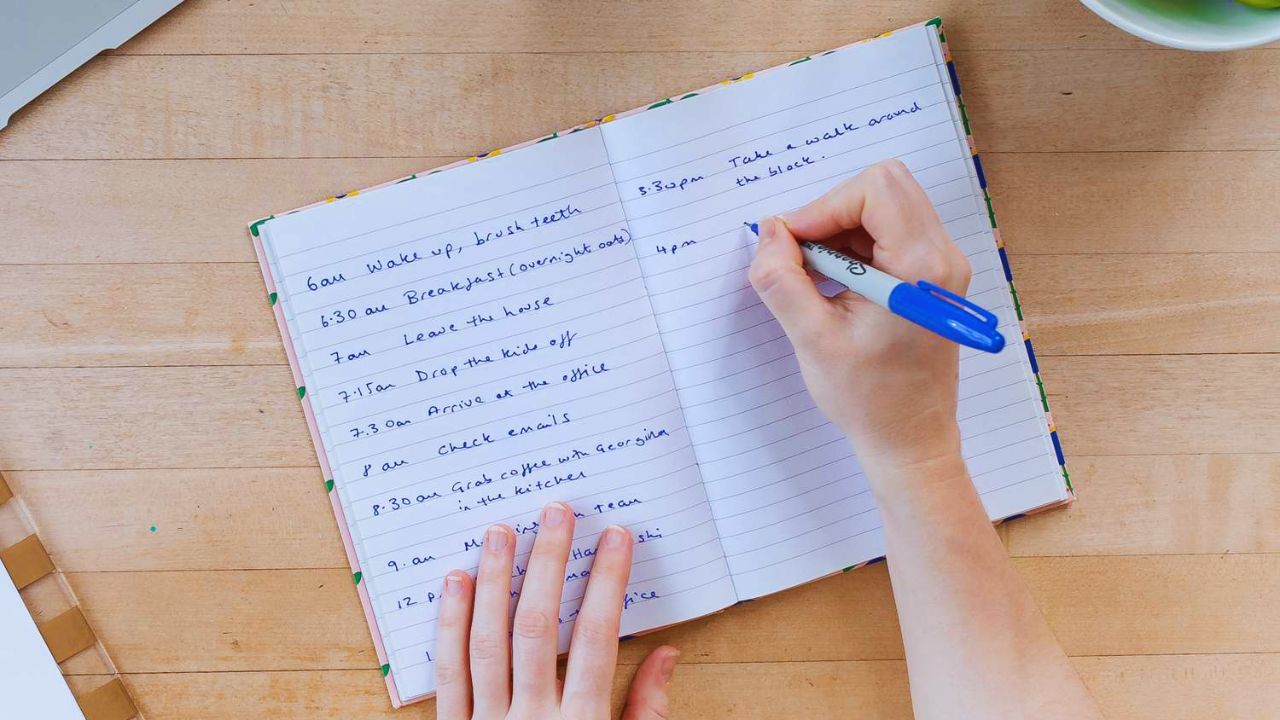
Understand Why Routines Start Feeling Heavy
Most routines become stressful because they ask for too much. You add several habits at once, expect the same energy every day, and treat missed steps as failure. That kind of structure may look organized, but it rarely lasts. A heavy routine usually breaks when real life interrupts it.

Before changing the routine, look at where it feels tight. Maybe the timing is wrong, the steps are too long, or the task depends on motivation you do not always have. Stress often points to a design problem, not a personal weakness.
Notice the First Point of Resistance
Every difficult routine has a moment where you start delaying it. It may happen before the first step, halfway through the task, or when you need to restart after missing a day. That resistance point is information.
Instead of pushing harder, ask what makes that point difficult. The task may need fewer steps, a better time slot, a clearer finish line, or a smaller version for busy days. Fixing the resistance point often helps the whole routine feel lighter.
Build the Routine Before You Expect Consistency
A lasting routine needs a simple structure before it needs discipline. If the routine is unclear, motivation will not carry it for long. A routine structure should explain when the task starts, what the first action is, and what counts as complete.
Start with one or two habits, not a full daily system. Let each habit become familiar before adding another. This keeps the routine from feeling crowded and gives you time to notice what fits your schedule.
Choose Timing Based on Energy
The best time for a routine is not always the earliest or most convenient slot. It is the time when your energy can support the task. Energy timing matters because routines fail faster when they are placed where your day is already overloaded.
If mornings feel rushed, move preparation to the evening. If evenings feel drained, keep the routine short and mechanical. Match the routine to your real energy, not the energy you wish you had.
Also Read: Practical Routines for Everyday Living
Use Simple Support Systems
Support systems should reduce thinking, not add more management. A reminder, cue, notebook, timer, or visible setup can help, but only if it stays easy to use. Simple support keeps the routine close enough to remember and light enough to repeat.
Choose tools that remove friction. A reminder should tell you what to do, not open a long checklist. A tracker should show progress without making you feel judged. If a tool becomes another task, simplify it or stop using it.
Track Progress Without Chasing Perfect Streaks
Tracking can help you see patterns, but it should not turn the routine into a pressure contest. A checkmark or short note is enough for most habits. Progress tracking works best when it shows consistency over time, not perfection every day.
Look for patterns. If you miss the same routine on the same type of day, adjust the timing or reduce the steps. The tracker should help you understand the routine, not punish you for being human.
Adjust the Plan Without Abandoning It
A routine becomes sustainable when it can bend. Unexpected work, family needs, illness, travel, or low energy will interrupt a well-designed plan. A flexible routine gives you options before the disruption happens.
Plan a shorter version in advance. If you cannot complete the full routine, do the smallest action that keeps the habit alive. Moving a task to another day is better than canceling it completely and carrying guilt into the next attempt.
Use a Weekly View
Daily routines can feel stressful when each missed step looks like failure. A weekly view gives the routine more breathing room. This weekly view lets you spread tasks across several days instead of judging everything by one difficult afternoon.
If you miss something today, decide where it fits later in the week. This keeps momentum alive and prevents one rough day from breaking the whole routine.
Keep the Mindset Practical
The way you think about routines affects whether they feel helpful or punishing. If the routine becomes a test of discipline, every missed step feels personal. A practical mindset treats routines as tools that can be repaired, shortened, or moved.
Aim for steady follow-through, not flawless execution. A routine that works most of the time is more valuable than one that looks perfect but collapses under pressure. Progress comes from returning to the pattern, not from never leaving it.
Stop Comparing Your Routine to Someone Else’s
A routine that works for another person may not match your schedule, energy, responsibilities, or attention span. Copying it exactly can make your own day feel harder. A personal routine should fit your real constraints.
Use examples for ideas, not as rules. Keep what feels natural, adjust what feels forced, and remove anything that adds pressure without improving the day.
Use Blocks Only When They Help
Dividing the day into morning, midday, and evening blocks can make routines easier to place. Blocks are useful when they create rhythm, but they should not become rigid boxes. A routine block should guide the day without controlling every minute.
Use mornings for light starts or important preparation, midday for check-ins or simple resets, and evenings for closing tasks. Keep each block short enough to survive interruptions. If one block keeps failing, shrink it before removing it.
Conclusion: Keep the Routine Useful
A routine should earn its place by making the day easier to enter, manage, or close. If it creates more decisions than it solves, shorten it. If it depends on perfect conditions, give it a smaller version. If it no longer fits, revise it without guilt.
Strong routines are not the most impressive ones. They are the ones you can return to after missed days, busy weeks, and changing priorities. Sustainable routines leave enough space for real life while still giving your day a dependable shape.