
Managing tasks becomes easier when your routines match the life you already have. A useful routine reduces friction, gives each task a clearer place, and stops your day from depending on motivation alone.
This guide is for anyone who starts late, jumps between unfinished work, or feels buried by small responsibilities. You will see how practical routines can help you start, move, and finish tasks without building a system that feels heavier than the work itself.
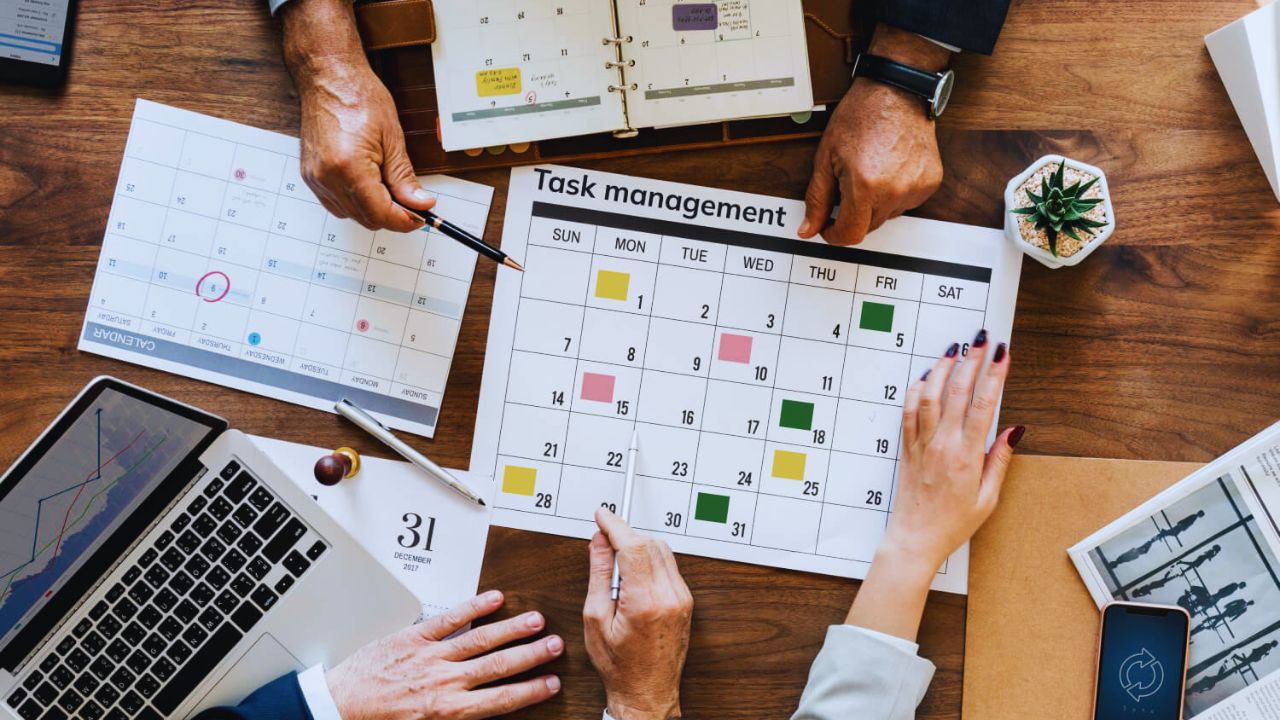
Build Routines Around Real Limits
A routine should begin with your real day, not an ideal version of it. Work hours, family needs, shared spaces, commute time, energy levels, and household duties all shape what you can repeat.

If a routine needs perfect timing or extra preparation every day, it will probably break quickly. Start by noticing your real constraints, then design around them.
Use What Is Already Available
Strong routines often use the tools and spaces you already touch. If you sort mail near the kitchen counter, make that the place where quick admin tasks begin.
If your work bag holds your notebook, keep planning there instead of creating another setup. The less you need to prepare, the easier the routine becomes to repeat.
Separate What Must Happen From What Can Wait
Not every task deserves the same weight. Some actions keep the day running, while others are useful only when time and energy allow.
When you treat every task as urgent, your routine becomes stressful and hard to trust. Separating core tasks from optional work keeps the system practical.
Define the Non-Negotiables
Core tasks protect responsibilities, deadlines, health, home order, or work progress. They might include paying a bill, preparing meals, submitting a report, answering a necessary message, or cleaning one high-use area.
Keep this group small. If everything becomes core, nothing is truly protected.
Also Read: How to Build Routines That Fit Real Life
Use Start and Stop Cues to Reduce Hesitation
Tasks often feel harder when the beginning and ending are unclear. A start cue tells your brain what happens next, while a stop cue keeps the task from expanding forever.
These cues help with chores, admin work, studying, and recurring home responsibilities. They turn vague effort into clear action.
Make the First Move Physical
Physical cues are easier to follow than vague reminders. Put the laundry basket by the door, open the file you need first, or place cleaning supplies where the task begins.
These small cues reduce the mental negotiation that happens before starting. You are not deciding again; you are responding to a visible signal.
Know When the Task Is Finished Enough
Without a stop point, a simple task can turn into a long project. Decide what finished means before you begin.
For example, “clear the table” is easier to complete than “organize the dining area.” A defined ending protects time and keeps one routine from stealing energy from the next.
Handle Transitions Before They Drain Your Focus
Switching tasks takes more energy than most people expect. Moving from work to errands, from cleaning to email, or from family duties to focused work requires a reset.
If transitions are messy, you may lose time deciding what to do next. A small transition routine keeps the day from feeling scattered.
Close One Task Before Opening Another
Before switching, park the task properly. Save the file, write the next step, put tools back, or leave a short note about where to resume. This prevents the unfinished task from staying open in your mind. It also makes returning easier later.
Limit Decisions While You Are Working
Decision-making is useful during planning, but it can slow you down during execution. If you keep deciding what to do, where to do it, which tool to use, and when to stop, the routine becomes tiring.
Pre-deciding small details protects attention. This is one of the simplest ways to reduce decision fatigue.
Choose the Order Before You Begin
Task order should be decided before the active part of the day. You might handle the hardest task first, batch messages after lunch, and leave light chores for late afternoon.
The exact order depends on your responsibilities. What matters is removing the need to re-plan every hour.
Keep Tasks Small Enough to Start
Large tasks often create resistance because they look like they need a full afternoon. A routine becomes easier when each task begins with a minimum useful action.
That first action should be small enough to start even on a tired day. This keeps small progress available when full completion is not realistic.
Start With the Minimum Useful Step
Instead of “clean the house,” begin with “clear the sink.” Instead of “finish the project,” begin with “open the document and write the next three lines.”
The smaller step lowers pressure and creates movement. Once you start, continuing usually feels easier than beginning did.
Use Time Caps to Prevent Overworking
Time caps keep tasks from growing beyond their purpose. Spend 15 minutes sorting papers, 30 minutes replying to messages, or 45 minutes reviewing a report.
Stop when the time ends and decide the next step later. This protects your schedule and prevents one task from swallowing the day.
Batch Similar Work and Clear Small Tasks Quickly
Some tasks become harder because they appear all day in tiny pieces. Email, errands, messages, bills, and minor household jobs can interrupt deeper work when handled randomly.
Batching keeps similar actions together, while quick handling prevents very small tasks from piling up. Both habits reduce mental clutter.
Deal With Tiny Tasks Once
A small task should not be read, remembered, postponed, and reread many times.
If it takes only a couple of minutes and does not interrupt something important, finish it. If it takes longer, place it in your main task system. This keeps your attention from being crowded by loose ends.
Review Routines Before They Become Extra Work
Routines should earn their place. If one creates resistance every week, requires too much setup, or no longer fits your schedule, it may need to be simplified or removed.
Keeping routines out of guilt adds pressure without improving output. A weekly routine review keeps the system lean.
Keep Your Task System Practical
A good routine helps you manage tasks without making the day feel controlled by rules. Start with real limits, protect core tasks, use clear cues, and keep your tools simple.
When pressure rises, shrink the routine instead of abandoning it. Over time, practical task management becomes less about forcing discipline and more about making the next useful action easier to take, without turning planning into another job.