
Flexible daily routines work best when they protect the parts of home life that easily slide out of place. A busy home may have dishes waiting, bags near the door, laundry halfway done, and small items landing wherever people pause.
The aim is not to keep every room perfect, but to keep the day from feeling harder than it needs to be. This guide explains how flexible daily routines can keep your home steadier while still adjusting to time, energy, and real interruptions.
It is especially useful for homes where the same few chores keep returning, but the available time changes from day to day. The routine should support the home, not become another source of stress.
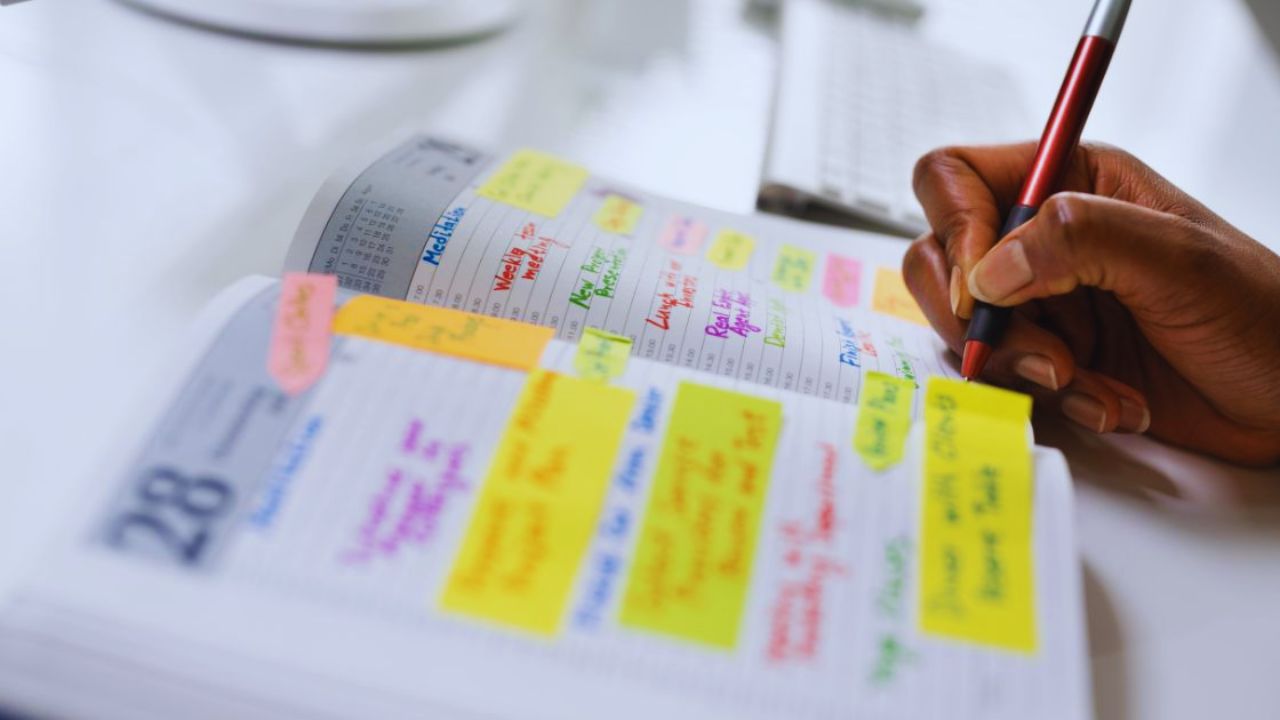
Start With One Anchor You Already Trust
A routine becomes easier when it attaches to something that already happens. Breakfast, arriving home, finishing work, or brushing your teeth can become the signal for a small reset.

This works better than waiting for motivation because the trigger is already part of the day. A reliable daily anchor gives the routine a natural place to begin.
Choose a Trigger That Rarely Moves
Pick one moment that happens almost every day, even when the schedule is busy. After breakfast may work for kitchen resets, while arriving home may work for bags, shoes, and mail.
Keep the trigger simple enough that you remember it without checking a planner. When the starting point is steady, the routine feels less like another task.
Keep the First Step Obvious
The first step should be visible and easy. Clear the counter, empty one lunch box, place keys in the tray, or return loose items to a basket. Avoid starting with a vague goal like organizing the house. A clear first move lowers resistance and protects quick momentum.
Focus on the Messes That Create the Most Friction
Every home has spots that affect the rest of the day more than others. The kitchen sink, entryway, main table, laundry area, and bathroom counter often create stress when ignored.
Flexible routines should begin with these high-use areas before anything decorative or low-priority. This keeps the routine tied to household flow, not perfection.
Keep One Surface Usable
A clear surface can change how the whole room feels. It gives you space to prepare food, sort papers, fold clothes, or set down groceries without moving piles first.
Choose one surface that matters most in your home and reset it daily. This small habit prevents clutter from spreading into every corner.
Move Laundry or Dishes One Step Forward
Some chores feel endless because they have several stages. Instead of waiting for time to finish everything, move one stage forward.
Start a load, transfer clothes, fold one small set, clear the sink, or load the dishwasher. Progress matters because these tasks create real pressure when they stop completely.
Also Read: Simple Routines for Everyday Success
Create Three Versions Before the Week Gets Busy
A routine stays flexible when it has different sizes. One version should work when you only have a few minutes, one should fit a normal day, and one should be saved for extra time.
Deciding these versions in advance prevents daily overthinking. It also makes routine flexibility easier to use when energy changes.
Use the Quick Version Without Guilt
The quick version should take only two to five minutes. It might mean clearing one surface, returning items to drop zones, and checking the sink or trash. This is not a failed version of the routine. It is the version that keeps the habit alive when the day is crowded.
Save the Extra Version for Real Capacity
The extra version should not sneak into every day. Use it only when there is enough time and energy for a drawer reset, fridge shelf, bathroom shelf, or deeper cleaning zone. Adding extra work too often makes the routine feel heavy. Protecting the normal version keeps daily consistency easier.
Make Drop Zones Simple Enough for Everyone
Drop zones help when items keep landing in the wrong places. The goal is not to create complicated categories, but to give daily clutter a temporary home.
A tray for keys, a basket for loose items, and an open bin for cables or bags may be enough. Simple reset zones work because people can use them quickly.
Avoid Over-Sorting Daily Items
Too many containers can slow the routine down. If every object needs a perfect category, people may stop using the system. Keep daily zones broad and easy to understand. You can sort more carefully during a weekly reset, but the daily routine should stay fast.
Place Tools Where the Routine Happens
A cloth under the sink, trash bags near the bin, or a laundry basket near the hallway can save several small delays.
Tools stored too far away make simple tasks feel bigger. Put supplies where your hands already are. The setup should quietly support easy follow-through.
Let Time Limits Protect the Routine
Flexible routines need a clear ending. Without one, a five-minute reset can become a full cleaning session, which makes the routine harder to repeat tomorrow. A timer or visible finish point keeps the task contained. This makes time boundaries just as important as the task itself.
Stop When the Agreed Point Is Done
Decide what finished means before you begin. It might be “surface clear,” “basket filled,” “sink empty,” or “timer finished.” Once that point is reached, stop instead of adding more tasks. Ending on purpose teaches you that the routine will not take over the day.
Add Weekly Support So Daily Resets Stay Light
Daily routines should not carry every household responsibility. Weekly support keeps small buildup from becoming a large catch-up project.
A weekly kitchen check, laundry catch-up, entry refresh, or supply refill can make the daily version easier. These weekly resets should support the routine, not replace it.
Review What Slowed You Down
At the end of the week, notice where the routine felt annoying. Maybe the basket filled too fast, the tray was too small, or the morning anchor happened at the wrong time. Change one detail instead of rebuilding everything. Small edits keep the system practical.
Conclusion
Flexible daily routines should feel like quiet support for real home life. Start with one anchor, protect the areas that create the most friction, and keep a quick version ready for busy days.
Use simple zones, clear stop points, and weekly adjustments so the routine can bend without disappearing. When home routines stay easy to restart, they become something you can actually live with, not another standard to chase.